Thailand Plans Massive 200 Billion Baht Fund for Electric Rail Expansion
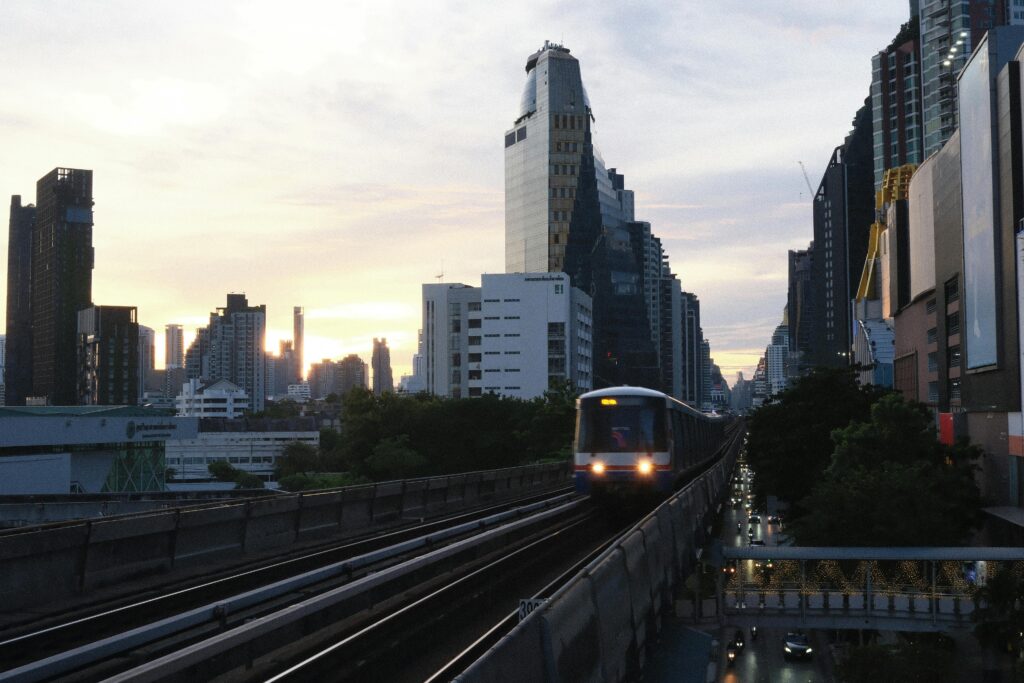
Thailand plans a major 200-billion-baht fund to improve electric rail connectivity and public transport.
Thailand Plans Massive 200 Billion Baht Fund for Electric Rail Expansion
Thailand electric rail fund discussions are gaining attention as the country explores a major infrastructure plan aimed at transforming public transportation. Thailand’s State Enterprise Policy Office (Sepo) is currently studying the possibility of creating a massive 200-billion-baht Thailand Future Fund to finance electric rail development and acquire existing rail concessions.
The proposal is part of Thailand’s broader effort to modernize urban transportation, improve rail connectivity, and make commuting more affordable for passengers in Bangkok and nearby provinces.
If approved, the initiative could significantly reshape the future of Thailand’s electric rail network.
What Is Thailand’s Proposed Electric Rail Fund?
The proposed Thailand electric rail fund would primarily focus on acquiring existing electric rail concessions currently operated by private companies under government agreements.
By bringing these concessions under stronger state control, Thai authorities could gain greater flexibility over:
- Rail fares
- Ticketing systems
- Network planning
- Service integration
- Infrastructure expansion
The initiative aligns closely with Thailand’s long-term transportation goals focused on improving efficiency, affordability, and sustainability in urban transit systems.
Why Thailand Wants Greater Control Over Rail Networks
Supporting Affordable Public Transport
One of the biggest reasons behind the Thailand electric rail fund proposal is the government’s push to make rail travel more affordable for daily commuters.
Bangkok residents currently face varying ticket prices and separate ticketing systems across different rail operators. Authorities believe stronger public control could help simplify fares and improve commuter convenience.
This connects directly with Thailand’s highly discussed 20-baht flat fare policy for electric rail transit in Bangkok and neighbouring provinces.
Reducing Fragmentation in Bangkok Transit
Bangkok’s transit network has long struggled with fragmented operations between multiple rail operators.
A centralized infrastructure fund could help:
- Simplify ticketing systems
- Improve route integration
- Create better passenger connections
- Standardize pricing structures
For commuters, this could mean smoother and cheaper daily travel across the city.
Thailand’s 20-Baht Fare Policy Explained
Affordable Transit for Daily Passengers
Thailand has been actively discussing a capped 20-baht fare policy for electric rail systems.
The goal is to:
- Reduce commuting expenses
- Encourage public transport usage
- Reduce traffic congestion
- Improve accessibility
Although implementation timelines have faced legislative and financial challenges, the policy remains popular among both commuters and policymakers.
The Thailand electric rail fund could become a key financial tool supporting this initiative in the future.
Thailand Expanding Public Transport Infrastructure
Rail Expansion and Network Integration
If established, the fund would not only acquire existing rail concessions but could also support:
- New rail line construction
- System upgrades
- Infrastructure modernization
- Better interoperability between transit lines
Thailand aims to make electric rail the backbone of urban transportation, especially in Bangkok where traffic congestion remains a major issue.
Common Ticketing System Development
Thailand has already passed the Joint Ticket Management Act to improve ticket integration across transit systems.
The long-term objective is to allow passengers to travel seamlessly using unified ticketing across:
- BTS Skytrain
- MRT
- Airport Rail Link
- Future rail systems
This could significantly improve travel convenience for both residents and tourists.
Potential Benefits for Bangkok Commuters
Lower Travel Costs
One major advantage of the Thailand electric rail fund could be more affordable public transportation.
If fare structures become unified and subsidized, commuters may benefit from:
- Lower daily transport costs
- Simplified fare systems
- Better route connectivity
Reduced Traffic Congestion
Bangkok is one of Southeast Asia’s most congested cities.
Improved electric rail infrastructure could encourage more residents to shift from private vehicles to public transport, potentially helping:
- Reduce road congestion
- Lower pollution
- Improve commuting efficiency
How Tourists Could Benefit
Easier Navigation Around Bangkok
Tourists visiting Thailand could also benefit significantly from an expanded and integrated rail system.
Potential improvements include:
- Easier transfers between transit lines
- Unified ticketing
- Clearer fare structures
- Better airport connectivity
A stronger rail network improves Thailand’s image as a modern and tourist-friendly destination.
Better Airport Connections
Thailand is also investing heavily in airport and transportation connectivity projects.
Improved rail systems could make travel between:
- Suvarnabhumi Airport
- Don Mueang Airport
- Bangkok city center
- Tourist areas
much faster and more convenient for international travelers.
Challenges Facing the Thailand Electric Rail Fund
Government Approval Still Required
The proposed 200-billion-baht fund still requires approval from several government bodies including:
- Ministry of Finance
- Cabinet authorities
- Transport policymakers
Discussions continue regarding:
- Funding sources
- Legal structure
- Financial sustainability
Balancing Public and Private Roles
While state control may improve fare integration and planning, experts also note concerns regarding:
- Market competition
- Operational efficiency
- Role of private operators
Balancing public oversight with private sector participation will remain an important issue.
Final Verdict
Thailand electric rail fund plans highlight the country’s growing focus on modernizing public transportation and improving urban mobility.
If approved, the proposed 200-billion-baht infrastructure fund could play a major role in:
- Expanding electric rail systems
- Supporting affordable fares
- Improving transit integration
- Reducing congestion in Bangkok
For commuters, tourists, and the future of Thailand’s transport infrastructure, the project could become one of the country’s most significant urban development initiatives in the coming years.
FAQ
What is the Thailand electric rail fund?
The Thailand electric rail fund is a proposed 200-billion-baht infrastructure initiative aimed at financing rail expansion and acquiring electric rail concessions.
Why does Thailand want to buy rail concessions?
The government wants greater control over fares, ticketing integration, and future rail network planning.
What is Thailand’s 20-baht rail fare policy?
It is a proposed flat fare system designed to make electric rail travel cheaper and more accessible for commuters.
Will tourists benefit from the new rail plans?
Yes, better connectivity, unified ticketing, and expanded rail coverage could improve travel convenience for tourists.
Has the Thailand electric rail fund been approved?
The proposal is currently under study and still requires approval from multiple government authorities.

Aaseem Bhardwaj is a journalist, seasoned traveler and IT professional based in India. With firsthand travel experience across Southeast Asia, East Asia, Middle East and Europe, Aaseem founded Travel Man Today to provide reliable visa updates and travel news for Indian passport holders. He has personally traveled to Thailand, Vietnam, Malaysia, Japan, Singapore, Hong Kong, South Korea, UAE and Europe. Follow his travel vlogs on YouTube at @travelmantoday