Singapore RTS Link Retail: S$290M Net Outflow and Industry’s Response Plan
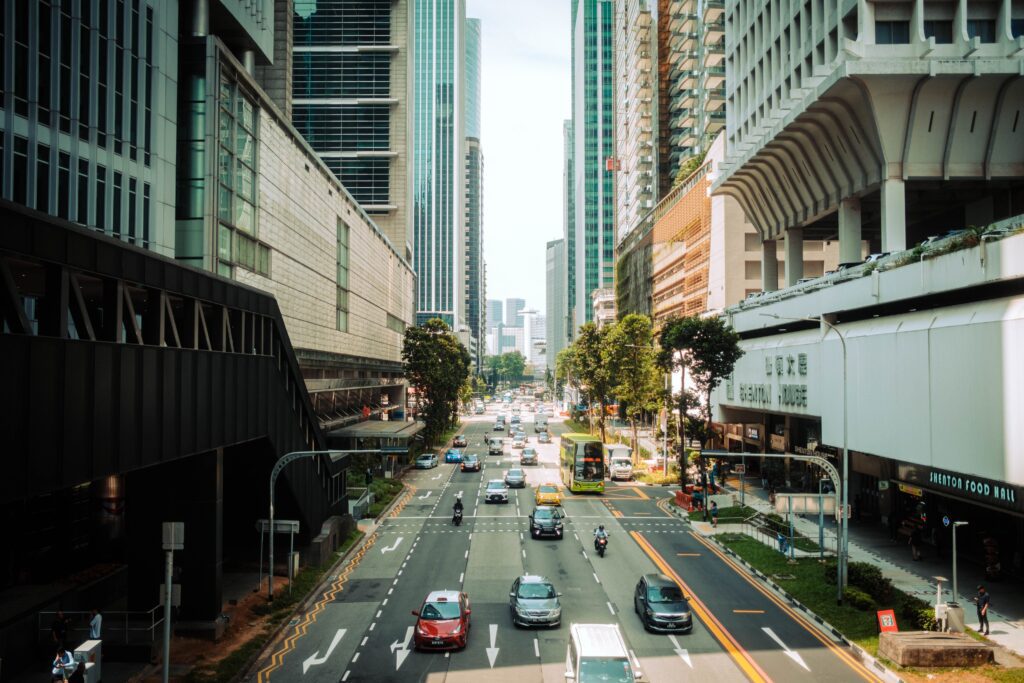
Singapore RTS Link retail study released July 2026 by SBF, RAS and SRA — S$290M net outbound spending increase projected as 51% more Singapore trips head to Johor Bahru from January 2027.
Singapore RTS Link retail impact has been quantified for the first time in a major industry study — and the numbers present both a warning and an opportunity for Singapore’s retail and food and beverage sectors ahead of the Johor Bahru–Singapore Rapid Transit System Link opening in January 2027.
The opening of the Johor Bahru-Singapore Rapid Transit System (RTS) Link in January 2027 is expected to transform cross-border travel and consumer spending, with Singapore projected to record a net outbound spending increase of S$290 million annually in neighbouring Johor Bahru.
The study, commissioned by the Singapore Business Federation (SBF), the Restaurant Association of Singapore (RAS), and the Singapore Retailers Association (SRA), is the most comprehensive analysis of the RTS Link’s economic impact on Singapore’s consumer sectors published to date — and it has already been shared with government agencies and the RTS Link task force for further discussion.
What the Study Found: The Full Spending Picture
The Singapore RTS Link retail study draws on Mastercard historical transaction data, consumer surveys of over 1,700 people in Singapore and 400 respondents in Johor over March 2026, and industry consultations.
The RTS Link is projected to generate an additional 11.2 million annual round trips by Singaporeans to JB and 3.3 million additional round trips by JB residents to Singapore.
The spending flows break down as follows. Improved rail connectivity is expected to encourage Singapore residents to spend an additional US$814 million each year in Johor Bahru. At the same time, Malaysian visitors are forecast to inject US$586 million annually into Singapore’s retail and dining sectors.
The net result is a S$290 million annual outflow from Singapore — the difference between what Singapore residents spend in JB and what JB visitors spend in Singapore.
The rail line could lead to a 51% jump in outbound trips by Singapore consumers looking for cheaper groceries, medicine, dining and beauty services in Johor Bahru. Once the RTS Link service begins, both public and private transport users expect to increase trip frequency by up to 70%, with the majority of trips being day trips. Telescope
| Singapore RTS Link Retail — Key Study Figures | Amount |
|---|---|
| Additional Singapore spending in JB annually | US$814 million (~S$1 billion) |
| Additional JB visitor spending in Singapore | US$586 million (~S$756 million) |
| Net outbound spending increase from Singapore | S$290 million annually |
| Additional Singapore round trips to JB | 11.2 million annually |
| Additional JB round trips to Singapore | 3.3 million annually |
| Singapore outbound trip increase | +51% |
| Increase in trip frequency (public transport) | Up to 70% |
| Study commissioned by | SBF, RAS, SRA |
| Data sources | Mastercard transactions, 2,100+ consumer surveys |
Who Benefits in Singapore — The Central Core Advantage
The Singapore RTS Link retail impact is not uniform across the island. Geography matters significantly.
The report forecasts Singapore’s downtown core will benefit the most from increased Malaysian visitation, capturing 78% of the projected inbound retail impact. Higher-end shopping, entertainment, hotels and fine dining in Orchard, Marina Bay, and the CBD are expected to attract the bulk of JB visitor spending.
More than one-third of Johor Bahru respondents said they intend to visit Singapore for events once the RTS Link is running, up from 24% before, while annual visits by public transport users could increase by 57% on average. Visitors who previously drove to Singapore indicated they will switch to the RTS Link, with a preference for overnight stay and spending on entertainment. Telescope
Outside the central business district, however, retailers are likely to face stronger competitive pressure — particularly in heartland areas near Woodlands and Yishun where Singapore residents are most likely to substitute local spending with JB trips for groceries, medicines, and everyday dining.
What Industry Bodies Are Recommending
The three industry associations have developed a package of recommendations for government agencies and the RTS Link task force. The proposals address both the revenue opportunity and the competitive pressure.
Consumption vouchers. Time-bound consumption vouchers to stimulate local retail and F&B activity — similar to the CDC Voucher scheme but specifically designed to counter RTS-driven outbound spending during the transition period.
Major events expansion. Strengthening Singapore’s appeal as an events destination — expanding concerts, sporting events, cultural performances, and international exhibitions that draw JB visitors to Singapore specifically for experiences unavailable across the Causeway.
Night-time economy development. Developing new entertainment districts and enhancing nighttime attractions to capture visitor spending after RTS operating hours — creating a reason for JB day-trippers to extend stays into the evening.
Cross-border tourism packages. Supporting collaboration between Singapore and JB tourism operators on packages that treat the two destinations as complementary rather than competing — a Two Countries, One Destination approach similar to what Thailand and Vietnam have been developing.
Tax refund programme extension. Expanding eligibility and value of Singapore’s tourist tax refund scheme to make premium Singapore retail more competitive for incoming Malaysian visitors.
Property tax relief. Temporary property tax relief for retail and F&B businesses during major upgrading works to ease the cost of improving their own facilities and competitiveness ahead of RTS opening.
Foreign worker flexibility. More flexible deployment of foreign workers across related business operations — addressing the cost-of-labour pressures that make Singapore F&B and retail businesses structurally more expensive than their JB counterparts.
What This Means for Indian Travelers and Indian Expats in Singapore
The Singapore RTS Link retail story is directly relevant for Indian nationals in two ways.
Indian expats in Singapore. The 51% increase in outbound trips from Singapore to JB and the RTS Link’s transformation of cross-border access will make Johor Bahru significantly more accessible for Indian expats currently living in Singapore.
For the Indian community concentrated in areas including Little India, Serangoon, and the north of the island, the RTS Link removes the Causeway congestion barrier — making weekend trips to JB for shopping, dining, and entertainment far more practical.
Indian tourists visiting Singapore. The report forecasts Singapore’s downtown core will benefit the most from increased Malaysian visitation, capturing 78% of the projected inbound retail impact.
The major events expansion, night-time economy development, and enhanced retail experience that the industry is recommending will make Singapore’s central core a more compelling destination for Indian tourists who use Singapore as a Southeast Asia base or transit stop. BusinessToday
Singapore also becomes a natural gateway into Johor Bahru for Indian tourists who can use the RTS Link to visit both destinations in a single trip — a multi-destination itinerary that the RTS Link makes logistically simple for the first time.
Remember UPI does not work in Singapore. Carry Singapore Dollars or use a zero-forex international card for all retail and F&B spending. For travel insurance covering Singapore and Malaysia cross-border trips, SafetyWing Nomad Insurance provides comprehensive coverage at affordable daily rates for Indian travelers.
FAQs — Singapore RTS Link Retail Impact 2026
Q: How much will the RTS Link shift Singapore’s retail spending?
Singapore is projected to record a net outbound spending increase of S$290 million annually in neighbouring Johor Bahru, with Singapore residents expected to spend an additional US$814 million each year in JB while Malaysian visitors inject US$586 million into Singapore’s retail and dining sectors.
The study found that outbound trips from Singapore to JB will increase by 51%, generating 11.2 million additional annual round trips, while JB visitors to Singapore will make 3.3 million additional annual trips. BusinessToday
Q: Which parts of Singapore will benefit most from the RTS Link opening?
Singapore’s downtown core will benefit the most from increased Malaysian visitation, capturing 78% of the projected inbound retail impact. Higher-end shopping, entertainment, hotels, and fine dining in the central business district, Orchard Road, and Marina Bay are expected to attract the majority of additional JB visitor spending. Heartland retailers outside central Singapore face more competitive pressure as Singapore residents substitute local spending with JB trips for groceries, medicine, and everyday dining. BusinessToday
Q: When does the Johor Bahru-Singapore RTS Link open?
The Johor Bahru-Singapore Rapid Transit System Link is scheduled to open in January 2027. The RTS Link connects Bukit Chagar in Johor Bahru with Woodlands North in Singapore via a 4-kilometre alignment crossing the Straits of Johor on a bridge 26 metres above the water. The project was restructured from a heavy MRT model to a Light Rail Transit system in 2020 and has been approximately 90% complete ahead of its scheduled January 2027 launch.
Final Word
The Singapore RTS Link retail study commissioned by SBF, RAS, and SRA is a credible and data-driven assessment of a structural shift in cross-border consumer behaviour — not a temporary disruption. A S$290 million net outbound spending increase, 51% more outbound trips, and a clear bifurcation between central Singapore benefiting and heartland retailers facing pressure are the headline findings.
The industry’s response — vouchers, major events, night-time economy, cross-border packages, and tax relief — is a practical and proportionate set of recommendations. For Indian travelers and expats in Singapore, the RTS Link transforms the geography of Southeast Asia’s most connected city-state — making Johor Bahru a weekend destination rather than an expedition, and making Singapore’s central core the natural beneficiary of the rising wave of Malaysian visitors.
Also Read:
- Singapore vs Thailand Indians — Visa2Explore Honest Review
- Singapore Changi Airport Expansion — S$4B AI Overhaul 2026
- SafetyWing Nomad Insurance — Full Review for Indians
Official Sources:
- Straits Times — RTS Link: Industry Groups Pitch Ways to Boost Spend
- The Edge Malaysia — RTS Link Study on Singapore Spending Shift
 Thailand Airport Baggage Rule 2026: Checked Bags Can Now Be Opened Without You
Japan Travel Rules 2026: Tax-Free Changes and Kyoto Luggage Ban Explained
Thailand DTV Visa India Self-Application: Travel Agent Gets Approved in 26 Days Without an Agent

US Ebola Entry Ban 2026: 3 African Countries Restricted Until November

Thailand Airport Baggage Rule 2026: Checked Bags Can Now Be Opened Without You
Japan Travel Rules 2026: Tax-Free Changes and Kyoto Luggage Ban Explained
Thailand DTV Visa India Self-Application: Travel Agent Gets Approved in 26 Days Without an Agent
US Ebola Entry Ban 2026: 3 African Countries Restricted Until November

Aaseem Bhardwaj is a journalist, seasoned traveler and IT professional based in India. With firsthand travel experience across Southeast Asia, East Asia, Middle East and Europe, Aaseem founded Travel Man Today to provide reliable visa updates and travel news for Indian passport holders. He has personally traveled to Thailand, Vietnam, Malaysia, Japan, Singapore, Hong Kong, South Korea, UAE and Europe. Follow his travel vlogs on YouTube at @travelmantoday



Templates for Indians

1 thought on “Singapore RTS Link Retail: S$290M Net Outflow and Industry’s Response Plan”