Thailand Deportation Rules 2026: New Law Active August 28 — What Tourists Must Know
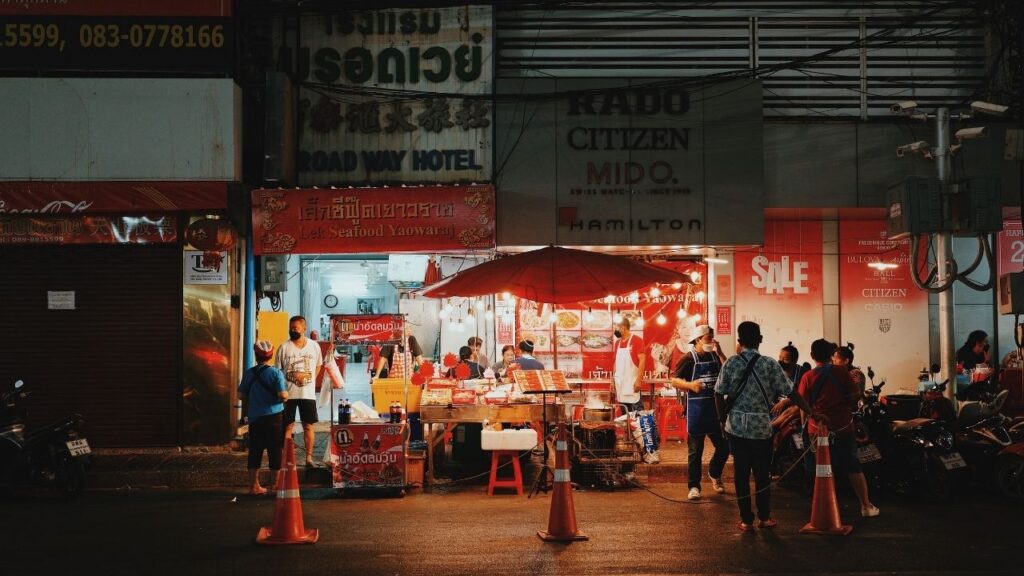
Thailand deportation rules 2026 in force from August 28 — Tourism and Sports Minister Surasak Phancharoenworakul confirms zero-tolerance enforcement in coordination with the Interior Ministry, Tourist Police Bureau, and Immigration Bureau against foreign tourists who threaten public order, disrespect Thai culture, overstay visas, or work illegally.
Quick answer: Thailand’s Prime Minister’s Office Regulation on Deportation 2026 took effect August 28, 2026 — TODAY. Foreign tourists who threaten public order, disrespect Thai culture, work illegally, overstay visas, or forge documents face immediate detention, visa revocation, deportation, and permanent blacklisting from Thailand. The law grants the Interior Ministry authority to deport faster without lengthy legal proceedings. Zero-tolerance policy confirmed by Tourism Ministry.
Thailand deportation rules 2026 are now active — a new Prime Minister’s Office Regulation on Deportation came into force on August 28, providing Thai authorities with expanded and faster legal powers to detain, revoke visas, deport, and permanently blacklist foreign tourists who misbehave, break laws, disrespect Thai culture, or cause disturbances.
The Thailand deportation rules 2026 are not a warning or a proposal — they are legally active as of today. Tourism and Sports Minister Surasak Phancharoenworakul has confirmed a zero-tolerance approach, backed by coordination between the Tourism Ministry, Interior Ministry, Tourist Police Bureau, and Immigration Bureau. The regulation provides a new legal mechanism for dealing swiftly with foreigners whose conduct contravenes public order, public morality or the well-being of the public.
For Indian travelers visiting Thailand — the third-largest source market at 1.45 million arrivals through August 15 — understanding the Thailand deportation rules 2026 is essential. The regulations apply to all foreign nationals without exception. See our Thailand travel update Indians guide for the full August 2026 regulatory picture.
What the New Law Actually Says: Five Categories of Offences
The Thailand deportation rules 2026 target five specific categories of foreign behaviour. Understanding each category precisely is more useful than the general “misbehave and get deported” framing in most media coverage.
Category 1 — Behaviour threatening public order. Authorities are empowered to swiftly deport foreigners who behave aggressively or arrogantly, disrespect Thai culture, violate the law or act contrary to public morality. This is the broadest category — it covers aggressive confrontations with Thai citizens or other tourists, disrespectful behaviour at temples and sacred sites, public intoxication that causes disturbance, and any conduct that Thai officials determine threatens public order.
Category 2 — Immigration and illegal work offences. Strict action will be taken against foreigners who enter or remain in Thailand unlawfully, including those who work or operate businesses illegally. This covers visa overstaying — a significant enforcement focus given Thailand’s popularity with long-stay visitors — as well as foreigners who work remotely while on tourist visas in ways that constitute illegal employment, and those operating unlicensed businesses.
Category 3 — Document forgery. Using or making forged documents — passports, visas, employment letters, or any official documentation — is an offence under the new regulation. This connects directly to the Thailand visa agency fraud case we reported on August 17, where Schengen visa applicants used fake bank statements through a Bangkok agency.
Category 4 — Serious criminal offences. Any offence carrying a prison sentence of five years or more falls within the new deportation regulation’s scope. This covers drug trafficking, serious assault, major theft, and other felony-level offences.
Category 5 — Threats to specific persons or businesses. The regulation was reportedly accelerated by a recent incident in which an Israeli national was accused of threatening to kill the owner of Samui Exotic Park and attempting to intimidate staff by threatening to burn down the zoo — triggering an Interior Ministry visa cancellation as the immediate precursor to the August 28 regulation.
The Consequences: Detention, Visa Revocation, Deportation, Permanent Blacklist
The Thailand deportation rules 2026 consequences follow a fixed sequence — and they are severe.
Tourists found threatening public safety or causing disturbances will be detained, have their visas revoked and be subject to immediate removal and deportation proceedings. They will also be placed on a blacklist and permanently barred from re-entering Thailand.
The permanent blacklist is the most commercially significant consequence for any tourist caught under this regulation. Unlike a deportation that results in a five-year re-entry ban — common in some countries — Thailand’s new deportation regulation specifically uses “permanently barred” language. A permanent Thailand blacklist entry would also likely affect future visa applications for other countries that ask about deportation history, including Schengen, UK, USA, Australia, and Canada.
The authority structure under the new regulation places the Interior Minister at the apex — when a foreign national’s actions harm public order, good morals, or public welfare, the permanent secretary of the Interior Ministry reports the case to the minister, who issues the deportation order. This direct ministerial authority bypasses the slower court-based deportation process that previously limited swift removal.
| Thailand Deportation Rules 2026 — Offences and Consequences | Offence Category | Consequence |
|---|---|---|
| Aggressive/arrogant behaviour, public disturbance | Public order breach | Detention + visa revocation + deportation + permanent blacklist |
| Disrespect for Thai culture or customs | Public morality breach | Detention + visa revocation + deportation + permanent blacklist |
| Visa overstay | Immigration offence | Strict enforcement + deportation |
| Illegal work or business | Immigration offence | Strict enforcement + deportation |
| Document forgery | Serious offence | Deportation + blacklist |
| Offences carrying 5+ year prison sentence | Serious criminal | Deportation + blacklist |
| Law violation generally | General offence | Case-by-case Interior Ministry authority |
The Context: Why Thailand Is Doing This Now
The Thailand deportation rules 2026 did not emerge in a vacuum — they are the legislative response to a pattern of high-profile foreigner misbehaviour incidents that have attracted intense Thai media and social media attention throughout 2025 and 2026.
Over the past year, Thailand has seen a massive return of international tourists. While most of these visitors are polite and respectful, a growing number of foreigners have caused serious trouble. Thailand’s tourism accounts for 13% of GDP — making it economically dependent on tourists while simultaneously experiencing a quality-of-visitor problem that damages the destination’s reputation and creates genuine harm for Thai communities.
Recent incidents that accelerated the regulation include aggressive foreigners at Thai temples, tourists removing sacred objects, visitors behaving disrespectfully at royal and religious sites, and the Samui Exotic Park threat incident. The Sai Mai nightclub fire and the visa fraud raid also created political pressure for tighter law enforcement against foreigners generally.
Tourism Minister Surasak’s statement captures the dual intent: “Thailand is open and always ready to welcome tourists from around the world who respect our laws, the Thai people and our culture. At the same time, we do not welcome and will not tolerate tourists who disregard the law, act immorally, disrespect Thai people or cause trouble and undermine our social order.”
What Indian Travelers Must Know
The Thailand deportation rules 2026 apply equally to all foreign nationals. Indian travelers — 1.45 million strong through August 15 and rising — are not exempt and should understand the specific cultural and behavioural standards that matter.
Temple and sacred site conduct. Thailand has over 40,000 Buddhist temples — many are active places of worship, not tourist attractions. Entering a temple with exposed shoulders or knees, pointing feet toward Buddha images, touching sacred objects, or behaving disrespectfully is now explicitly within the deportation regulation’s “disrespect for Thai culture” category. The rule is simple: cover up, shoes off at the entrance, no pointing feet at images, no loud behaviour inside.
Do not work on a tourist visa. The illegal work provision is particularly relevant for Indian digital nomads who travel to Thailand on tourist visas or the Thailand Digital Nomad Visa (DTV) and work for Indian clients remotely. The DTV specifically addresses this — if you work in Thailand, apply for the appropriate visa. Working on a tourist visa, even for non-Thai clients, creates exposure under the new regulation.
Visa overstaying is now a faster deportation trigger. Many Indian long-stay visitors have historically overstayed short-stay visa windows by days or weeks. Under the Thailand deportation rules 2026, overstaying is specifically listed as an immigration offence subject to strict enforcement. Leave Thailand before your visa expires — or apply for an extension at Thai Immigration before the expiry date.
Alcohol and public behaviour. The new regulation’s “public morality” provision covers intoxicated behaviour that causes public disturbance. Thailand’s alcohol regulations already restrict sale hours to 11am–midnight. Being aggressively intoxicated in public, fighting, or disturbing other tourists or Thai residents is now a potential deportation trigger rather than a fine-and-warning situation.
Before any Thailand trip, confirm current entry requirements at thaievisa.go.th. Complete the mandatory TDAC free at tdac.immigration.go.th within 72 hours before departure. UPI does not work in Thailand — carry Thai Baht. For travel insurance covering Thailand trips, SafetyWing Nomad Insurance provides comprehensive coverage at affordable daily rates for Indian travelers.
FAQs — Thailand Deportation Rules 2026
Q: When did Thailand’s new deportation regulation take effect?
The Prime Minister’s Office Regulation on Deportation 2026 came into force on Friday, August 28, 2026. Tourism and Sports Minister Surasak Phancharoenworakul confirmed the Tourism Ministry was prepared to enforce the regulation, working proactively with the Interior Ministry, Tourist Police Bureau, and Immigration Bureau in a zero-tolerance approach. The regulation provides a new legal mechanism for dealing swiftly with foreigners whose conduct contravenes public order, public morality or the well-being of the public.
Q: What behaviour can get a foreign tourist deported from Thailand under the new rules?
Authorities are empowered to swiftly deport foreigners who behave aggressively or arrogantly, disrespect Thai culture, violate the law or act contrary to public morality. Additional offences covered include illegal entry or overstaying a visa, working or operating a business unlawfully, using or making forged documents, and any offence carrying a prison sentence of five years or more.
Tourists found threatening public safety or causing disturbances will be detained, have their visas revoked and be subject to immediate removal and deportation proceedings. They will also be placed on a blacklist and permanently barred from re-entering Thailand.
Q: Is the Thailand blacklist under the new deportation rules permanent?
Yes — tourists deported under the new Thailand deportation rules 2026 will be placed on a blacklist and permanently barred from re-entering Thailand. This is a significantly harsher consequence than many countries impose, which typically use time-limited re-entry bans rather than permanent blacklisting. A permanent Thailand entry ban would likely also affect future visa applications for third countries including Schengen, UK, USA, and Australia, which ask about deportation history on their application forms.
Final Word
The Thailand deportation rules 2026 — active from today, August 28 — give Thai authorities faster and broader legal power to remove foreign tourists who misbehave, disrespect Thai culture, overstay visas, work illegally, or commit serious offences.
For the vast majority of Indian travelers who visit Thailand respectfully and within their visa terms, the regulation changes nothing about the travel experience.
For those who test the boundaries of acceptable behaviour at temples, overstay their welcome, or cause disturbances — the consequences are now permanent rather than procedural. The message from Tourism Minister Surasak is clear: Thailand welcomes visitors who respect Thai laws, people and culture. It will not tolerate those who do not.
Also Read:
- Thailand Travel Update Indians — August 2026 Five Changes
- Thailand Alcohol Rules 2026 — BMA Cracks Down, Hours Guide
- Thailand Visa Agency Fraud 2026 — Bangkok Raid Fake Bank Docs
Official Sources:
- Bangkok Post — Tourism Ministry to Deport Misbehaving Foreign Tourists as New Regulation Takes Effect
- Tourism Authority of Thailand
 Singapore Tourism Receipts 2026: S$7.21 Billion Drop — What It Means for Indians

Bangkok Flooding October 2026: Roads Submerged — What Indians Must Know

Laem Son National Park 2026: Thailand’s Hidden Beach Gem Opens for Tourism Season

Japan Saudi Arabia Travel Alert 2026: Essential Warning for Indians Visiting the Kingdom

Singapore Tourism Receipts 2026: S$7.21 Billion Drop — What It Means for Indians
Bangkok Flooding October 2026: Roads Submerged — What Indians Must Know
Laem Son National Park 2026: Thailand’s Hidden Beach Gem Opens for Tourism Season
Japan Saudi Arabia Travel Alert 2026: Essential Warning for Indians Visiting the Kingdom

Aaseem Bhardwaj is a journalist, seasoned traveler and IT professional based in India. With firsthand travel experience across Southeast Asia, East Asia, Middle East and Europe, Aaseem founded Travel Man Today to provide reliable visa updates and travel news for Indian passport holders. He has personally traveled to Thailand, Vietnam, Malaysia, Japan, Singapore, Hong Kong, South Korea, UAE and Europe. Follow his travel vlogs on YouTube at @travelmantoday





Templates for Indians