Incheon International Airport 2026: World’s Busiest International Hub
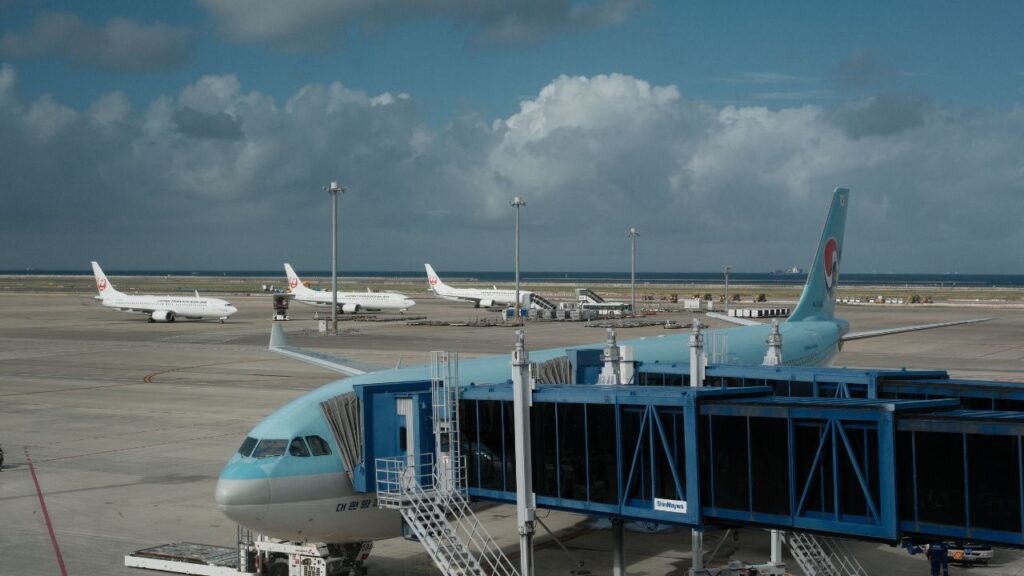
Incheon International Airport 2026 ranks first globally for international passenger volume, handling approximately 38.39 million passengers in the first half of the year.
Quick answer: Incheon International Airport ranked first in the world for international passenger volume in the first half of 2026, handling approximately 38.39 million passengers. International travellers accounted for a record 44% of passenger volume in the second quarter, reflecting the growing global popularity of K-content and interest in travelling to Korea.
Incheon International Airport 2026 is showing why Korea’s main international gateway continues to strengthen its position as a leading global hub. Approximately 38.39 million passengers passed through the airport during the first half of 2026, placing it first in the world for international passenger volume.
The airport’s performance is particularly notable because the proportion of international travellers reached an all-time high of 44% in the second quarter. The increase appears to be influenced by the growing popularity of K-content around the world and rising interest in tourism in Korea.
For travellers beginning their Korean adventure, Incheon International Airport is more than simply an arrival and departure point. The airport combines an extensive international route network, convenient connections to Seoul, smart immigration facilities and opportunities to experience Korean culture before even leaving the airport.
Why Incheon International Airport 2026 Is Getting Global Attention
The Incheon International Airport 2026 story is closely connected to Korea’s growing international appeal. The airport’s approximately 38.39 million international passengers during the first half of 2026 demonstrate the scale of demand for international travel through Korea’s principal global hub.
The airport also recorded an important milestone during the second quarter, when international travellers accounted for 44% of passenger volume. According to the information provided, this was the highest proportion recorded to date.
The growing worldwide popularity of K-content is identified as one factor behind the increased interest. Korean entertainment, culture and tourism have attracted audiences around the world, and the airport’s passenger numbers reflect the broader interest in visiting Korea.
For travellers arriving in Korea, this makes Incheon International Airport an important part of the journey itself. The airport is designed not only to connect passengers with destinations around the world but also to provide an introduction to Korea.
Incheon International Airport 2026 Offers Global Connectivity
One of the biggest reasons to love Incheon International Airport is its extensive international network. The airport connects travellers through 101 airlines serving 183 cities across 53 countries.
The network covers major regions including Asia, the Americas and Europe. This extensive connectivity is one of the key characteristics of a representative hub airport and makes Incheon an important gateway for international travellers heading to Korea or connecting across regions.
For passengers, a broad network of airlines and destinations means more opportunities to reach Korea and continue their journeys internationally. The airport’s position as a global hub is therefore closely tied to the scale and diversity of its air connections.
The combination of international connectivity and growing interest in Korea gives Incheon International Airport an important role in supporting the country’s tourism ambitions. As more travellers become interested in Korean culture and tourism, the airport provides the infrastructure needed to welcome them.
Convenient Transportation from Incheon International Airport to Seoul
Getting from Incheon International Airport to central Seoul is another major advantage highlighted by the airport.
The Airport Railroad, or AREX, provides a direct connection to Seoul Station, giving arriving travellers a convenient way to reach the city centre. For visitors who want to continue their Korean journey after landing, this direct rail connection provides an important transportation option.
Travellers also have access to airport buses and taxis. These additional transportation choices make it possible to reach major tourist destinations and other parts of the city according to individual travel requirements.
For first-time visitors to Korea, convenient transportation can make a significant difference to the arrival experience. Instead of treating the airport simply as the end of a flight, travellers can move efficiently towards Seoul and begin exploring the country.
The airport’s combination of international air connectivity and connections to the city centre is therefore an important part of its role as a global tourism gateway.
Smart Immigration at Incheon International Airport
Another feature highlighted by Incheon International Airport is its use of smart immigration and modern check-in systems.
The introduction of state-of-the-art check-in systems has helped reduce waiting times and provide travellers with a faster start to their journey. For an airport handling tens of millions of international passengers, efficient passenger processing is particularly important.
A smoother airport experience can make a noticeable difference for both arriving and departing passengers. Shorter waiting times allow travellers to move through the airport more efficiently and spend less time dealing with routine airport procedures.
The smart immigration system is therefore part of the wider passenger experience that Incheon International Airport is building. The objective is not only to connect travellers with destinations but also to make the airport journey itself more convenient.
Experience K-Culture at Incheon International Airport
Incheon International Airport also gives travellers an opportunity to experience Korean culture before they leave the airport.
Visitors can encounter a variety of K-culture experiences, including the Royal Walk parade, national treasure exhibitions and hands-on crafting experiences. These activities provide travellers with a glimpse of Korean culture during their time at the airport.
The cultural experiences are particularly relevant at a time when K-content is becoming increasingly popular around the world. The airport can serve as an introduction to Korea for first-time visitors as well as a final cultural experience for travellers returning home.
The combination of airport facilities and cultural programming gives Incheon International Airport a distinctive identity. Travellers do not have to wait until they reach the city to begin experiencing Korea.
Instead, the journey can start as soon as they arrive at the airport.
What Makes Incheon International Airport a Global Hub?
The strengths of Incheon International Airport can be summarised in four areas: international connectivity, transportation, smart passenger processing and Korean cultural experiences.
Its extensive network connects 101 airlines with 183 cities in 53 countries, covering Asia, the Americas and Europe. Its connection to Seoul through the Airport Railroad provides an efficient transportation option, while airport buses and taxis offer additional choices.
At the same time, smart immigration and modern check-in systems are designed to reduce waiting times. Cultural experiences, meanwhile, bring elements of Korea directly into the airport environment.
Together, these features help explain why the airport has become such an important gateway for international travellers.
The airport’s first-half 2026 passenger performance adds another dimension to the story. With approximately 38.39 million passengers recorded during the period and the international traveller share reaching a record 44% in the second quarter, Incheon is clearly operating at a significant level of international passenger activity.
FAQs — Incheon International Airport 2026
Q: How many passengers did Incheon International Airport handle in the first half of 2026?
Incheon International Airport recorded approximately 38.39 million passengers in the first half of 2026, ranking first in the world for international passenger volume according to the information provided.
Q: What percentage of travellers at Incheon were international passengers in Q2 2026?
The proportion of international travellers reached an all-time high of 44% in the second quarter of 2026. The increase appears to be influenced by the growing global popularity of K-content and interest in tourism in Korea.
Q: How can travellers get from Incheon International Airport to Seoul?
The Airport Railroad, known as AREX, travels directly to Seoul Station. Travellers can also use airport buses and taxis to reach Seoul and other major tourist destinations.
Final Word
Incheon International Airport 2026 is demonstrating the growing importance of Korea as an international travel destination. With approximately 38.39 million passengers recorded during the first half of the year, the airport ranked first globally for international passenger volume, while the international traveller share reached a record 44% in the second quarter.
Its extensive network of 101 airlines connecting 183 cities in 53 countries, direct Airport Railroad connection to Seoul Station, smart immigration systems and K-culture experiences make the airport an important part of the Korean travel experience.
The rise in global interest in K-content and tourism in Korea is helping create a stronger international spotlight for the country. For travellers planning a trip to Korea, the journey can begin at Incheon International Airport — with world-class connectivity, convenient transportation and Korean cultural experiences waiting even before they reach the city.
Also Read:
Official Source:
 Air India Delhi Osaka Flights 2027: Direct Non-Stop Service Launches 2 February
Thailand New Tour Buses 2026: BKS Launches 3 Key Routes for Indian Travellers

Vietnam Airlines Ahmedabad Hanoi 2026: Direct Flights Launch 3 November

China Arrival Card Indians 2026: SkyPier Ferry, Hong Kong PAR — Complete Guide

Air India Delhi Osaka Flights 2027: Direct Non-Stop Service Launches 2 February
Thailand New Tour Buses 2026: BKS Launches 3 Key Routes for Indian Travellers
Vietnam Airlines Ahmedabad Hanoi 2026: Direct Flights Launch 3 November
China Arrival Card Indians 2026: SkyPier Ferry, Hong Kong PAR — Complete Guide

Aaseem Bhardwaj is a journalist, seasoned traveler and IT professional based in India. With firsthand travel experience across Southeast Asia, East Asia, Middle East and Europe, Aaseem founded Travel Man Today to provide reliable visa updates and travel news for Indian passport holders. He has personally traveled to Thailand, Vietnam, Malaysia, Japan, Singapore, Hong Kong, South Korea, UAE and Europe. Follow his travel vlogs on YouTube at @travelmantoday






Templates for Indians