Japan 10 Day Itinerary: Complete Guide for Indian Travellers
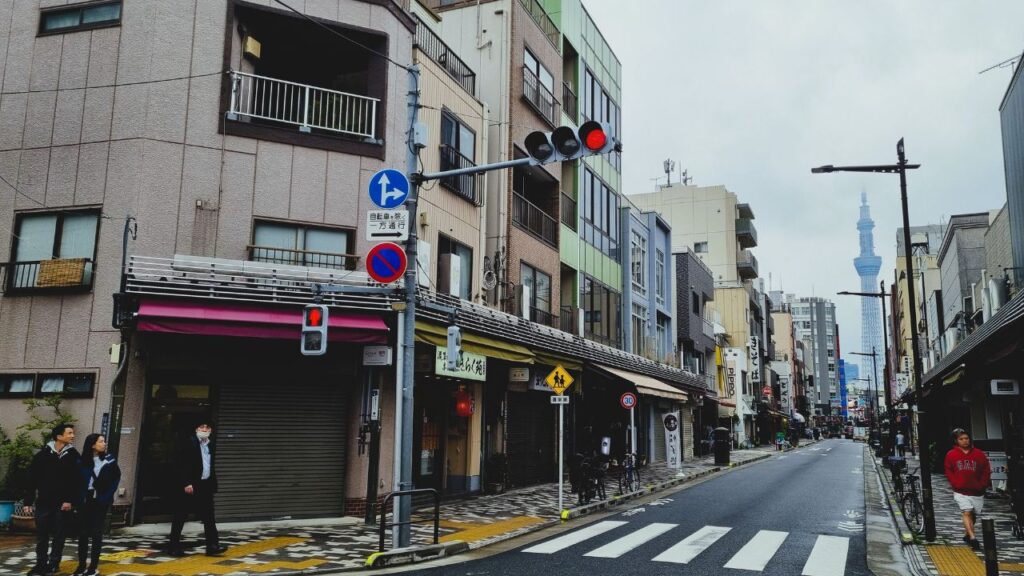
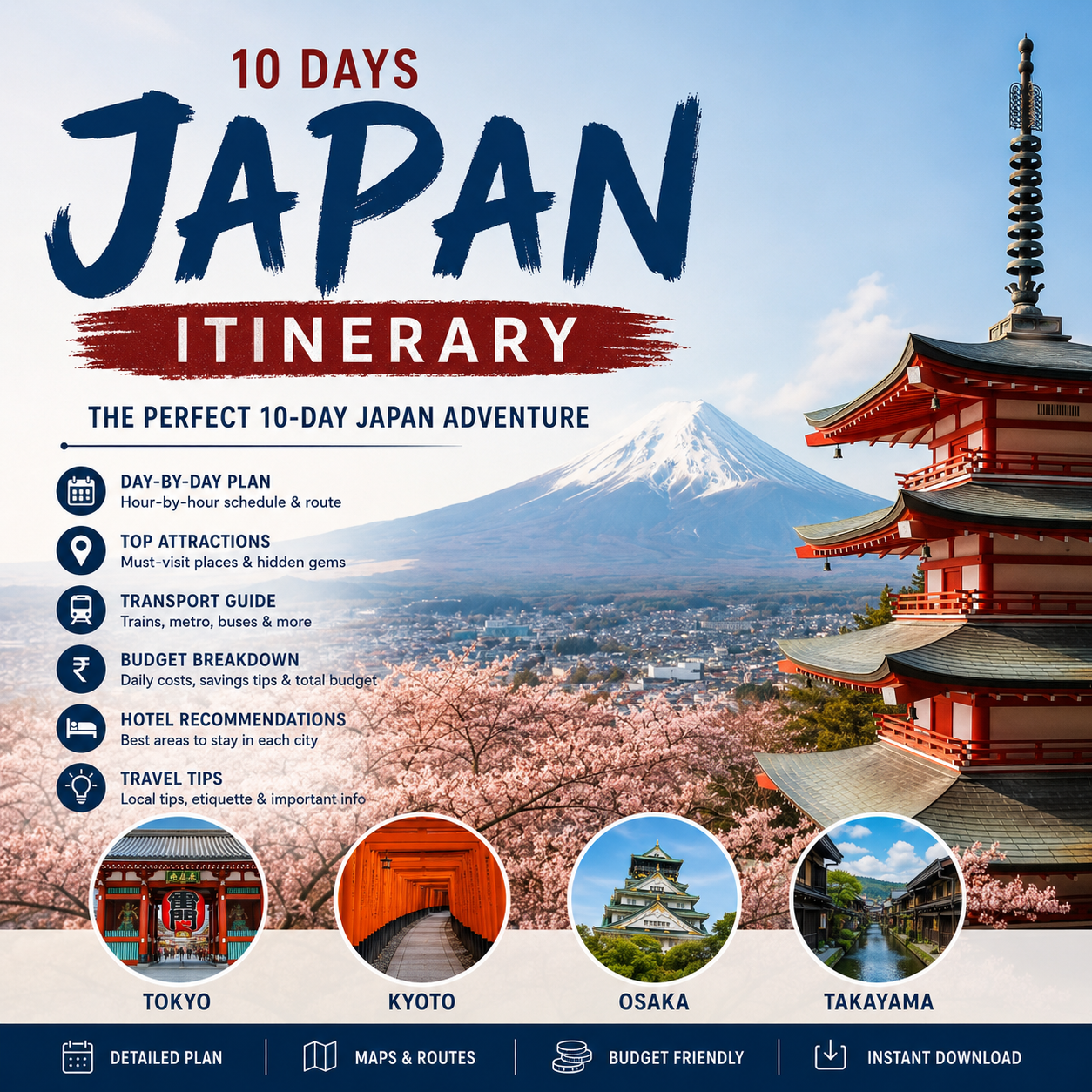
Japan 10 day itinerary for Indian travellers covering Tokyo, Mt Fuji, Kyoto, Nara and Osaka.
Quick answer: This Japan 10 day itinerary covers Tokyo, Hakone, Kyoto, Nara and Osaka, combining futuristic city life, traditional Japan, Mt Fuji, temples, Japanese food and a full day at Universal Studios Japan. The itinerary estimates approximately ₹38,800 per person for the activities and local travel included in the plan, excluding international flights, accommodation and travel insurance.
Planning Japan for the first time can be surprisingly difficult. The country offers an enormous number of attractions, but trying to fit Tokyo, Mt Fuji, Kyoto, Osaka and other destinations into a short holiday can quickly turn into a tiring trip with too much time spent changing trains and moving between hotels.
This Japan 10 day itinerary is designed as a practical first-time route for Indian travellers. It combines Japan’s futuristic side with traditional neighbourhoods, historic temples, natural scenery and some of the country’s best-known food destinations.
The route begins in Tokyo, continues to Hakone and Mt Fuji, then moves to Kyoto, takes a day trip to Nara, and finishes in Osaka, including a full day at Universal Studios Japan.
For travellers looking for more practical planning resources, you can also explore Travel Man Today’s Japan visa guide for Indians and the wider collection of travel itineraries for Indian travellers.
Japan 10 Day Itinerary at a Glance
The itinerary is structured around eight full days of activities, despite being presented as a 10-day Japan journey, with the detailed sightseeing schedule running from Day 1 through Day 8. It is specifically designed for first-time visitors and covers Tokyo, Hakone, Kyoto and Osaka.
| Day | Destination | Main Experiences |
|---|---|---|
| Day 1 | Tokyo | Senso-ji, Asakusa, Tokyo Skytree, Akihabara |
| Day 2 | Tokyo | Meiji Shrine, Harajuku, Shibuya, Shinjuku |
| Day 3 | Mt Fuji & Hakone | Kawaguchiko, Chureito Pagoda, Hakone Ropeway, Lake Ashi, onsen |
| Day 4 | Kyoto | Fushimi Inari, Kiyomizu-dera, Gion |
| Day 5 | Kyoto | Arashiyama Bamboo Grove, Kinkaku-ji, Nishiki Market, Pontocho |
| Day 6 | Nara | Nara Park, deer, Todai-ji, Naramachi |
| Day 7 | Osaka | Osaka Castle, Kuromon Market, Dotonbori |
| Day 8 | Osaka | Universal Studios Japan |
The route also provides suggested accommodation areas across three budgets. In Tokyo, Asakusa is suggested for budget travellers, Shinjuku for mid-range stays and Ginza/Marunouchi for upscale accommodation.
In Hakone, options range from Hakone-Yumoto to Lake Ashi ryokans and luxury ryokans. Kyoto recommendations include the Kyoto Station area, Gion/Higashiyama and the Kamogawa riverside/Nijo area, while Osaka options include Namba, Umeda and the Umeda Sky Building area.
Japan 10 Day Itinerary Day 1: Asakusa, Tokyo Skytree and Akihabara
The first day begins with traditional Tokyo in Asakusa, before moving into the futuristic side of the city.
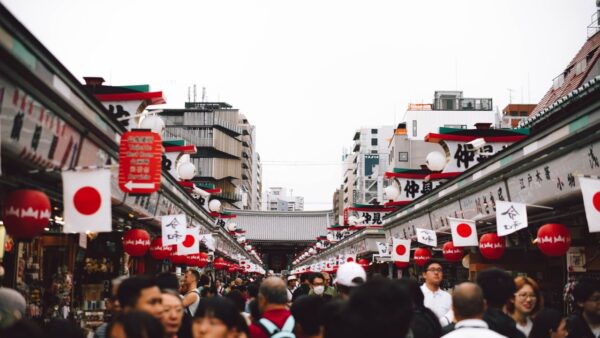
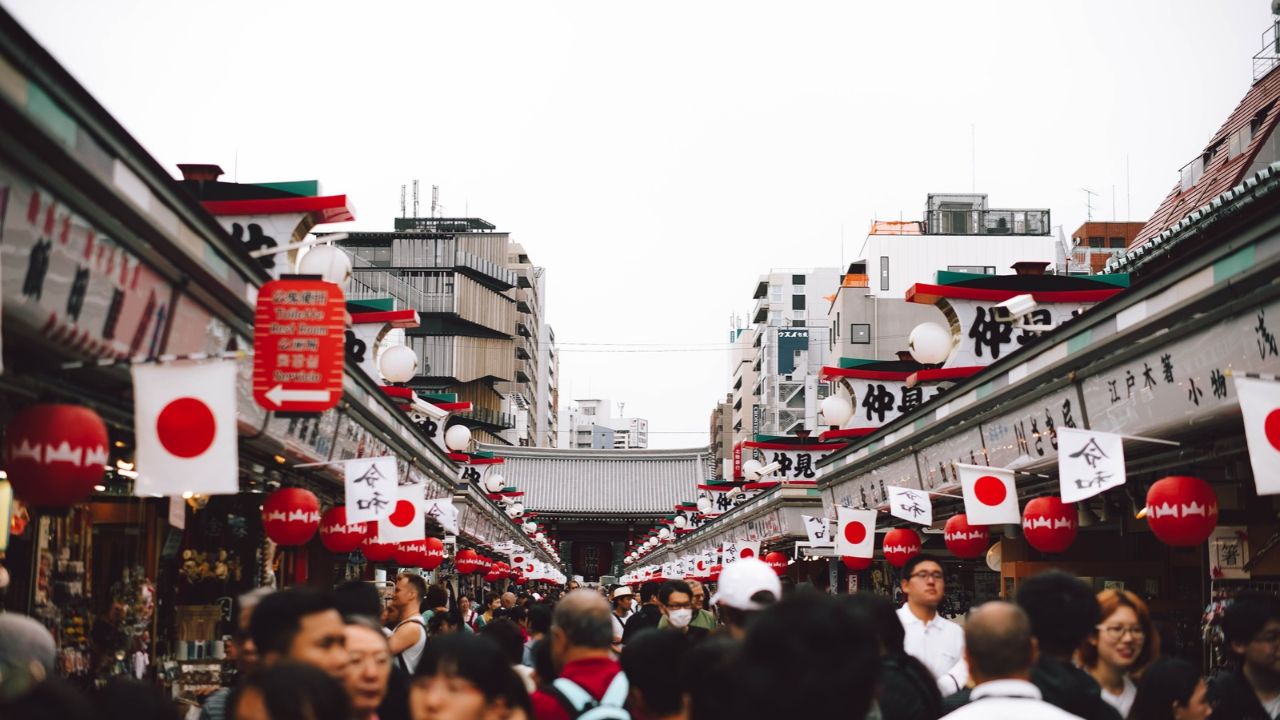
Start at Senso-ji Temple, Tokyo’s oldest and most famous temple. The approach through Kaminarimon Gate and Nakamise-dori provides an introduction to traditional Japanese architecture, snacks and crafts.
The itinerary recommends arriving early because the temple can become considerably busier later in the day.
After lunch around Asakusa, continue to Tokyo Skytree, where observation decks provide panoramic views across the Tokyo metropolitan area.
The evening then shifts completely in character with a visit to Akihabara, Tokyo’s famous centre for anime, manga, electronics and gaming. Travellers can explore multi-storey arcades and themed cafés before returning to their accommodation.
Japan 10 Day Itinerary Day 2: Shibuya, Harajuku and Shinjuku
Day two focuses on modern Tokyo and some of the city’s most recognisable neighbourhoods.
Begin at Meiji Shrine, reached through a peaceful forested approach in the middle of the city. From there, continue to Harajuku and Takeshita Street, known for youth fashion, colourful street style, boutiques and crepe stands.
The afternoon is dedicated to Shibuya, including the famous Shibuya Crossing and Shibuya Sky. The itinerary specifically recommends advance booking for Shibuya Sky, particularly if you want a sunset time slot.
The evening ends in Shinjuku, where Omoide Yokocho offers tiny lantern-lit alleyways and yakitori stalls, followed by the bright neon atmosphere of Kabukicho.
This day provides a very different experience from Day 1, making it a strong introduction to the contrast between Tokyo’s traditional and ultra-modern sides.
Japan 10 Day Itinerary Day 3: Mt Fuji and Hakone
Day three is devoted to one of the most iconic landscapes in Japan: Mt Fuji.
The itinerary starts with travel from Tokyo towards the Fuji Five Lakes region and Lake Kawaguchiko, known for classic views of Mt Fuji reflected in the water. Because the mountain is frequently hidden by cloud, the itinerary recommends an early start for the best chance of clear views.
Next comes Chureito Pagoda, one of Japan’s most photographed viewpoints. The combination of the five-storey pagoda and Mt Fuji creates the classic Japanese landscape that many international travellers associate with the country.
The afternoon is planned around Hakone Ropeway and Lake Ashi, followed by an optional traditional onsen experience.
There is, however, an important planning issue highlighted in the itinerary: Kawaguchiko and Hakone are on opposite sides of Mt Fuji and are approximately 60–80 km apart. The itinerary therefore notes that many visitors choose either Kawaguchiko or Hakone for a single day trip rather than trying to combine both.
This is one of the most useful practical warnings in the itinerary because trying to force both destinations into one day can significantly increase travel time.
Japan 10 Day Itinerary Day 4: Kyoto, Fushimi Inari and Kiyomizu-dera
Day four marks the transition from Tokyo’s modern skyline to Kyoto’s historic atmosphere.
The itinerary recommends taking the Shinkansen from Tokyo to Kyoto, with the journey taking under three hours.
Once in Kyoto, head to Fushimi Inari Shrine, famous for its thousands of vibrant vermillion torii gates winding through the forested mountainside.
The full trail can take two to three hours, although the itinerary notes that even walking through the first section provides a rewarding experience.
Later, visit Kiyomizu-dera, the famous hillside temple offering panoramic views across Kyoto.
The evening continues through Gion, Kyoto’s traditional geisha district. Travellers are specifically advised to be respectful, avoid blocking paths and not photograph geiko without permission.
Japan 10 Day Itinerary Day 5: Arashiyama and Kinkaku-ji
Day five explores another side of Kyoto, beginning at the Arashiyama Bamboo Grove.
The towering bamboo creates one of Kyoto’s most recognisable landscapes, and the itinerary recommends arriving early for a quieter and more atmospheric experience.
After the bamboo grove, walk towards Togetsukyo Bridge and enjoy lunch beside the river, with views of the surrounding mountains.
The afternoon brings a visit to Kinkaku-ji, better known as the Golden Pavilion. The temple’s upper floors are covered in gold leaf and are reflected in the surrounding pond.
Finish the day at Nishiki Market, often referred to as “Kyoto’s Kitchen”, before exploring Pontocho Alley, a narrow atmospheric dining street alongside a canal.
Japan 10 Day Itinerary Day 6: Nara Day Trip
Day six is a relatively gentle excursion to Nara, one of Japan’s oldest and most historic cities.
The journey from Kyoto or Osaka takes approximately 45 minutes by train. From the station, travellers can walk towards Nara Park, where hundreds of semi-wild deer roam freely.
The deer are one of Nara’s most famous attractions, and visitors can purchase special crackers from vendors in the park.
Continue to Todai-ji Temple, home to one of the world’s largest bronze Buddha statues inside a vast wooden temple building.
The afternoon is spent exploring Naramachi, the city’s historic merchant district, where traditional wooden buildings now house cafés and craft shops.
Japan 10 Day Itinerary Day 7: Osaka Castle, Kuromon Market and Dotonbori
Day seven brings travellers to Osaka, often described in the itinerary as Japan’s food capital.
The day begins with Osaka Castle, one of the city’s best-known landmarks. The castle sits within a large park and houses a museum detailing its history.
Afterwards, head to Kuromon Ichiba Market, a historic food market known for seafood, wagyu skewers and street food.
The evening is reserved for Dotonbori, Osaka’s neon-lit entertainment district. This is the place to sample two of Osaka’s signature dishes: takoyaki and okonomiyaki.
For travellers who want to experience Japan through food, this is likely to be one of the highlights of the entire route.
Japan 10 Day Itinerary Day 8: Universal Studios Japan
The final sightseeing day is devoted entirely to Universal Studios Japan (USJ).
The itinerary recommends allowing most of the day for the park, with the schedule running from approximately 8:30 AM to 6:00 PM.
Major attractions highlighted in the itinerary include Super Nintendo World, The Wizarding World of Harry Potter, Jurassic Park and Minion Park.
An important practical tip is to consider purchasing an Express Pass, particularly if visiting during a busy period and if you want to experience the most popular rides without spending as much time in queues.
The day can end with dinner around Universal City Station before returning to the hotel.
How Much Does a 10 Day Japan Trip Cost?
The itinerary provides a day-by-day estimate of activities and local travel. The total comes to approximately ₹38,800 per person, but this should not be confused with the complete cost of a Japan holiday.
The source specifically states that these estimates exclude international flights, accommodation and travel insurance.
| Day | Approx. Cost | Approx. INR |
|---|---|---|
| Day 1 – Tokyo | USD 50–60 | ₹4,500 |
| Day 2 – Tokyo | USD 50–60 | ₹4,500 |
| Day 3 – Mt Fuji & Hakone | USD 75–90 | ₹6,500 |
| Day 4 – Kyoto | USD 45–55 | ₹4,000 |
| Day 5 – Kyoto | USD 40–50 | ₹3,800 |
| Day 6 – Nara | USD 30–40 | ₹2,800 |
| Day 7 – Osaka | USD 45–55 | ₹4,200 |
| Day 8 – Universal Studios Japan | USD 95–110 | ₹8,500 |
| Estimated total | — | Approx. ₹38,800 |
The most expensive day in the itinerary is Day 8 because of Universal Studios Japan, while the Mt Fuji and Hakone day is the second-highest estimated daily cost.
Where Should You Stay in Japan?
The itinerary recommends neighbourhoods rather than individual hotels because accommodation availability and prices change frequently.
Tokyo
For budget travellers, Asakusa is recommended because of its traditional atmosphere, budget-friendly hotels and proximity to Senso-ji.
For mid-range accommodation, Shinjuku provides excellent transport connections alongside restaurants and nightlife.
For upscale travellers, Ginza/Marunouchi offers luxury hotels in one of Tokyo’s most prestigious shopping and business districts.
Hakone
Hakone-Yumoto is suggested for budget travellers, while the Lake Ashi area offers traditional ryokans with onsen baths and possible Mt Fuji views.
For a luxury experience, travellers can consider high-end Hakone ryokans with private onsen and kaiseki dining.
Kyoto
The Kyoto Station area is practical for budget travellers and those planning day trips.
For a more traditional atmosphere, Gion/Higashiyama places travellers close to Kiyomizu-dera and Kyoto’s famous historic streets.
Upscale travellers can consider the Kamogawa riverside or Nijo area.
Osaka
For budget travellers, Namba is particularly convenient for Dotonbori and central Osaka.
Umeda is recommended for mid-range accommodation because of its excellent train connections and shopping.
The Umeda Sky Building area provides upscale accommodation with skyline views and convenient access to Namba and Universal Studios Japan.
Practical Tips for Indian Travellers Visiting Japan
One of the most useful recommendations in the itinerary is getting an IC transit card. The source specifically mentions cards such as Suica and Pasmo as tools that can make public transport easier.
Travellers should also carry some cash. Although cards are widely accepted, the itinerary notes that smaller shops, temples and rural areas may still accept cash only. ATMs are widely available in cities.
Popular attractions should be booked ahead wherever possible. Theme parks, observation decks and popular restaurants can require advance booking, particularly during weekends and holidays.
Japanese etiquette is another important consideration. The itinerary recommends queuing politely, keeping noise down on public transport and following posted rules at temples and shrines.
Japan Visa for Indian Passport Holders
The itinerary itself does not provide detailed Japan visa requirements for Indian passport holders. It simply recommends checking the current visa requirements well before departure.
For readers looking specifically for Japan visa information, Travel Man Today’s separate Japan visa guide for Indian travellers can be linked here.
Pack According to the Season
Japan’s weather can vary significantly depending on the destination and season. This is particularly important on a route that moves from Tokyo to Hakone, Kyoto and Osaka.
The itinerary recommends checking forecasts for each city and packing layers accordingly.
FAQs — Japan 10 Day Itinerary
Q: Is 10 days enough for Japan?
This itinerary is designed specifically as an introduction to Japan for first-time visitors. It combines Tokyo, Hakone, Kyoto, Nara and Osaka, allowing travellers to experience major urban, cultural and natural highlights within a compact route.
Q: Which cities are included in this Japan 10 day itinerary?
The main bases are Tokyo, Hakone, Kyoto and Osaka, with Nara and the Mt Fuji area included as day-trip experiences.
Q: How much does this Japan itinerary cost?
The itinerary estimates approximately ₹38,800 per person for the activities and local travel included in the eight sightseeing days. International flights, accommodation and travel insurance are excluded.
Q: Should I visit both Mt Fuji and Hakone in one day?
The itinerary highlights an important logistical issue: Kawaguchiko and Hakone are on opposite sides of Mt Fuji and are approximately 60–80 km apart. It notes that many visitors choose one or the other for a day trip rather than trying to combine both.
Q: Is Universal Studios Japan included?
Yes. The final sightseeing day is dedicated entirely to Universal Studios Japan, including Super Nintendo World, Harry Potter’s Wizarding World, Jurassic Park and Minion Park.
Final Word
This Japan 10 day itinerary is designed to give first-time visitors a broad introduction to the country without trying to cover too many regions.
Tokyo provides the futuristic urban experience, while Hakone and the Mt Fuji region introduce Japan’s natural scenery. Kyoto brings temples, shrines and traditional neighbourhoods, Nara adds another layer of history, and Osaka finishes the journey with food, nightlife and Universal Studios Japan.
For Indian travellers, the biggest advantage of this route is the variety. Within a relatively compact journey, you can experience Senso-ji and Akihabara, Shibuya and Shinjuku, Mt Fuji and an onsen, Fushimi Inari and Kiyomizu-dera, Nara’s deer, Osaka’s street food and Universal Studios Japan.
The estimated ₹38,800 per-person cost is a useful starting point for sightseeing and local expenses, but travellers should remember that accommodation, international flights and travel insurance are outside this calculation.
If this is your first trip to Japan, this route provides a strong balance of modern Japan, traditional Japan, nature, food and entertainment — without requiring you to constantly change destinations. Visit Japan
Also Read:
- Japan Visa Cover Letter Indians: Complete Sample Format and Checklist
- Japan Haneda Airport Rules: 30-Minute Checked Baggage Deadline
- ANA Japan Flights India 2026: Hello Blue Sale
 Thailand Airport Baggage Rule 2026: Checked Bags Can Now Be Opened Without You

Japan Travel Rules 2026: Tax-Free Changes and Kyoto Luggage Ban Explained
Thailand DTV Visa India Self-Application: Travel Agent Gets Approved in 26 Days Without an Agent
US Ebola Entry Ban 2026: 3 African Countries Restricted Until November

Thailand Airport Baggage Rule 2026: Checked Bags Can Now Be Opened Without You
Japan Travel Rules 2026: Tax-Free Changes and Kyoto Luggage Ban Explained
Thailand DTV Visa India Self-Application: Travel Agent Gets Approved in 26 Days Without an Agent
US Ebola Entry Ban 2026: 3 African Countries Restricted Until November

Aaseem Bhardwaj is a journalist, seasoned traveler and IT professional based in India. With firsthand travel experience across Southeast Asia, East Asia, Middle East and Europe, Aaseem founded Travel Man Today to provide reliable visa updates and travel news for Indian passport holders. He has personally traveled to Thailand, Vietnam, Malaysia, Japan, Singapore, Hong Kong, South Korea, UAE and Europe. Follow his travel vlogs on YouTube at @travelmantoday



Templates for Indians