TAT Year-End Budget 2026: Thailand Targets 33 Million Tourists with Key India Push
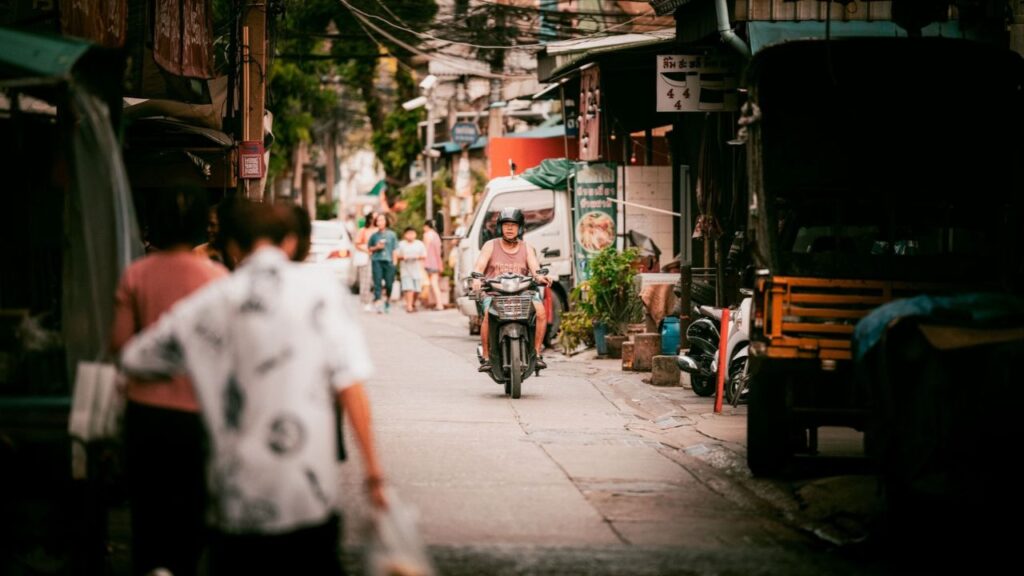
TAT year-end budget 2026 earmarks funds for key foreign markets including India, as Thailand races to hit 33 million arrivals by December 2026 with an events-led strategy and “Amazing Thailand: Healing is the New Luxury” positioning.
TAT year-end budget 2026 has been earmarked for high-impact foreign market campaigns as Thailand’s Tourism Authority races to hit 33 million international arrivals before December 31 — with Indian tourists identified as a key recovery market after a 2.46% decline in the first nine months of 2026.
TAT year-end budget 2026 is being deployed across a strategy that combines marquee events, long-haul market offensives, and targeted cultural promotions aimed at bringing back Indian visitors who dropped away following visa-exemption changes in September 2026. TAT Governor Thapanee Kiatphaibool confirmed the authority is pushing hard in the final quarter, noting that reaching the 33 million arrival target requires approximately 9.8 million foreign arrivals in Q4 alone — an ambitious but achievable target given strong advance bookings from Europe and the Americas. The overarching brand positioning for international markets, “Amazing Thailand: Healing is the New Luxury,” underpins all foreign outreach in this period.
TAT Year-End Budget 2026: Revenue Targets and Current Arrivals
TAT year-end budget 2026 sits inside a broader 2026 tourism revenue target of 2.7 trillion baht (approximately ₹6.5 lakh crore), of which 1.6 trillion baht (approximately ₹3.9 lakh crore) is expected from international tourism alone. The authority’s declared floor target is 7% growth over the 2025 baseline of 2.6 trillion baht, with a stretch goal of 3 trillion baht (approximately ₹7.3 lakh crore) set for 2027 — close to Thailand’s 2019 pre-pandemic peak. Through January to September 2026, foreign tourism arrivals totalled 23.2 million, down 3.8% year-on-year, and foreign tourism revenue fell 2.26% to 1,142.5 billion baht (approximately ₹2.78 lakh crore). The Q4 campaign push is designed to close this gap before the year ends.
| TAT Year-End Budget 2026 — Key Tourism Targets | Figure |
|---|---|
| Total 2026 tourism revenue target | 2.7 trillion baht (≈ ₹6.5 lakh crore) |
| International tourism revenue target | 1.6 trillion baht (≈ ₹3.9 lakh crore) |
| Domestic tourism revenue target | 1.1 trillion baht (≈ ₹2.7 lakh crore) |
| Foreign arrivals target 2026 | 33 million |
| Arrivals Jan–Sep 2026 (actual) | 23.2 million (-3.8%) |
| Q4 arrivals needed to hit target | ~9.8 million |
| 2027 stretch revenue goal | 3 trillion baht (≈ ₹7.3 lakh crore) |
TAT Year-End Budget 2026: India Is the Third-Largest Market — and a Priority
TAT year-end budget 2026 specifically targets Indian tourists, who make up Thailand’s third-largest source market. India sent 1,727,437 tourists to Thailand in January to September 2026 — but that figure represents a 2.46% decline compared to the same period last year. TAT Governor Kiatphaibool attributed part of this drop to the transition between visa-exemption schemes: Thailand revised its visa-free scheme in September 2026, allowing visitors from 60 countries to stay up to 30 days, down from the previous 93-country, 60-day arrangement. The new scheme, which took effect on 15 September 2026, technically reduced the length of stay Indians could enjoy without a visa.
To reverse the decline, TAT year-end budget 2026 includes targeted promotions around Diwali festivals in Bangkok and other major Thai cities, specifically designed to attract Indian families and groups during the festive travel season. India is one of the most price-sensitive and culturally engaged source markets for Thailand, and promoting Indian cultural events within Thailand is a proven draw. For Indian travelers, Thailand remains one of the most accessible and affordable international destinations from cities like Delhi, Mumbai, Chennai, and Bangalore, with return flights starting from approximately ₹12,000–₹25,000 depending on season and airline.
| India–Thailand Tourism — Jan to Sep 2026 | Figures |
|---|---|
| Indian arrivals to Thailand | 1,727,437 |
| Year-on-year change | -2.46% |
| India’s rank among source markets | 3rd largest |
| Visa-free stay (from Sep 15, 2026) | 30 days |
| Previous visa-free stay | 60 days |
| Countries in visa-free scheme | 60 (down from 93) |
Year-End Events Driving TAT’s Q4 Push
TAT year-end budget 2026 is backed by an impressive lineup of events designed to draw both leisure and experiential travelers to Thailand between October and December. The Royal Barge Procession took place on 6 November 2026 — a rare, visually spectacular cultural event along the Chao Phraya River that has historically drawn significant international attention. Loy Krathong celebrations across the country, particularly in Chiang Mai and Bangkok, are another major draw for international visitors who plan trips specifically to coincide with the festival.
The December calendar is especially strong for TAT’s foreign market strategy. Tomorrowland Thailand in Chon Buri (December 11–13) and Electric Daisy Carnival (EDC) Thailand in Phuket bring in a younger, high-spending international audience. The Wonderfruit festival (December 3–7) attracts a wellness-oriented, premium-spending crowd from across Asia and Europe. For the MICE sector, the Annual Global Wellness Summit (November 10–13) adds high-value business visitors to the mix. The combined September–December 2026 programme has been branded “The Year of Transformation” — a reflection of TAT’s intent to reposition Thailand as a premium, healing-focused destination rather than just a budget holiday.
TAT’s Four-Strategy Framework for 2026 Foreign Markets
TAT year-end budget 2026 sits within a four-pillar strategic framework that the authority unveiled for 2026: Rebalance Market Portfolio (reducing over-dependence on any single source market, particularly China), Shape Experience Platform (promoting wellness, nature, and cultural tourism over mass-market package tours), Build New Growth Engine (investing in long-haul markets from Europe and the Americas, which now show very strong advance booking data), and Transform Together (working with private sector partners, hotels, airlines, and destinations to deliver consistent quality).
Long-haul markets are performing well, with Europe and the Americas showing strong forward bookings for Q4 and early 2027. The Middle East market, which had been declining, saw its year-on-year drop narrow to just 6.5%, and TAT expects it to return to growth by end-2026. Saudi Arabian visitors are particularly valued — they typically spend approximately 110,000 baht (approximately ₹2.68 lakh) per person per trip and stay 10–12 days. China remains the largest individual source market, with 3,935,434 arrivals in January–September 2026, up 15.16% year-on-year — a bright spot in an otherwise mixed picture.
Practical Tips for Indian Travelers Planning a Thailand Trip Q4 2026
1 — Book now for December. December is Thailand’s peak season — cool, dry weather and major events mean flights and hotels fill fast. Return fares from Delhi or Mumbai to Bangkok are cheapest booked 6–8 weeks out. Carry USD or convert to Thai baht — UPI does not work in Thailand, and Thai merchants rarely accept Indian payment apps.
2 — Check your visa-free allowance. Under Thailand’s revised scheme effective 15 September 2026, Indian passport holders qualify for 30-day visa-free entry. If you plan to stay longer than 30 days, apply for a Thailand Tourist Visa or the Destination Thailand Visa (DTV) in advance. Do not overstay — fines are steep.
3 — Festivals to plan around. Loy Krathong (mid-November) is stunning in Chiang Mai — the Yi Peng lantern festival coincides with it and is worth planning a trip specifically for. Tomorrowland Thailand (December 11–13 in Pattaya/Chon Buri) is a world-class music festival worth considering for younger travelers.
4 — Best value routes from India. IndiGo, Thai AirAsia, and Thai Smile operate competitive fares from Delhi (IGI), Mumbai (BOM), Bangalore (BLR), and Chennai (MAA) to Bangkok’s Suvarnabhumi (BKK) or Don Mueang (DMK) airports. Book direct to Phuket or Chiang Mai if your itinerary takes you there.
FAQs — TAT Year-End Budget 2026
Q1: Why are Indian tourist numbers to Thailand down in 2026?
Indian arrivals to Thailand fell 2.46% in January–September 2026 to 1,727,437, according to TAT data. TAT’s own governor partly attributed the decline to the transition between visa-exemption schemes — Thailand revised its visa-free arrangement in September 2026, reducing the allowed stay for Indian passport holders from 60 days to 30 days and cutting the number of eligible countries from 93 to 60. TAT year-end budget 2026 specifically targets this recovery through Diwali-themed promotions and Q4 cultural campaigns.
Q2: What is Thailand’s total tourism revenue target for 2026?
TAT year-end budget 2026 sits within Thailand’s overall 2026 tourism revenue target of 2.7 trillion baht (approximately ₹6.5 lakh crore), with 1.6 trillion baht (₹3.9 lakh crore) from international visitors. TAT Governor Thapanee Kiatphaibool confirmed the authority is targeting at least 7% revenue growth over 2025, with an eye on reaching 3 trillion baht by 2027 — close to Thailand’s pre-pandemic peak. The 33 million foreign arrivals target requires approximately 9.8 million visitors in Q4 alone.
Q3: Which events is TAT promoting for year-end 2026?
TAT year-end budget 2026 is backed by a strong Q4 events calendar: the Royal Barge Procession (November 6), Loy Krathong festivals nationwide, Wonderfruit (December 3–7), Tomorrowland Thailand (December 11–13 in Chon Buri), and Electric Daisy Carnival in Phuket. For business tourism, the Annual Global Wellness Summit (November 10–13) adds MICE visitors to the mix. These events support TAT’s “Amazing Thailand: Healing is the New Luxury” international brand positioning for 2026.
Final Word
TAT year-end budget 2026 is an aggressive push to close a gap: 23.2 million arrivals through September means Thailand needs nearly 10 million more visitors in Q4 to hit its 33 million target. The good news for Indian travelers is that this pressure makes Thailand more competitive — expect stronger promotions, festival-focused campaigns, and competitive flight deals from Indian cities through December. The 30-day visa-free allowance is in place, the events calendar is excellent, and the baht’s current strength means your rupee stretches decently. Thailand’s year-end season remains one of the best-value international trips available to Indian passport holders.
Also Read:
- Thailand Visa Free 30 Days 2026: Complete Entry Guide for Indians
- ASEAN India Shoppers Thailand 2026: What It Means for Indian Travelers
- Thailand Travel 2026 New Rules: Essential Updates for Indians
Official Sources:
- Nation Thailand — TAT Turns to Events for 33m Foreign Tourists in 2026
- Nation Thailand — TAT Targets 2.7 Trillion Baht in 2026
 TAT Year-End Budget 2026: Thailand Targets 33 Million Tourists with Key India Push
flydubai Saudi Arabia Flights 2026: Riyadh, Abha Suspended — Indians Affected

Nepal Bhutan Travel Rules 2026: MHA Issues New Passport and ID Guidelines

Dubai Tourist Visa 2026: Visit Dubai Portal Now Accepts Applications
TAT Year-End Budget 2026: Thailand Targets 33 Million Tourists with Key India Push
flydubai Saudi Arabia Flights 2026: Riyadh, Abha Suspended — Indians Affected
Nepal Bhutan Travel Rules 2026: MHA Issues New Passport and ID Guidelines
Dubai Tourist Visa 2026: Visit Dubai Portal Now Accepts Applications

Aaseem Bhardwaj is a journalist, seasoned traveler and IT professional based in India. With firsthand travel experience across Southeast Asia, East Asia, Middle East and Europe, Aaseem founded Travel Man Today to provide reliable visa updates and travel news for Indian passport holders. He has personally traveled to Thailand, Vietnam, Malaysia, Japan, Singapore, Hong Kong, South Korea, UAE and Europe. Follow his travel vlogs on YouTube at @travelmantoday




Templates for Indians