Japan Travel Scams 2026: Critical Warning for Indian Tourists in Tokyo
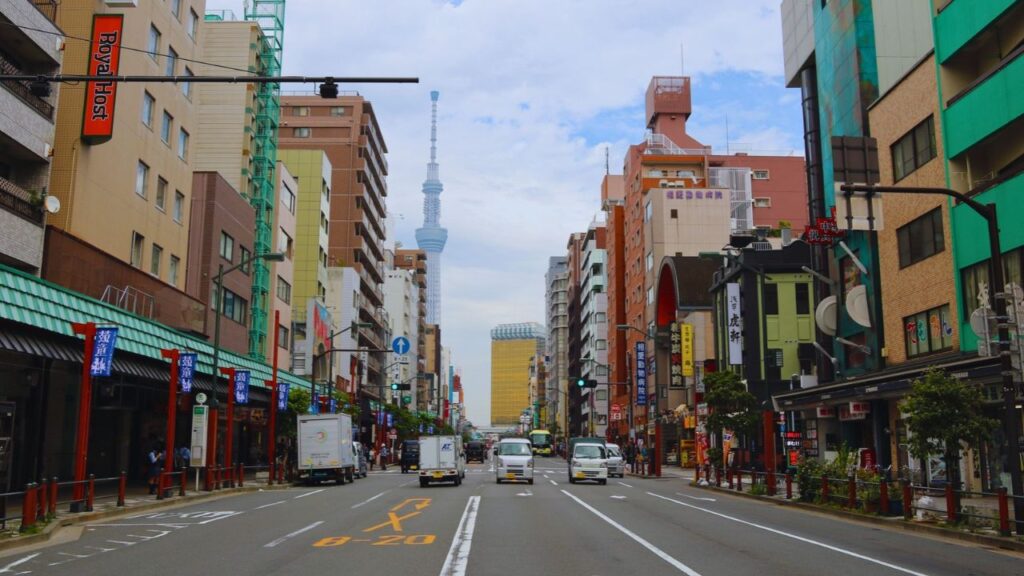
Japan travel scams 2026 are targeting tourists in Tokyo’s busiest areas — from fake Buddhist monks at Senso-ji Temple to fraudulent Visit Japan Web portals harvesting passport data before Indian travelers even board their flight.
Japan travel scams 2026 are on the rise in Tokyo’s most popular tourist areas — and Indian visitors need to know exactly what to watch for before they land. From fake Buddhist monks at Senso-ji Temple to currency switching at street food markets and honeypot extortion traps on dating apps, the scams targeting foreign tourists in Japan in 2026 are sophisticated, aggressive, and specifically designed to exploit visitors who assume Japan is universally safe.
Japan is an overwhelmingly honest country — but these specific schemes prey on that very assumption, catching tourists off guard precisely because they let their guard down.
Japan travel scams 2026 include five distinct schemes that have been reported with growing frequency in Tokyo’s high-traffic zones: the fake Buddhist monk donation trap, the honeypot romantic extortion scheme, the 500-won coin switch at markets, fake Visit Japan Web portals charging illegal fees, and false Chikan (groping) accusations on packed commuter trains.
Each of these Japan travel scams 2026 targets a different vulnerability — your goodwill, your loneliness, your inattention to coins, your pre-trip research habits, or your physical position on a crowded train. This guide covers all five in detail with specific advice for Indian travelers on how to avoid each one.
Japan Travel Scams 2026: The Fake Buddhist Monk Donation Trap
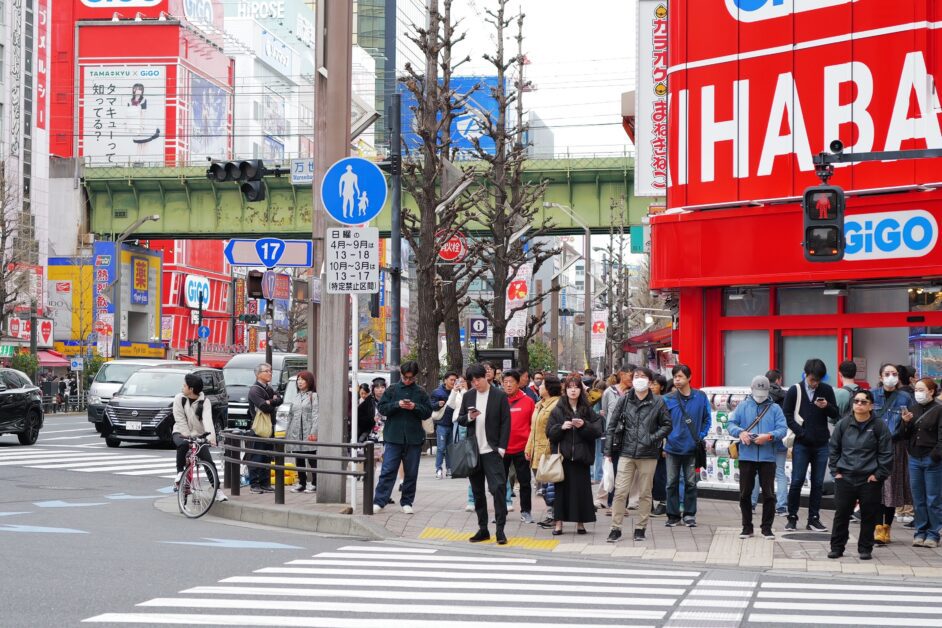
Japan travel scams 2026 begin before many tourists even realise something is wrong — the fake monk scheme is designed to feel like a blessing, not a scam. A man dressed in traditional Buddhist robes approaches you in high-traffic tourist zones — most commonly around Senso-ji Temple in Asakusa, Ueno Park, or Akihabara.
He smiles warmly, hands you a small gold amulet, a token, or prayer beads, and wishes you a blessed trip in halting English. The gesture feels genuine and culturally meaningful, particularly for Indian tourists who are accustomed to temple priests offering blessings.
The moment you accept the item, everything changes. His demeanour shifts immediately and he begins aggressively demanding a cash “donation” — typically between 1,000 and 5,000 yen (approximately ₹550 to ₹2,750). If you attempt to return the item, he will refuse to take it back and will follow you closely, creating public pressure to pay.
The critical fact to remember about Japan travel scams 2026 of this type: legitimate Japanese Buddhist monks do not approach tourists on the street, do not hawk religious items, and do not solicit cash donations from visitors. If a robed individual approaches you proactively with a gift, do not accept it. Keep walking, do not make eye contact, and do not take anything from their hands.
Japan Travel Scams 2026: The Honeypot Extortion Trap
Japan travel scams 2026 have expanded into digital territory — the honeypot scheme now begins on dating apps before it escalates in person. An attractive individual matches with a solo tourist on Tinder, Bumble, or a similar app, or strikes up a conversation at a trendy bar in Shinjuku, Roppongi, or Shibuya. They show intense romantic interest very quickly and invite the tourist back to a private hotel room. The tourist, flattered and relaxed, agrees.
Shortly after arriving at the room, an aggressive man bursts in claiming to be the woman’s husband, boyfriend, or protective father. He accuses the tourist of sleeping with a committed partner or — in a more extreme version — alleges that the woman is underage, threatening to call the police unless an immediate large cash settlement is paid to “resolve the matter privately.
” The threat of Japanese police involvement, in a foreign country where the tourist does not speak the language and fears legal consequences, creates enormous pressure to pay. This is among the most financially damaging of Japan travel scams 2026 — reported settlements range from ¥50,000 to several hundred thousand yen. The rule is absolute: never go to an isolated, private venue or hotel room with a stranger you just met, regardless of how genuine the connection feels.
| Japan Travel Scams 2026 — Quick Reference Guide | Scam | Location | Red Flag | Defence |
|---|---|---|---|---|
| Fake Buddhist Monk | Senso-ji, Ueno Park, Akihabara | Robed man hands you an item | Never accept unsolicited gifts | |
| Honeypot Extortion | Dating apps, Shinjuku/Roppongi bars | Too-fast romantic interest | Never go to a private room with a stranger | |
| 500-Won Coin Switch | Street food markets, crowded shops | Change includes unfamiliar coin | Check change before leaving the stall | |
| Fake Visit Japan Web | Online (before arrival) | Website charges a fee | Official site is free — vjw.digital.go.jp | |
| False Chikan Accusation | Packed commuter trains | Sudden accusation of groping | Keep both hands visible and elevated |
Japan Travel Scams 2026: The 500-Won Currency Switch
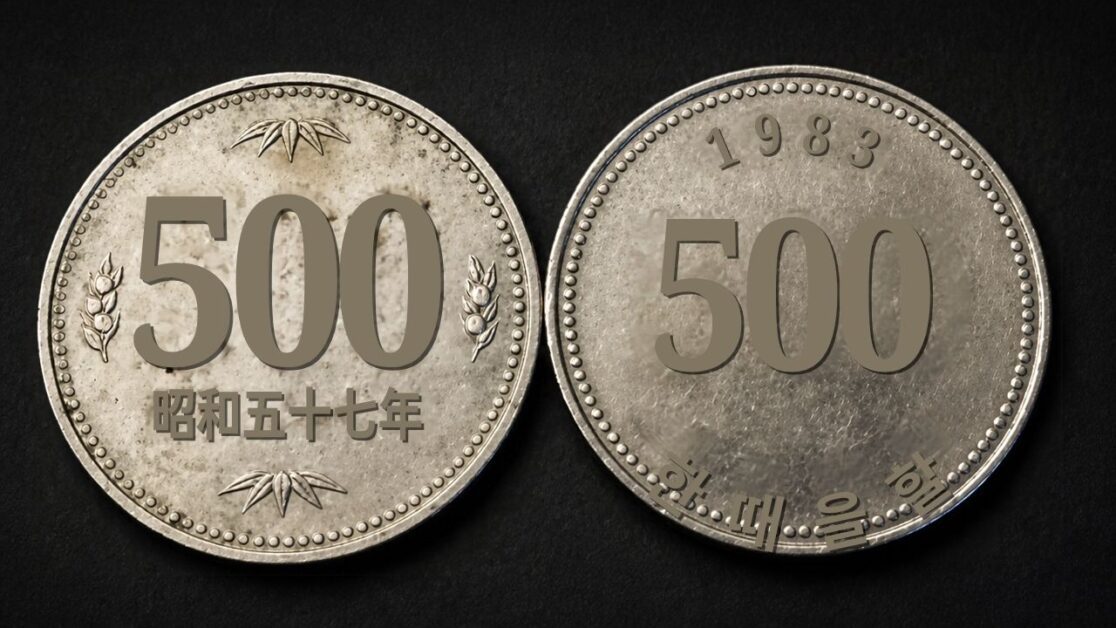
Japan travel scams 2026 include one that operates entirely on physical resemblance — the 500-won coin switch is so effective because the coin itself looks nearly identical to a genuine Japanese 500-yen coin.
When you buy street food or small souvenirs at a crowded market and pay with a large cash note, the vendor returns your change with a South Korean 500-won coin mixed in among genuine Japanese coins. The two coins are almost identical in size, weight, and metallic colour, making them extraordinarily easy to confuse at a glance, especially in a busy, noisy market environment.
The financial damage is significant: a 500-yen coin is worth approximately ₹275, while a 500-won coin is worth barely ₹28 — roughly one-tenth of the value. For Indian tourists who are not familiar with Japanese coinage, this substitution is very easy to miss.
The defence is simple but requires a moment of discipline: always count and examine your change before walking away from any stall or street vendor. A genuine 500-yen coin has a distinctive gold and silver two-tone appearance with a latent image of “500” visible at an angle — take five seconds to look at every large coin you receive before pocketing it.
Japan Travel Scams 2026: Fake Visit Japan Web Portals
Japan travel scams 2026 begin for some Indian travelers before they even board their flight. Japan’s mandatory digital immigration and customs declaration system — the official Visit Japan Web service — has been cloned by scammers into highly accurate fake websites and fraudulent mobile apps.
These clone portals masquerade as the official government service and charge processing fees ranging from USD 30 to USD 100 (approximately ₹2,500 to ₹8,400) while simultaneously logging your passport data and credit card details for further fraud.
The key facts every Indian traveler must memorise before arriving in Japan: the actual official Visit Japan Web is completely free — there is no processing fee of any kind. The official URL is vjw.digital.go.jp. There is no official Visit Japan Web mobile application available on the App Store or Google Play — any app claiming to be an official Visit Japan Web app is fraudulent.
Book your arrival registration only through the official government website, accessed by typing the URL directly into your browser rather than clicking a link in an email or search result. These Japan travel scams 2026 targeting pre-arrival are particularly dangerous because they also harvest passport numbers and biometric data.
Watch my video on Japan Web Registration
Japan Travel Scams 2026: False Chikan Accusation on Trains
Japan travel scams 2026 include one scheme that operates in Japan’s most iconic environment — the notoriously packed Tokyo commuter train. During peak morning hours, a scammer (often operating with an unseen accomplice who positions them against you) will deliberately place themselves beside a foreign male tourist in a densely crowded train carriage.
During the standard jostling and physical contact that is unavoidable in a packed train, the scammer suddenly shouts an accusation that the tourist touched them inappropriately — using the Japanese word “Chikan” (痴漢), which refers to groping on public transport.
The accusation draws immediate attention from other passengers. Outside the station, the scammer then demands an immediate out-of-court cash settlement to “drop the charges” before police are involved. For Indian tourists unfamiliar with Japanese law and terrified of arrest in a foreign country without language support, the pressure is immense.
The defence is known, practised, and effective: when riding any densely packed Japanese commuter train, keep both hands visible and elevated at all times — holding an overhead ring, a hanging strap, or your phone at chest level. Zero ambiguity about hand position is the complete defence against this specific accusation. Never settle out of court — if a genuine complaint is made, it goes through official police channels, and legitimate accusations are handled by station staff.

Practical Safety Tips for Indian Travelers in Japan 2026
1 — Always carry some yen cash. Japan remains heavily cash-based outside major tourist hotels and department stores. UPI does not work in Japan — carry Japanese Yen (JPY) exchanged from India before departure or withdrawn from Japan Post Bank or 7-Eleven ATMs, which reliably accept international Visa and Mastercard. Having yen on hand avoids the pressure to break large notes at crowded street stalls where the coin switch is most likely.
2 — Save the Indian Embassy in Tokyo contact details. Indian Embassy Tokyo: +81-3-3262-2391. If you are caught in any of the Japan travel scams 2026 described above and face police involvement or extortion demands, call the embassy immediately — do not pay any cash settlement to any individual outside of an official legal process.
3 — Flights from India to Tokyo. Air India, IndiGo, All Nippon Airways (ANA), Japan Airlines (JAL), and Singapore Airlines operate routes from Delhi (DEL), Mumbai (BOM), Chennai (MAA), and Bangalore (BLR) to Tokyo Narita (NRT) and Tokyo Haneda (HND). Indian passport holders require a Japan visa — apply through the Japan Consulate or VFS Global in India well in advance.
4 — Download Google Translate with Japanese offline pack. In any confrontation or confusing situation, being able to show a translated message on your phone gives you the ability to communicate with station staff or police directly. Download the Japanese language pack before departure so it works without data.
5 — Use only licensed taxis or Uber. Unlicensed taxi touts operate near Shinjuku and Roppongi late at night and are associated with separate fare scams. Use official green-licensed taxis, the Japan Taxi app, or Uber Japan for all late-night travel.
FAQs — Japan Travel Scams 2026
Q1: Are fake Buddhist monks a real problem in Tokyo and how should Indian tourists handle them?
Yes — Japan travel scams 2026 include the fake monk scheme as one of the most commonly reported tourist scams in Asakusa, Ueno, and Akihabara. A man in Buddhist robes approaches tourists, hands them a religious item, and demands cash once it is accepted.
Legitimate Japanese Buddhist monks do not solicit tourists on the street or offer unsolicited gifts. The correct response is to not accept anything from a stranger who approaches you unprompted — keep walking without engaging, do not take any item from their hands, and do not make extended eye contact. If you have already accepted an item, place it on the nearest flat surface and walk away briskly.
Q2: How can Indian tourists avoid fake Visit Japan Web websites before their trip?
Japan travel scams 2026 targeting pre-arrival registration are entirely avoidable with one rule: access Visit Japan Web only through the official government URL — vjw.digital.go.jp — typed directly into your browser. The service is completely free. If any website or app asks you to pay a processing fee for Visit Japan Web registration, it is fraudulent.
There is no official Visit Japan Web mobile app on the App Store or Google Play. Indian travelers should also register their passport details only on this official portal — fake sites harvest passport numbers and biometric data for identity fraud.
Q3: What should an Indian tourist do if accused of Chikan (groping) on a Japanese train?
If you face a false Chikan accusation — one of the most stressful Japan travel scams 2026 — do not pay any cash to any individual outside a formal legal process. Demand that the matter be handled by station staff or the police officially, not in a private settlement. Contact the Indian Embassy Tokyo (+81-3-3262-2391) immediately.
The preventive measure is to always keep both hands visible and elevated when riding packed commuter trains — hold an overhead strap, ring, or your phone at chest level. This makes any accusation visually implausible and provides a clear defence if official proceedings are initiated.
Final Word
Japan travel scams 2026 are the exception, not the rule — the overwhelming majority of Indian tourists who visit Japan return with stories of extraordinary hospitality, honesty, and safety. Tokyo consistently ranks among the world’s safest major cities, and genuine random crime against tourists is rare.
The schemes in this guide succeed not because Japan is dangerous, but because tourists relax their guard in a country that feels so safe. Know the five scams before you land, keep both hands visible on the trains, never take unsolicited gifts, and access Visit Japan Web only on the official free government portal. With those five defences in place, your Japan trip will be as safe as the country’s reputation promises.
Also Read:
- Japan Visa Cover Letter Indians: Complete Guide
- Japan Travel Rules 2026: Tax-Free Shopping and Kyoto Changes
- Vietnam E-Visa Indians 2026: Updated Rules, Fees and How to Apply
Official Source:



Aaseem Bhardwaj is a journalist, seasoned traveler and IT professional based in India. With firsthand travel experience across Southeast Asia, East Asia, Middle East and Europe, Aaseem founded Travel Man Today to provide reliable visa updates and travel news for Indian passport holders. He has personally traveled to Thailand, Vietnam, Malaysia, Japan, Singapore, Hong Kong, South Korea, UAE and Europe. Follow his travel vlogs on YouTube at @travelmantoday





Templates for Indians