Tokyo Littering Fines 2026: Shibuya Plans Tougher Penalties for Visitors and Residents
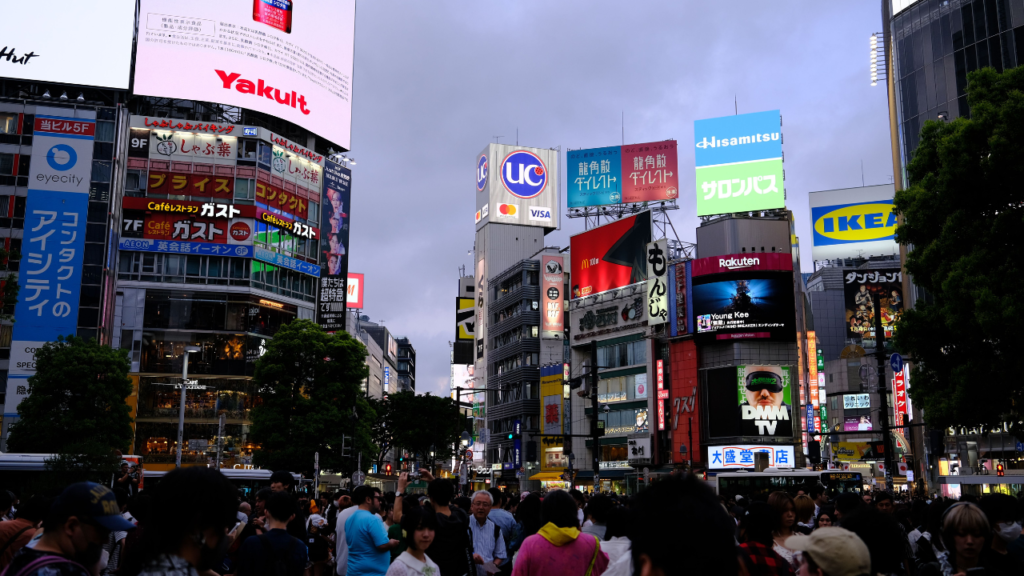
Shibuya officials are considering tougher anti-littering measures as tourism numbers continue to rise.
Tokyo Littering Fines 2026 could become significantly stricter as authorities in Tokyo’s famous Shibuya ward move to strengthen anti-littering measures and improve public cleanliness. Officials say the goal is to create greater public awareness and encourage responsible behavior among both residents and visitors, drawing inspiration from countries known for strict cleanliness standards.
The proposal comes as Japan experiences record tourism growth, with millions of international visitors arriving each year. Popular districts such as Shibuya have seen increasing pressure on public infrastructure, prompting local authorities to explore stronger enforcement measures against littering and improper waste disposal.
For Indian travelers planning a trip to Japan, the move serves as an important reminder that cleanliness and public etiquette remain key aspects of Japanese culture.
Tokyo Littering Fines 2026: Why Shibuya Wants Stronger Enforcement
Shibuya is one of Tokyo’s most visited districts and attracts millions of tourists annually thanks to attractions such as:
- Shibuya Crossing
- Hachiko Statue
- Shopping districts
- Restaurants and cafes
- Entertainment venues
- Nightlife areas
However, local officials say rising visitor numbers have also contributed to waste management challenges and littering incidents.
Authorities believe stronger penalties and greater public awareness could help preserve the area’s reputation for cleanliness while reducing maintenance costs.
Main Objectives of the Proposal
| Objective | Expected Benefit |
|---|---|
| Reduce Littering | Cleaner Public Spaces |
| Increase Awareness | Better Visitor Behavior |
| Support Tourism | Improved Visitor Experience |
| Protect Infrastructure | Lower Maintenance Costs |
| Improve Public Hygiene | Cleaner Streets |
Officials have indicated that public education will remain an important part of the initiative alongside enforcement measures.
Why Cleanliness Is Important in Japan
Japan is widely known for its exceptionally clean cities despite having relatively few public trash bins compared to many countries.
Residents are generally expected to:
- Carry their trash home
- Sort waste correctly
- Respect public spaces
- Follow recycling rules
- Maintain cleanliness in shared areas
These practices have helped Japan maintain high cleanliness standards across cities, transportation networks, and tourist attractions.
Local authorities believe maintaining these standards is becoming increasingly important as international visitor numbers continue rising.
Tokyo Littering Fines 2026 and Rising Tourism
Japan’s tourism industry has experienced strong growth since international travel resumed.
Tokyo remains the country’s most visited destination and attracts travelers from across Asia, Europe, North America, and Australia.
Popular tourist districts including:
- Shibuya
- Shinjuku
- Asakusa
- Akihabara
- Ginza
regularly welcome large crowds throughout the year.
Why Visitor Numbers Matter
| Factor | Impact |
|---|---|
| More Tourists | Increased Waste Volume |
| Crowded Areas | Greater Cleaning Needs |
| Public Events | Higher Litter Risk |
| Nightlife Activity | More Street Waste |
| Tourism Growth | Infrastructure Pressure |
Authorities say cleanliness is essential for maintaining Tokyo’s global reputation as a world-class destination.
What Travelers Should Know
Tourists visiting Japan are expected to follow local customs regarding waste disposal and public behavior.
Common expectations include:
- Never littering in public places
- Carrying personal trash until disposal facilities are available
- Following recycling guidelines
- Keeping public transportation clean
- Respecting local community standards
Many first-time visitors are surprised to find relatively few public trash bins in some parts of Japan. Travelers often carry small bags for waste until they can dispose of it properly.
Failure to follow local rules can lead to complaints from residents and, under proposed measures, potentially stricter enforcement.
Impact on Indian Travelers Visiting Japan
Japan has become increasingly popular among Indian tourists in recent years.
Direct flights connect major Indian cities such as:
- Delhi
- Mumbai
- Bengaluru
- Chennai
- Hyderabad
to Tokyo and other Japanese destinations.
Indian travelers visiting Tokyo should be aware that Japanese social expectations regarding cleanliness can be stricter than in many other countries.
Simple practices such as carrying a reusable bag for trash and avoiding eating while walking in crowded areas can help visitors adapt more easily to local customs.
Understanding cultural expectations can also improve the overall travel experience.
Shibuya’s Efforts to Balance Tourism and Quality of Life
Like many major tourist destinations, Shibuya faces the challenge of balancing visitor growth with the quality of life of local residents.
Officials are increasingly looking for ways to:
- Manage tourism sustainably
- Protect public spaces
- Reduce overcrowding
- Improve visitor behavior
- Maintain community standards
The proposed anti-littering measures form part of a broader effort to ensure tourism growth remains sustainable while preserving the character of the district.
Authorities hope that stronger awareness campaigns will reduce the need for enforcement while encouraging responsible tourism.
Could Other Japanese Cities Follow?
Tourism experts believe other municipalities may monitor Shibuya’s approach closely.
Cities experiencing high visitor numbers, including Kyoto, Osaka, and Nara, face similar challenges related to tourism management and public cleanliness.
If the initiative proves successful, comparable measures could eventually be considered elsewhere.
However, local governments are expected to continue emphasizing education and public cooperation rather than relying solely on penalties.
FAQs – Tokyo Littering Fines 2026
Why is Shibuya considering stricter littering penalties?
Officials want to reduce littering, improve public awareness, and maintain cleanliness as tourism numbers continue growing.
Will tourists be affected by the new rules?
Yes. Any visitor who violates local littering regulations could potentially be subject to enforcement measures.
What should travelers do to avoid problems?
Visitors should dispose of waste properly, follow local recycling rules, and respect Japan’s cleanliness culture.
Final Word
The proposed Tokyo Littering Fines 2026 initiative highlights the growing challenge of managing tourism while preserving the high standards of cleanliness for which Japan is famous. Shibuya officials believe stronger awareness campaigns and tougher penalties could help maintain public spaces as visitor numbers continue increasing.
For Indian travelers planning a trip to Japan, the message is simple: respect local customs, dispose of waste responsibly, and help preserve the clean environment that makes Japanese cities unique. Responsible tourism benefits both visitors and local communities alike.
Also Read:
https://travelmantoday.com/japan-visa-cover-letter-indians/
https://travelmantoday.com/visa-templates/
https://travelmantoday.com/schengen-visa-cover-letter-indians/
Official Sources:
 Egypt Visa Indians 2026: $15 Administrative Levy From January 2027, Digital VOA Now Live

Southeast Asia Busiest Airports 2026: Changi No.1, Hanoi Fastest Growing

Riyadh Air Bangkok India 2026: Fleet Grows to 13, Five Indian Cities Confirmed

Thailand China Golden Week 2026: 250,000 Chinese Tourists, THB 11.5B Revenue Expected
Egypt Visa Indians 2026: $15 Administrative Levy From January 2027, Digital VOA Now Live
Southeast Asia Busiest Airports 2026: Changi No.1, Hanoi Fastest Growing
Riyadh Air Bangkok India 2026: Fleet Grows to 13, Five Indian Cities Confirmed
Thailand China Golden Week 2026: 250,000 Chinese Tourists, THB 11.5B Revenue Expected

Aaseem Bhardwaj is a journalist, seasoned traveler and IT professional based in India. With firsthand travel experience across Southeast Asia, East Asia, Middle East and Europe, Aaseem founded Travel Man Today to provide reliable visa updates and travel news for Indian passport holders. He has personally traveled to Thailand, Vietnam, Malaysia, Japan, Singapore, Hong Kong, South Korea, UAE and Europe. Follow his travel vlogs on YouTube at @travelmantoday


Templates for Indians