Southeast Asia Busiest Airports 2026: Changi No.1, Hanoi Fastest Growing

Southeast Asia busiest airports 2026 — OAG scheduled capacity data for September 2026 confirms Singapore Changi Airport as Southeast Asia's busiest with 3.45 million seats (+1.7%), followed by Jakarta Soekarno-Hatta (3.24M, +6.1%) and Kuala Lumpur International (3.18M, −2.6%), with Hanoi recording the fastest growth at +9.3% and AirAsia remaining Southeast Asia's largest airline despite a 15.7% capacity cut.
Quick answer: Singapore Changi is Southeast Asia’s busiest airport in September 2026 with 3.45 million seats (+1.7%). Jakarta Soekarno-Hatta is second (3.24M, +6.1%) — though currently disrupted by the Krakatau eruption. Kuala Lumpur KLIA is third (3.18M, −2.6%). Hanoi is the fastest-growing at +9.3%. AirAsia is Southeast Asia’s largest airline at 2.38M seats despite a 15.7% cut. Total regional capacity grew 2.0% year-on-year. Full top 10 and Indian traveler transit guide inside.
Southeast Asia busiest airports 2026 are now ranked by OAG scheduled capacity data for September — the most comprehensive and current aviation market snapshot available for the region. Singapore Changi Airport leads the ranking with 3.45 million scheduled seats in September 2026, followed by Jakarta Soekarno-Hatta at 3.24 million and Kuala Lumpur International Airport at 3.18 million.
The Southeast Asia busiest airports 2026 ranking has significant implications for Indian travelers who use the region’s major hubs as transit points — whether routing through Singapore to Australia, through Bangkok to Japan, or through Kuala Lumpur to Bali. The OAG September 2026 data also surfaces two important disruption stories: Jakarta’s Krakatau-affected ranking (Soekarno-Hatta is currently closed due to volcanic ash as we covered this week) and Thai AirAsia’s capacity cuts that pushed it out of Southeast Asia’s top 10 airlines for the first time in years.
For the active Jakarta disruption context, see our Jakarta Airport Krakatau 2026 guide for the current operational status.
The September 2026 Top 10: Full Ranking with OAG Data
The Southeast Asia busiest airports 2026 ranking by scheduled seat capacity for September 2026, sourced from OAG Aviation Analytics:
| Southeast Asia Busiest Airports 2026 — September OAG Ranking | Rank | Airport | Code | Seats (Sep 2026) | YoY Change |
|---|---|---|---|---|---|
| 1 | Singapore Changi | SIN | 3.45 million | +1.7% | |
| 2 | Jakarta Soekarno-Hatta | CGK | 3.24 million | +6.1% | |
| 3 | Kuala Lumpur International | KUL | 3.18 million | −2.6% | |
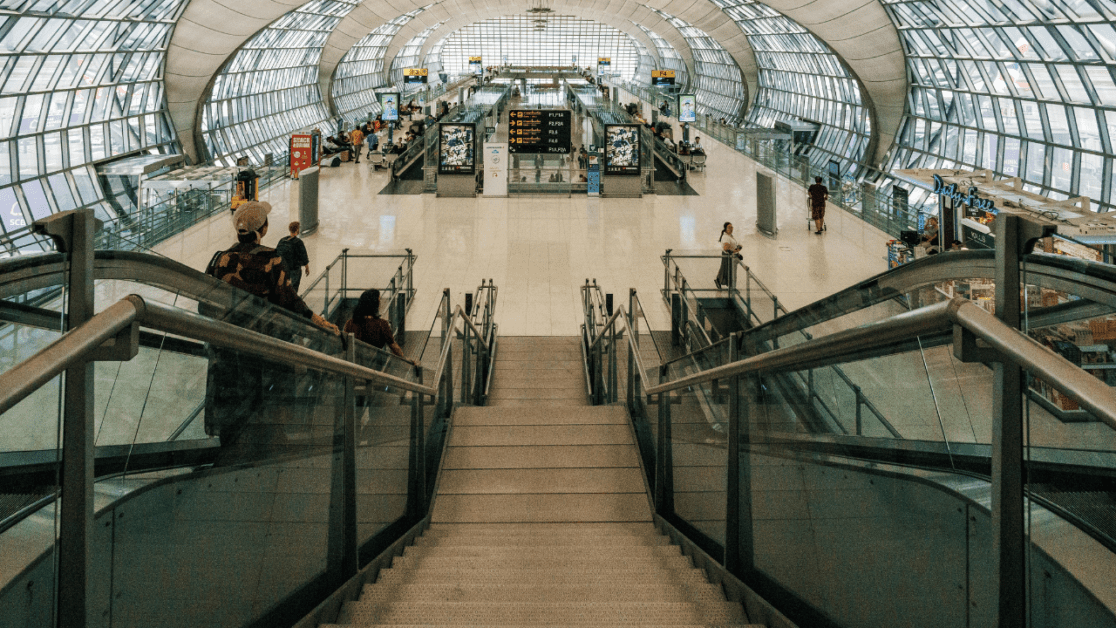
| 4 | Bangkok Suvarnabhumi | BKK | ~3.1 million | Strong | |
| 5 | Manila Ninoy Aquino | MNL | 2.78 million | — | |
| 6 | Ho Chi Minh City Tan Son Nhat | SGN | 2.24 million | — | |
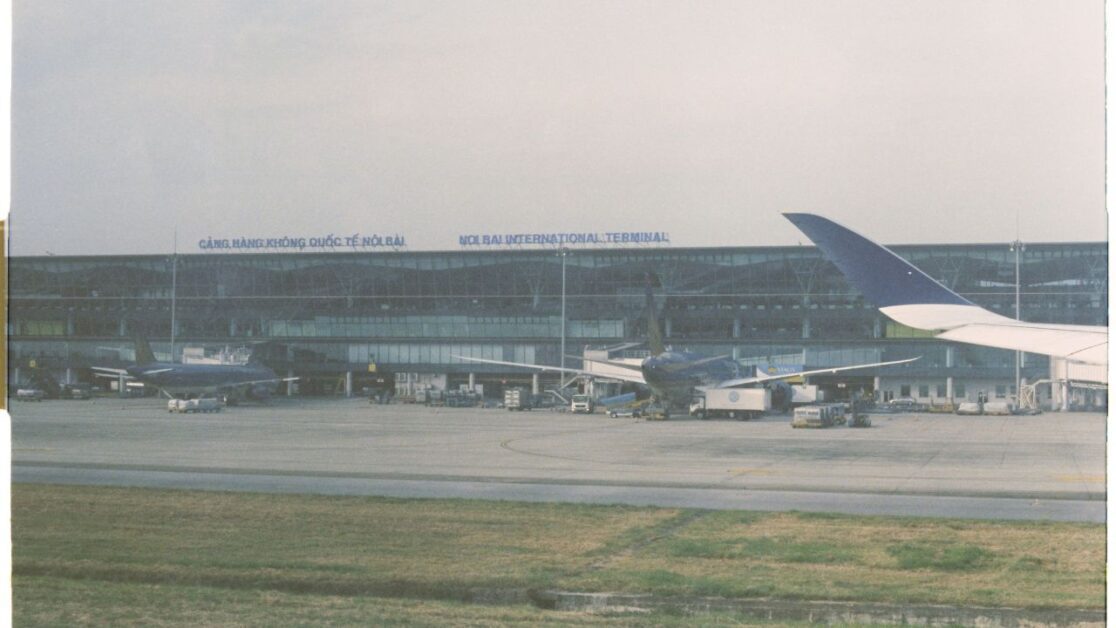
| 7 | Hanoi Noi Bai | HAN | Growing | +9.3% (fastest) | |
| 8 | Bangkok Don Mueang | DMK | — | — | |
| 9 | Bali Ngurah Rai | DPS | — | — | |
| 10 | Hanoi / Makassar / others | — | — | — |
Key movements: Hanoi grew fastest at +9.3%. KLIA fell 2.6% — partly from the AirAsia capacity cuts affecting Malaysia-origin routes. Jakarta grew 6.1% in scheduled capacity — though September’s actual operations are disrupted by the Krakatau volcanic ash closure (September 5–7+).
Changi: Southeast Asia’s Busiest and World’s 6th International

Singapore Changi Airport retained its position as Southeast Asia’s busiest airport in September 2026 with 3.45 million seats, up 1.7% year-on-year — and simultaneously moved up to 6th globally for international seat capacity according to OAG’s global rankings, a rise driven by the Middle East conflict’s diversion of long-haul passengers through Singapore rather than Dubai.
Singapore Changi Airport is the busiest airport in Southeast Asia in September 2026 with 3.45 million seats, up 1.7% vs September 2025.
Changi’s global sixth position in international seats reflects the conflict-driven routing shift we have covered throughout 2026 — passengers previously routed Delhi–Dubai–Sydney or Delhi–Dubai–London are now routed Delhi–Singapore–Sydney or Delhi–Singapore–London on Singapore Airlines, diversifying traffic through Changi at the expense of Dubai International, which remains 15% below September 2025 levels.
For Indian travelers, Changi’s position as Southeast Asia’s busiest and most internationally connected airport makes it the primary regional transit hub for connections beyond Southeast Asia — to Australia, New Zealand, Japan, South Korea, and the US West Coast.
Jakarta: Fastest-Growing but Currently Disrupted
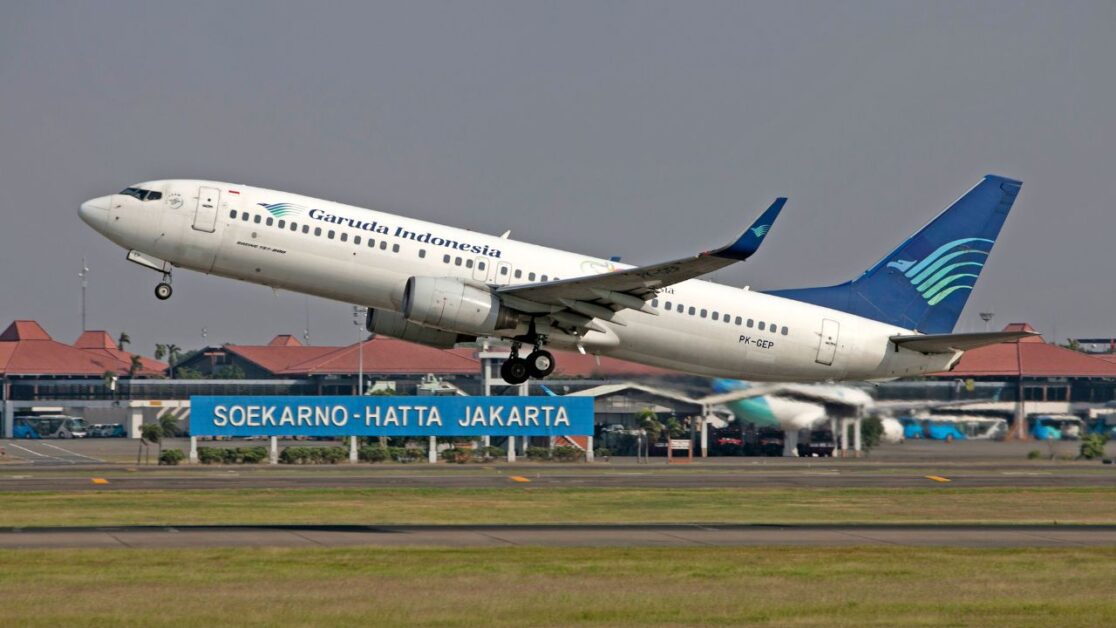
Jakarta Soekarno-Hatta’s second-place ranking with 3.24 million scheduled seats and 6.1% year-on-year growth makes it the second-busiest Southeast Asian airport in September — but this ranking was compiled before the Krakatau volcanic ash closure that began September 5.
Jakarta (CGK) is second with 3.24 million seats (+6.1%).
The current real-world situation at Soekarno-Hatta is more complex than the OAG scheduled data suggests. The airport was closed from September 5 following the Krakatau eruption, with 270,000+ passengers stranded and 600+ flights cancelled through September 7. The closure’s impact on September’s actual passenger totals will be significantly below the 3.24 million scheduled seat figure — actual disruption losses from the extended closure will reduce the real September number meaningfully.
The 6.1% scheduled capacity growth at Jakarta confirms the airport’s trajectory — Indonesia is the largest capacity market in Southeast Asia in September 2026 with 10.83 million seats, up 7.3% — when it is not disrupted by natural events.
KLIA: Third Place Despite 2.6% Decline
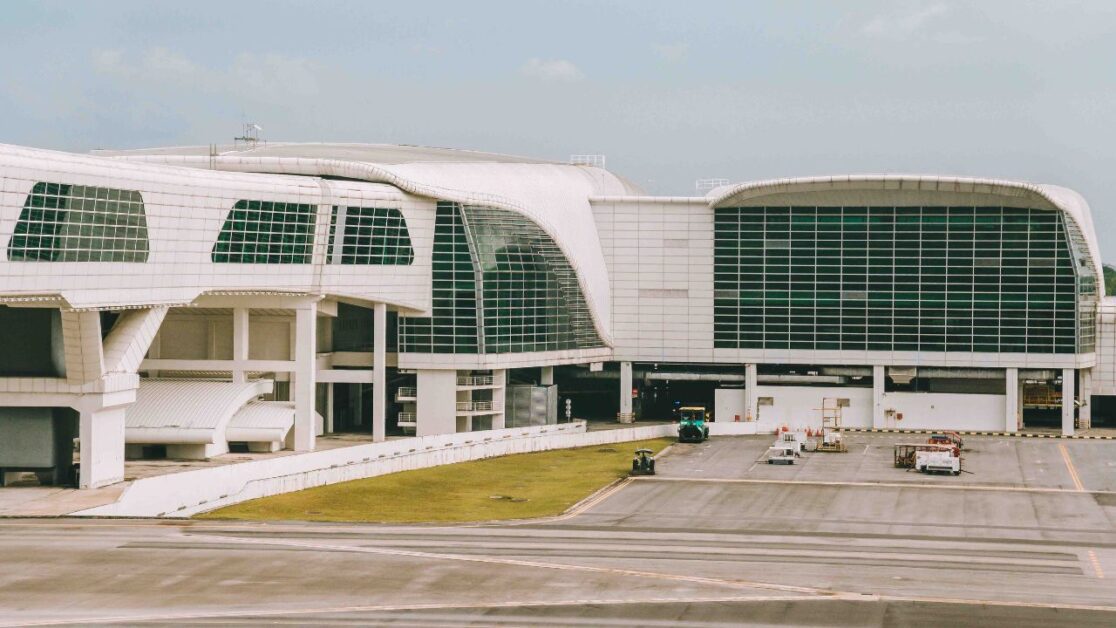
Kuala Lumpur International Airport’s third-place ranking with 3.18 million scheduled seats and 2.6% year-on-year decline reflects the AirAsia capacity cut story that has defined 2026.
Kuala Lumpur (KUL) is third with 3.18 million seats (−2.6%).
AirAsia Malaysia — the largest single airline at KLIA — cut 20–25% of its Q3 capacity as we covered in our Southeast Asia budget airlines article. AirAsia’s KLIA-based cuts are the primary driver of KLIA’s 2.6% overall decline even as Malaysia competes with Thailand for overall tourist arrivals leadership.
For Indian travelers using KLIA as a transit hub or arrival point, the capacity reduction means somewhat fewer flight options and potentially higher fares on KLIA-served routes in Q3 2026 compared with Q3 2025. The AirAsia capacity restoration expected in Q4 should bring KLIA back toward growth territory.
The Airline Rankings: AirAsia First Despite Cuts, Thai AirAsia Falls Out
The Southeast Asia busiest airports 2026 picture is inseparable from the airline capacity story — which carriers are adding or cutting seats determines which airports grow or shrink.
AirAsia is the largest airline in Southeast Asia in September 2026 with 2.38 million seats, despite a reduction of 15.7% vs September 2025. Vietnam Airlines is second with 2.25 million seats (+10.7%) and Lion Air third with 2.23 million seats (−9.3%).
The most commercially significant airline ranking development is Thai AirAsia’s exit from the top 10 — Thai AirAsia fell out of the top 10, and AirAsia shed 444,200 seats (−15.7%). Thai AirAsia’s absence from the top 10 reflects the 20–25% Q3 capacity cut we covered in our Southeast Asia budget airlines article, specifically the fuel cost crisis driving AirAsia to reduce Thai operations substantially.
For Indian travelers booking AirAsia flights from Bangkok or Phuket, fewer Thai AirAsia seats means less competition and potentially higher fares on Thai routes during Q3 2026.
The standout growth airline is Citilink — Indonesia’s low-cost carrier subsidiary of Garuda — which grew +54.2% (+486,500 additional seats). Batik Air grew +19.6% and Vietnam Airlines +10.7%. The Indonesian domestic market and Vietnamese aviation market are the two strongest capacity growth stories in Southeast Asian aviation for September 2026.
What This Means for Indian Travelers Using Southeast Asian Hubs
The Southeast Asia busiest airports 2026 ranking has specific practical implications for Indian travelers routing through the region.
Use Changi as your primary long-haul hub. Singapore Changi’s No.1 position, international capacity growth, and 6th global international ranking confirms its status as the most reliable, best-connected transit hub in Southeast Asia. For Indian travelers routing to Australia, Japan, South Korea, New Zealand, or the US via Southeast Asia, Changi connections are operating at their strongest capacity.
Avoid Jakarta connections this week. The current Krakatau volcanic ash closure makes Jakarta the highest-disruption transit risk in the region. Check Soekarno-Hatta’s operational status at soekarnohatta-airport.co.id before any Jakarta connection until ash clearance is confirmed.
KLIA capacity down but operational. KLIA’s 2.6% decline reflects AirAsia cuts, not airport operational problems. KLIA remains fully operational — the capacity reduction means fewer seat options on AirAsia Malaysia routes, not reduced airport hours or infrastructure.
Hanoi as an emerging hub. Hanoi’s fastest-growing status at +9.3% reflects Vietnam’s aviation boom — Vietnam Airlines’ 10.7% growth and the broader Vietnamese tourism recovery we covered earlier. For Indian travelers visiting Vietnam, Hanoi’s growing capacity means more flight options and competitive fares on India-Vietnam routes.
Bangkok Suvarnabhumi remains critical. Despite Thai AirAsia’s capacity cuts reducing Don Mueang’s relative position, Suvarnabhumi Airport remains the primary Bangkok hub for international arrivals. India’s 1.45 million Thailand arrivals are almost entirely concentrated through Suvarnabhumi — where the ARL disruption, congestion management programme, and September school holiday peaks all intersect this week.
For travel insurance covering transit connections through Southeast Asia’s major hubs, SafetyWing Nomad Insurance provides comprehensive coverage including missed connections at affordable daily rates for Indian travelers.
FAQs — Southeast Asia Busiest Airports 2026
Q: Which is the busiest airport in Southeast Asia in September 2026?
Singapore Changi Airport is the busiest airport in Southeast Asia in September 2026 with 3.45 million seats, up 1.7% vs September 2025. Jakarta Soekarno-Hatta is second with 3.24 million seats (+6.1%) and Kuala Lumpur third with 3.18 million seats (−2.6%). Hanoi grew fastest at +9.3%. Note that Jakarta’s scheduled capacity figure does not reflect the actual disruption caused by the Mount Krakatau volcanic ash closure from September 5 — real September passenger totals at Soekarno-Hatta will be significantly lower than the scheduled 3.24 million figure.
Q: Which is the largest airline in Southeast Asia in September 2026?
AirAsia is the largest airline in Southeast Asia in September 2026 with 2.38 million seats, despite a reduction of 15.7% vs September 2025. Vietnam Airlines is second with 2.25 million seats (+10.7%) and Lion Air third with 2.23 million seats (−9.3%). Thai AirAsia fell out of the top 10, and AirAsia shed 444,200 seats. Citilink was the standout grower at +54.2%.
Q: How has Southeast Asia’s overall aviation capacity changed in September 2026?
Total Southeast Asian capacity grew +2.0% in September 2026. Indonesia is the largest capacity market in Southeast Asia in September 2026 with 10.83 million seats, up 7.3% vs September 2025. The Middle East conflict impact is visible in capacity to the Middle East declining 3.8% vs September 2025, while capacity to the rest of Asia Pacific grew 9.9%. OAG
Final Word
Southeast Asia busiest airports 2026 — Changi No.1 at 3.45M seats, Jakarta No.2 at 3.24M but currently Krakatau-disrupted, KLIA No.3 at 3.18M with AirAsia cuts visible, Hanoi fastest-growing at +9.3%, AirAsia largest airline despite 15.7% cut, Thai AirAsia out of the top 10 for the first time — tells the 2026 story of a region where individual disruptions (volcanic ash, fuel costs, conflict routing) are reshaping the competitive map month by month.
For Indian travelers navigating the region, the practical guidance is straightforward: use Changi as your primary hub, avoid Jakarta connections until ash clearance is confirmed, and expect Hanoi and Ho Chi Minh City to continue growing as Vietnamese aviation becomes a more significant part of the regional picture.
Also Read:
- Jakarta Airport Krakatau 2026 — Soekarno-Hatta Closed, 270,000 Stranded
- Southeast Asia Budget Airlines 2026 — AirAsia Cuts 25% Q3
- Seoul Incheon Airport 2026 — World No. 2, Terminal 1 Renovation
Official Sources:
- VnExpress — 10 Busiest Airports in Southeast Asia in September
- OAG Aviation Analytics — Southeast Asia Aviation Market September 2026
 Egypt Visa Indians 2026: $15 Administrative Levy From January 2027, Digital VOA Now Live

Southeast Asia Busiest Airports 2026: Changi No.1, Hanoi Fastest Growing

Riyadh Air Bangkok India 2026: Fleet Grows to 13, Five Indian Cities Confirmed
Thailand China Golden Week 2026: 250,000 Chinese Tourists, THB 11.5B Revenue Expected
Egypt Visa Indians 2026: $15 Administrative Levy From January 2027, Digital VOA Now Live
Southeast Asia Busiest Airports 2026: Changi No.1, Hanoi Fastest Growing
Riyadh Air Bangkok India 2026: Fleet Grows to 13, Five Indian Cities Confirmed
Thailand China Golden Week 2026: 250,000 Chinese Tourists, THB 11.5B Revenue Expected

Aaseem Bhardwaj is a journalist, seasoned traveler and IT professional based in India. With firsthand travel experience across Southeast Asia, East Asia, Middle East and Europe, Aaseem founded Travel Man Today to provide reliable visa updates and travel news for Indian passport holders. He has personally traveled to Thailand, Vietnam, Malaysia, Japan, Singapore, Hong Kong, South Korea, UAE and Europe. Follow his travel vlogs on YouTube at @travelmantoday



Templates for Indians