Thailand High Speed Rail: Bangkok–Phitsanulok Gets 2027 Cabinet Push
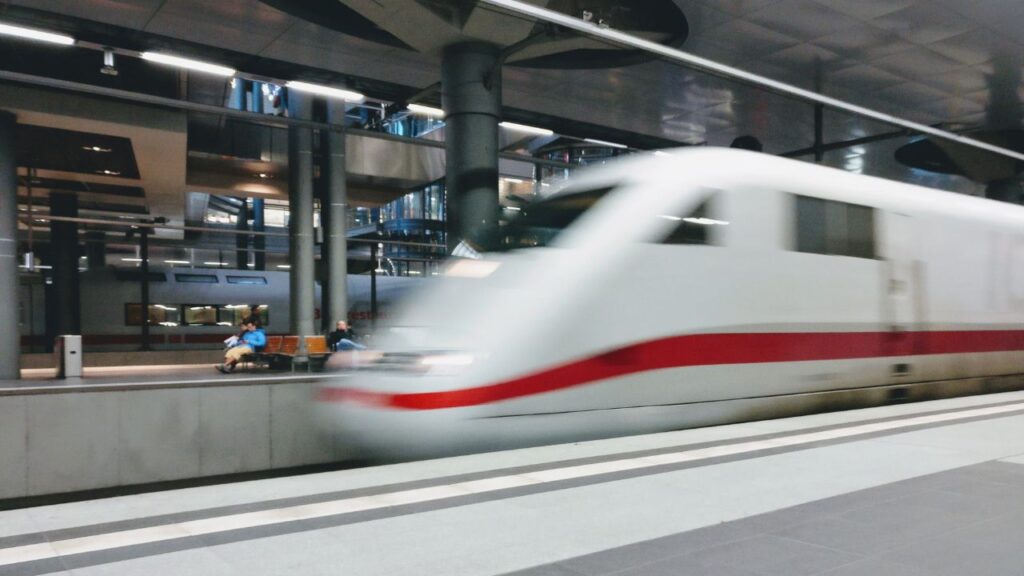
Thailand high speed rail Bangkok–Phitsanulok section confirmed in Transport Ministry 2027 work plan — 380km, THB 276 billion, EIA approved, targeting construction January 2030 and services January 2036.
Thailand high speed rail ambitions took another concrete step forward on July 29, 2026 — the Ministry of Transport has confirmed that its 2027 work plan includes preparation to seek Cabinet approval for the Bangkok–Phitsanulok high-speed rail section, the first phase of the larger Bangkok–Chiang Mai project being developed in partnership with Japan.
The Bangkok–Phitsanulok section covers 380 kilometres, carries an estimated investment of THB 276 billion (~₹66,000 crore), has already received Environmental Impact Assessment (EIA) approval from the National Environment Board, and is targeting construction to begin in January 2030 with services launching in January 2036.
The Full Bangkok–Chiang Mai Project: Two Phases, 668 Kilometres
The Thailand high speed rail Bangkok–Chiang Mai project is one of the most significant infrastructure commitments in Thai history — a 668-kilometre corridor connecting Bangkok with Thailand’s cultural capital in the North at speeds that would transform what is currently a 13-hour overnight train journey into a 2–3 hour high-speed connection.
The project is divided into two phases.
Phase 1 — Bangkok to Phitsanulok: 380 kilometres, investment of approximately THB 276 billion (~₹66,000 crore). EIA approved. Being prepared for Cabinet consideration in 2027. Construction target: January 2030. Service launch target: January 2036.
Phase 2 — Phitsanulok to Chiang Mai: 288 kilometres, investment of approximately THB 232 billion (~₹55,600 crore). Development timeline pending Phase 1 Cabinet and funding resolution.
Total project investment across both phases: approximately THB 508 billion (~₹121,600 crore) — one of the largest single infrastructure investments ever proposed in Southeast Asia outside of the core ASEAN mega-city corridors.
The Thailand high speed rail Bangkok–Chiang Mai project is being developed through a Memorandum of Understanding signed between Thailand’s Ministry of Transport and Japan’s Ministry of Land, Infrastructure, Transport and Tourism (MLIT). Japan’s involvement brings Shinkansen-era engineering expertise and potential financing frameworks — though the investment model for Bangkok–Phitsanulok remains under consideration.
| Thailand High Speed Rail — Bangkok–Chiang Mai Project Summary | Details |
|---|---|
| Total length | 668 kilometres |
| Phase 1 — Bangkok–Phitsanulok | 380 km, THB 276 billion |
| Phase 2 — Phitsanulok–Chiang Mai | 288 km, THB 232 billion |
| Total investment | ~THB 508 billion |
| EIA status (Phase 1) | Approved by National Environment Board |
| Cabinet submission target | 2027 work plan |
| Construction start target | January 2030 |
| Service launch target | January 2036 |
| Partner country | Japan — MLIT MOU signed |
| Investment model | Under consideration |
Thailand’s Three High Speed Rail Projects: Where They All Stand
The Bangkok–Phitsanulok Cabinet submission is one thread in a complex Thailand high speed rail landscape that currently includes three major projects — each at a different stage of progress.
Project 1 — Thai-Chinese High Speed Rail: Bangkok–Nakhon Ratchasima
This is the most advanced Thailand high speed rail project. Cabinet approved it on July 11, 2017 — nearly a decade ago. The State Railway of Thailand reports that construction is more than 55% complete, with services targeted to begin in 2031. The Bangkok–Nakhon Ratchasima section connects the capital with Thailand’s Northeast gateway at 250km/h — a corridor that will transform travel to Khorat and beyond.
Project 2 — High Speed Rail Linking Three Airports (Don Mueang–Suvarnabhumi–U-Tapao)
This is the most troubled Thailand high speed rail project. The joint investment contract was signed on October 24, 2019 — and the project is now in its seventh year without a single metre of construction begun. Negotiations to amend the joint investment contract remain unresolved. A proposal to terminate the joint investment contract entirely is expected to be submitted to the Eastern Economic Corridor Policy Committee, chaired by Prime Minister Anutin Charnvirakul, for consideration.
The three-airport link was designed to integrate Don Mueang Airport, Suvarnabhumi Airport, and U-Tapao Airport in the Eastern Economic Corridor on a single high-speed corridor — a project that would have been transformational for Pattaya and the EEC. Its stall is a significant setback for the EEC’s aviation integration ambitions.
Project 3 — Bangkok–Chiang Mai (Bangkok–Phitsanulok Phase 1)
This is the newest of the three — now confirmed in the Ministry of Transport’s 2027 work plan for Cabinet submission. EIA approved. Investment model under consideration. If Cabinet approval comes in 2027 and construction begins January 2030, services could launch January 2036 — making it operational within a decade of construction start.
Why Phitsanulok as the Phase 1 Terminus
Phitsanulok is not the final destination — it is the strategic midpoint. Breaking the Bangkok–Chiang Mai line at Phitsanulok makes financing sense for three reasons.
First, Phitsanulok is itself a significant city — one of Thailand’s most important provincial capitals, a major road and rail junction, and gateway to the historical park at Si Satchanalai and Sukhothai. High-speed connectivity to Phitsanulok alone generates commercial value before the Chiang Mai extension is funded and built.
Second, a phased investment model allows the Thai government to seek funding, demonstrate ridership, and build institutional knowledge on Phase 1 before committing the full THB 508 billion for both phases simultaneously.
Third, the investment model for the full project is still under consideration — confirming Phase 1 independently preserves the project’s momentum while financing frameworks for Phase 2 are developed with Japan.
What This Means for Indian Travelers
The Thailand high speed rail Bangkok–Chiang Mai project — if it delivers on its January 2036 service launch target — will fundamentally transform how Indian tourists experience northern Thailand.
Currently, Indian travelers who want to visit Chiang Mai, Chiang Rai, Doi Inthanon, and the northern Thai cultural circuit face a choice between a 1-hour flight from Bangkok (expensive during peak season) or a 13-hour overnight sleeper train (uncomfortable for families with children). The Thailand high speed rail Bangkok–Chiang Mai would reduce the journey to approximately 2–3 hours — making day-trip or one-night extension visits from Bangkok to Chiang Mai as easy as taking the Shinkansen from Tokyo to Osaka.
For Indian travelers specifically, Chiang Mai is one of Thailand’s most appealing destinations — a walkable city with world-class street food, night markets, Buddhist temple culture, elephant sanctuaries, and a cool mountain climate that offers a complete contrast to Bangkok’s heat and Phuket’s beach focus. The high-speed connection would make Chiang Mai accessible as a 2-night add-on to any Bangkok-based Thailand itinerary rather than requiring a separate flight booking.
Before any Thailand trip, confirm current entry requirements at thaievisa.go.th. India now has 30-day visa-free entry approved by Cabinet on July 14 — awaiting Royal Gazette publication. Complete the mandatory TDAC digital arrival card within 72 hours before departure. Remember UPI does not work in Thailand — carry Thai Baht or a zero-forex international card. For travel insurance covering Thailand trips, SafetyWing Nomad Insurance provides comprehensive coverage at affordable daily rates for Indian travelers.
FAQs — Thailand High Speed Rail 2026
Q: When will Thailand’s Bangkok–Phitsanulok high speed rail open?
The Bangkok–Phitsanulok section of the Thailand high speed rail Bangkok–Chiang Mai project is targeting a construction start in January 2030 and a service launch in January 2036. The Ministry of Transport has included the project in its 2027 work plan for Cabinet consideration — meaning Cabinet approval is expected in 2027, construction contracts would be awarded in 2028–29, and construction would begin in early 2030. The Environmental Impact Assessment has already been approved by the National Environment Board.
Q: What is the total investment for Thailand’s Bangkok–Chiang Mai high speed rail?
The Bangkok–Chiang Mai Thailand high speed rail project covers 668 kilometres in two phases. Phase 1 — Bangkok to Phitsanulok at 380 kilometres — has an estimated investment of THB 276 billion (~₹66,000 crore). Phase 2 — Phitsanulok to Chiang Mai at 288 kilometres — has an estimated investment of THB 232 billion (~₹55,600 crore).
Total investment across both phases is approximately THB 508 billion (~₹121,600 crore). The project is being developed in partnership with Japan’s Ministry of Land, Infrastructure, Transport and Tourism under a signed MOU.
Q: What is the status of the three-airport high speed rail linking Don Mueang, Suvarnabhumi and U-Tapao?
The High Speed Rail Linking Three Airports project is in its seventh year since the joint investment contract was signed in October 2019 — but construction has not yet begun due to unresolved contract amendment negotiations.
A proposal to terminate the joint investment contract may be submitted to the Eastern Economic Corridor Policy Committee chaired by PM Anutin Charnvirakul for consideration. The project’s future remains uncertain, making the Bangkok–Chiang Mai Thailand high speed rail project the more commercially active of Thailand’s current HSR commitments.
Final Word
The Thailand high speed rail Bangkok–Phitsanulok Cabinet submission targeted for 2027 is the right move at the right time — the EIA is approved, the Japan MOU is signed, and a clear construction and service timeline has been set. January 2030 construction start, January 2036 service launch.
The challenges are real — the investment model is still being worked out, the three-airport line’s stall is a cautionary reminder of how complex Thai mega-projects can become, and THB 276 billion is a significant fiscal commitment for Phase 1 alone.
But the Bangkok–Chiang Mai corridor is one of Southeast Asia’s most commercially justifiable high-speed rail routes, and the 2027 Cabinet push brings the project to its most consequential decision point yet.
Also Read:
- Bangkok Airport Rail Link Resumes After Derailment July 22
- Thailand Travel 2026 New Rules — Complete Guide
- Thailand Tourism Stimulus 2026 — Three Schemes Worth ₹582 Crore
Official Sources:
 EVA Air Delhi Taipei 2026: Nonstop Flights Launch December 1, Five Weekly
China India Business Visa 2026: Modi-Xi BRICS Signal Is Positive — But Watch Implementation
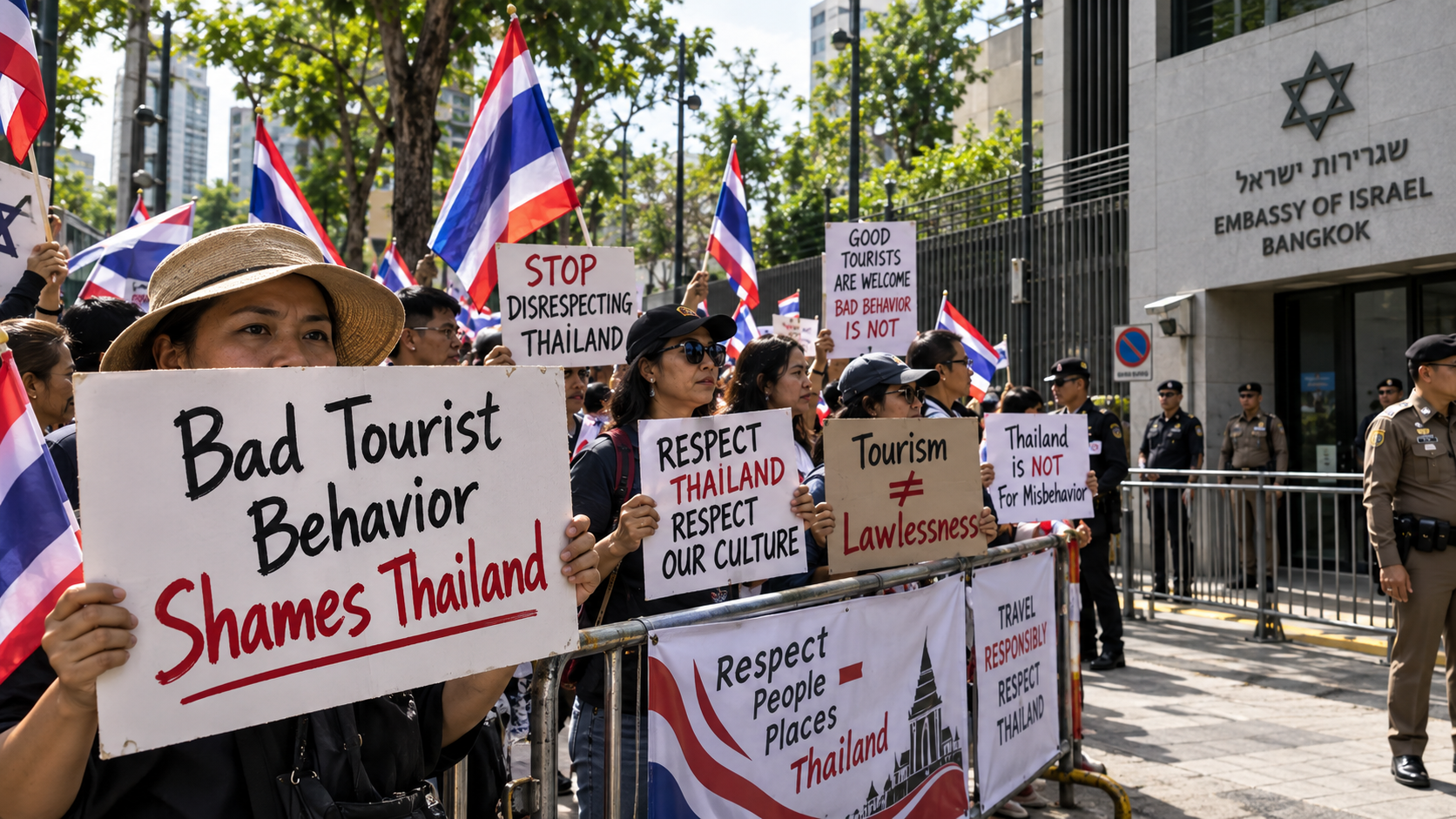
Thailand Tourist Behaviour Rules 2026: Bangkok Protest, First Deportation Order Active
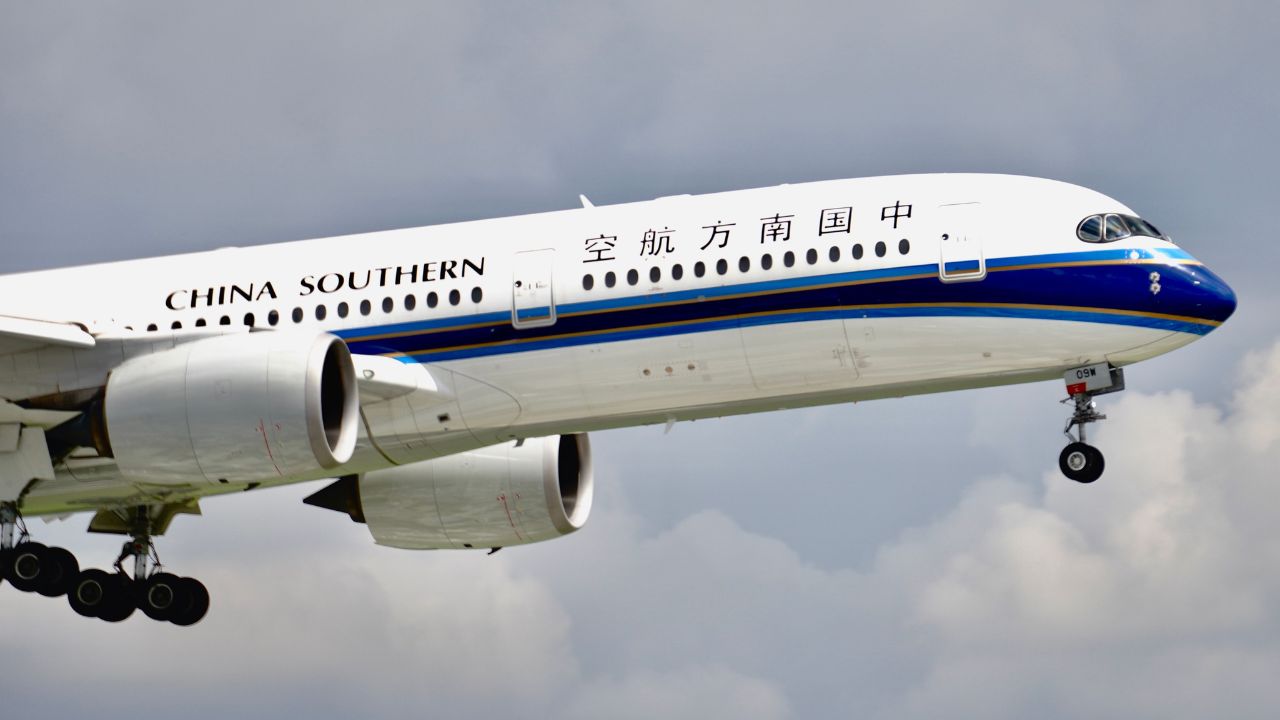
China Southern Delhi Guangzhou 2026: Daily Flights Resume September 21 as Xi Meets Modi at BRICS
EVA Air Delhi Taipei 2026: Nonstop Flights Launch December 1, Five Weekly
China India Business Visa 2026: Modi-Xi BRICS Signal Is Positive — But Watch Implementation
Thailand Tourist Behaviour Rules 2026: Bangkok Protest, First Deportation Order Active
China Southern Delhi Guangzhou 2026: Daily Flights Resume September 21 as Xi Meets Modi at BRICS

Aaseem Bhardwaj is a journalist, seasoned traveler and IT professional based in India. With firsthand travel experience across Southeast Asia, East Asia, Middle East and Europe, Aaseem founded Travel Man Today to provide reliable visa updates and travel news for Indian passport holders. He has personally traveled to Thailand, Vietnam, Malaysia, Japan, Singapore, Hong Kong, South Korea, UAE and Europe. Follow his travel vlogs on YouTube at @travelmantoday





Templates for Indians