Singapore Haze 2026: PSI 192 Peak, Health Warnings, and What Indian Tourists Must Know
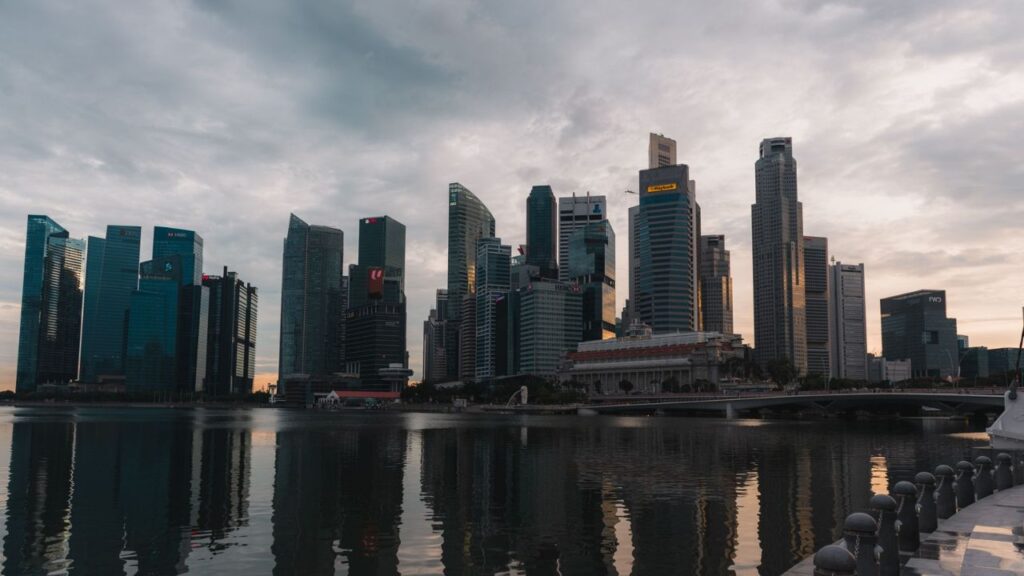
Singapore haze 2026 pushed air quality to a year-high PSI of 192 in the central region on 9 October — 12 straight days of unhealthy air prompted NEA health advisories asking visitors to limit outdoor activity and carry N95 masks.
Singapore haze 2026 pushed PSI to 192 in October — the highest reading of the year — with 12 consecutive days of unhealthy air, outdoor tourism disrupted, and health warnings issued for all visitors including Indian travellers with Singapore bookings.
Singapore haze 2026 returned with force in October, making it the longest continuous stretch of unhealthy air since the 2015 haze crisis. The 24-hour PSI hit a 2026 high of 192 in the central region on 9 October between 5pm and 8pm, with readings across all five regions — north, south, east, west, and central — remaining in the unhealthy band well into 10 October.
Smoke from forest fires in southern Sumatra and Kalimantan drifted across the island for 12 straight days, disrupting outdoor tourism, putting the Singapore F1 Grand Prix concerts at risk, and prompting NEA advisories asking residents and visitors to limit outdoor activity. For Indian travellers flying into Singapore from Delhi, Mumbai, or Bengaluru — one of the most popular transit and holiday destinations in Southeast Asia — the Singapore haze 2026 situation demands a clear plan.
Singapore Haze 2026: PSI Readings and What They Mean
The Singapore haze 2026 peak hit across all regions of the island simultaneously. The National Environment Agency (NEA) uses a 24-hour PSI scale to communicate air quality risk, and October 2026 pushed the island into sustained unhealthy territory.
| Region | 24-hr PSI (7am, Oct 10) | PM2.5 Reading (Oct 10) |
|---|---|---|
| Central | 176 | 124 |
| West | 162 | 104 |
| East | 157 | 112 |
| South | 141 | 89 |
| North | 125 | 69 |
| Peak reading (2026 high) | 192 (Central, Oct 9, 5–8pm) | — |
PSI scale for reference:
| PSI Range | Air Quality | Advisory |
|---|---|---|
| 0–50 | Good | No restrictions |
| 51–100 | Moderate | No restrictions |
| 101–200 | Unhealthy | Reduce prolonged outdoor activity |
| 201–300 | Very Unhealthy | Minimise all outdoor activity |
| 300+ | Hazardous | Avoid all outdoor activity |
At PSI 192 — the 2026 high — Singapore was in the upper unhealthy band, one step from “very unhealthy.” NEA’s forecast for 10 October warned of conditions in the “unhealthy to low very unhealthy range.” This was not a brief spike — Singapore recorded 12 consecutive days of unhealthy air, the longest run since 2015.
How Singapore Haze 2026 Affected Tourism and Outdoor Activities
The Singapore haze 2026 episode coincided with the Formula 1 Singapore Airlines Grand Prix on 9–11 October, one of the biggest tourism events on the Singapore calendar. Organisers confirmed as of 9 October that there were no plans to change the race or entertainment programme, but flagged that concerts could be cancelled if haze worsened. Medical assistance and N95 masks were made available on-site for spectators.
For general tourists visiting Singapore during this period, the impact was felt most sharply in outdoor activities:
1 — Gardens by the Bay, Sentosa, and outdoor attractions are significantly less enjoyable — and potentially unsafe for extended visits — when PSI exceeds 150. Outdoor walking tours, cycling, and water sports were all affected.
2 — Tourist boat rides on the Singapore River and Marina Bay became uncomfortable with haze obscuring the skyline views that are a primary draw.
3 — Outdoor dining and hawker centres remained open, but visitors were advised to limit prolonged time outdoors.
4 — Indoor attractions — the National Museum, ArtScience Museum, Universal Studios Singapore (indoor zones), and air-conditioned malls — were the safe alternatives during peak haze days.
NEA Health Advisories: What Indian Visitors Must Follow
The NEA issued clear health advisories during the Singapore haze 2026 peak that apply equally to tourists and residents. Indian travellers — particularly families with children, elderly travellers, or anyone with respiratory or heart conditions — must follow these guidelines.
For healthy adults:
Reduce prolonged or strenuous outdoor physical activity when the 24-hour PSI is in the unhealthy range (101–200). A short walk between air-conditioned venues is fine — extended outdoor sightseeing for hours is not.
For vulnerable travellers (elderly, children, pregnant women, those with asthma, heart or lung conditions):
Minimise or entirely avoid outdoor activity during unhealthy PSI periods. When PM2.5 readings are elevated, avoid all outdoor activity for at least an hour after a high reading.
Carry an N95 mask — not a surgical mask. Surgical masks do not filter fine particulate matter (PM2.5). Only properly fitted N95 masks provide meaningful protection. Carry at least two per person per day outdoors. N95 masks are available at pharmacies (Guardian, Watsons, Unity) and convenience stores across Singapore.
Check PSI in real time: Download the myENV app (National Environment Agency, Singapore) before you land. It shows live PSI readings by region and sends push alerts when levels change. This is the most reliable tool for planning your day around the haze.
Practical Tips for Indian Travellers in Singapore During Haze
1 — Restructure your itinerary toward indoor attractions on high-PSI days. Singapore has world-class indoor options: Marina Bay Sands shopping and casino, ArtScience Museum, the Singapore Art Museum, Jewel Changi Airport (indoor waterfall and gardens), Universal Studios Singapore indoor zones, and air-conditioned food halls.
2 — Book refundable accommodation where possible. If PSI crosses 200 and your entire trip is outdoors-focused — Sentosa beaches, cable car, outdoor adventure parks — a refundable booking gives you flexibility to reschedule.
3 — Travel insurance is essential and must cover haze-related health events. Some Indian travel insurance policies exclude air-quality-related medical claims. Read the fine print — ensure your policy covers respiratory treatment, emergency doctor visits, and hospital stays in Singapore, where healthcare costs are significantly higher than India.
4 — Carry oral rehydration salts and antihistamines. Haze causes eye and throat irritation even at moderate PSI levels. ORS and antihistamines available from Indian pharmacies before departure are useful.
5 — Singapore food courts and hawker centres are mostly indoors or covered. Lau Pa Sat, Maxwell Food Centre, and Newton Food Centre have covered structures — continue enjoying Singaporean food without full outdoor exposure.
FAQs — Singapore Haze 2026
Q1: What was the worst PSI reading during the Singapore haze 2026 episode?
The highest 24-hour PSI recorded during the Singapore haze 2026 was 192 in the central region on 9 October 2026 between 5pm and 8pm — the highest reading for the entire year. This placed the central region in the upper unhealthy band, one step below “very unhealthy.” Readings across all five regions (north, south, east, west, central) remained in the unhealthy range (101–200) for 12 consecutive days, the longest stretch of continuous unhealthy air Singapore has experienced since the 2015 haze crisis.
Q2: Should Indian tourists cancel their Singapore trip because of the haze?
Not necessarily. The Singapore haze 2026 episode was serious but manageable with the right preparation. Singapore’s infrastructure — air-conditioned malls, indoor attractions, covered hawker centres, excellent public transport — means a trip can be restructured around indoor experiences on high-PSI days. The haze is seasonal and related to Sumatran and Kalimantan forest fires, which typically ease when wind direction shifts or the dry season ends. Monitor NEA’s myENV app daily, carry N95 masks, and restructure outdoor plans on peak days rather than cancelling the trip entirely.
Q3: Is the Singapore haze dangerous for Indian children and elderly travellers?
Yes — NEA specifically identifies children, elderly people, pregnant women, and those with chronic heart or lung conditions as vulnerable groups who should minimise or completely avoid outdoor activity when the 24-hour PSI is in the unhealthy range. For Indian families travelling with young children or elderly parents, the Singapore haze 2026 advisories are not optional guidance. Plan indoor-heavy itineraries, keep N95 masks on children when outdoors is unavoidable, and check the myENV app before each day’s activities.
Also Read
Singapore Haze 2026 Indians: PSI 192, Outdoor Tourism Down 30% — What to Know
Singapore Tourism Receipts 2026: S$7.21 Billion Drop — What It Means for Indians
Air India Singapore Airlines 2026: Standalone Bookings From October 15, Loyalty Upgrade Q2 2027
Official Sources
NEA Singapore — myENV App and PSI Readings
Singapore Tourism Board — Haze Contingency Plans
Final Word
Singapore haze 2026 was the worst sustained air quality event in over a decade — 12 days of unhealthy air, a PSI peak of 192, and health warnings affecting every visitor on the island. Indian travellers with Singapore bookings should not panic, but they must prepare. Download the myENV app, pack N95 masks, restructure outdoor plans around indoor alternatives on bad days, and ensure travel insurance covers respiratory health events. Singapore remains one of Asia’s best-run destinations — but the haze is a real annual risk that October travel must now account for.
 Singapore Haze 2026: PSI 192 Peak, Health Warnings, and What Indian Tourists Must Know
Laos Cambodia Tourism 2026: “One Journey Three Destinations” Plan With Vietnam

Australia Visa Cancellation Rules 2026: Tougher Character Checks From 31 October
China Visa Process Change: India Applicants Switch to Embassy Direct from 26 October 2026
Singapore Haze 2026: PSI 192 Peak, Health Warnings, and What Indian Tourists Must Know
Laos Cambodia Tourism 2026: “One Journey Three Destinations” Plan With Vietnam
Australia Visa Cancellation Rules 2026: Tougher Character Checks From 31 October
China Visa Process Change: India Applicants Switch to Embassy Direct from 26 October 2026

Aaseem Bhardwaj is a journalist, seasoned traveler and IT professional based in India. With firsthand travel experience across Southeast Asia, East Asia, Middle East and Europe, Aaseem founded Travel Man Today to provide reliable visa updates and travel news for Indian passport holders. He has personally traveled to Thailand, Vietnam, Malaysia, Japan, Singapore, Hong Kong, South Korea, UAE and Europe. Follow his travel vlogs on YouTube at @travelmantoday



Templates for Indians