Akasa Air Boeing 737 MAX: Seven More Aircraft in Third Avolon Deal
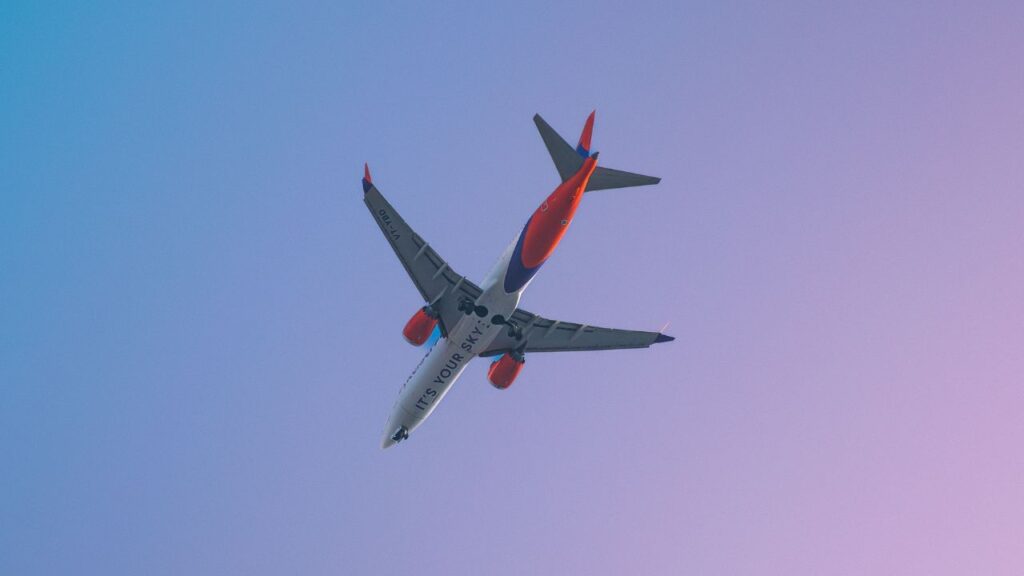
Akasa Air Boeing 737 MAX expansion — seven Boeing 737-8200 aircraft added through Akasa Air's third sale and leaseback deal with Avolon, the highest-capacity 737 MAX variant offering improved fuel efficiency and operating economics for India's fastest-growing new airline.
Akasa Air Boeing 737 MAX fleet is growing again — India’s Akasa Air is adding up to seven Boeing 737-8200 aircraft to its fleet through a new sale and leaseback agreement with aviation finance company and plane lessor Avolon.
The Akasa Air Boeing 737 MAX deal announced August 14, 2026 is the third transaction between Avolon and Akasa Air — a partnership that dates back to the airline’s launch in August 2022. The deal expands the partnership between Avolon and Akasa Air and will support the Indian airline’s continued fleet growth and network expansion.
For Indian travelers, the Akasa Air Boeing 737 MAX fleet expansion is a direct commercial signal — more aircraft means more routes, more frequency, and more competition on India’s domestic and short-haul international network against IndiGo’s dominant 66.3% market share.
The Aircraft: What Makes the 737-8200 Different
The Akasa Air Boeing 737 MAX aircraft being added is specifically the 737-8200 — the highest-capacity variant of the 737-8 MAX family, and the version that defines the commercial proposition most clearly.
The Boeing 737-8200 is the highest-capacity variant of the 737-8 MAX. According to Avolon, the aircraft offers improved operating economics, along with lower fuel consumption and emissions compared with previous-generation aircraft.
The 737-8200 — also known as the MAX 200 — was originally developed at the request of Ryanair, which wanted the maximum number of seats in a narrow-body without moving to a wide-body aircraft. The 737-8200 achieves its higher capacity through denser seating configurations that the redesigned cabin can accommodate without passenger comfort degradation — Ryanair and later other low-cost operators found they could fit 197 seats in a 737 airframe that previously held 162 in the standard -800.
For Akasa Air — which operates as a low-cost carrier on India’s price-sensitive domestic market — the 737-8200’s higher seat count is a direct unit cost reducer. More seats spread the fixed costs of fuel, crew, landing fees, and maintenance across a larger revenue base, enabling lower per-seat fares that are the foundation of Akasa’s competitive positioning against IndiGo’s 66% market share.
The fuel efficiency advantage is equally significant. Avolon said the 737-8200 has attracted strong demand from airlines looking to improve efficiency while continuing to expand. Against the backdrop of 2026’s jet fuel price surge — which has devastated Thai Airways’ profitability and strained Singapore Airlines’ margins — flying the most fuel-efficient version of the most fuel-efficient narrow-body type is a meaningful operating cost advantage.
The Avolon Relationship: Third Deal Since Launch
The latest transaction is the third between Avolon and Akasa Air, according to Akasa’s Chief of Governance and Strategic Acquisitions Priya Mehra. “We are pleased to further strengthen our partnership with Avolon through this third transaction, adding seven Boeing 737-8200 aircraft to our fleet. This continued collaboration is a testament to our shared long-term conviction in Akasa Air’s growth trajectory and the strength of the Indian aviation market.”
The three-deal relationship between Avolon and Akasa spans the airline’s entire history. Avolon has been involved since the very beginning — the first transaction came when Akasa was preparing for its August 2022 launch, before it had carried a single passenger. Each subsequent deal has expanded the fleet as Akasa has grown from zero to its current network of Indian domestic routes.
Ramón Stortini, Managing Director, Middle East, Africa and South Asia at Avolon, said the company was pleased to expand its partnership with Akasa, which dates back to the launch of the airline. “India remains one of the most compelling growth markets in global aviation, supported by strong economic fundamentals and increasing demand for air travel.”
The sale and leaseback structure is the commercial mechanism that Akasa uses — like most LCCs — to preserve capital while expanding fleet. In a sale-leaseback, Akasa sells the aircraft it has ordered from Boeing to Avolon and simultaneously leases them back for operational use. Akasa receives immediate cash from the sale, which it deploys for operations and growth, while Avolon holds the aircraft on its books and earns the lease rental. The net effect for Akasa is fleet expansion without the full capital burden of aircraft ownership.
Avolon had an owned, managed and committed fleet of 1,117 aircraft as of June 30 this year, working with 138 airlines across 60 countries. For a lessor of this scale — with diversified exposure across 138 airlines — placing seven aircraft with India’s fastest-growing new carrier is a relatively small transaction that nevertheless signals strong confidence in Akasa’s creditworthiness and India’s aviation market trajectory.
Akasa Air’s Growth Story: From Zero to Expansion in Four Years
The Akasa Air Boeing 737 MAX fleet expansion needs to be read against the remarkable trajectory of the airline itself — which went from regulatory approval to actual flight operations in four years, entering a market dominated by IndiGo’s 66%+ domestic share and a graveyard of failed Indian carriers.
Akasa Air was founded by the late Rakesh Jhunjhunwala — India’s most celebrated retail investor, who invested ₹250 crore personal capital in the venture before his passing in August 2022, just days before the airline’s first flight. The Jhunjhunwala family retained its stake, and the airline has continued its expansion under CEO Vinay Dube and CFO Ankur Goel.
The all-Boeing 737 MAX fleet is a deliberate commercial choice. Operating a single aircraft type simplifies maintenance, training, scheduling, and spare parts management — a lesson from the complexity that plagued SpiceJet’s mixed-fleet approach. The 737-8200’s common type rating with the 737-8 and 737-10 MAX means pilots trained on any MAX variant can operate across Akasa’s current and future fleet.
The Avolon deal adds seven 737-8200s to a fleet that has been growing steadily since 2022. Each aircraft addition enables one or more new routes, or increased frequency on existing routes — giving Indian travelers more options and driving the competitive pressure on IndiGo that keeps domestic fares from rising unchecked.
What This Means for Indian Travelers
The Akasa Air Boeing 737 MAX fleet expansion has specific practical implications for Indian travelers.
More routes. Every 737-8200 that joins the Akasa fleet creates the operational capacity for new destinations or increased frequency on existing ones. Akasa has been expanding its network from its hubs at Mumbai, Bengaluru, and Delhi — each new aircraft extends the reach further.
Competitive fares. IndiGo’s 66%+ domestic market share gives it pricing power that India’s aviation market needs competition to discipline. Akasa’s fleet expansion — growing the airline’s capacity to compete on key trunk routes and secondary routes — creates the supply-side pressure that keeps IndiGo’s fares honest. Indian travelers looking for competitive Delhi–Mumbai, Bengaluru–Hyderabad, or Mumbai–Kolkata fares benefit from a stronger Akasa presence on those routes.
Newer aircraft. The 737-8200 MAX is a generation newer than the Boeing 737-800s that dominate much of India’s domestic fleet. The MAX cabin is quieter, the air circulation is better, and the fuel burn improvement makes the airline financially healthier — a healthier airline invests more in product and service. For short-haul Indian domestic travelers, the difference is marginal but real.
Akasa’s international ambitions. Akasa has been preparing for international operations — Southeast Asian destinations including Bangkok, Singapore, and Kuala Lumpur have been discussed publicly. The 737-8200’s range and fuel efficiency make it viable for short international routes that fit Akasa’s low-cost model. More aircraft in the fleet accelerates the timeline to international launch.
For travel insurance covering Akasa Air domestic and future international flights, SafetyWing Nomad Insurance provides comprehensive coverage at affordable daily rates for Indian travelers.
FAQs — Akasa Air Boeing 737 MAX Avolon Deal 2026
Q: What aircraft is Akasa Air adding through the Avolon deal?
India’s Akasa Air is adding up to seven Boeing 737-8200 aircraft to its fleet through a new sale and leaseback agreement with aviation finance company and plane lessor Avolon. The Boeing 737-8200 is the highest-capacity variant of the 737-8 MAX, offering improved operating economics along with lower fuel consumption and emissions compared with previous-generation aircraft. The deal is the third transaction between Avolon and Akasa Air, following two earlier deals that also brought 737 MAX aircraft into the Akasa fleet.
Q: What is a sale and leaseback deal and why does Akasa use this structure?
In a sale-leaseback arrangement, Akasa sells aircraft that it has ordered from Boeing to Avolon and simultaneously leases them back for operational use. Akasa receives immediate cash from the sale, which it deploys for operations and expansion, while Avolon holds the aircraft on its books as an asset and earns lease rental payments. The structure allows Akasa to expand its fleet without the full capital burden of aircraft ownership — common among low-cost carriers globally and the preferred structure for most Indian LCC fleet growth.
Q: Why is India described as one of the most compelling aviation markets globally?
Ramón Stortini of Avolon said: “India remains one of the most compelling growth markets in global aviation, supported by strong economic fundamentals and increasing demand for air travel.” India is adding approximately 100 million new air travelers per decade as its middle class grows. The domestic aviation market has recovered fully from the pandemic and is growing at 8–12% annually. Multiple new airports, expanded terminal capacity, and government PLI schemes for MRO infrastructure are all creating a structural expansion environment that no other aviation market of India’s scale can match.
Final Word
The Akasa Air Boeing 737 MAX seven-aircraft Avolon deal announced August 14, 2026 is a routine commercial transaction by the standards of Indian aviation’s rapid fleet expansion — but routine in Indian aviation in 2026 means something remarkable by any global comparison.
A four-year-old airline, launched in the middle of global aviation’s post-pandemic chaos by India’s most famous retail investor, is now executing its third fleet expansion deal with one of the world’s largest aircraft lessors, adding the highest-capacity variant of the world’s best-selling narrow-body, in what Avolon describes as one of the most compelling growth markets in global aviation. For Indian travelers, every 737-8200 that joins the Akasa fleet is another reason IndiGo’s pricing teams have to think carefully.
Also Read:
- IndiGo Rahul Bhatia Airfares — Cut Taxes Unlock Demand 2026
- Air India New CEO 2026 — Tewolde Gebremariam Appointed
- Air India Pilot Salary 2026 — 9–17% Hike From October
Official Sources:
- Gulf News — India’s Akasa Air Adds Seven Boeing 737 MAX Aircraft in Latest Avolon Deal
- Avolon Official Website
 China Accommodation Registration 2026: Indians Can Now Register Online, No Police Visit Needed

Thailand Baggage Screening 2026: Checked Bags Can Be Opened Without You From October 16
Thailand THIM App 2026: One Platform for TDAC, Visa Extension, 90-Day Report and Discounts

US Visa Wait Times Indians 2026: B1/B2 Up to 12 Months — All 5 Consulates Compared
China Accommodation Registration 2026: Indians Can Now Register Online, No Police Visit Needed
Thailand Baggage Screening 2026: Checked Bags Can Be Opened Without You From October 16
Thailand THIM App 2026: One Platform for TDAC, Visa Extension, 90-Day Report and Discounts
US Visa Wait Times Indians 2026: B1/B2 Up to 12 Months — All 5 Consulates Compared

Aaseem Bhardwaj is a journalist, seasoned traveler and IT professional based in India. With firsthand travel experience across Southeast Asia, East Asia, Middle East and Europe, Aaseem founded Travel Man Today to provide reliable visa updates and travel news for Indian passport holders. He has personally traveled to Thailand, Vietnam, Malaysia, Japan, Singapore, Hong Kong, South Korea, UAE and Europe. Follow his travel vlogs on YouTube at @travelmantoday




Templates for Indians