Nan Airport Flood 2026: Open But Allow 3–4 Hours, Flight FD3354 Diverted to Chiang Mai
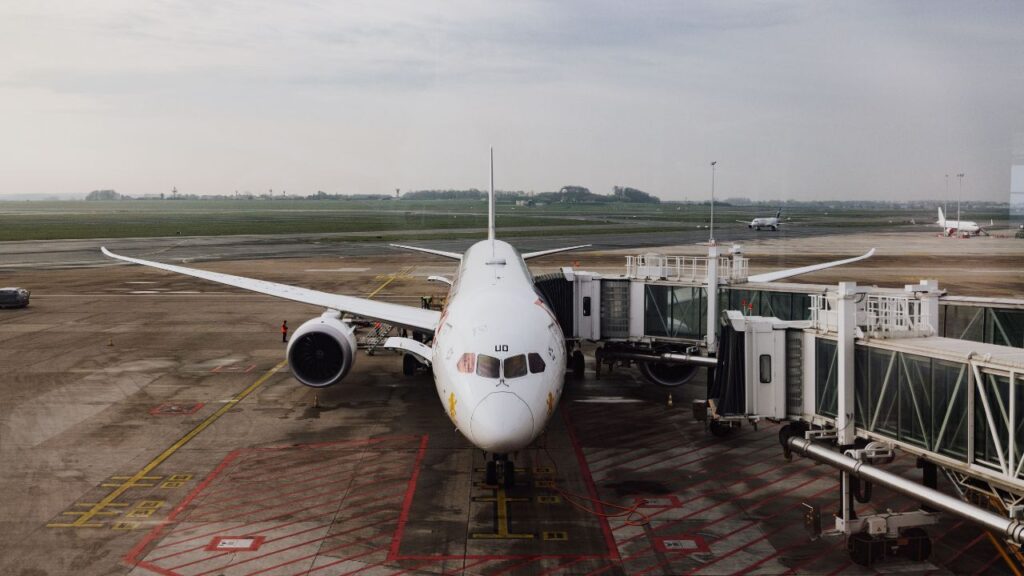
Nan airport flood 2026 — Nan Nakhon Airport remains operational under 24-hour DOA surveillance as provincial flooding affects road access, with CAAT advising passengers to allow 3–4 extra hours for road travel and confirming Thai AirAsia FD3354 diverted to Chiang Mai on August 19 before safely returning to Nan at 11.15am.
Quick answer: Nan Nakhon Airport is open and operating as of August 20. However, road access is restricted in some areas — allow at least 3–4 extra hours for the journey. Thai AirAsia FD3354 from Don Mueang was diverted to Chiang Mai at 8.30am on August 19 due to low visibility, and later returned to land safely at 11.15am. Passenger rights under CAAT Regulation 101 apply for any cancellations.
Nan airport flood 2026 situation is active but controlled — Nan Nakhon Airport remains open and flights are operating according to schedule despite heavy rain and flooding across several parts of Nan province, aviation authorities confirmed on August 19, 2026.
The Nan airport flood 2026 advisory from the Civil Aviation Authority of Thailand (CAAT) is the most detailed operational guidance yet for what is now a declared provincial flood emergency — two people have died, more than 16,000 residents are affected, Pua district has seen flash flooding across 12 subdistricts and 107 villages, and Bangkok–Thung Chang bus services have been forced to terminate at Pua rather than continuing to their destination.
For the full August 20 weather context including the 80% north thunderstorm coverage driving continued flooding, see our Thailand flood warning August 20 article.
What CAAT Has Confirmed: Open, But Prepare for Disruption
CAAT has given Indian travelers and all passengers a clear operational picture of the Nan airport flood 2026 situation with four specific advisories.
Nan Nakhon Airport is open. Aviation operations are continuing. This is not an airport closure — flights are scheduled and operating. The airport runways, taxiways, and terminal building are operational.
Road access is restricted in some areas. The journey to Nan Nakhon Airport from Nan city and surrounding areas is impaired by flood-damaged roads. Some routes are blocked or passable only with delays. CAAT’s specific advice: allow at least 3–4 hours for the journey to the airport. This is extraordinary guidance — a journey that normally takes 15–30 minutes from Nan city centre may now require 3–4 hours due to road conditions.
Individual flights may still be delayed, diverted or cancelled. Even though the airport is open, heavy rain, thunderstorms, strong winds and poor visibility may cause individual flights to be delayed, diverted or cancelled. The airport’s operational status does not guarantee every scheduled flight will depart or arrive on time.
24-hour surveillance is active. Nan Nakhon Airport and nearby airports have been placed under round-the-clock monitoring. Staff are checking water levels inside and outside the airport, monitoring drainage channels, and have backup generators prepared in case of power disruption from the Provincial Electricity Authority.
The FD3354 Diversion: What Happened and Why
The most concrete illustration of the Nan airport flood 2026 operational reality is the Thai AirAsia FD3354 incident from August 19.
Thai AirAsia flight FD3354 from Don Mueang was scheduled to arrive in Nan at 8.30am on August 19 but was diverted to Chiang Mai Airport because heavy rain had reduced visibility at Nan Nakhon Airport. Danai Ruangsorn, director-general of the Department of Airports, confirmed that the aircraft later returned and landed safely at Nan Nakhon Airport at 11.15am.
The sequence: FD3354 departed Don Mueang on schedule, approached Nan Nakhon Airport, found visibility below minimums due to heavy rain, executed a missed approach and diverted to Chiang Mai as the nearest alternate airport. After a weather window opened at Nan, the aircraft positioned back from Chiang Mai and landed at Nan at 11.15am — two hours and 45 minutes after the original scheduled arrival.
For passengers on FD3354 on August 19, this produced a significant delay and a period of uncertainty at Nan Airport. For passengers planning to fly in or out of Nan on August 20 and the coming days, the FD3354 precedent illustrates exactly what “flights may be delayed or diverted” means in practical terms.
The 24-Hour Monitoring: What Airport Staff Are Doing
Deputy Transport Minister Phattharaphong Phattharaprasit ordered the DOA to maintain round-the-clock surveillance after flash flooding in Pua district affected 12 subdistricts and 107 villages.
The monitoring regime at Nan Nakhon Airport covers five specific areas:
Water levels inside and outside the airport. Staff are checking drainage channels for blockages and ensuring water flow is unobstructed. An airfield that floods — even partially — becomes unusable for aircraft operations, which is why continuous drainage monitoring is the primary safety-of-operation concern.
Backup power. Generators have been prepared in case the Provincial Electricity Authority’s power-distribution system is disrupted. Airport lighting, navigation aids, and air traffic control systems require uninterrupted power — generator readiness is a mandatory preparation for any airport facing flood conditions.
Coordination with air traffic control and meteorological authorities. Nan Airport’s tower is coordinating directly with the TMD for weather updates and with CAAT’s operations centre for any operational decisions affecting scheduled flights.
Emergency response coordination with disaster authorities. The DOA must also facilitate flights operated by government agencies and private organisations carrying assistance to flood-affected communities. Nan Airport may be handling emergency relief flights alongside commercial scheduled services — a management complexity that further justifies the 24-hour monitoring.
Surrounding area monitoring. Areas around the airport — not just the airport perimeter — are being watched for conditions that could affect aircraft take-offs and landings. Obstructions from flood debris, livestock on approaches, or rising water near the runway threshold are all scenarios the monitoring team is tracking.
Your Rights If Your Nan Flight Is Cancelled or Delayed
The Nan airport flood 2026 situation triggered CAAT to proactively remind passengers of their rights — a useful reminder for any Indian traveler facing flight disruption in Thailand.
CAAT reminded passengers that they are entitled to assistance under Civil Aviation Board Regulation No. 101, which sets out measures protecting passengers on scheduled domestic and international flights. The regulation specifies airlines’ responsibilities when flights are delayed or cancelled or when passengers are denied boarding, including requirements covering information and assistance.
Passengers’ rights and any compensation will depend on the cause of the disruption. Weather-related delays and cancellations are treated differently from airline-caused disruptions. If your Nan flight is cancelled or diverted due to flooding and poor visibility — as was the case with FD3354 — the airline’s liability for compensation may be limited compared to a cancellation caused by the airline’s own operational failure. However, the airline is still required to provide information, rebooking assistance, and meals/accommodation in cases of extended delay.
For Indian travelers specifically: any flight disruption affecting your ability to catch an onward international flight from Bangkok or another Thai airport is potentially a travel insurance claim. Document everything — your booking confirmation, the notification of delay or cancellation, any additional costs incurred. For travel insurance covering Thailand flights including weather-related disruptions, SafetyWing Nomad Insurance provides comprehensive coverage at affordable daily rates for Indian travelers.
Practical Steps for Travelers With Nan Airport Bookings
If you have a flight to or from Nan Nakhon Airport in the next 48–72 hours, take these steps in order.
Step 1 — Check your flight status directly with the airline. Do not assume the flight is operating because the airport is open. Use the Thai AirAsia, Bangkok Airways, or Nok Air app (depending on your carrier) to check real-time flight status before leaving for the airport.
Step 2 — Check road conditions before departing. Check road status at doh.go.th (Highway Department) or call the Highway Department hotline 1586. Road conditions can change rapidly during active flooding. A route that was passable in the morning may be impassable by afternoon if additional heavy rain falls.
Step 3 — Allow 3–4 hours extra travel time. CAAT’s specific advisory. If your flight departs at 2pm and normally takes 20 minutes to reach the airport, leave by 9.30am today to build in the 3–4 hour buffer.
Step 4 — Have an alternative plan. If Nan is unreachable by road, consider whether Phrae Airport (50km south of Nan) or Chiang Rai Airport offer viable alternative routing to your destination. Thai AirAsia’s diversion precedent shows Chiang Mai is a viable alternate for Nan weather aborts.
Step 5 — File insurance claim documentation. If your flight is cancelled or significantly delayed, collect the airline’s written confirmation of the disruption cause. This documentation is required for any travel insurance weather delay claim.
Before any Thailand trip, complete the free TDAC at tdac.immigration.go.th within 72 hours before departure — use only the official government portal. UPI does not work in Thailand — carry Thai Baht or a zero-forex card.
FAQs — Nan Airport Flood 2026
Q: Is Nan Airport open during the August 2026 flooding?
Nan Nakhon Airport remains open and flights are operating according to schedule despite heavy rain and flooding across several parts of Nan province. Aviation authorities confirmed on August 19 that the airport is operational. However, road access to the airport is restricted in some areas, and travelers should allow at least 3–4 extra hours for their journey.
Heavy rain, thunderstorms, strong winds and poor visibility may still cause individual flights to be delayed, diverted or cancelled — check your flight status directly with your airline before departing.
Q: What happened to Thai AirAsia flight FD3354 at Nan?
Thai AirAsia flight FD3354 from Don Mueang was scheduled to arrive in Nan at 8.30am on August 19 but was diverted to Chiang Mai Airport because heavy rain had reduced visibility at Nan Nakhon Airport. The aircraft later returned and landed safely at Nan Nakhon Airport at 11.15am — approximately two hours and 45 minutes after the original scheduled arrival time. The diversion illustrates the risk that even when Nan Airport is open, poor weather visibility can force diversions on an approach-by-approach basis.
Q: What are my rights if my Nan flight is cancelled due to flooding?
CAAT has reminded passengers that they are entitled to assistance under Civil Aviation Board Regulation No. 101. The regulation specifies airlines’ responsibilities when flights are delayed or cancelled or when passengers are denied boarding, including information and assistance requirements.
However, weather-related cancellations may limit airline compensation liability compared to airline-caused disruptions. Always request written documentation of the disruption cause from the airline for travel insurance purposes, and contact your insurer promptly if the disruption affects onward connections or causes additional accommodation costs.
Final Word
The Nan airport flood 2026 situation is a textbook case of an airport staying open during a declared provincial emergency through careful monitoring, backup power preparation, and multi-agency coordination — while the surrounding infrastructure (roads, buses, some approach conditions) creates the real operational challenge.
For Indian travelers with Nan bookings, the CAAT advisory is precise: the airport is open, individual flights can still be affected, allow 3–4 hours for road travel, and monitor flight status continuously. The FD3354 diversion and safe return to Nan within the same morning shows the system working — aircraft diverting when conditions are unsafe, returning when they improve. Follow the same logic: check conditions, allow time, have a backup plan.
Also Read:
- Thailand Flood Warning August 20 — 80% North Northeast, Nan Emergency
- Nakhon Phanom Flood 2026 — City Submerged August 10
- Thailand Rain Flood Warning — North Heavy Rain Tue to Fri
Official Sources:
- Nation Thailand — Nan Airport Remains Open Despite Flood-Hit Road Access
- Civil Aviation Authority of Thailand — CAAT
 Thailand Itinerary Indians 5 Days: Bangkok, Ayutthaya, Chiang Mai — ₹31,250 Cost Breakdown

Trusted Thailand 2026: What the Safety Certification Means for Indian Travelers

UAE Flights Disruption 2026: SpiceJet India Routes Delayed, Air Canada Suspends to March 2027

EU Hand Luggage Rules 2026: What Actually Changed — and What Hasn’t Yet
Thailand Itinerary Indians 5 Days: Bangkok, Ayutthaya, Chiang Mai — ₹31,250 Cost Breakdown
Trusted Thailand 2026: What the Safety Certification Means for Indian Travelers
UAE Flights Disruption 2026: SpiceJet India Routes Delayed, Air Canada Suspends to March 2027
EU Hand Luggage Rules 2026: What Actually Changed — and What Hasn’t Yet

Aaseem Bhardwaj is a journalist, seasoned traveler and IT professional based in India. With firsthand travel experience across Southeast Asia, East Asia, Middle East and Europe, Aaseem founded Travel Man Today to provide reliable visa updates and travel news for Indian passport holders. He has personally traveled to Thailand, Vietnam, Malaysia, Japan, Singapore, Hong Kong, South Korea, UAE and Europe. Follow his travel vlogs on YouTube at @travelmantoday






Templates for Indians