India Boarding Pass Stamping 2026: No More Stamps from September 1
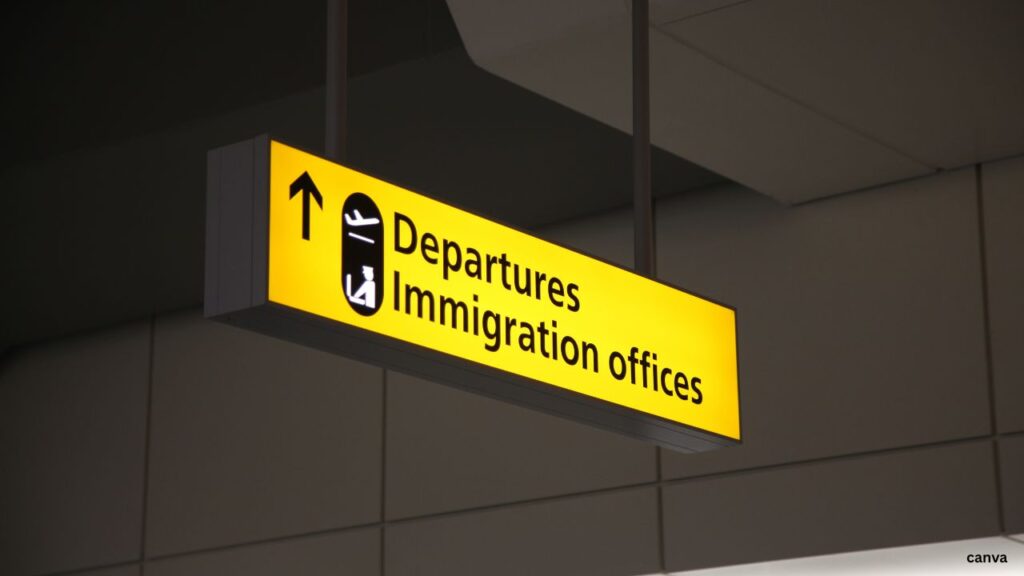
India boarding pass stamping 2026 ends September 1 — the Bureau of Immigration directive removes mandatory physical boarding pass stamping at immigration counters for all international departures from Indian airports, accepting e-boarding passes on smartphones as valid immigration clearance documents.
Quick answer: From September 1, 2026, the Bureau of Immigration has ended mandatory boarding pass stamping at immigration counters for international departures from all Indian airports. E-boarding passes on smartphones are now accepted. Physical boarding passes are still accepted — but will not be stamped. Keep your boarding pass accessible on screen before reaching immigration.
India boarding pass stamping 2026 ends on September 1 — international passengers departing from India will no longer need to get their boarding passes physically stamped at immigration counters, under a new Bureau of Immigration directive effective September 1, 2026.
The India boarding pass stamping 2026 change is the most visible procedural simplification at Indian international airports since CISF ended security checkpoint stamping several years ago. For every Indian traveling internationally from Delhi, Mumbai, Bengaluru, Chennai, Hyderabad, Kochi, and all other Indian international airports — this change removes one physical document step from the departure process and accelerates the immigration counter interaction.
For the broader India e-visa and digital aviation context, see our India e-visa entry points 2026 guide covering the 22 new entry points and the portal update status.
What Changes on September 1
The India boarding pass stamping 2026 directive from the Bureau of Immigration introduces three specific changes to the existing departure process.
E-boarding passes on smartphones will be accepted for immigration clearance. Previously, immigration officers required a physical stamped boarding pass as proof of a valid confirmed onward international flight. From September 1, the e-boarding pass displayed on your smartphone screen serves the same purpose. The immigration officer scans or visually confirms the e-boarding pass — the physical stamp is no longer applied.
Physical boarding passes will still be accepted, but will not be stamped. Travelers who print their boarding passes — either for preference or because they do not have reliable smartphone access — can continue presenting physical boarding passes at immigration. The officer confirms the boarding pass is valid but does not apply the immigration stamp.
The change applies to international departures from airports across India. This is not a pilot programme at select airports — the BOI directive covers all Indian international airports simultaneously from September 1.
The Bureau of Immigration said the old stamping process was creating inconvenience and occasionally led to errors when stamps were unclear or incorrectly placed. An illegible or misplaced stamp on a boarding pass created confusion at downstream checkpoints — particularly for passengers on multi-segment international journeys where the boarding pass passed through multiple airline and airport gates.
What Has Not Changed
The India boarding pass stamping 2026 change is specifically about the immigration counter process for departures. Several related processes are unchanged.
CISF security checkpoint. CISF (Central Industrial Security Force) stopped stamping boarding passes during security checks years ago. The September 1 change is about the immigration counter step — not the security checkpoint, which already operates without stamps.
Passport stamping. Your passport continues to receive departure stamps from immigration — this is an entirely separate process from boarding pass stamping and is unchanged. Your Indian passport receives an immigration departure stamp regardless of the boarding pass stamping change.
Airline gate checks. Airlines continue to scan your boarding pass barcode at the boarding gate. The airline’s gate scan is independent of immigration’s stamp process — both have always been independent functions.
Visa requirements and immigration clearance. The immigration officer’s responsibility to verify your travel documents — passport, visa, residence permit if applicable — is unchanged. The only change is the removal of the stamp from the boarding pass after that verification.
The Bigger Direction: India Moving Toward Digital Immigration
The India boarding pass stamping 2026 change is the first step in a broader digital immigration transformation.
The government is also preparing to remove immigration entry and exit stamping for Indian passport holders following a pilot exercise. That would be a bigger change. If implemented nationwide, Indian travellers could eventually move through international immigration without carrying passports filled with physical entry and exit stamps.
The broader direction is clear: Indian airports are moving more of the international travel process from paper documents towards digital verification, much like systems already being adopted at major airports worldwide.
Singapore’s ICA already operates e-gates that clear passengers with a biometric scan and digital boarding pass — no stamps, no counters for eligible nationalities. Japan’s Narita and Haneda have been piloting QR-based departure processes alongside the traditional Edmondson ticket replacement we covered. Suvarnabhumi is expanding automated passport control to 31 nationalities. The India boarding pass stamping 2026 change places India on the same digital direction curve as these airports — starting with the lowest-friction change (boarding pass stamping) and building toward the more ambitious goal of passport stamp elimination.
India’s Digi Yatra system — biometric-based boarding at domestic airports — is the domestic aviation parallel. Extending the digital verification philosophy to international departures through the BOI e-boarding pass acceptance is a natural progression from Digi Yatra’s foundation.
What Indian Travelers Must Do From September 1
The India boarding pass stamping 2026 directive has five specific actions that every Indian flying internationally from September 1 should take.
Download and screenshot your e-boarding pass before reaching the airport. The e-boarding pass is only useful at immigration if it is accessible on your screen without internet connectivity. Download it or screenshot it — do not rely on accessing it through the airline app’s live server if you have intermittent airport WiFi.
Ensure your phone screen brightness is adequate. An e-boarding pass on a dim screen cannot be easily read by an immigration officer. Before joining the immigration queue, increase your screen brightness to maximum and open the boarding pass.
Keep a printed backup for now. Digital processing is expanding, but having a printed boarding pass can still save time if your phone battery, app or internet connection lets you down. For the first few months of the new system, a paper backup is sensible insurance.
Arrive with your boarding pass already open, not searching for it. The immigration queue benefits when passengers interact quickly with the officer. Searching for your e-boarding pass while standing at the counter creates delay for you and the queue behind. Open it before joining the queue.
Check your airline’s e-boarding pass format. Some airlines issue boarding passes as PDFs, some as app screens, some as wallet passes. All are valid — but confirm your specific boarding pass format displays correctly offline before departing the airport.
| India Boarding Pass Stamping 2026 — What Changes and What Doesn’t | Status |
|---|---|
| Boarding pass stamping at immigration | ❌ Ends September 1 — no more stamps |
| E-boarding pass on smartphone at immigration | ✅ Now accepted from September 1 |
| Physical boarding pass at immigration | ✅ Still accepted — but not stamped |
| CISF security checkpoint stamp | Already ended — no change |
| Passport departure stamp from immigration | ✅ Unchanged — still applied |
| Airline gate scan | ✅ Unchanged — still required |
| Immigration document verification | ✅ Unchanged — officer still checks passport and visa |
| Digi Yatra domestic biometric boarding | ✅ Unchanged — separate system |
| Future: passport entry/exit stamp removal | 🔄 Pilot under consideration — not yet active |
What This Means for Different Types of Indian Travelers
The India boarding pass stamping 2026 change has different practical implications depending on your travel style.
Frequent business travelers. The primary beneficiary. Frequent flyers who have already optimised every second of their airport experience — online check-in, priority immigration, Digi Yatra registration — now remove one more physical document handling step. The e-boarding pass acceptance at immigration consolidates the departure process further toward a phone-only experience.
First-time international travelers. The most important advice for first-time flyers: download your boarding pass as a screenshot or PDF before leaving home. Do not assume airport WiFi will be available when you need it at the immigration counter. A phone with the boarding pass and a printed backup is the safest combination for first-time international departures.
Families with children. Managing multiple boarding passes for a family of four or five at an immigration counter is significantly easier when all passes are accessible on a single phone screen, with each family member’s pass in a screenshot album rather than requiring individual paper documents.
Senior travelers and those less comfortable with smartphone technology. Physical boarding passes remain accepted — there is no obligation to use an e-boarding pass. Travelers who prefer printed documents can continue printing their boarding pass and presenting it at immigration unchanged, with the only difference being the absence of the stamp.
For travel insurance covering international flights departing from Indian airports, SafetyWing Nomad Insurance provides comprehensive coverage at affordable daily rates for Indian travelers.
FAQs — India Boarding Pass Stamping 2026
Q: From when does India stop stamping boarding passes at immigration?
International passengers departing from India will no longer need to get their boarding passes physically stamped at immigration counters from September 1, 2026, under a new Bureau of Immigration directive. The change applies to international departures from airports across India — not a pilot at select airports. E-boarding passes on smartphones are accepted for immigration clearance from September 1. Physical boarding passes are still accepted but will not be stamped.
Q: Do I still need a physical boarding pass after September 1?
No — e-boarding passes on smartphones are now accepted for immigration clearance. Physical boarding passes will still be accepted but will not be stamped. Travelers should keep their boarding pass accessible on their phone before reaching immigration, and downloading or screenshotting it before reaching the airport is recommended to avoid relying on internet connectivity at the immigration counter. Keeping a paper copy as a backup is sensible until the new process settles across airports.
Q: Will my passport still be stamped when I depart India internationally?
Yes — passport departure stamping by immigration officers is unchanged. The September 1 change removes the stamp from the boarding pass only — the passport stamp confirming your international departure continues to be applied. The government is separately considering the removal of passport entry and exit stamping for Indian passport holders following a pilot exercise, but that is a future development that has not been implemented.
Final Word
The India boarding pass stamping 2026 change from September 1 is the kind of practical improvement that frequent international flyers have been expecting for years — a paper-based procedural step that served a legitimate document verification purpose but whose verification function is now better served by digital confirmation.
The Bureau of Immigration’s direction is aligned with global aviation’s digital transformation: Singapore’s e-gates, Japan’s QR rail tickets, Suvarnabhumi’s biometric auto-gates. India’s boarding pass stamp was not a security measure — CISF ended security checkpoint stamping years ago. It was a procedural document control measure.
From September 1, that control is digital. Download your boarding pass, screenshot it, check your screen brightness before the queue, and keep a paper backup for the first few months. Then enjoy one less fumble at the immigration counter.
Also Read:
- India E-Visa Entry Points 2026 — 22 New Locations, Total 88
- ANA Japan Flights India 2026 — Hello Blue Sale Delhi from ₹40K
- SafetyWing Nomad Insurance — Full Review for Indians
Official Sources:
 Thailand Itinerary Indians 5 Days: Bangkok, Ayutthaya, Chiang Mai — ₹31,250 Cost Breakdown

Trusted Thailand 2026: What the Safety Certification Means for Indian Travelers

UAE Flights Disruption 2026: SpiceJet India Routes Delayed, Air Canada Suspends to March 2027

EU Hand Luggage Rules 2026: What Actually Changed — and What Hasn’t Yet
Thailand Itinerary Indians 5 Days: Bangkok, Ayutthaya, Chiang Mai — ₹31,250 Cost Breakdown
Trusted Thailand 2026: What the Safety Certification Means for Indian Travelers
UAE Flights Disruption 2026: SpiceJet India Routes Delayed, Air Canada Suspends to March 2027
EU Hand Luggage Rules 2026: What Actually Changed — and What Hasn’t Yet

Aaseem Bhardwaj is a journalist, seasoned traveler and IT professional based in India. With firsthand travel experience across Southeast Asia, East Asia, Middle East and Europe, Aaseem founded Travel Man Today to provide reliable visa updates and travel news for Indian passport holders. He has personally traveled to Thailand, Vietnam, Malaysia, Japan, Singapore, Hong Kong, South Korea, UAE and Europe. Follow his travel vlogs on YouTube at @travelmantoday






Templates for Indians