India E-Visa Entry Points 2026: 22 New Locations Added, Total Now 88
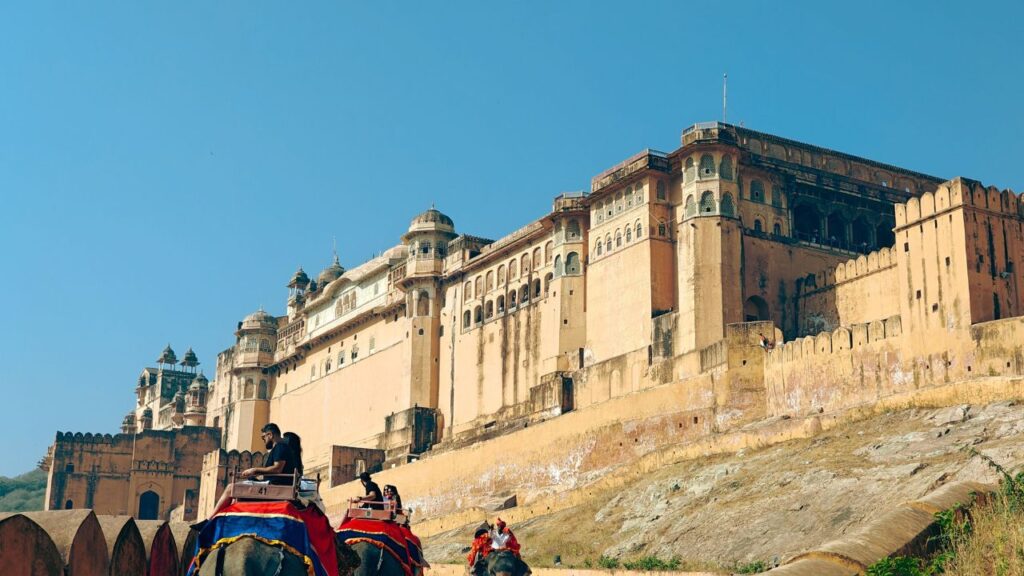
India e-visa entry points 2026 expanded to 88 total by MHA notification August 10 — adding Bhopal and Tirupati airports plus nine land crossings including Attari (Pakistan), Dawki (Bangladesh-Meghalaya), Jaigaon (Bhutan) and Moreh (Myanmar).
India e-visa entry points 2026 have been expanded — India has expanded the number of entry points accessible to e-visa holders, adding 22 new locations, including the Attari land crossing on the India-Pakistan border, bringing the total to 88 ports of entry where travellers on an electronic visa can arrive in the country.
The Ministry of Home Affairs notified the change on August 10, 2026. The expanded network now covers 37 airports, 38 seaports, and 13 land ports, with the latest additions spread across both border crossings and domestic airports.
The India e-visa entry points 2026 expansion is the most significant single-batch expansion of the system since it launched in 2014 — India introduced the e-visa facility in 2014 as part of efforts to liberalise and simplify its visa regime. The system initially covered nationals of 43 countries and has progressively expanded in terms of eligible nationalities, visa categories and designated entry points. Today the e-visa covers 172 nationalities across 17 sub-categories of travel including tourism, business, medical treatment, student visits, mountaineering, cruises, and group tourism.
The 22 New Entry Points: Airports, Land Ports and What Changed
The India e-visa entry points 2026 expansion covers two new airports and nine new land border crossings — plus 11 additional seaports added in April 2026 in a separate MHA notification, which together bring the total to 88.
Two New Airports:
The two newly designated airports are Bhopal Airport in Madhya Pradesh and Tirupati Airport in Andhra Pradesh. Their inclusion expands e-visa access beyond India’s traditionally prominent international gateways and gives foreign visitors additional options for reaching important destinations in central and southern India.
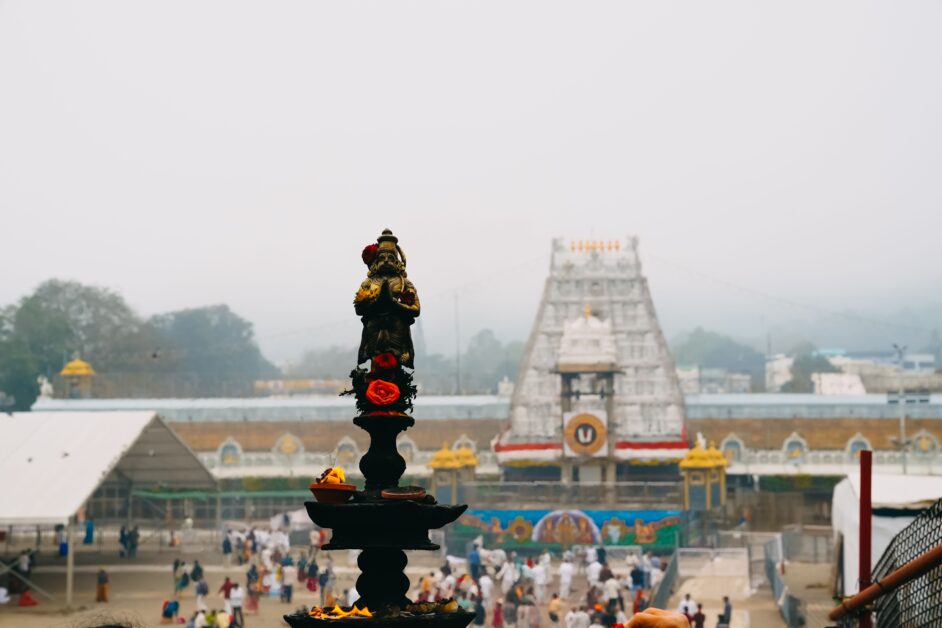
Bhopal Airport’s inclusion opens direct e-visa arrival access to Madhya Pradesh — home to Sanchi’s Great Stupa (UNESCO World Heritage Site), Khajuraho’s temples, Kanha and Bandhavgarh tiger reserves, and the cave paintings of Bhimbetka. Until now, international visitors arriving on e-visas had to route through Delhi or Mumbai and connect domestically to Bhopal — adding transit time and complexity.
Tirupati Airport’s addition provides direct e-visa entry access to the Sri Venkateswara temple at Tirumala — the world’s most visited religious site by annual pilgrims — and the surrounding Andhra Pradesh region including Vijayawada and the emerging heritage corridors of South India.

Nine New Land Border Crossings:
The nine newly notified land entry points are Agartala, Darranga, Gede, Ghojadanga, Haridaspur, Jaigaon, Dawki, Moreh and Attari (Road). These crossings connect India with neighbouring countries including Bangladesh, Bhutan, Myanmar and Pakistan, making the development particularly relevant to India’s border connectivity and immigration framework.
Breaking down by neighbouring country:
Bangladesh crossings: Gede (West Bengal), Ghojadanga (West Bengal), Haridaspur (West Bengal), Agartala (Tripura). These four crossings on the India-Bangladesh border are the most commercially significant for international travelers — the India-Bangladesh overland corridor supports substantial regional tourism and cross-border movement.
Bhutan crossing: Jaigaon (West Bengal) — the primary India-Bhutan overland crossing, connecting Phuntsholing on the Bhutan side to the Dooars region of West Bengal.
Myanmar crossing: Moreh (Manipur) — the primary India-Myanmar overland crossing, connecting Imphal-based tourism to the India-Myanmar-Thailand highway corridor.
Assam crossing: Darranga — on the Assam-Bhutan border.
Meghalaya crossing: Dawki — the primary India-Bangladesh crossing in the northeast, famous for the crystal-clear Dawki River and the Shillong-Dhaka overland route.
Pakistan crossing: Attari (Road) — the Wagah border crossing between Amritsar and Lahore, the most iconic India-Pakistan land crossing. The inclusion on the e-visa list is symbolically significant — but the most prominent crossing named in the order — Attari on the Indian side of the India-Pakistan border — has been physically closed to civilian movement since May 2025 with no reopening announced.
| India E-Visa Entry Points 2026 — Full Expansion | Category | Count |
|---|---|---|
| Total ports of entry (after expansion) | All categories | 88 |
| Airports | International airports | 37 |
| Seaports | Coastal and river ports | 38 |
| Land ports | Border crossings | 13 |
| New airports added (August 10) | Bhopal, Tirupati | 2 |
| New land crossings (August 10) | Agartala, Darranga, Gede, Ghojadanga, Haridaspur, Jaigaon, Dawki, Moreh, Attari Road | 9 |
| Additional seaports added (April 2026) | 14 coastal seaports | 14 |
| e-Visa eligible nationalities | — | 172 |
| e-Visa travel sub-categories | Tourism, business, medical, student, etc. | 17 |
The Critical Caveat: Portal Not Yet Updated
The most important practical warning about the India e-visa entry points 2026 expansion is that official announcement and operational implementation are not the same thing — and right now they are not aligned.
As of 11 August 2026, the drop-down menus on indianvisaonline.gov.in still reflect the pre-notification roster: 34 airports (Bhopal and Tirupati are missing), and just four land posts. Attari, Dawki, Gede, Ghojadanga, Haridaspur, Jaigaon and Moreh show only in the exit column.
The official e-Visa portal has not yet incorporated the latest expansion, and the Ministry’s published list contains uncertainty surrounding Darranga, which has already been available to e-Visa holders since March 2026.
This creates a specific procedural problem. Travellers must declare their intended port of entry in the e-Visa application; if the dropdown menu does not offer it, the field cannot be selected. Airlines and road transporters, meanwhile, rely on the published entry lists when policing boarding requirements.
What this means for travellers planning to use the new entry points:
Do not attempt to enter India through any of the newly announced land ports or the new Bhopal and Tirupati airports until indianvisaonline.gov.in has been updated to include them in the application dropdown. If the port cannot be selected at application, you cannot legally designate it as your entry point on the e-visa.
Monitor indianvisaonline.gov.in directly for the portal update. The lag between MHA notification and portal implementation varies — it could be days or several weeks.
What This Means for International Travelers Visiting India
The India e-visa entry points 2026 expansion has genuinely significant practical implications for the categories of international traveler most commonly visiting India.
Nature and wildlife tourists. The expansion of e-visa to land border crossings from Bangladesh and Bhutan opens the Dooars, the Kaziranga-Assam corridor, and the northeast circuits to international travelers who can now arrive overland rather than routing through Kolkata or Guwahati airports. The Bhutan-India corridor through Jaigaon is particularly relevant for travelers doing a Bhutan-India combined itinerary.
Religious pilgrims. Tirupati’s airport addition makes direct international arrival possible for the world’s most visited pilgrimage site. International devotees from the United States, UK, Singapore, Malaysia, and the Gulf — where large Telugu-speaking diaspora communities are based — can now designate Tirupati as their e-visa entry airport rather than Hyderabad or Chennai.
Central India heritage travelers. Bhopal Airport’s addition gives direct e-visa access to Madhya Pradesh’s extraordinary heritage and wildlife portfolio. The Bhopal-Sanchi-Khajuraho-Kanha circuit has been limited to travelers arriving via Delhi or Mumbai — Bhopal’s inclusion removes that routing requirement.
India recorded around 4.344 million foreign tourist arrivals between January and June 2026. Tourism is an important part of India’s service economy, supporting hotels, restaurants, transport services, local businesses and tourism-related employment.
Air Suvidha 2.0 and e-Arrival Card: What Travelers Must Complete
Alongside the India e-visa entry points 2026 expansion, international travelers must be aware of two mandatory pre-arrival digital requirements.
In addition to their e-Visa, foreign travelers must also complete the e-Arrival Card within 72 hours before arriving in India, as well as the Air Suvidha 2.0 health declaration, which was reinstated in June 2026 and must be submitted before immigration clearance.
Both forms are free and must be completed through official government portals before arrival. The e-Arrival Card replaces the paper immigration landing card. Air Suvidha 2.0 is the health declaration portal at airsuvidha.civilaviation.gov.in.
For travel insurance covering India trips including medical emergencies at newly opened destinations like Bhopal and Tirupati, SafetyWing Nomad Insurance provides comprehensive coverage at affordable daily rates for Indian and international travelers.
FAQs — India E-Visa Entry Points 2026
Q: How many entry points does India’s e-visa now cover after the August 2026 expansion?
India has expanded the number of entry points accessible to e-visa holders, adding 22 new locations, including the Attari land crossing on the India-Pakistan border, bringing the total to 88 ports of entry. The expanded network now covers 37 airports, 38 seaports, and 13 land ports. The expansion was notified by the Ministry of Home Affairs on August 10, 2026. However, the official e-visa application portal at indianvisaonline.gov.in has not yet been updated — travellers should verify portal availability for their intended entry point before applying.
Q: Which new airports and land ports have been added to India’s e-visa network?
The two newly designated airports are Bhopal Airport in Madhya Pradesh and Tirupati Airport in Andhra Pradesh. The nine newly notified land entry points are Agartala, Darranga, Gede, Ghojadanga, Haridaspur, Jaigaon, Dawki, Moreh and Attari (Road). These crossings connect India with neighbouring countries including Bangladesh, Bhutan, Myanmar and Pakistan. The Attari (Wagah border) crossing is listed but has been physically closed to civilian movement since May 2025 with no reopening announced.
Q: Can I use the newly announced India e-visa entry points immediately?
Not yet. As of 11 August 2026, the dropdown menus on indianvisaonline.gov.in still reflect the pre-notification roster — Bhopal and Tirupati are missing from the airport list, and the new land ports appear only in the exit column rather than the entry column. Travellers must declare their intended port of entry in the e-visa application. If the portal dropdown does not offer the new entry point, the application cannot be completed with that designation. Wait for the portal to be updated before applying with any of the newly announced entry points.
Final Word
The India e-visa entry points 2026 expansion to 88 total ports — adding Bhopal and Tirupati airports, nine land border crossings with Bangladesh, Bhutan, Myanmar, and Pakistan, and 14 seaports in April — is a meaningful step toward making India more accessible for international travelers arriving through non-traditional gateways.
The practical impact of Tirupati’s airport addition for religious tourism, Bhopal’s addition for central India heritage tourism, and the northeast land crossing additions for overland regional travel will materialise once the indianvisaonline.gov.in portal is updated to reflect the new designations.
Until then, the announcement is policy-in-progress rather than policy-in-practice. Monitor the official e-visa portal at indianvisaonline.gov.in for the update — and do not apply for e-visas designating the new entry points until they appear in the dropdown.
Also Read:
- South Africa ETA Indians — ZAR 500 Fee From August 17 2026
- Oman Free Visa Indians — 14 Days Free, Convert to Longer Stay
- SafetyWing Nomad Insurance — Full Review for Indians
Official Sources:
- Economic Times Supply Chain — India Widens e-Visa Access With 22 More Entry Points
- India e-Visa Official Portal
 Thai Airways Flood Waiver 2026: Free Date Change Sept 26–Oct 11, Same Route and Class
AirAsia Thailand 2026: Analysts Warn AAV Faces Risk From Malaysian Parent’s Fuel Crisis

Suvarnabhumi Baggage Delay 2026: Thai Airways Backlog Sept 26–27, Contact Numbers
Bangkok Flooding 2026: All 50 Districts Disaster Zones, Airports Still Operating

Thai Airways Flood Waiver 2026: Free Date Change Sept 26–Oct 11, Same Route and Class
AirAsia Thailand 2026: Analysts Warn AAV Faces Risk From Malaysian Parent’s Fuel Crisis
Suvarnabhumi Baggage Delay 2026: Thai Airways Backlog Sept 26–27, Contact Numbers
Bangkok Flooding 2026: All 50 Districts Disaster Zones, Airports Still Operating

Aaseem Bhardwaj is a journalist, seasoned traveler and IT professional based in India. With firsthand travel experience across Southeast Asia, East Asia, Middle East and Europe, Aaseem founded Travel Man Today to provide reliable visa updates and travel news for Indian passport holders. He has personally traveled to Thailand, Vietnam, Malaysia, Japan, Singapore, Hong Kong, South Korea, UAE and Europe. Follow his travel vlogs on YouTube at @travelmantoday





Templates for Indians


4 thoughts on “India E-Visa Entry Points 2026: 22 New Locations Added, Total Now 88”