Hong Kong Airport Terminal 2 2026: New AI-Powered Hub Open Since May 27
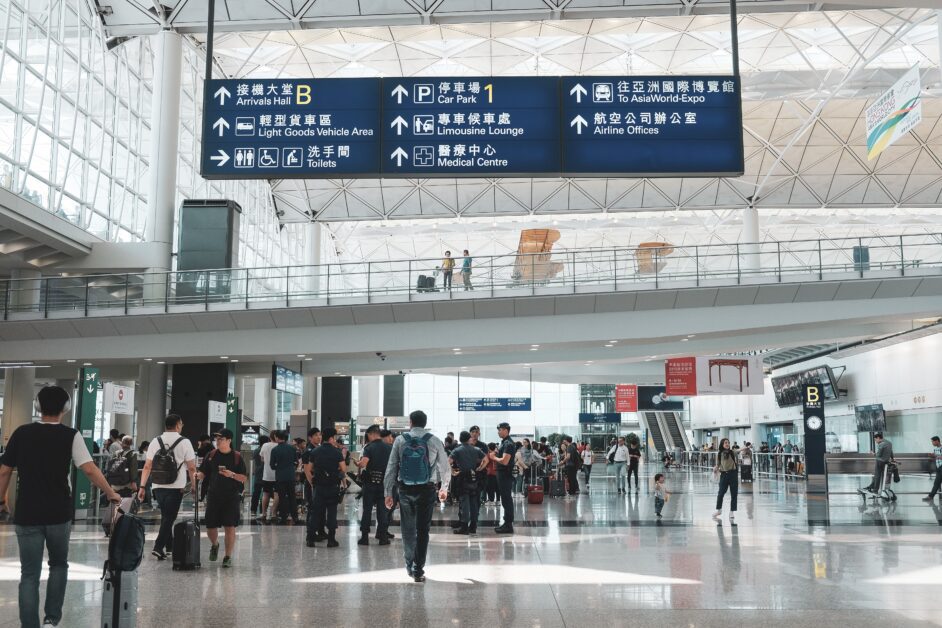
Hong Kong Airport Terminal 2 2026 departure hall — the rebuilt HKIA Terminal 2 features large LED screens with ocean-themed displays under a sweeping feather-shaped cantilever roof, with 24-hour dining and retail serving 15 regional airlines now handling departures to mainland China, Japan, Korea, Southeast Asia, and the Greater Bay Area.
Quick answer: Hong Kong International Airport’s rebuilt Terminal 2 reopened its passenger departure facilities on May 27, 2026 — the most significant terminal expansion in Asia this year. Terminal 2 now handles 15 regional airlines on short-haul routes to China, Japan, Korea, Southeast Asia, and the Greater Bay Area. The terminal features AI-powered check-in, ocean-themed LED displays, a feather-shaped cantilever roof, 24-hour dining, and an automated people mover to existing gate areas. It is designed to handle 8 million passengers in its first year of operation.
Hong Kong Airport Terminal 2 2026 is now operational — Hong Kong International Airport’s rebuilt Terminal 2 reopened its passenger departure facilities on May 27, 2026, marking one of the most important terminal expansions in Asia this year. The opening is tied directly to the airport’s broader three-runway system that commenced operations in November 2024, which is set to expand HKIA’s total capacity by 50%.
The Hong Kong Airport Terminal 2 2026 facility is more than a reopening of the building that was closed since 2019 for three-runway works. It is a comprehensively rebuilt facility featuring AI-powered check-in infrastructure, distinctive architectural features inspired by Norman Foster’s original Terminal 1, 24-hour dining and retail, and a specifically designed role as the regional short-haul hub for 15 airlines moving their departures from the existing Terminal 1.
For Indian travelers visiting Hong Kong — particularly those using HKIA as a transit hub to connect to mainland China, Japan, South Korea, or Southeast Asian destinations — the Hong Kong Airport Terminal 2 2026 expansion changes the airport experience fundamentally. The terminal you depart from in 2026 may now be different from your previous Hong Kong visits. See our Hong Kong Macau itinerary Indians guide for the full Hong Kong travel guide.
What Terminal 2 Actually Looks Like: Architecture and Features
The Hong Kong Airport Terminal 2 2026 design is a direct architectural response to the challenge of following Norman Foster’s iconic Terminal 1 — the 1998 masterpiece with its pillarless interior and wave-shaped vaulted ceiling that influenced airport design globally for decades.
The departure hall features large LED screens with ocean-themed displays that run across the ceiling and walls. The cantilever roof — the structure’s most photographed architectural element — creates a sweeping sense of space over the terminal’s entrance with five vehicle lanes set under the canopy. Tommy Leung King-yin, Executive Director of Engineering and Technical Services for the Airport Authority Hong Kong, said the design team considered myriad details to create a passenger experience worthy of following Terminal 1.
The roof form has been described as “feather-shaped” — a reference to the visual weight and lightness of the cantilever structure overhead. Waterfall displays — architectural water features creating both visual interest and acoustic dampening — complement the LED ocean-theme installations inside the departure hall.
In addition to offering 24-hour dining and retail outlets, Terminal 2 has structural features that are crucial to the passenger experience. The 24-hour operations distinguish Terminal 2 from many terminal expansions that operate restricted hours — Hong Kong’s hub role as a connection point between time zones requires genuine round-the-clock functionality.
The 15 Airlines and Their Routes: Who Moved to Terminal 2
Airline relocations to Terminal 2 began in phases from May 27, 2026. Fifteen airlines operating mainly regional services are scheduled to transfer their departure check-in operations to the upgraded facility. The relocation programme continued through mid-June in preparation for the busy summer holiday season.
The expanded Terminal 2 is positioned as a home base for carriers operating mainly short-haul and regional services, particularly to destinations across mainland China, Japan, Southeast Asia, and the wider Guangdong-Hong Kong-Macao Greater Bay Area.
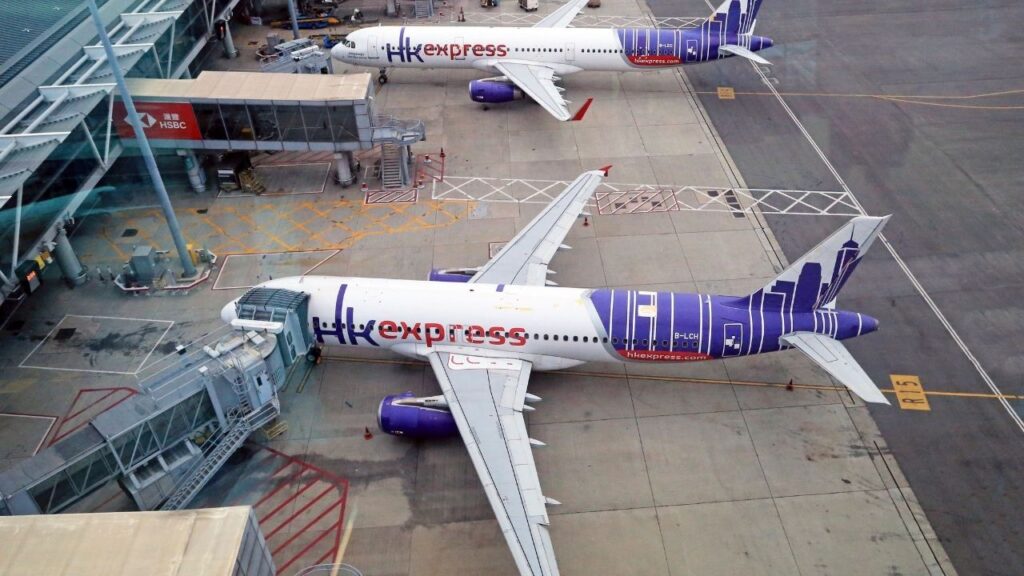
The airline roster in Terminal 2 is concentrated in the regional carriers that provide the highest frequency, lowest-frills service on these routes — Hong Kong Express (HKExpress, Cathay’s budget carrier), Greater Bay Airlines, Air Macau, and multiple mainland Chinese carriers that serve Hong Kong from Beijing, Shanghai, Guangzhou, Shenzhen, and other tier-one and tier-two Chinese cities. These are the carriers that move the largest volume of regional passengers through HKIA on thick short-haul routes where frequency matters more than premium cabin amenity.
For Indian travelers transiting HKIA to connect to mainland China, Japan, or Southeast Asian destinations on these regional carriers, knowing your departure terminal before arriving at HKIA is now essential. Check your booking confirmation carefully — your carrier’s terminal assignment determines which side of the airport you check in, clear security, and board from.
The People Mover and the Phased Gate Expansion
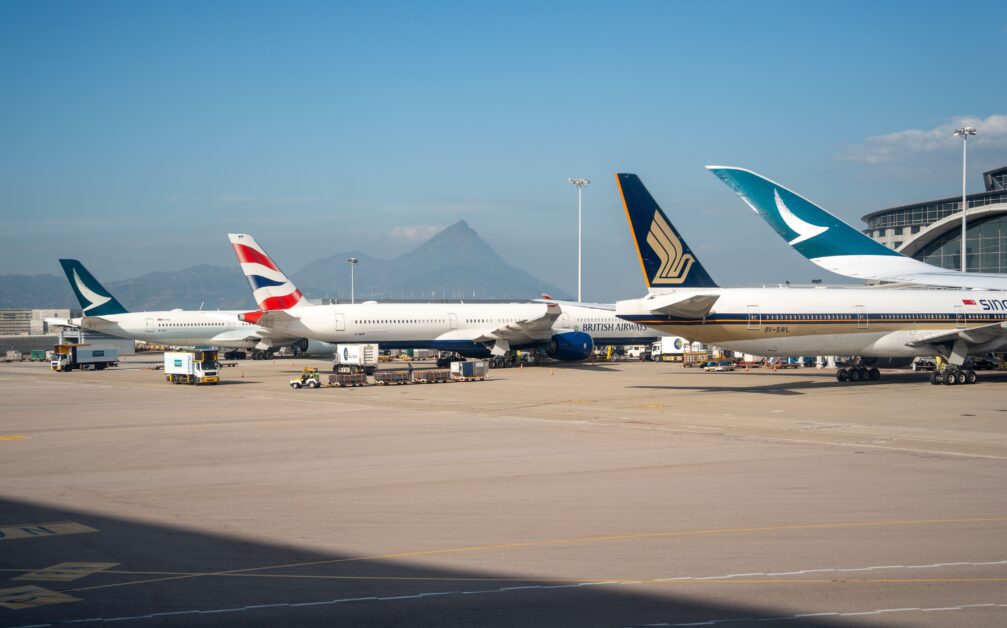
The Hong Kong Airport Terminal 2 2026 facility has one near-term operational consideration that passengers should understand before their visit.
In the early stages after the May 2026 opening, departing passengers still travel by automated people mover from Terminal 2 to existing gate areas, as airside facilities are brought into service step by step. Airport planners say the long-term layout is designed so that as new gates, lounges, and retail areas open on the Terminal 2 concourse, the passenger journey will become progressively more self-contained and intuitive.
The people mover connection — similar to the inter-terminal transit at many major airports including Singapore’s Changi (the Skytrain between terminals) and London’s Heathrow (between Terminals 2/3 and 5) — is a transitional arrangement rather than the permanent passenger flow design. As Terminal 2’s own gates come online progressively through 2026 and 2027, the people mover trip will gradually become unnecessary for passengers whose flight departs from a Terminal 2 gate directly.
The new departure area was designed to handle nearly eight million passenger trips during the first year of operation — a significant capacity addition to HKIA’s existing Terminal 1 flows.
The Three-Runway System Context
The Hong Kong Airport Terminal 2 2026 expansion is the capacity infrastructure that makes the three-runway system commercially functional. The three-runway system commenced operations in November 2024, adding a third parallel runway to HKIA’s existing two. This adds theoretical capacity — but without additional terminal capacity to process the passengers those extra runway operations serve, the third runway’s commercial impact is constrained.
Terminal 2 at 8 million passengers per year — combined with ongoing Terminal 1 capacity and the planned additional Terminal 2 gates — provides the processing throughput that the three-runway system requires. The combination is set to expand HKIA’s total capacity by 50% from its pre-expansion baseline.
The three-runway addition is also connected to Hong Kong’s broader competitive positioning against regional rivals. Singapore’s Changi is expanding (Terminal 5 planning phase), Seoul’s Incheon completed its Concourse A expansion, and Tokyo’s Narita is investing in terminal upgrades. HKIA’s three-runway plus Terminal 2 investment is the response that keeps Hong Kong competitive as a Northeast Asia hub against these peer airports.
What Indian Travelers Need to Know About HKIA Terminal 2
The Hong Kong Airport Terminal 2 2026 changes have specific practical implications for Indian travelers flying to or through Hong Kong.
Check your terminal before arriving. With 15 airlines now operating from Terminal 2 rather than Terminal 1, Indian travelers connecting through HKIA should confirm their departure terminal from their booking confirmation or airline’s website before leaving their hotel. The airport’s MTR Hongkong station connects to both terminals via the Airport Express — check your terminal designation before passing through immigration at the airport.
Allow extra connection time if transiting between terminals. If your itinerary involves arriving at one terminal and departing from another — for example, arriving on Cathay Pacific into Terminal 1 and connecting to HKExpress in Terminal 2 — allow a minimum of 90 minutes for the inter-terminal transit, security clearance, and gate access in 2026 while the people mover is the primary connection between terminals.
Terminal 2 has 24-hour dining and retail. For Indian travelers on early morning or late-night departures — HKIA’s role as a trans-Pacific transit hub means many flights depart or arrive in the small hours — Terminal 2’s 24-hour food and retail is a genuine improvement over the limited overnight options previously available.
The Airport Express is the fastest way to HKIA from Hong Kong Island. The Airport Express from Hong Kong Station (Central) takes 24 minutes to HKIA. The train stops at both terminals — ensure you board to the correct terminal or transfer via the airport’s terminal transit before checking in. The in-town check-in service at Hong Kong Station (where you check bags and collect boarding passes before taking the Express) may not yet be fully operational for Terminal 2 carriers — confirm with your airline.
For Indian passport holders flying into Hong Kong: Indian citizens require a visa for Hong Kong. Apply for a Hong Kong visa through the Hong Kong Immigration Department at immd.gov.hk before departure. For travel insurance covering Hong Kong trips and transit connections, SafetyWing Nomad Insurance provides comprehensive coverage at affordable daily rates for Indian travelers.
FAQs — Hong Kong Airport Terminal 2 2026
Q: When did Hong Kong Airport Terminal 2 reopen and what does it offer?
Hong Kong International Airport’s rebuilt Terminal 2 reopened its passenger departure facilities on May 27, 2026, marking one of the most important terminal expansions in Asia this year. The departure hall features large LED screens with ocean-themed displays, a sweeping cantilever feather-shaped roof, waterfall displays, and five vehicle lanes under the entrance canopy. In addition to 24-hour dining and retail outlets, Terminal 2 incorporates AI-powered check-in infrastructure. The new departure area is designed to handle nearly eight million passenger trips during its first year of operation.
Q: Which airlines are now operating from Terminal 2 at Hong Kong Airport?
Fifteen airlines operating mainly regional services transferred their departure check-in operations to Terminal 2 in phases from May 27, 2026 through mid-June. The expanded Terminal 2 is positioned as a home base for carriers operating mainly short-haul and regional services to destinations across mainland China, Japan, Southeast Asia, and the Guangdong-Hong Kong-Macao Greater Bay Area.
Airlines include regional carriers such as HKExpress, Greater Bay Airlines, Air Macau, and multiple mainland Chinese carriers. Indian travelers should check their booking confirmation for the specific terminal assignment of their carrier.
Q: How does Terminal 2 connect to the gate areas at Hong Kong Airport?
In the early stages after the May 2026 opening, departing passengers travel by automated people mover from Terminal 2 to existing gate areas as airside facilities are brought into service step by step.
Airport planners say the long-term layout is designed so that as new gates, lounges, and retail areas open on the Terminal 2 concourse, the passenger journey will become progressively more self-contained. Indian travelers transiting between Terminal 1 and Terminal 2 should allow a minimum of 90 minutes for the inter-terminal connection in 2026.
Final Word
The Hong Kong Airport Terminal 2 2026 reopening — May 27, 15 regional airlines, 8 million passengers in year one, feather-shaped cantilever roof, AI check-in, 24-hour dining, and a people mover connecting to existing gates while the new gate concourse builds out — is the clearest signal yet that Hong Kong International Airport is executing its three-runway capacity expansion on schedule and with architectural ambition
For Indian travelers, the practical message is simple: check your terminal, allow extra connection time, enjoy 24-hour food options, and know that the airport you fly through in H2 2026 has meaningfully more capacity than the one you used before May.
Also Read:
- Hong Kong Macau Itinerary Indians — 7 Days ₹27,700
- Tokyo Disney Ticket Price 2026 — Adults ¥12,400 from October 11
- Japan Train Ticket QR Code — Edmondson Dies Spring 2027
Official Sources:
 China Arrival Card Indians 2026: SkyPier Ferry, Hong Kong PAR — Complete Guide

ASEAN India Shoppers in Thailand 2026: TAT’s Big Discount Campaign Explained for Indians
Singapore Tourism Receipts 2026: S$7.21 Billion Drop — What It Means for Indians
Bangkok Flooding October 2026: Roads Submerged — What Indians Must Know

China Arrival Card Indians 2026: SkyPier Ferry, Hong Kong PAR — Complete Guide
ASEAN India Shoppers in Thailand 2026: TAT’s Big Discount Campaign Explained for Indians
Singapore Tourism Receipts 2026: S$7.21 Billion Drop — What It Means for Indians
Bangkok Flooding October 2026: Roads Submerged — What Indians Must Know

Aaseem Bhardwaj is a journalist, seasoned traveler and IT professional based in India. With firsthand travel experience across Southeast Asia, East Asia, Middle East and Europe, Aaseem founded Travel Man Today to provide reliable visa updates and travel news for Indian passport holders. He has personally traveled to Thailand, Vietnam, Malaysia, Japan, Singapore, Hong Kong, South Korea, UAE and Europe. Follow his travel vlogs on YouTube at @travelmantoday




Templates for Indians