Japan Tax Free 2026 Indians: “Pay First, Refund Later” System From November 1
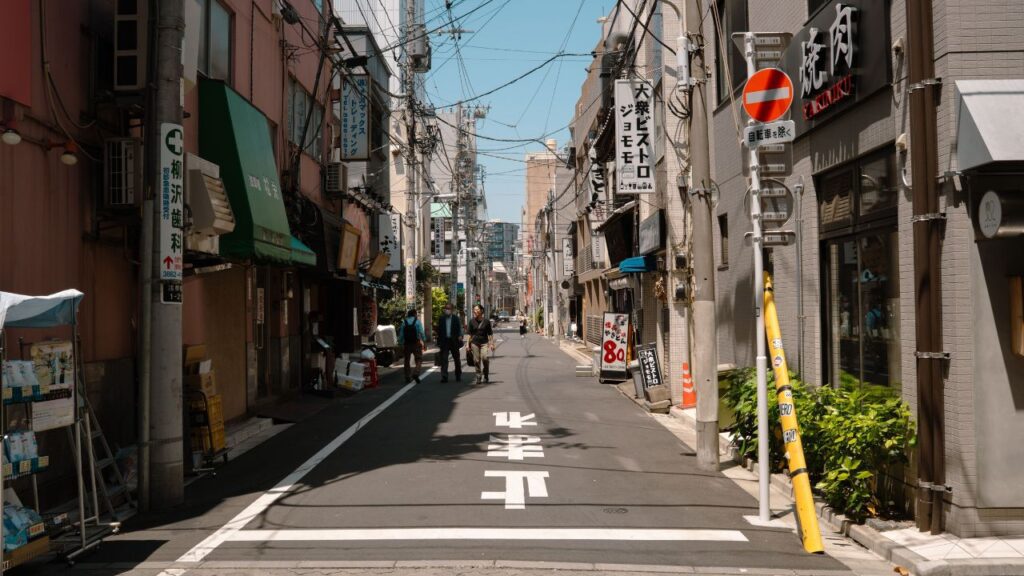
Japan tax free 2026 Indians — shoppers at a Japanese drugstore as Japan's consumption tax-free shopping system shifts from "tax-free at checkout" to "pay first, refund later" from November 1, 2026, with tax-inclusive prices now paid at the store and refunds collected at airport KIOSK self-service machines on departure using a passport scan, the consumables and general goods distinction abolished, the ¥500,000 daily consumables cap removed, and special sealed packaging for cosmetics and food no longer required, while the ¥5,000 minimum purchase threshold per store per day remains unchanged.
Quick answer: Japan’s tax-free shopping system changes completely from November 1, 2026. The old system — where you paid the tax-exempt price at checkout — is replaced by “pay first, refund later”: you pay the full 10% or 8% tax-inclusive price at the store, then claim your refund at the airport KIOSK when departing. Key changes: the consumables/general goods distinction is abolished; the ¥500,000 daily cap for consumables is removed; special sealed packaging for cosmetics and food is no longer required; refunds must be claimed within 90 days of purchase. The minimum purchase threshold remains ¥5,000 (excluding tax) per store per day. Visit Japan Web QR code speeds up in-store tax registration. For Indian tourists: arrive at the airport early — the KIOSK refund process adds time before departure.
Japan tax free 2026 Indians — the November 1 system overhaul is the most significant change to shopping in Japan in years, and it directly affects every Indian tourist who visits Japan for shopping at Don Quijote, Bic Camera, Matsumoto Kiyoshi, or any department store. Japan is consistently among the top 5 international shopping destinations for Indian travelers, and the tax savings on electronics, cosmetics, skincare, clothing, and food items have historically been a major incentive for bringing extra baggage allowance specifically to Japan.
The Japan tax free 2026 Indians change is not a removal of the benefit — the 10% consumption tax refund on qualifying purchases is still fully available to foreign tourists. What changes is the mechanics: previously you received the tax deduction at the checkout counter, paying less upfront. From November 1, you pay the full price including tax, shop freely, and then collect your entire trip’s refund in one transaction at an airport KIOSK before departing Japan. Understanding the new process is the difference between leaving Japan with your full refund and missing it entirely because you didn’t allow enough airport time. See our Japan visa cover letter Indians guide for the complete Japan trip planning context.
Old System vs New System: The Core Difference
The Japan tax free 2026 Indians change is best understood through a direct before-and-after comparison.
| Japan Tax Free 2026 Indians — Old System vs New System | Aspect | Old System (until October 31, 2026) | New System (from November 1, 2026) |
|---|---|---|---|
| When you pay | Tax-exempt price at checkout | Full tax-inclusive price at checkout | |
| When you get the refund | At the store, immediately | At airport KIOSK, when departing | |
| General goods vs consumables | Different rules for each | Distinction abolished — same rules for all | |
| Consumables daily cap | ¥500,000 maximum | Abolished — no cap | |
| Sealed packaging | Required for cosmetics/food | No longer required | |
| Minimum purchase | ¥5,000 per store per day | Unchanged — ¥5,000 per store per day | |
| Refund deadline | At purchase | Within 90 days of purchase | |
| Process | In-store | Airport KIOSK |
The practical impact on Indian shoppers:
Under the old system, if you spent ¥30,000 at Matsumoto Kiyoshi on skincare and vitamins, you paid approximately ¥27,800 (¥30,000 ÷ 1.08 since cosmetics attracted 8% tax). You left the store paying less.
Under the new system from November 1, you pay the full ¥30,000 at the counter. At Narita or Haneda airport, you scan your passport at the KIOSK, your purchase records appear, and you receive approximately ¥2,200 back (8% of ¥27,800) in cash, credit card top-up, or e-payment. The total refund amount is the same — only the timing changes.
What the New System Means for Indian Shoppers: 5 Practical Points
The Japan tax free 2026 Indians new system has five specific practical implications for Indian tourists shopping in Tokyo, Osaka, Kyoto, and beyond.
1 — No more sealed bags for cosmetics. This is the change that will make daily shopping significantly more convenient for Indian tourists. Under the old system, cosmetics, food, vitamins, and other consumables purchased tax-free had to be placed in sealed plastic bags at the store — and you could not open or use them before departing Japan. This meant your skincare haul from Don Quijote sat in sealed bags in your luggage for the rest of your trip, unavailable for use even at your hotel. From November 1, this restriction ends. You buy, you pack as you like, you use what you want. You simply claim the refund for the full purchase at the airport on departure day.
2 — No more ¥500,000 cap on consumables. Indian tourists who shop heavily at Japanese pharmacies and drugstores — Matsumoto Kiyoshi, Sugi Pharmacy, Sundrug — previously faced a ¥500,000 daily cap specifically on consumable goods. This cap is abolished from November 1. Any amount of qualifying purchases at the same store on the same day is refundable, as long as the minimum ¥5,000 threshold is met. High-volume Indian shoppers buying cosmetics, supplements, and food items in bulk are the primary beneficiaries of this change.
3 — General goods and consumables are now treated identically. Previously, clothing, electronics, and bags (general goods) had different rules from cosmetics, food, and medicines (consumables). From November 1, the two categories merge into one unified tax-free framework. Shop at one store, get one total refund at the airport — regardless of whether you bought a jacket and a moisturiser in the same transaction.
4 — The Visit Japan Web QR Code speeds up in-store registration. While the refund itself moves to the airport, the in-store registration step (where the store records your tax-free purchase against your identity) still happens at checkout. The fastest way to do this is through the Visit Japan Web tax-free QR code. This integrates your passport information, entry records, and tax refund details into a single personal code. Present the QR code at checkout for the staff to scan — faster than presenting a physical passport. Note: your passport must have an immigration entry sticker to generate the QR code. Screenshots of the QR code are not accepted — you must present the live code on your phone.
5 — Arrive at the airport early on departure day. This is the most critical operational change for Indian tourists. The airport KIOSK refund process adds time to your departure. The KIOSK scans your passport, retrieves your purchase records from all stores visited during your trip, and processes the refund in one transaction. If customs inspection is flagged (for example, if purchased items have been opened), manual verification is required before the refund is processed. Budget at least an additional 30-45 minutes at Narita, Haneda, Kansai International, or whichever airport you are departing from. For Indian tourists on tight departure day schedules — last-minute shopping followed by rushing to the airport — the new system requires a calendar adjustment.
The ¥5,000 Threshold: Unchanged and Essential
The Japan tax free 2026 Indians minimum purchase requirement — ¥5,000 excluding tax per store per day — remains unchanged under the new system. This is the most important eligibility rule to understand before any Japan shopping trip.
What ¥5,000 means in Indian Rupees: At a typical exchange rate of approximately ¥1 = ₹0.57, ¥5,000 equals approximately ₹2,850. This is not a difficult threshold to reach at most Japanese retail destinations — a few skincare products at Matsumoto Kiyoshi or a single electronic item at Yodobashi Camera easily crosses ¥5,000.
The per-store, per-day rule: The ¥5,000 threshold applies separately for each store on each day. Spending ¥3,000 at Don Quijote and ¥2,500 at Matsumoto Kiyoshi on the same day does not qualify for tax-free at either store. Spending ¥5,500 at Don Quijote in one visit qualifies. Indian tourists who spread their shopping across multiple small purchases at different stores may find they do not meet the threshold at any individual store.
The practical tip: Consolidate purchases at fewer stores when possible. If you are buying from multiple categories — cosmetics, snacks, and household items — make all your Don Quijote purchases in one visit rather than across multiple days, to ensure you clearly exceed the ¥5,000 threshold.
How the Airport KIOSK Refund Works — Step by Step
The Japan tax free 2026 Indians airport refund process under the new system:
Step 1 — Arrive early. Go to the tax refund KIOSK area at your departure airport before checking in or after clearing security (process varies by airport — check signage at Narita, Haneda, or Kansai).
Step 2 — Scan your passport. The KIOSK reads your passport chip and retrieves all tax-free purchase records registered during your Japan visit from every store that processed a tax-free QR code or passport registration for you.
Step 3 — Customs review if required. If any of your purchases are flagged for inspection — typically because items appear to have been opened or used — a customs officer will conduct a manual review. This adds time. Items that were opened and used before departure are the most common trigger; under the new system, consumables can be used in Japan, but this may require explanation at customs.
Step 4 — Choose your refund method. Cash (Japanese yen, immediately), credit card refund (takes 1-4 weeks to appear on statement at the bank’s exchange rate), or e-payment if supported. For Indian travelers, the choice depends on whether you have remaining planned yen expenses in Japan (cash is better) or prefer the refund on your credit card statement (note the exchange rate timing risk).
Step 5 — Refund processed. The KIOSK issues your refund. Total time: 10-20 minutes for a standard case, longer if manual inspection is required.
The 90-day window: Refunds must be claimed within 90 days of the purchase date. For Indian travelers who shop on Day 2 of their Japan trip and depart on Day 10, this is no issue. For Indian business travelers who make purchases and do not depart immediately, ensure your departure falls within 90 days.
What Indian Shoppers Should Buy Tax-Free in Japan
The Japan tax free 2026 Indians shopping opportunity, now with the removal of consumables restrictions, opens up the full Japanese retail landscape for Indian tourists.
Cosmetics and skincare (now completely unrestricted): Japanese skincare brands — SK-II, Shiseido, Hada Labo, Kose, Kao, Rohto — are among the most sought-after purchases for Indian women visiting Japan. The sealed bag restriction previously prevented using these products in Japan; the new system allows full use. These attract the reduced 8% consumption tax, with the refund claimed at the airport.
Electronics: Cameras, lenses, headphones (Sony, Panasonic, Canon), and gaming products attract the full 10% consumption tax, making Japan’s electronics shopping particularly rewarding for Indian visitors after the refund. Japan’s electronics pricing is competitive globally and the quality assurance is high.
Clothing and fashion: 10% tax applies. Japanese fashion — from Uniqlo and GU at the affordable end to Japanese designer brands — is popular with Indian visitors. No sealed bag requirement under either old or new system.
Food and supplements: Japanese vitamin supplements, matcha, wagashi confectionery, and specialty food products are popular Indian tourist purchases. These attracted the 8% reduced tax rate and previously required sealed bags. From November 1, no sealed bags — take your Japanese Kit Kat flavours and matcha powder home freely.
UPI and payment in Japan: UPI does not work in Japan. Japanese shopping is primarily cash (yen) or credit/debit card. Many smaller stores and traditional shops are cash-only. Carry sufficient yen cash — withdraw from 7-Eleven ATMs which reliably accept Indian debit and credit cards. Cards work at major department stores, electronics chains, and international brands.
For travel insurance covering your Japan trip including medical, trip cancellation, and shopping-related incident coverage, SafetyWing Nomad Insurance provides comprehensive coverage at affordable daily rates for Indian travelers.
FAQs — Japan Tax Free 2026 Indians
Q: What changes about Japan’s tax-free shopping from November 1, 2026?
From November 1, 2026, Japan shifts from a “tax-free at checkout” model to a “pay first, refund later” system. You now pay the full tax-inclusive price (10% or 8% consumption tax) at the store, and claim your refund at airport KIOSK machines when departing Japan. The distinction between general goods and consumables is abolished
— both are now treated identically. The ¥500,000 daily cap on consumables is removed. Sealed packaging for cosmetics and food is no longer required. You can use consumable purchases (cosmetics, supplements) during your Japan stay. The minimum purchase threshold of ¥5,000 excluding tax per store per day is unchanged. Refunds must be claimed within 90 days of purchase.
Q: How do Indian tourists use the Visit Japan Web QR code for tax-free shopping?
Log in to your Visit Japan Web account, go to “After Entry,” select “Tax-Free Procedures,” confirm your personal and passport details, and click “Create Tax-Free QR Code.” The system generates a personal QR code that integrates your passport information and entry records. At tax-free stores, present the live QR code on your phone for staff to scan at checkout
— this completes the purchase registration faster than presenting a physical passport. Your passport must have an immigration entry sticker to generate the code. Screenshots of the QR code are not accepted — present the live app code only. Not all stores support QR-code tax-free procedures; check with staff in advance.
Q: How much money can Indian tourists save on Japan tax-free shopping?
Japanese consumption tax is 10% on general goods (clothing, electronics, bags) and 8% on consumables (cosmetics, food, medicines, supplements). The tax refund is on the pre-tax purchase price. On a ¥100,000 electronics purchase (approximately ₹57,000), the 10% refund is ¥9,091 (~₹5,180). On a ¥50,000 cosmetics and skincare haul (approximately ₹28,500), the 8% refund is ¥3,704 (~₹2,110). On a combined shopping trip of ¥200,000 across electronics and consumables (~₹1,14,000), the tax savings can reach ¥18,000-¥20,000 (~₹10,000-₹11,400) — meaningful savings that reward thoughtful shopping. The ¥5,000 minimum per store per day is the key threshold to watch.
Final Word
Japan tax free 2026 Indians — November 1, 2026: “pay first, refund later” replaces “tax-free at checkout”, pay full 10%/8% tax at store, claim all refunds at airport KIOSK on departure, consumables/general goods distinction abolished, ¥500,000 consumables cap removed, sealed packaging no longer required (use cosmetics in Japan now), ¥5,000 minimum threshold per store per day unchanged, 90-day refund window.
Visit Japan Web QR code for faster in-store registration (live code only), KIOSK scans passport and retrieves all records, allow extra 30-45 minutes at departure airport, cash/credit card/e-payment refund options, anti-resale rules stricter — requires Indian tourists to shift from the familiar checkout-discount experience to a departure-day airport refund collection. The benefit is identical. The process is different. Arrive at Narita or Haneda with time to spare, scan your passport, and collect everything in one go.
Also Read:
- Japan Visa Cover Letter Indians — Complete Guide
- Best Countries Travel Tourism 2026 — Japan No.1, India 31st
- EVA Air Delhi Taipei 2026 — Nonstop December 1, Daily
Official Sources:
 Japan Tax Free 2026 Indians: “Pay First, Refund Later” System From November 1
Airfare Prices Rising 2026 Indians: Up 25% — 5 Reasons and How to Beat Them
Thai Vietjet Air Bangkok 2026: Daily KUL-BKK Launches October 9, 90% Load Factor

Air India Singapore Airlines 2026: Standalone Bookings From October 15, Loyalty Upgrade Q2 2027
Japan Tax Free 2026 Indians: “Pay First, Refund Later” System From November 1
Airfare Prices Rising 2026 Indians: Up 25% — 5 Reasons and How to Beat Them
Thai Vietjet Air Bangkok 2026: Daily KUL-BKK Launches October 9, 90% Load Factor
Air India Singapore Airlines 2026: Standalone Bookings From October 15, Loyalty Upgrade Q2 2027

Aaseem Bhardwaj is a journalist, seasoned traveler and IT professional based in India. With firsthand travel experience across Southeast Asia, East Asia, Middle East and Europe, Aaseem founded Travel Man Today to provide reliable visa updates and travel news for Indian passport holders. He has personally traveled to Thailand, Vietnam, Malaysia, Japan, Singapore, Hong Kong, South Korea, UAE and Europe. Follow his travel vlogs on YouTube at @travelmantoday


Templates for Indians