Cambodia Scams 2026: 8 Tourist Traps Every Indian Traveller Must Avoid
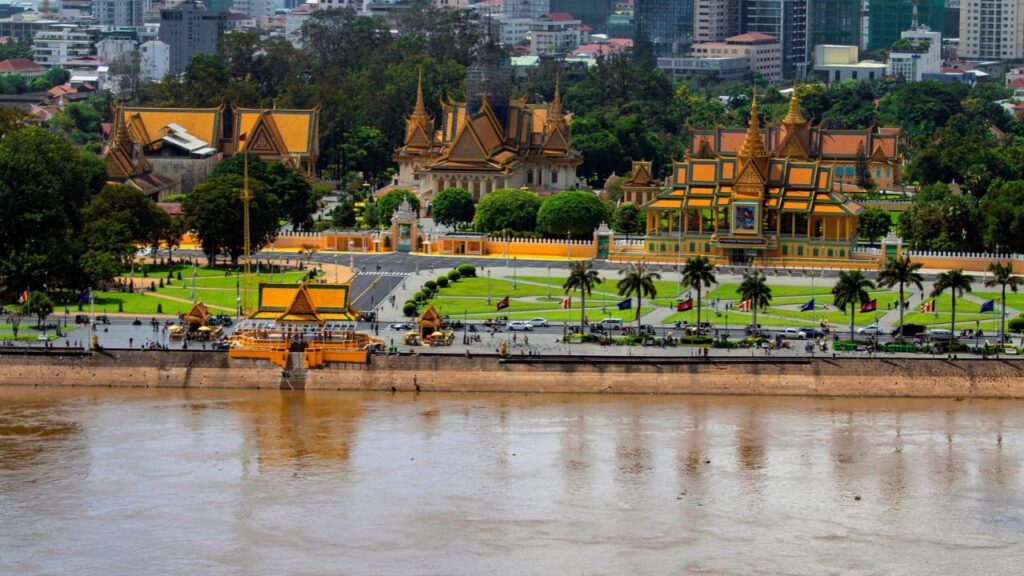
Cambodia scams 2026 range from fake currency at massage parlours to bribe demands at land borders — here's what Indian travellers must watch out for.
Cambodia scams 2026 are more sophisticated than ever, and Indian travellers need to know exactly what to watch for before landing in Phnom Penh or Siem Reap. Cambodia is undeniably one of Southeast Asia’s most breathtaking destinations — ancient temples, vibrant street food, and a warmth that draws millions of visitors each year.
But beneath the postcard beauty lies a well-organised scam ecosystem that targets tourists, particularly those who arrive underprepared. From fake currency at massage parlours to bribe-demanding border officers, these traps can drain your budget and derail your entire trip. This guide breaks down every major Cambodia scam doing the rounds in 2026, with specific advice for Indian passport holders.
Cambodia Scams 2026: The Land Border Bribe Trap Indians Must Avoid
Cambodia scams 2026 begin before you even enter the country for many travellers who choose the cheaper land border route. Indian passport holders who hold a valid Cambodia e-visa or on-arrival visa sometimes opt for land crossings from Thailand — typically Poipet or Hat Lek — to save on airfare.
What they encounter at some of these border points, however, can wipe out those savings instantly. Certain immigration officers demand unofficial “processing fees,” “stamp charges,” or “fast-track” payments that have no basis in actual Cambodian immigration rules. If you refuse, you face the unpleasant reality that you cannot simply turn back — returning to Thailand requires a fresh Thai entry, which costs both time and money.
The official Cambodia e-visa costs USD 36 (approximately ₹3,000) and is applied for online at evisa.gov.kh. No border officer is entitled to charge you anything beyond this. If an officer demands extra cash, stay calm, ask for a receipt, and firmly state that you have a valid visa. Many travellers report that this alone causes the demands to stop.
The safest alternative for Indian travellers is to fly directly into Phnom Penh International Airport or Siem Reap-Angkor International Airport, where the process is straightforward and scam exposure is minimal.
Watch the video here
| Border Entry Method | Risk Level | Recommended Alternative |
|---|---|---|
| Land border (Poipet, Hat Lek) | High — bribe demands common | Fly into Phnom Penh or Siem Reap |
| Sea/river crossing | Medium | Pre-arrange reputable transfer |
| International airport | Low | Preferred entry point for Indians |
Cambodia Scams 2026: Massage Parlour Fake Currency Switch
One of the most damaging Cambodia scams 2026 involves massage parlours that look perfectly legitimate from the outside. These establishments — often located in busy tourist districts of Phnom Penh, priced at USD 2–5 (approximately ₹170–420) for a session — ask customers to place their valuables in a locker before the treatment. What many tourists discover only after leaving is that staff have access to those lockers from outside the room. Real USD notes are swapped for convincing counterfeits, and by the time the victim notices, the parlour door is closed on the matter. Losses of USD 150–200 (approximately ₹12,500–16,700) in a single visit have been reported.
The rule is simple but non-negotiable: never enter a massage parlour that does not appear on Google Maps with verified reviews. Check TripAdvisor as well. If a place has no digital footprint in a tourist-heavy area, treat that as a warning sign, not a hidden gem. Keep your wallet with you at all times — tuck it into the shorts or clothing you change back into before the locker is locked. Indian travellers should also note that USD is the dominant currency in Cambodia; carry crisp, clean USD bills from India or exchange at authorised money changers in Bangkok or Singapore before crossing into Cambodia, as exchange rates inside Cambodia can be poor.
| Scam | Location | Loss Reported | Prevention |
|---|---|---|---|
| Fake currency swap at locker | Massage parlours, Phnom Penh | USD 150–200 (₹12,500–16,700) | Only visit Google/TripAdvisor-listed places |
| Counterfeit change from shops | Small shops, bars, tuk-tuks | USD 10–50 per note (₹830–4,170) | Check every note before accepting |
| Border bribe | Poipet, Hat Lek crossings | USD 20–50 (₹1,670–4,170) | Fly in; hold firm, ask for receipt |
Tuk-Tuk Overcharging and Ride Detours
Cambodia scams targeting transport are among the most widespread, and tuk-tuks are the most common vehicle for them — in every sense. At Phnom Penh and Siem Reap airports, tuk-tuk and taxi drivers routinely quote fares five to ten times higher than the going rate to tourists who do not know local pricing.
A ride that should cost USD 3–5 (approximately ₹250–420) might be quoted at USD 20–25 (₹1,670–2,100). Beyond overcharging, some drivers will take deliberate detours through “partner” shops, restaurants, or souvenir markets where you are pressured — sometimes aggressively — to buy or eat before continuing to your destination.
The fix is straightforward: use Grab or PassApp, both of which operate in Cambodia’s major cities, before you even step out of the airport. These apps show fixed fares upfront, track your route, and give you a digital record of the journey.
If you prefer a tuk-tuk for the experience, negotiate the price in full before getting in, state your destination clearly, and confirm there will be no stops. For Indian travellers used to Ola and Uber, Grab works in an almost identical way — download it before your flight and you will never need to haggle on a kerb.
Baby Milk Scam, Orphanage Tourism, and Bag Snatching
Three more Cambodia scams 2026 visitors should be aware of operate on emotional manipulation rather than sleight of hand. The baby milk scam involves a woman approaching tourists in Phnom Penh, holding an infant and asking not for cash but for powdered milk from a nearby shop.
The milk is priced far above market rate, and the shopkeeper splits the proceeds with the woman after the charitable tourist leaves. If you genuinely want to help Cambodian families, donate to registered NGOs rather than engaging with street-level approaches — your money goes further and actually reaches people in need.
Orphanage tourism is a darker variant of the same manipulation. Tour packages offering “visits to orphanages” where you can interact with children have been widely condemned by child welfare organisations.
Many of the children in these setups are not orphans; they are coached to perform poverty for tourist donations. Indian travellers should decline any tour that includes an orphanage visit and instead direct charitable interest toward verified schools and development charities operating in Cambodia.
Bag snatching is a physical rather than psychological Cambodia scam, but it is equally disruptive. Motorbike riders in Phnom Penh and Siem Reap — particularly near riverside promenades and outside bars at night — snatch phones, shoulder bags, and jewellery from pedestrians. Carry bags across your chest with the zipper facing inward, keep your phone in a front pocket on busy streets, and avoid walking with earphones in after dark near busy nightlife areas.
Fake Angkor Wat Tickets and Guides
The final major scam on this list targets the one place almost every visitor to Cambodia will go: Angkor Wat. Unofficial guides operating around the temple complex offer discounted entry tickets or “VIP access” at prices that seem too good to ignore. These tickets are almost always fake or invalid, and tourists caught using them face fines that far exceed the original ticket price.
Legitimate Angkor Wat passes — one day at USD 37 (approximately ₹3,100), three days at USD 62 (approximately ₹5,200), seven days at USD 72 (approximately ₹6,000) — are sold only at the official Angkor Enterprise ticket counters at the main entrance. Buy online in advance at angkorticket.com or in person only at those counters. Never purchase from anyone approaching you on the road or near the temple gates.
For licensed guide services, book through your hotel concierge or through platforms like Viator or GetYourGuide, which vet their operators. A good licensed guide in Siem Reap costs USD 25–40 (approximately ₹2,100–3,350) for a full day and is worth every rupee for the depth of historical context they provide.
Also Read:
- Japan Visa Cover Letter for Indians: Complete Guide
- Vietnam E-Visa for Indians 2026: Rules, Fees and How to Apply
- Thailand Travel 2026: New Rules Every Indian Traveller Must Know
Official Source: Cambodia e-Visa Portal — evisa.gov.kh | Angkor Enterprise Official Tickets — angkorticket.com
FAQs — Cambodia Scams 2026
Q1: Is Cambodia safe for Indian tourists in 2026?
Yes, Cambodia is safe for Indian tourists when you travel with awareness. The country sees millions of visitors annually and the vast majority have trouble-free trips. The risks are concentrated in specific situations — land border crossings, unlisted massage parlours, and areas around major tourist attractions — all of which are avoidable with basic preparation. Fly into the main airports, use Grab for transport, and stick to reviewed establishments and your Cambodia experience will almost certainly be positive.
Q2: Do Indian passport holders need a visa for Cambodia in 2026?
Yes, Indian passport holders require a visa to enter Cambodia. The Cambodia e-visa costs USD 36 (approximately ₹3,000) and can be applied for online at evisa.gov.kh at least three days before travel. On-arrival visas are also available at international airports for the same fee. There is no visa-free arrangement for Indian passport holders as of 2026. Always apply through the official government portal — third-party “visa service” websites charge significantly more and some are fraudulent.
Q3: What currency should Indian travellers carry to Cambodia?
Cambodia uses USD as its primary currency alongside the local Riel (KHR). Indian Rupees are not accepted anywhere in Cambodia. Carry crisp, undamaged USD bills — torn or written-on notes are routinely refused. Exchange INR to USD in India before departure, or withdraw USD at an ATM in Phnom Penh or Siem Reap (most accept international cards; standard ATM fee is USD 4–5 per withdrawal, approximately ₹335–420). UPI does not work in Cambodia; carry physical cash and a Visa or Mastercard as backup.
Final Word
Cambodia scams 2026 are real, but they are not reasons to avoid one of Asia’s most extraordinary destinations. Angkor Wat at sunrise, the streets of Phnom Penh at dusk, the river towns between the two cities — these experiences are genuinely worth the journey from India.
What they require is preparation: fly in through the airports, download Grab before you land, verify every massage place on Google, check every USD note you receive, and buy your Angkor tickets at the official counter only. Indian travellers who arrive informed consistently report trouble-free, memorable trips. Cambodia rewards the prepared traveller generously — go in with your eyes open and it will give you far more than it ever tries to take.
 Cambodia Scams 2026: 8 Tourist Traps Every Indian Traveller Must Avoid
Thailand Tourism 2026: Why the 33 Million Visitor Target Is Out of Reach This Year
Vietnam Airlines India Flights 2026: Delhi and Bengaluru Go Daily from December

Thailand Ebola Screening 2026: What Indian Travelers Must Know Before Flying
Cambodia Scams 2026: 8 Tourist Traps Every Indian Traveller Must Avoid
Thailand Tourism 2026: Why the 33 Million Visitor Target Is Out of Reach This Year
Vietnam Airlines India Flights 2026: Delhi and Bengaluru Go Daily from December
Thailand Ebola Screening 2026: What Indian Travelers Must Know Before Flying

Aaseem Bhardwaj is a journalist, seasoned traveler and IT professional based in India. With firsthand travel experience across Southeast Asia, East Asia, Middle East and Europe, Aaseem founded Travel Man Today to provide reliable visa updates and travel news for Indian passport holders. He has personally traveled to Thailand, Vietnam, Malaysia, Japan, Singapore, Hong Kong, South Korea, UAE and Europe. Follow his travel vlogs on YouTube at @travelmantoday



Templates for Indians