Bangkok Flood Update October 2026: Central Roads Clear, Eastern Districts Still Waterlogged
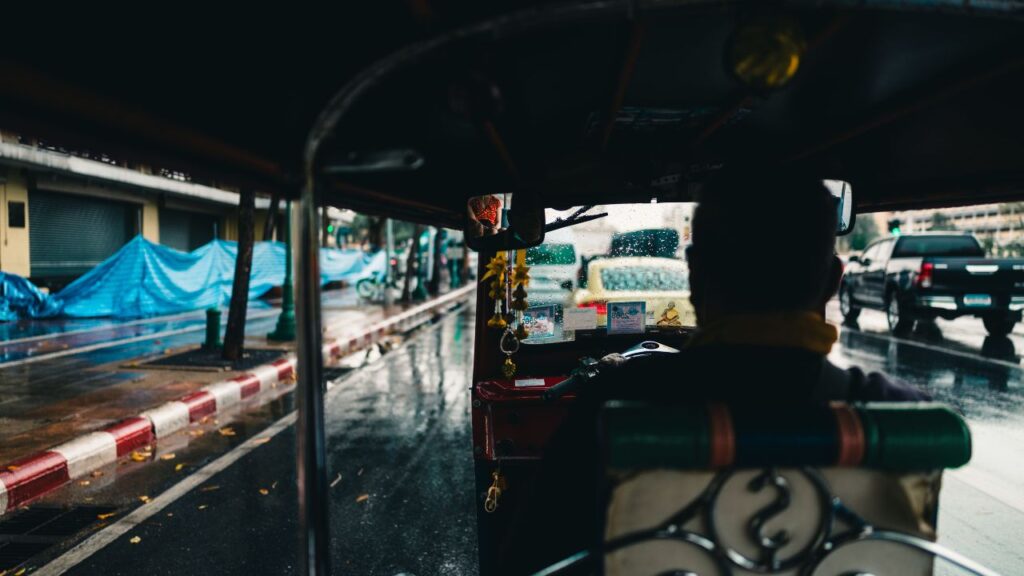
Bangkok flood update October 2026 — drainage pumps and city canals running at full capacity on October 5, 2026 as Bangkok's central thoroughfares including Sukhumvit, Silom, and Phetchaburi largely clear of floodwater following the September 25 disaster-zone declaration, while eastern low-lying districts including Lat Krabang and Bang Kapi remain waterlogged, both Suvarnabhumi and Don Mueang airports operate fully with a recommended 3-4 hour transit window, and BTS Skytrain and MRT Subway run normally and unaffected by flooding.
Quick answer: As of October 5, 2026, Bangkok’s central thoroughfares — Sukhumvit, Silom, and Phetchaburi — have largely cleared of floodwater. Eastern low-lying districts remain waterlogged. Both Suvarnabhumi and Don Mueang airports are fully open — allow 3-4 hours transit time due to road congestion and baggage delays. BTS Skytrain and MRT Subway are fully operational. Taxi and Grab wait times are longer than usual. Afternoon and evening thunderstorms continue with short flash flooding risk on low-lying side streets. Pattaya Beach Road and Second Road are accessible, though evening downpours cause temporary flash flooding. Pattaya high seas and gusty winds October 4-6.
The Bangkok flood update October 2026 as of October 5 confirms that the worst of the flooding across the Thai capital is over — but recovery is uneven, and Indian travelers with upcoming Bangkok bookings or flights need a clear current picture before heading to the airport or stepping out. Drainage pumps and city canals are running at full capacity, and the continuous torrential downpours that caused the September 25 disaster-zone declaration across all 50 Bangkok districts have passed.
The Bangkok flood update October 2026 picture today has two separate stories running in parallel. The central tourist and commercial areas that most Indian travelers visit — Sukhumvit with its BTS stations, restaurants and markets; Silom with its rooftop bars and business district; and Phetchaburi with its mid-range hotels and transport links — have largely cleared. These are the areas where the flood impact on day-to-day visitor experience has effectively ended. The second story is the eastern low-lying districts — Lat Krabang, Khlong Sam Wa, Bang Kapi, and Saphan Sung — which remain waterlogged and are requiring active drainage effort.
For Indian travelers already in Bangkok, this update directly answers the question of whether your Sukhumvit hotel area is accessible, whether your flight from Suvarnabhumi will face ground delays, and whether the afternoon sky over your rooftop lunch is going to open up. The answer to all three, as of October 5, is: manageable — with specific precautions. See our complete Bangkok flood October 2026 guide for the full flood recovery context.
Bangkok Weather: Thunderstorms Continue, Flash Flooding Risk Remains
The Bangkok flood update October 2026 weather picture from the Thai Meteorological Department is nuanced — and the nuance matters for how Indian travelers plan their day.
The continuous torrential downpours that defined the flooding emergency in the last week of September have passed. This is the key change. The September 25-28 flooding was caused by sustained, heavy rainfall over multiple days that overwhelmed Bangkok’s drainage system simultaneously across the city. That rainfall pattern has ended.
What continues are scattered afternoon and evening thunderstorms — a normal feature of Bangkok’s October weather that would be unremarkable in any other year but now carries additional risk given how saturated the city’s drainage infrastructure still is. A short, sharp 30-minute thunderstorm that would normally cause 20 minutes of minor street flooding can now cause temporary flash flooding in low-lying side streets that are already at or near drainage capacity.
Practical guidance for Indian travelers in Bangkok today:
- Plan outdoor sightseeing, temple visits, and market trips for morning hours (7:00 AM to 1:00 PM) — the thunderstorm risk rises from mid-afternoon
- Afternoon and evening activities should be in covered or indoor venues, or at minimum close to BTS/MRT stations for rapid shelter
- If a sudden downpour starts, move to an elevated covered area — BTS station platforms, shopping mall entrances, or hotel lobbies — and wait 30-45 minutes for the worst to pass
- Avoid walking through moving water on side streets even if it appears shallow — urban flash flood water contains debris and can move faster than it appears
- Keep the Tourist Police number 1155 saved in your phone for emergencies
Airports: Both Open, But Allow 3-4 Hours Transit Time
The Bangkok flood update October 2026 airport situation is the most operationally critical piece of information for Indian travelers with flights today or in the coming days.
Both Suvarnabhumi International Airport (BKK) and Don Mueang International Airport (DMK) are fully open and operational. All flights — including Thai Airways’ full schedule that resumed from October 3 — are operating normally from both airports.
The challenge is getting to the airport, not the airport itself. Three factors are combining to make the journey longer than normal:
Road congestion: Eastern Bangkok roads — which include the main route from central Sukhumvit to Suvarnabhumi — are carrying additional traffic as vehicles avoid still-flooded side streets and take longer alternative routes. The Motorway 7 (Burapha Withi Expressway) and the elevated expressway network are the recommended routes to Suvarnabhumi, but these are also experiencing heavier-than-usual volumes.
Ground staff delays: Suvarnabhumi’s ground operations are returning to full capacity after the flood-period staffing shortfalls that created the 10,000-bag backlog during September 26-October 2. Baggage retrieval is slower than normal as staff work through residual backlog items alongside new arriving luggage.
Taxi and Grab availability on routes to the airport: More on this below — but getting a taxi or Grab to the airport from central Bangkok is taking longer than normal, adding to the total door-to-airport time.
The 3-4 hour rule: Allow at least 3 hours from your hotel to Suvarnabhumi and at least 3 hours from your hotel to Don Mueang — even if the normal journey takes 45-60 minutes. For early morning flights (before 7:00 AM) departing Suvarnabhumi when roads are clearer, 2.5 hours may be sufficient from central Sukhumvit. For afternoon and evening flights when traffic is at its heaviest, 4 hours is safer.
| Bangkok Flood Update October 2026 — Airport Transit Guide | Scenario | Recommended Lead Time |
|---|---|---|
| Central Sukhumvit → Suvarnabhumi, early morning (before 7 AM) | 2.5 hours | |
| Central Sukhumvit → Suvarnabhumi, daytime/afternoon | 3-4 hours | |
| Central Sukhumvit → Don Mueang, any time | 3-4 hours | |
| Airport Rail Link (Phaya Thai → Suvarnabhumi) | 30 minutes — most reliable option | |
| BTS + Airport Rail Link from central areas | ~60-80 minutes total — add buffer for connections |
Best airport transit option: The Airport Rail Link from Phaya Thai station to Suvarnabhumi remains completely unaffected by the flooding — it runs elevated throughout and operates to a normal 30-minute service frequency. This is significantly more reliable than road transport for Suvarnabhumi departures. From Sukhumvit BTS stations, connect at Asok/Sukhumvit to the MRT, then to Phaya Thai, then Airport Rail Link to Suvarnabhumi.
Public Transit: BTS and MRT Fully Operational
The Bangkok flood update October 2026 public transit picture is the clearest good news for Indian travelers on the ground in Bangkok.
The BTS Skytrain and MRT Subway are both fully operational and completely unaffected by the floodwaters. The BTS runs elevated above street level throughout its network. The MRT runs underground. Neither system has any direct exposure to surface flooding, and both resumed full normal service within the first 24 hours of the Bangkok flood event.
For Indian travelers in Bangkok this week, the BTS and MRT are not just transport options — they are the primary strategic tool for navigating Bangkok safely during the flood recovery period. The key principle: wherever your destination can be reached by BTS or MRT, take the train rather than a taxi, tuk-tuk, or Grab for road transport.
The BTS Sukhumvit Line covers the core tourist and hotel corridor from Mo Chit (Chatuchak) through Asok, Thong Lor, and Ekkamai to On Nut and Udomsuk. The Silom Line connects Siam to Silom and Sathorn (Central Pier for river ferries). The MRT Blue Line connects Chatuchak to Sukhumvit, Silom, and the Chao Phraya riverside area. Together they cover virtually all the areas most Indian travelers need.
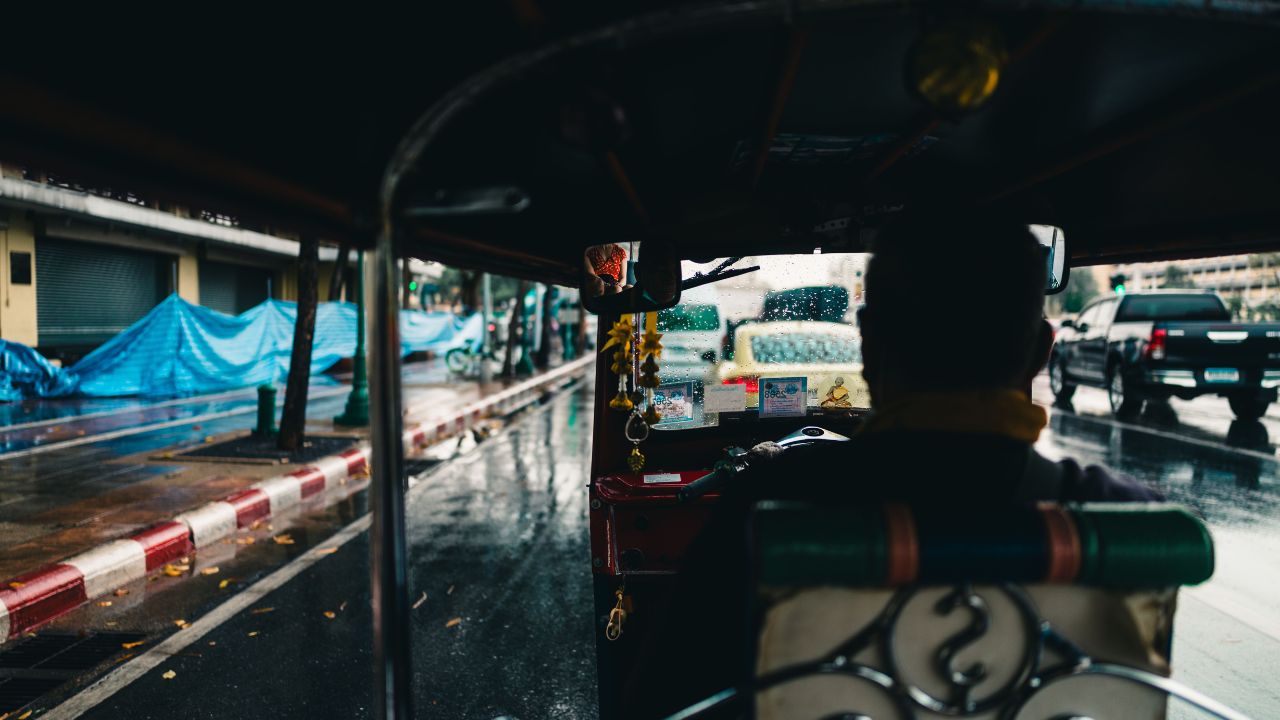
Grab and taxi situation: Expect longer wait times for Grab, Bolt, and taxi rides. Many drivers are avoiding streets in eastern Bangkok that remain flooded, while others are caught in the heavier-than-normal road congestion across the city. App-based ride hailing may show 15-30 minute wait times on routes that would normally show 3-5 minutes. Tuk-tuks are more nimble around flooding but should still be avoided for routes that pass through known waterlogged eastern areas.
Pattaya: Accessible, Evening Flash Flooding Risk
The Bangkok flood update October 2026 coverage would be incomplete without addressing Pattaya — the most popular short trip from Bangkok for Indian tourists and a destination with its own specific October 2026 weather advisory.
Pattaya Beach Road and Second Road — the two main tourist thoroughfares running parallel to Pattaya Bay — are currently accessible. The core resort areas, hotels, and restaurants along these roads are open and operating normally for visitors.
The caveat is evening weather. Pattaya is experiencing periodic gusty thunderstorms and high sea conditions during the October 4-6 period. Heavy evening downpours are causing temporary flash flooding on some of Pattaya’s lower-lying side streets and inland roads during and immediately after rainfall. This typically clears within 30-60 minutes of the rain stopping.
For Indian travelers in Pattaya or planning a Pattaya day trip from Bangkok:
- Beach activities and water sports are not recommended during the high sea conditions period (October 4-6) — sea conditions are rough and gusty, with elevated wave heights
- Walking Street and the main beachfront areas remain accessible but plan for possible rain interruptions in the late afternoon and evening
- The Bangkok to Pattaya road journey (Highway 3 or Motorway 7) is operational — no flood-related road closures reported on this route
For travel insurance covering ongoing Bangkok and Pattaya flood-related disruptions including trip delays and accommodation issues, SafetyWing Nomad Insurance provides comprehensive coverage at affordable daily rates for Indian travelers.
FAQs — Bangkok Flood Update October 2026
Q: Is Bangkok safe to visit in October 2026 after the floods?
As of October 5, 2026, Bangkok’s central tourist and commercial areas — Sukhumvit, Silom, and Phetchaburi — have largely cleared of floodwater. Both Suvarnabhumi and Don Mueang airports are fully operational. The BTS Skytrain and MRT Subway are running normally and are unaffected by flooding. The main ongoing risks are: afternoon and evening thunderstorms that can cause temporary flash flooding on low-lying side streets; longer taxi and Grab wait times; road congestion to the airports; and continued waterlogging in eastern districts (Lat Krabang, Bang Kapi, Saphan Sung). Standard tourist areas are accessible and functioning normally.
Q: How long does it take to get to Suvarnabhumi Airport from central Bangkok right now?
Allow 3-4 hours from central Bangkok hotels to Suvarnabhumi Airport given current road congestion and ground staff delays as of October 5, 2026. The most reliable option is the Airport Rail Link from Phaya Thai station (30 minutes to Suvarnabhumi, unaffected by flooding). Connect to Phaya Thai via BTS to Asok and then MRT to Phaya Thai. By road — taxi, Grab, or private transfer — allow a minimum of 3 hours for afternoon and evening departures, as eastern Bangkok routes remain congested.
Q: Is Pattaya affected by the Bangkok floods?
Pattaya Beach Road and Second Road are accessible as of October 5, 2026. Pattaya is not directly affected by the Bangkok flood event, but is experiencing its own October weather pattern — periodic gusty thunderstorms and high sea conditions during October 4-6. Heavy evening downpours are causing temporary flash flooding on some lower-lying Pattaya side streets. Beach and water activities are not recommended during the high sea conditions period. Core resort areas, hotels, and restaurants are open and operating normally.
Final Word
Bangkok flood update October 2026 — October 5 status: central Sukhumvit/Silom/Phetchaburi largely clear, eastern districts (Lat Krabang, Bang Kapi, Saphan Sung) still waterlogged, drainage pumps and canals at full capacity, afternoon/evening thunderstorm risk continues (morning activities recommended), both airports open (allow 3-4 hours transit time, Airport Rail Link most reliable), BTS/MRT fully operational (use instead of road transport wherever possible), Grab/taxi longer wait times, Pattaya Beach Road and Second Road accessible (high seas and gusty winds October 4-6, evening flash flooding risk)
— gives Indian travelers in Bangkok or Pattaya the complete operational picture for October 5. The flooding emergency is effectively over for the areas you will visit. The weather caution remains. Use the train, leave early for the airport, and keep mornings for outdoor sightseeing.
Also Read:
- Bangkok Flood October 2026 — Receding, Baggage Backlog Clearing
- Thai Airways Operations Resume 2026 — Full Schedule October 3
- Suvarnabhumi Baggage Delay 2026 — PIR Guide and Contacts
???? Official Sources:
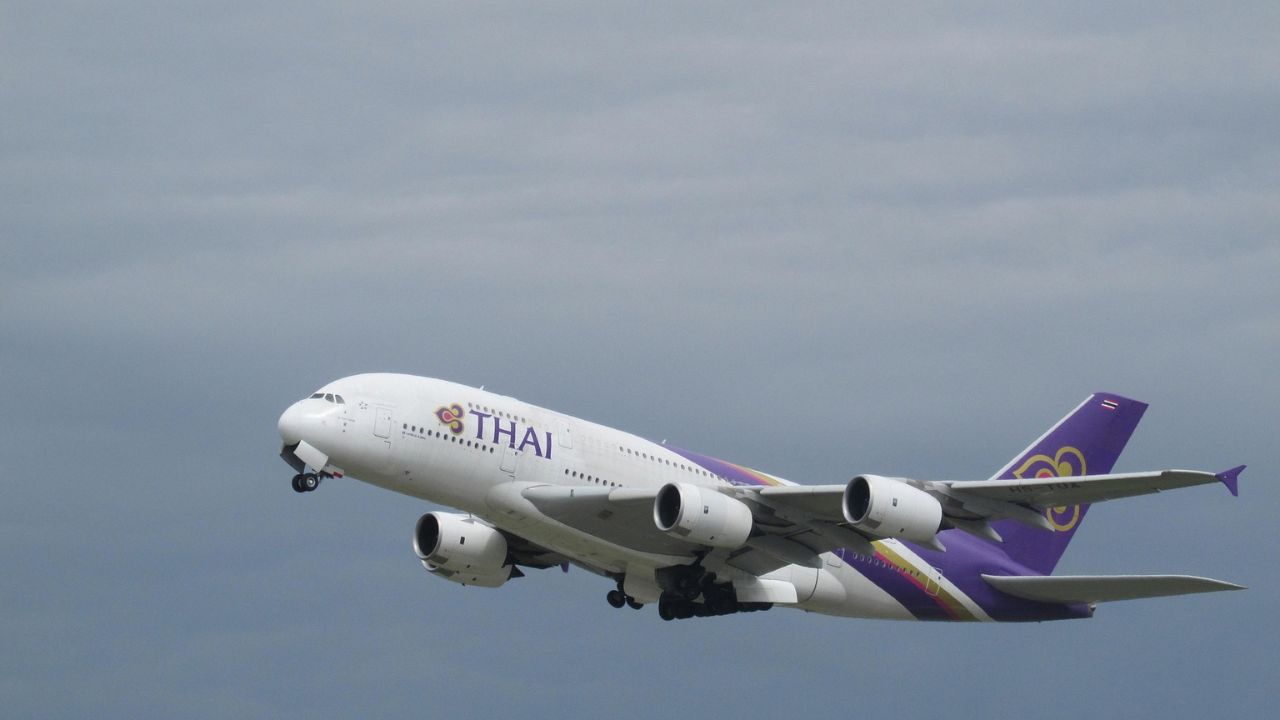
 Thai Airways Operations Resume 2026: Full Schedule From October 3, Head Office Open Weekend
Bangkok Flood Update October 2026: Central Roads Clear, Eastern Districts Still Waterlogged
Air India Delhi Tel Aviv 2026: Nonstop Flights Resume December 1, 5 Weekly Boeing 777

Thailand Long Stay Visa Indians 2026: DTV, LTR, Privilege and Retirement — Which One is Right for You?

Thai Airways Operations Resume 2026: Full Schedule From October 3, Head Office Open Weekend
Bangkok Flood Update October 2026: Central Roads Clear, Eastern Districts Still Waterlogged
Air India Delhi Tel Aviv 2026: Nonstop Flights Resume December 1, 5 Weekly Boeing 777
Thailand Long Stay Visa Indians 2026: DTV, LTR, Privilege and Retirement — Which One is Right for You?

Aaseem Bhardwaj is a journalist, seasoned traveler and IT professional based in India. With firsthand travel experience across Southeast Asia, East Asia, Middle East and Europe, Aaseem founded Travel Man Today to provide reliable visa updates and travel news for Indian passport holders. He has personally traveled to Thailand, Vietnam, Malaysia, Japan, Singapore, Hong Kong, South Korea, UAE and Europe. Follow his travel vlogs on YouTube at @travelmantoday





Templates for Indians