India Tourist E-Visa: 30-Day Visa Now Allows Multiple Entries
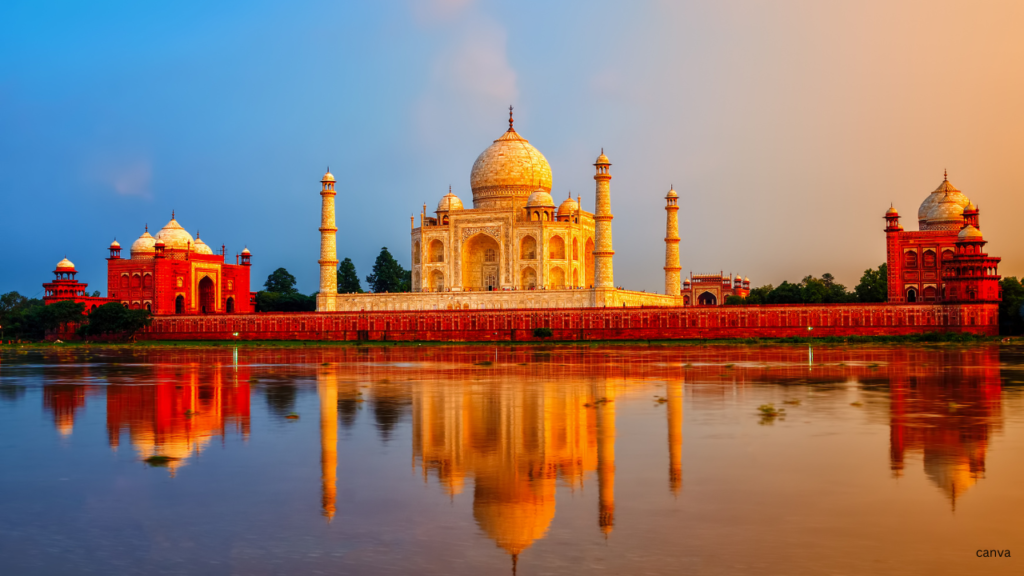
India's 30-day tourist e-Visa now offers multiple-entry flexibility for eligible international travelers.
India Tourist E-Visa rules have received a significant upgrade as international travelers are now being issued 30-day tourist e-Visas with multiple-entry privileges. The change gives visitors greater flexibility when planning trips that include neighboring countries before returning to India.
According to recent reports, travelers receiving approvals from June 12, 2026, have started seeing “Multiple Entries” printed on their Electronic Travel Authorisation (ETA), replacing the previous two-entry limit that applied to the 30-day tourist e-Visa.
The update could make India more attractive for international tourists exploring South Asia, particularly those planning multi-country itineraries that combine India with destinations such as Nepal, Sri Lanka, Bhutan, Thailand, or the UAE.
India Tourist E-Visa Gets More Flexible
Previously, the 30-day tourist e-Visa allowed only two entries during its validity period. Under the new arrangement, travelers can enter India multiple times within the visa’s validity, offering greater convenience for tourists who wish to leave and return during the same trip.
This means a traveler could arrive in India, visit another nearby country, and return to India again without worrying about exhausting entry allowances.
The move is expected to benefit leisure travelers, digital nomads, backpackers, cruise passengers, and regional tourists who often combine several countries in a single itinerary.
India Tourist E-Visa Comparison
| Feature | Previous System | New System |
|---|---|---|
| Visa Type | 30-Day Tourist E-Visa | 30-Day Tourist E-Visa |
| Entries Allowed | Double Entry | Multiple Entry |
| Validity | 30 Days | 30 Days |
| Application Method | Online | Online |
| Purpose | Tourism | Tourism |
The update brings the short-term tourist visa closer to the flexibility already offered by India’s one-year and five-year tourist e-Visas.
Why the Change Matters
India attracts millions of international visitors every year for tourism, culture, wellness, spirituality, business, and family visits.
Many travelers entering India also visit neighboring destinations before returning. Under the previous rules, visitors needed to carefully plan their entries to avoid exceeding visa limitations.
The introduction of multiple-entry access removes this concern and allows greater freedom when building travel itineraries across South Asia.
For example, a traveler could:
- Arrive in Delhi
- Visit Nepal for a few days
- Return to India
- Continue to Rajasthan or Goa
- Depart internationally
Without needing a different visa arrangement.
India Continues Improving E-Visa Rules
India has gradually expanded and modernized its e-Visa system over the years.
The country currently offers multiple tourist e-Visa options depending on the traveler’s needs.
India Tourist E-Visa Types
| Visa Type | Validity |
|---|---|
| Tourist E-Visa | 30 Days |
| Tourist E-Visa | 1 Year |
| Tourist E-Visa | 5 Years |
The e-Visa program allows travelers from a large number of eligible countries to apply online without visiting an embassy or consulate.
Officials have also introduced several updates in recent years to make travel planning easier and encourage international tourism.
What This Means for International Travelers
The multiple-entry upgrade is particularly useful for travelers exploring multiple countries during one trip.
Popular regional travel combinations include:
- India + Nepal
- India + Sri Lanka
- India + Bhutan
- India + Thailand
- India + UAE
Tourists can now enjoy greater flexibility without worrying about consuming their available entries after briefly leaving India.
Travel industry observers believe the change may encourage longer regional trips and increase India’s appeal as a gateway destination for South Asia.
Benefits for Tourism
The update is expected to support India’s tourism sector by making travel more convenient.
Multiple-entry privileges can be particularly attractive for:
- International tourists
- Cruise passengers
- Long-term travelers
- Business visitors combining tourism
- Travelers visiting neighboring countries
Tourism stakeholders believe the move aligns with India’s efforts to improve visitor experience and simplify entry procedures.
Key Benefits
| Benefit | Impact |
|---|---|
| More Flexibility | Easier trip planning |
| Multiple Country Trips | Supported |
| Fewer Visa Concerns | Improved convenience |
| Better Regional Connectivity | Encouraged |
| Visitor Experience | Enhanced |
The change could also help travel agencies design more attractive regional tour packages that include India as a central destination.
Important Things Travelers Should Know
While the visa now appears to allow multiple entries, travelers should always verify the conditions shown on their approved ETA and consult official Indian visa sources before making travel arrangements.
Visa rules can change, and travelers should ensure they meet all eligibility requirements before departure.
Applicants should also continue using the official Indian e-Visa portal when submitting applications.
FAQs – India Tourist E-Visa
Has India introduced multiple-entry 30-day tourist e-Visas?
Yes. Travelers receiving approvals from June 12, 2026, have reported receiving 30-day tourist e-Visas marked with “Multiple Entries.”
How long is the 30-day tourist e-Visa valid?
The visa remains valid for 30 days from the date of arrival in India.
Can travelers leave and re-enter India?
Under the updated arrangement, eligible travelers can make multiple entries during the visa validity period, subject to the conditions stated on their approved ETA.
Final Word
The latest India Tourist E-Visa update is good news for international travelers planning multi-country trips across South Asia. By allowing multiple entries on the 30-day tourist e-Visa, India is making travel more convenient and flexible for visitors who wish to explore neighboring destinations before returning.
The move is expected to strengthen India’s tourism appeal and support regional travel while simplifying trip planning for millions of travelers worldwide.
Also Read:
- Thailand Travel 2026 New Rules
- India Nepal UPI Link: Historic Cross-Border Payments Launch
- Philippines Travel Guide for Indians 2026
Official Source:
 Egypt Visa Indians 2026: $15 Administrative Levy From January 2027, Digital VOA Now Live
Southeast Asia Busiest Airports 2026: Changi No.1, Hanoi Fastest Growing

Riyadh Air Bangkok India 2026: Fleet Grows to 13, Five Indian Cities Confirmed
Thailand China Golden Week 2026: 250,000 Chinese Tourists, THB 11.5B Revenue Expected
Egypt Visa Indians 2026: $15 Administrative Levy From January 2027, Digital VOA Now Live
Southeast Asia Busiest Airports 2026: Changi No.1, Hanoi Fastest Growing
Riyadh Air Bangkok India 2026: Fleet Grows to 13, Five Indian Cities Confirmed
Thailand China Golden Week 2026: 250,000 Chinese Tourists, THB 11.5B Revenue Expected

Aaseem Bhardwaj is a journalist, seasoned traveler and IT professional based in India. With firsthand travel experience across Southeast Asia, East Asia, Middle East and Europe, Aaseem founded Travel Man Today to provide reliable visa updates and travel news for Indian passport holders. He has personally traveled to Thailand, Vietnam, Malaysia, Japan, Singapore, Hong Kong, South Korea, UAE and Europe. Follow his travel vlogs on YouTube at @travelmantoday



Templates for Indians