Nepal Launches New Online Registration System for Foreign Travellers
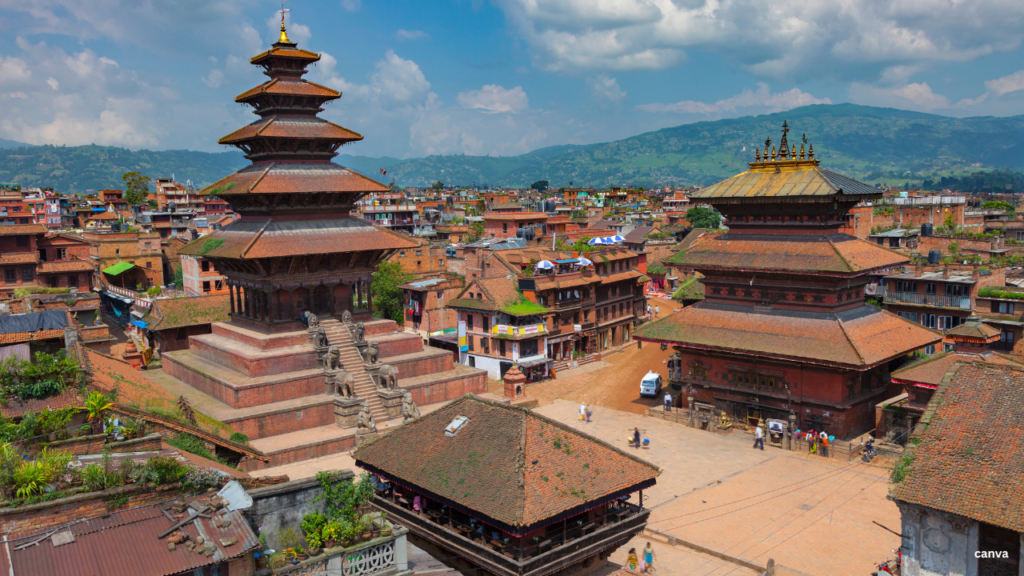
Nepal introduces a new online registration system for foreign travellers under the FNMIS platform.
Nepal Launches New Online Registration System for Foreign Travellers
Nepal FNMIS system 2026 is becoming an important travel update for international tourists planning trips to Nepal. The country has officially introduced a new online registration and tracking platform for foreign visitors called the Foreign Nationals Management Information System (FNMIS).
The digital system aims to modernize Nepal’s tourism management, improve visitor safety, strengthen immigration monitoring, and help authorities respond faster during emergencies.
With Nepal continuing to attract trekkers, adventure travelers, spiritual tourists, and backpackers from around the world, the government is now focusing on improving how foreign visitor information is managed across the country.
What Is Nepal FNMIS System 2026?
The Nepal FNMIS system 2026 is an online database managed by Nepal’s Department of Immigration.
The platform collects important information about foreign travelers including:
- Passport details
- Visa information
- Accommodation records
- Travel itineraries
- Stay history
Visitors can reportedly register using:
- Official Department of Immigration mobile app
In certain cases:
- Hotels
- Registered tourism providers
- Service operators
may also assist travelers during check-in and registration.
Why Nepal Introduced the FNMIS System
Improving Tourist Safety
One of the biggest reasons behind Nepal FNMIS system 2026 is visitor safety.
Authorities believe centralized traveler records can help:
- Locate tourists quickly during emergencies
- Improve search and rescue operations
- Support disaster response
- Prevent illegal activities involving foreign nationals
This becomes especially important in Nepal due to:
- Trekking tourism
- Mountain expeditions
- Remote travel routes
- Natural disaster risks
Better Immigration Monitoring
The system also helps authorities:
- Track overstays
- Monitor visa compliance
- Improve immigration management
- Strengthen border security
Digital monitoring allows Nepal to modernize older manual processes.
Improving Tourism Planning
Tourism officials can also use the data to:
- Understand visitor movement patterns
- Improve tourism services
- Support infrastructure planning
- Enhance traveler experiences
Nepal FNMIS Rollout Timeline Explained
Phase 1: Kathmandu Valley Implementation
Nepal officially began the first phase of the FNMIS rollout on:
- January 1, 2026
Under Phase 1:
- Foreign travelers staying in star-rated hotels within Kathmandu Valley must register in the system.
Hotels are also responsible for ensuring visitor details are properly entered.
Hotels Must Assist Visitors
If travelers fail to complete registration independently:
- Hotels must register guests during check-in.
This ensures visitor information remains updated in the centralized database.
Phase 2: Nationwide Expansion Begins March 2026
The second phase of Nepal FNMIS system 2026 will reportedly begin on:
- March 1, 2026
The system will become mandatory for:
- All star-rated hotels
- Airlines
- Tour companies
- Travel agencies
- Money exchange providers
- Tourism-related businesses
Eventually, Nepal plans to expand the system to:
- Guesthouses
- Trekking agencies
- Tourism operators
- Additional accommodation providers
across the country.
What Foreign Travellers Must Do
Register Through the Immigration App
International visitors traveling to Nepal may need to:
- Create a digital profile
- Submit passport information
- Provide visa details
- Share accommodation records
through the official immigration application.
QR Code Verification System
Hotels and service providers may use:
- QR code scanning systems
to update visitor stay records and travel information.
Keep Travel Information Updated
Authorities recommend travelers ensure:
- Hotel stays
- Travel routes
- Accommodation details
remain accurate throughout the trip.
This data may help during:
- Emergency response situations
- Immigration verification
- Tourism management
Nepal FNMIS System Could Improve Emergency Response
Faster Search and Rescue Operations
One major advantage of Nepal FNMIS system 2026 is faster emergency coordination.
Nepal frequently handles:
- Trekking accidents
- Mountain emergencies
- Weather-related incidents
- Remote-area rescues
Having updated traveler records could help authorities:
- Locate missing visitors faster
- Coordinate rescue teams efficiently
- Share information quickly during emergencies
Important for Adventure Tourism
Nepal remains one of the world’s top destinations for:
- Himalayan trekking
- Mountaineering
- Adventure tourism
A digital tracking system may help improve safety standards for tourists exploring remote areas.
Nepal Strengthening Tourism Digitization
Modern Tourism Ecosystem
The FNMIS platform also improves communication between:
- Immigration authorities
- Hotels
- Airlines
- Travel agencies
- Tourism operators
This creates a more connected tourism ecosystem.
Faster Information Sharing
Digital integration helps:
- Improve data sharing
- Reduce paperwork
- Increase operational efficiency
- Support tourism management
Nepal is gradually moving toward a more technology-driven tourism system.
Important Rules Foreign Travellers Should Know
Follow Visa Conditions Carefully
Foreign visitors must ensure they:
- Follow permitted visa activities
- Avoid unauthorized work
- Respect immigration conditions
Violations may result in:
- Penalties
- Fines
- Immigration action
Keep Documents Accessible
Travelers should always carry:
- Passport copies
- Visa documents
- Hotel details
- Emergency contacts
especially while trekking or traveling in remote regions.
What Nepal FNMIS Means for Tourists
More Organized Travel Procedures
The Nepal FNMIS system 2026 may create:
- Faster immigration coordination
- Improved tourism management
- Better emergency support
- Safer travel experiences
Additional Registration Steps
However, travelers should also expect:
- More digital procedures
- Additional registration requirements
- QR code verification processes
before or during their trip.
Most visitors are unlikely to experience major disruptions if they follow registration guidelines properly.
Final Verdict
Nepal FNMIS system 2026 represents a major modernization step for the country’s tourism and immigration sector. By introducing centralized digital registration for foreign travelers, Nepal aims to improve visitor safety, strengthen immigration monitoring, and create a more organized tourism ecosystem.
For travelers planning Nepal trips in 2026 and beyond, understanding the new registration requirements and keeping travel records updated will become increasingly important.
As Nepal continues attracting adventure travelers and international tourists, digital systems like FNMIS may play a major role in shaping the future of tourism management in the country.
FAQ
What is Nepal FNMIS system 2026?
FNMIS is Nepal’s new Foreign Nationals Management Information System designed to digitally register and track foreign visitors.
Is Nepal FNMIS registration mandatory?
Yes, the system is gradually becoming mandatory for foreign travelers staying in registered hotels and tourism accommodations.
How can travelers register for FNMIS?
Travelers can reportedly register using Nepal’s Department of Immigration mobile application.
Why did Nepal introduce FNMIS?
The system aims to improve tourist safety, emergency response, immigration monitoring, and tourism management.
Will trekking tourists also need FNMIS registration?
Eventually, the system is expected to extend to trekking operators, tourism agencies, and accommodation providers across Nepal.
Source: Fiscal Nepal

Aaseem Bhardwaj is a journalist, seasoned traveler and IT professional based in India. With firsthand travel experience across Southeast Asia, East Asia, Middle East and Europe, Aaseem founded Travel Man Today to provide reliable visa updates and travel news for Indian passport holders. He has personally traveled to Thailand, Vietnam, Malaysia, Japan, Singapore, Hong Kong, South Korea, UAE and Europe. Follow his travel vlogs on YouTube at @travelmantoday




Templates for Indians