Thai Airways Fare Cut July 2026: 20–30% Off on Selected Routes
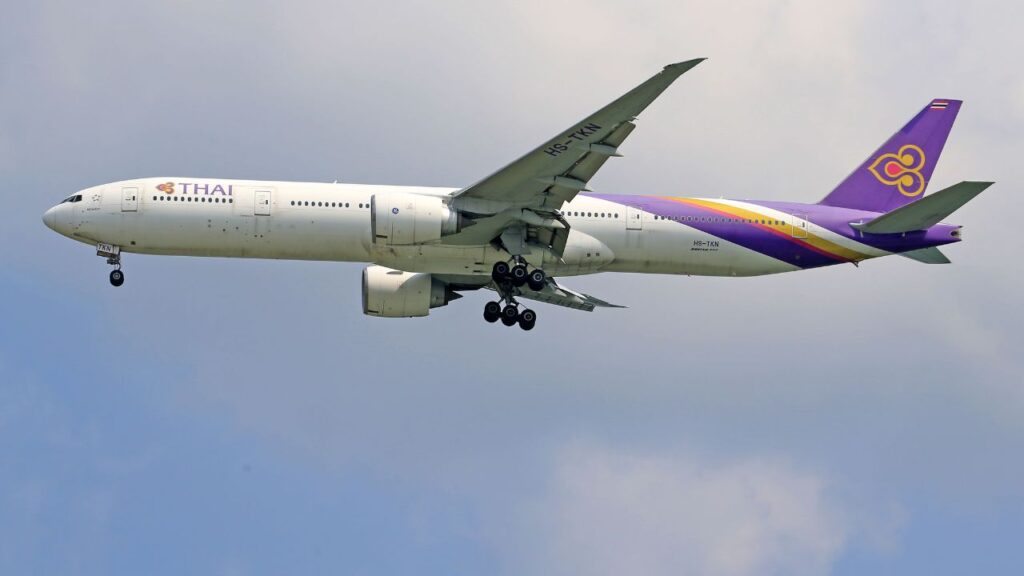
Thai Airways fare cut of 20–30% takes effect from July 1, 2026 as Jet A-1 fuel drops from US$240 to US$110 per barrel following Middle East tension easing.
Thai Airways fare cut of 20 to 30 percent has taken effect from July 1, 2026, as falling jet fuel prices following the easing of Middle East tensions allow the airline to reduce ticket costs on selected international and domestic routes. The reduction covers both base ticket fares and fuel surcharges — making this one of the most significant pricing moves Thai Airways has made since the conflict-driven cost surge began in early 2026.
For Indian travelers planning trips to Bangkok or connecting onward through Suvarnabhumi, this Thai Airways fare cut arrives at a useful moment — with bookings for the second half of 2026 reportedly ahead of target and the airline signalling confidence in the travel market recovery.
Thai Airways Fare Cut: What Changed and Why
The Thai Airways fare cut follows a dramatic fall in Jet A-1 aviation fuel prices. At the peak of Middle East conflict-related disruption, Jet A-1 prices reached approximately US$240 per barrel — a level that forced airlines across Asia to introduce fuel surcharges and raise base fares to protect margins.
As the conflict began to ease and global oil supply recovered partially, Jet A-1 prices dropped to approximately US$110 per barrel by early July 2026. While that is still higher than the pre-conflict baseline of US$90 per barrel, it is low enough to allow Thai Airways to pass on meaningful savings to passengers without compromising the airline’s financial recovery.
Thai Airways CEO Chai Eamsiri confirmed the airline had set up a dedicated war room team monitoring market conditions and fuel prices every single day since the conflict began. That team identified the July window as the right moment to reduce fares without over-committing to prices that could prove unsustainable if oil markets shift again.
| Jet A-1 Fuel Price Comparison | USD Per Barrel |
|---|---|
| Pre-Middle East conflict baseline | US$90 |
| Peak price during conflict | US$240 |
| Current price (July 2026) | ~US$110 |
| Thai Airways fare cut trigger point | Below US$120 |
| Average fare reduction | 20–30% on selected routes |
What Routes Are Included in the Thai Airways Fare Cut
The Thai Airways fare cut applies across the airline’s system on selected routes — covering both international and domestic services. The airline has not publicly released a full route-by-route breakdown of which fares are reduced and by how much, but confirmed the reduction is systemic rather than route-specific.
Both the base ticket fare component and the fuel surcharge component are reduced in this cut — meaning the saving is visible across the full ticket price rather than just one element of the pricing structure. This is significant because fuel surcharges had risen sharply during the conflict period and had become a substantial portion of the total fare on longer international routes.
For Indian travelers flying Bangkok routes — whether on Air India, IndiGo, or other carriers connecting through Bangkok — the Thai Airways fare cut indirectly benefits the market by increasing price competition on key corridors. Thai Airways operates direct services from Bangkok to Delhi on its international network, making the fare reduction directly relevant for travelers comparing carrier options on this route.
Thai Airways Strategy: Quality Revenue, Not a Price War
Thai Airways Chief Commercial Officer Kittiphong Sansomboon was explicit that the fare reduction is market-driven and disciplined — not a price-war response to competition. Thai Airways’ business direction continues to follow what the airline calls a “Quality Revenue” approach, focusing on generating sustainable revenue rather than entering a price war that could have a negative long-term impact.
This distinction matters. A price war typically involves carriers cutting fares below cost to win market share, with consequences that damage all players over time. Thai Airways is instead adjusting fares in line with its actual input cost reduction from lower fuel prices, while maintaining its yield management discipline.
The airline’s capacity management strategy reinforces this approach. Management is focused on two specific disciplines:
First, capacity management — strictly adjusting seat capacity to match demand in each market, rather than flooding routes with seats to capture volume. Second, yield management — prioritising fare levels that cover costs without engaging in price-cutting competition with rivals, and choosing to compete directly only in markets where it makes commercial sense.
This approach protects Thai Airways’ financial recovery trajectory while still delivering the lower fares that passengers benefit from when fuel costs fall.
Thai Airways Bookings in H2 2026: Ahead of Target
Despite the Middle East disruption and the airspace complications earlier in the year, Thai Airways CEO Chai Eamsiri confirmed that bookings for the second half of 2026 are satisfactory and in line with target. Since June, the airline has recorded continued double-digit growth in passenger bookings — a positive signal that traveler confidence is recovering ahead of the peak October to January season.
Thai Airways expects its passenger load factor to improve to an average of approximately 70% towards the end of 2026. A 70% load factor represents a solid operating benchmark for a full-service carrier of Thai Airways’ size and network complexity — sufficient to cover costs and generate meaningful yield without requiring unsustainable discounting.
The airline’s Amsterdam route revival — which returned on July 1, 2026 after a 28-year absence — is part of the same recovery momentum. European route expansion, combined with the fare cuts on existing routes, positions Thai Airways competitively as demand recovers on both long-haul and regional corridors heading into the second half of the year.
| Thai Airways H2 2026 Outlook | Details |
|---|---|
| Booking status | Satisfactory — in line with target |
| Growth since June | Double-digit — month on month |
| Target load factor | ~70% by year end |
| Fare reduction | 20–30% on selected routes from July 1 |
| New routes | Amsterdam resumed July 1, 2026 |
| Fuel monitoring | Daily war room team — ongoing |
What This Means for Indian Travelers
The Thai Airways fare cut is directly relevant for Indian travelers flying between India and Bangkok, or using Thai Airways for connections beyond Bangkok to Europe, Australia, or other long-haul destinations through Suvarnabhumi.
Thai Airways operates regular services between Bangkok and Delhi on its international network. A 20–30% reduction in fares on applicable routes means meaningful savings on tickets booked now for travel in the second half of 2026. Check thaiairways.com for current promotional fares on the Delhi–Bangkok route, as the reduction has been in effect since July 1 and may be reflected in fares for bookings made from now through the peak season.
For Indian travelers connecting through Bangkok on Thai Airways to European destinations like London, Paris, Frankfurt, Zurich, or the newly resumed Amsterdam — these fares are also covered by the reduction on selected routes. The fare cut comes on top of the existing Thai Airways Star Alliance membership, which means KrisFlyer, Miles & More, and other Star Alliance frequent flyer members can earn and redeem miles on these reduced fares.
Remember that UPI does not work in Thailand. Carry Thai Baht exchanged before departure from Delhi, Mumbai, Chennai, or Bangalore, or use a zero-forex international card for daily spending. Confirm the latest Thailand visa entry requirements at thaievisa.go.th before booking — the 60-day exemption for Indian passport holders is in effect pending Royal Gazette publication of Cabinet-approved changes. For travel insurance covering your Bangkok trip or Thai Airways connecting itinerary, SafetyWing Nomad Insurance offers comprehensive coverage at affordable daily rates.
FAQs — Thai Airways Fare Cut July 2026
Q: How much has Thai Airways reduced fares from July 2026?
Thai Airways has cut fares by an average of 20 to 30% on selected routes effective from July 1, 2026. The reduction covers both base ticket fares and fuel surcharges — meaning the saving applies to the full ticket price rather than just one component. The cut was triggered by a fall in Jet A-1 aviation fuel prices from a peak of US$240 per barrel during the Middle East conflict to approximately US$110 per barrel in early July. Check thaiairways.com for current fare availability on specific routes.
Q: Are Thai Airways fares back to pre-conflict levels after the July cut?
No — Thai Airways CEO Chai Eamsiri and Chief Commercial Officer Kittiphong Sansomboon both confirmed that fares, while lower after the July reduction, have not yet returned to pre-conflict levels. Before the Middle East conflict began, Jet A-1 fuel was priced at approximately US$90 per barrel. Current prices are around US$110 per barrel — lower than the peak but still above pre-conflict levels. The airline continues monitoring oil markets daily and has indicated further adjustments will be made as conditions allow.
Q: Does the Thai Airways fare cut apply to flights from India to Bangkok?
Thai Airways has applied the reduction across its system on selected routes, which includes international services. The airline operates Bangkok–Delhi services and may offer reduced fares on this corridor as part of the July cut. Check thaiairways.com directly for current Delhi–Bangkok fares and compare with the pre-July pricing you may have seen. Indian travelers should also check fares on connecting routes through Bangkok to European destinations, which are also covered by the system-wide reduction on applicable routes.
Final Word
The Thai Airways fare cut of 20 to 30 percent from July 1, 2026 is good news for travelers on routes where it applies — a direct and measurable benefit from falling fuel prices as the Middle East situation stabilises. Thai Airways is managing this reduction carefully, following its Quality Revenue strategy rather than racing competitors to the bottom on price. With bookings ahead of target, double-digit growth since June, and the load factor expected to hit 70% by year-end, the airline is in a strong recovery position. For Indian travelers, check fares on Thai Airways now for Bangkok and onward Europe connections — the reduction has been in place since July 1 and may offer real savings against tickets priced during the conflict period.
Also Read:
- Thai Airways Amsterdam Route Returns After 28 Years
- Thailand Travel 2026 New Rules — Complete Guide
- SafetyWing Nomad Insurance — Full Review for Indians
Official Sources:
- The Nation Thailand — Thai Airways Reduces Fares as Jet Fuel Prices Ease
- Thai Airways Official Website
 AirAsia Financial Crisis 2026 Indians: USD 1 Billion Funding Hunt, Malaysia Plans Route Backup
Thailand Tourist Fee 2026: 3 Airport Charges Indian Travelers Must Budget For

Singapore Haze 2026 Indians: PSI 192, Outdoor Tourism Down 30% — What to Know

Bangkok Rain Warning October 2026: Heavy Rain Returns Tuesday, Flood Risk Elevated

AirAsia Financial Crisis 2026 Indians: USD 1 Billion Funding Hunt, Malaysia Plans Route Backup
Thailand Tourist Fee 2026: 3 Airport Charges Indian Travelers Must Budget For
Singapore Haze 2026 Indians: PSI 192, Outdoor Tourism Down 30% — What to Know
Bangkok Rain Warning October 2026: Heavy Rain Returns Tuesday, Flood Risk Elevated

Aaseem Bhardwaj is a journalist, seasoned traveler and IT professional based in India. With firsthand travel experience across Southeast Asia, East Asia, Middle East and Europe, Aaseem founded Travel Man Today to provide reliable visa updates and travel news for Indian passport holders. He has personally traveled to Thailand, Vietnam, Malaysia, Japan, Singapore, Hong Kong, South Korea, UAE and Europe. Follow his travel vlogs on YouTube at @travelmantoday






Templates for Indians