Thailand Secondary Airports 2026: DOA Offers 50% Fee Cut to Open New Routes
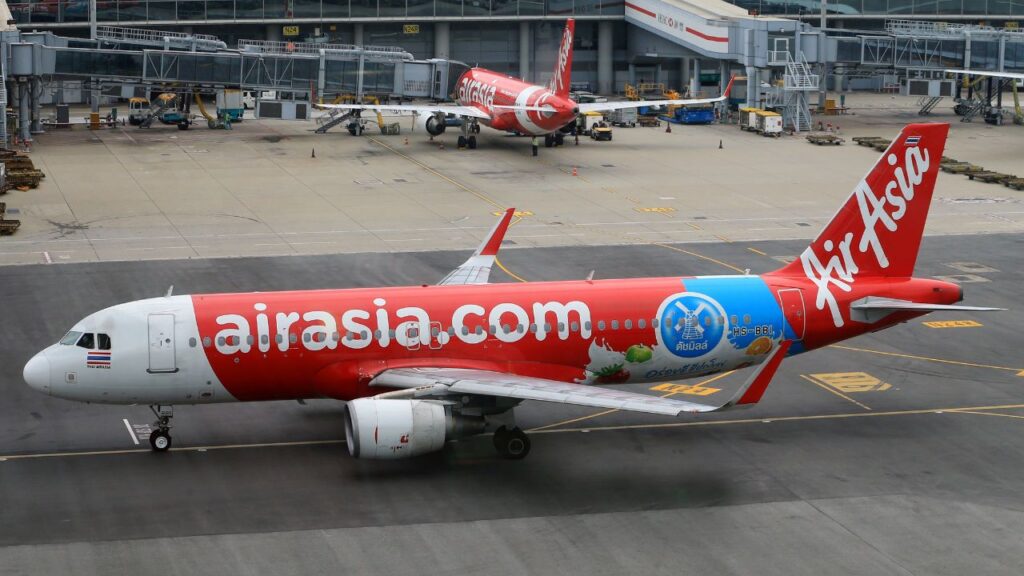
Thailand secondary airports 2026 — DOA offers 50% aircraft parking fee discount from June 1 to November 30 at 28 regional airports to incentivise Thai Lion Air, Thai AirAsia, Thai VietJet and international carriers including SAS to launch new routes to secondary cities.
Thailand secondary airports 2026 are getting a significant commercial boost — the Thai Transport Ministry is offering incentives to airlines to establish new domestic and international routes to airports in secondary cities, aiming to stimulate tourism and local economies. Specific support measures include service fee reductions for new routes and a temporary 50% discount on aircraft parking charges at airports managed by the Department of Airports.
The Thailand secondary airports 2026 initiative is the supply-side complement to the Thai Travel Thai Plus demand stimulus — while the Pao Tang co-payment scheme encourages Thai residents to travel to secondary cities, the DOA fee cut encourages airlines to actually fly to those cities by making it commercially viable to park aircraft at smaller airports that have historically generated insufficient revenue to justify sustained service.
What the DOA Is and What It Manages
The Department of Airports (DOA) and Airports of Thailand (AOT) manage two entirely different tiers of Thailand’s aviation infrastructure — and the distinction is critical for understanding the 50% fee cut.
Thailand’s DOA manages 28 airports, excluding six large gateways — Bangkok Suvarnabhumi, Bangkok Don Mueang, Chiang Mai, Phuket, Hat Yai, and Chiang Rai — which are managed by stock market-listed Airports of Thailand.
AOT’s six airports are Thailand’s primary aviation gateways handling international long-haul traffic and domestic trunk routes. AOT recently raised its international passenger service charge from THB 730 to THB 1,120 — a 53% increase from June 20, 2026.
The DOA’s 28 airports are Thailand’s secondary aviation network — regional and provincial airports serving cities outside the major tourism and commercial centres. These include Krabi, Surat Thani, Ubon Ratchathani, Udon Thani, Khon Kaen, Nakhon Si Thammarat, Phitsanulok, Trang, Nakhon Phanom, Hua Hin, Phrae, Nan, and others across all regions of the country.
At these secondary airports, commercial aviation demand has historically been insufficient to sustain high-frequency service — airlines struggle to fill aircraft on routes to smaller cities and avoid parking costs at airports where they do not maintain constant turnaround. The 50% parking fee cut directly addresses the second barrier.
The 50% Discount: What It Covers and How Long It Runs
Initially, the DOA will offer a 50% discount on aircraft parking charges to airlines flying to and parking at airports under the DOA for six months, effective from June 1 to November 30.
The six-month window — June 1 to November 30, 2026 — covers the entire monsoon low season when secondary city routes typically have the weakest demand and the highest commercial risk for airlines considering new services. By removing the parking cost barrier during this period, the DOA is essentially subsidising the most commercially vulnerable phase of any new route’s development.
Service fee reductions for new routes accompany the parking discount — meaning airlines launching entirely new routes to DOA airports also receive reduced operational fees beyond just the parking charge. The combination creates a meaningful commercial incentive for carriers that have been studying secondary city viability but have been reluctant to commit.
Which Airlines Are Already Flying: Thai Lion Air, Thai VietJet, Thai AirAsia
The Thailand secondary airports 2026 DOA incentive has already generated concrete route launches from three carriers.
Thai Lion Air, Thai VietJetAir, and Thai AirAsia have already commenced flights under the initiative.
Thai AirAsia and Thai Lion Air — Thailand’s two highest-frequency low-cost carriers — are the most commercially significant participants. Both airlines have the fleet scale and pricing capability to make secondary city routes commercially viable faster than full-service carriers, and both have been expanding into Tier 2 and Tier 3 Thai cities aggressively in 2026.
Thai VietJet’s participation connects to the broader Vietjet Thailand Udon Thani hub strategy that we covered earlier — the airline is building a Northeast hub at Udon Thani airport with four daily Bangkok flights and SkyConX international check-through service. The DOA parking discount supports the commercial case for Udon Thani as a genuine aviation hub rather than simply a domestic spoke.
Future plans include new services by EZY Airline to destinations like Hua Hin and Pai starting in 2026.
EZY Airlines — the domestic startup that has been building connections between secondary Thai cities and Vietnam through the EZY-Vietjet partnership — is planning Hua Hin and Pai routes. Hua Hin Airport is separately being upgraded to international status under the Deputy Transport Minister’s 90-day action plan, with the Hua Hin–Kuala Lumpur route restored and services to Singapore, Taipei, and Shanghai under preparation.
International Routes: SAS Copenhagen–Krabi and the Bigger Picture
The Thailand secondary airports 2026 DOA incentive is not limited to domestic routes.
SAS Scandinavian Airlines will introduce a route between Copenhagen Kastrup and Krabi.
The Copenhagen–Krabi announcement is the most commercially surprising entry in the DOA incentive beneficiaries list. A Scandinavian long-haul carrier choosing Krabi — a DOA-managed secondary airport — over Bangkok’s Suvarnabhumi as its Thailand gateway is a direct validation of the DOA incentive framework and a signal that Krabi’s beach and island tourism market is strong enough to justify direct Scandinavian access rather than a Bangkok connection.
For Thai AirAsia and flydubai, secondary route expansion is already underway. By offering reduced service fees and a massive 50% discount on aircraft parking charges at DOA-managed airports, the government has made it incredibly lucrative for airlines to launch direct routes into secondary markets.
The regional development strategy has concrete implementation milestones. Udon Thani Airport has opened customs, immigration and quarantine facilities for international flights, launched the Udon Thani-Suvarnabhumi-Tokyo (Narita) service and increased domestic flights by 50%. Hua Hin Airport is being upgraded to international status, with the Hua Hin-Kuala Lumpur route restored and services to Singapore, Taipei and Shanghai under preparation.
| Thailand Secondary Airports 2026 — DOA Initiative Summary | Details |
|---|---|
| DOA airport portfolio | 28 airports — all except the 6 AOT airports |
| Key incentive | 50% discount on aircraft parking charges |
| Duration | June 1 to November 30, 2026 (6 months) |
| Additional incentive | Service fee reductions for new routes |
| Airlines already participating | Thai Lion Air, Thai VietJet Air, Thai AirAsia |
| New entrants | EZY Airline (Hua Hin, Pai) |
| International route | SAS Copenhagen–Krabi |
| Udon Thani | International CIQ opened, Tokyo Narita service launched, domestic +50% |
| Hua Hin | International upgrade underway, KL restored, SIN/TPE/PVG preparing |
| Objective | Stimulate regional tourism and economies beyond top-6 airports |
The Contrast With AOT: Fee Up for Big Airports, Fee Down for Small
The Thailand secondary airports 2026 DOA discount creates a commercially interesting asymmetry that Indian travelers planning multi-destination Thailand itineraries should understand.
Airports of Thailand will raise the international passenger service charge from 730 baht to 1,120 baht from June 20 at six airports. This 53% increase applies at Suvarnabhumi, Don Mueang, Chiang Mai, Phuket, Hat Yai, and Chiang Rai — the six airports most Indian travelers arrive at.
Simultaneously, the DOA is cutting parking fees 50% at its 28 secondary airports to incentivise new routes. The commercial logic is coherent: raise revenue at congested airports with strong demand, use incentives to grow capacity at underutilised secondary airports.
For Indian travelers, this dual system means flying into Bangkok or Phuket is slightly more expensive from June 20 — but connecting onward to secondary destinations like Krabi, Surat Thani, Udon Thani, or Nakhon Si Thammarat via newly incentivised routes may become cheaper and more frequent as airlines respond to the DOA incentives.
What This Means for Indian Travelers Exploring Beyond Bangkok
The Thailand secondary airports 2026 DOA incentive directly improves the practical options for Indian travelers wanting to explore beyond Bangkok, Phuket, and Chiang Mai.
Northeast Thailand (Ubon Ratchathani, Udon Thani, Nakhon Phanom, Sakon Nakhon): The Northeast has the most to gain. Thai AirAsia and Thai VietJet expanding Udon Thani routes, EZY Airlines building domestic connections, and Vietjet’s SkyConX service making Udon Thani a genuine international connection point — these changes together make the Isaan cultural circuit meaningfully more accessible from Bangkok for Indian travelers who have already done the standard Thailand itinerary.
Southern Secondary (Krabi, Surat Thani, Nakhon Si Thammarat, Trang): SAS’s Copenhagen–Krabi route validates Krabi’s airport as a serious international gateway. For Indian travelers connecting through Dubai or Doha to southern Thailand, a Krabi landing rather than a Phuket landing simplifies access to Railay Beach, Koh Lanta, and the less-crowded southern Andaman destinations.
Central and Western (Hua Hin, Phitsanulok): Hua Hin’s international upgrade positions it as the first Thai beach resort accessible without a Bangkok transit — direct flights from Kuala Lumpur and eventually Singapore will make it directly bookable for Malaysian and Singaporean travelers.
Before any Thailand trip, confirm current entry requirements at thaievisa.go.th. India’s 30-day visa-free entry approved July 14 awaits Royal Gazette publication. Complete the mandatory TDAC within 72 hours before departure. Remember UPI does not work in Thailand — carry Thai Baht or a zero-forex card. For travel insurance covering Thailand trips including secondary destination connections, SafetyWing Nomad Insurance provides comprehensive coverage at affordable daily rates for Indian travelers.
FAQs — Thailand Secondary Airports 2026
Q: What is the DOA offering airlines to fly to secondary Thai cities?
The Thai Transport Ministry is offering incentives to airlines to establish new domestic and international routes to airports in secondary cities. Specific support measures include service fee reductions for new routes and a temporary 50% discount on aircraft parking charges at airports managed by the Department of Airports. The DOA offers a 50% discount on aircraft parking charges for six months, effective from June 1 to November 30. The DOA manages 28 airports excluding the six AOT-operated major gateways.
Q: Which airlines are expanding to secondary Thai airports under the DOA incentive?
Thai Lion Air, Thai VietJetAir, and Thai AirAsia have already commenced flights under the initiative. EZY Airline plans to launch services to Hua Hin and Pai in 2026. SAS Scandinavian Airlines will introduce a Copenhagen–Krabi international route. Udon Thani Airport has launched a Udon Thani–Suvarnabhumi–Tokyo Narita service and increased domestic frequencies by 50%. Hua Hin Airport is being upgraded to international status with Kuala Lumpur services restored and Singapore, Taipei, and Shanghai under preparation.
Q: How does the DOA 50% fee cut relate to the AOT 53% fee increase?
The two moves are from different organisations with different mandates. Airports of Thailand raised the international passenger service charge from 730 baht to 1,120 baht from June 20 at six major airports to fund expansion and development at congested international gateways. Simultaneously, the DOA is cutting parking fees 50% at its 28 secondary airports to incentivise new routes to underutilised regional airports. The combined policy pushes higher revenue from strong-demand airports while using incentives to grow capacity at secondary destinations — a deliberate two-tier aviation development strategy.
Final Word
The Thailand secondary airports 2026 DOA 50% parking fee cut is quietly one of the most strategically important aviation policy moves Thailand has made in years. It directly attacks the commercial barrier that keeps secondary cities underserved — not the demand side, but the supply side cost structure that makes airlines reluctant to park aircraft at smaller airports.
With Thai AirAsia, Thai Lion Air, and Thai VietJet already launching routes and EZY Airlines, SAS, and flydubai expanding into the incentivised network, the June to November window is generating exactly the route diversification that TAT’s Value over Volume strategy and the Thai Travel Thai Plus hotel co-payment scheme depend on.
For Indian travelers, the practical result over the next 12 months will be more direct connections to the Thailand that doesn’t appear on every Instagram feed — and that makes the country genuinely worth returning to.
Also Read:
Official Sources:
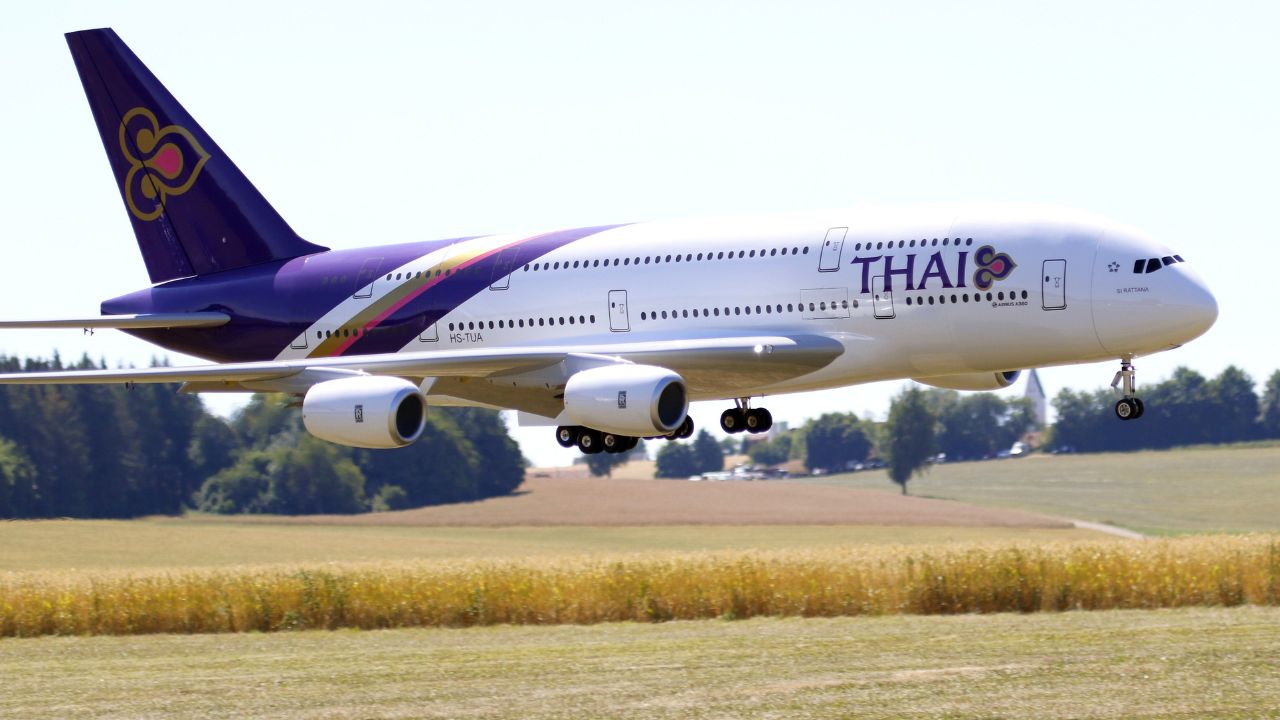
 Thai Airways Flood Waiver 2026: Free Date Change Sept 26–Oct 11, Same Route and Class
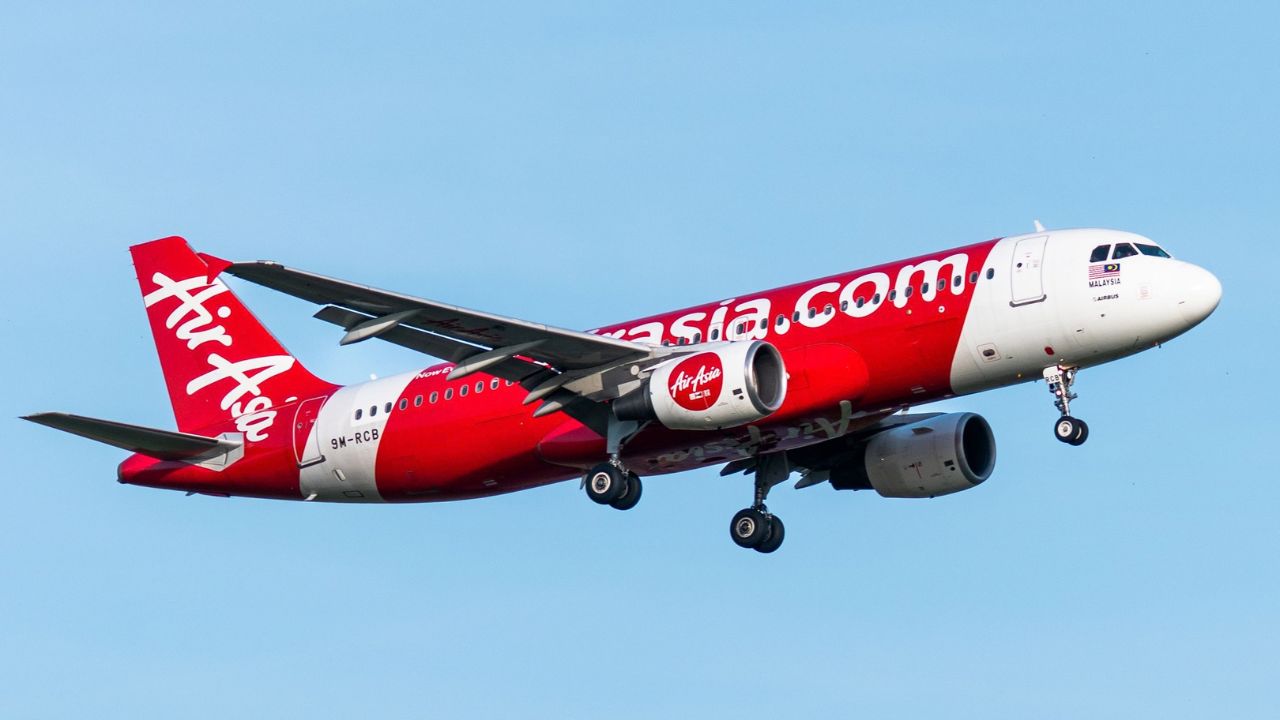
AirAsia Thailand 2026: Analysts Warn AAV Faces Risk From Malaysian Parent’s Fuel Crisis
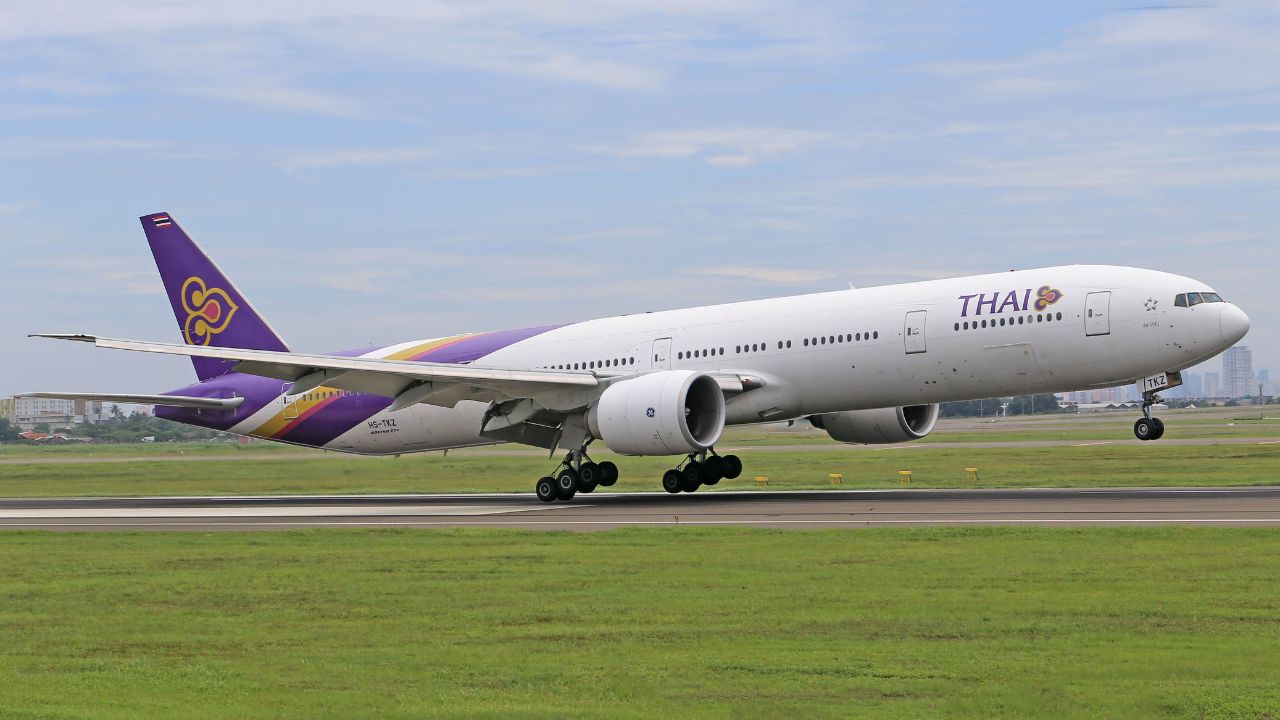
Suvarnabhumi Baggage Delay 2026: Thai Airways Backlog Sept 26–27, Contact Numbers
Bangkok Flooding 2026: All 50 Districts Disaster Zones, Airports Still Operating

Thai Airways Flood Waiver 2026: Free Date Change Sept 26–Oct 11, Same Route and Class
AirAsia Thailand 2026: Analysts Warn AAV Faces Risk From Malaysian Parent’s Fuel Crisis
Suvarnabhumi Baggage Delay 2026: Thai Airways Backlog Sept 26–27, Contact Numbers
Bangkok Flooding 2026: All 50 Districts Disaster Zones, Airports Still Operating

Aaseem Bhardwaj is a journalist, seasoned traveler and IT professional based in India. With firsthand travel experience across Southeast Asia, East Asia, Middle East and Europe, Aaseem founded Travel Man Today to provide reliable visa updates and travel news for Indian passport holders. He has personally traveled to Thailand, Vietnam, Malaysia, Japan, Singapore, Hong Kong, South Korea, UAE and Europe. Follow his travel vlogs on YouTube at @travelmantoday



Templates for Indians