Thailand UNESCO Creative Cities: 35 Designations by 2037, Pattaya and Chanthaburi Next
Thailand UNESCO creative cities strategy targets 35 designations by 2037 — Pattaya Film, Chanthaburi Gastronomy and Si Sa Ket Crafts and Folk Art are the three 2027 submission candidates at the Thailand Creative Cities Network Forum 2026.
Thailand UNESCO creative cities strategy is entering its most ambitious phase yet — the Designated Areas for Sustainable Tourism Administration (Dasta) has announced a plan to secure UNESCO Creative Cities Network (UCCN) recognition for two new destinations every two years, targeting a total of at least 35 Thai cities with international standards designation by 2037.
Thailand currently has nine UNESCO creative cities and approximately 15 communities and attractions recognised as top 100 sustainable destinations by Green Destinations. The Thailand UNESCO creative cities expansion strategy, announced at the Thailand Creative Cities Network Forum 2026 held in August, sets out to more than triple that number over the next decade — positioning cultural and community-based tourism as a primary driver of Thailand’s long-term tourism revenue.
The 35-City Target: Revenue Uplift and the 2027 Next Candidates
Thailand aims to secure UNESCO Creative Cities Network recognition for two new destinations every two years as part of a national strategy to have at least 35 Thai cities designated by 2037.
The recognition is expected to increase tourism revenue in those areas by 10–30%, with an additional 3,000–5,000 baht in average spending per trip for those destinations.
These are significant revenue projections. A 10–30% tourism revenue increase from a single international recognition changes the economic trajectory of smaller Thai provincial cities significantly — and an additional THB 3,000–5,000 (~₹7,200–₹12,000) in average spending per trip reflects the higher-spending, experience-focused traveler profile that UNESCO creative city status attracts.
Siripakorn Cheawsamoot, director of Dasta, said Thailand is on track to drive community-based and cultural tourism to international standards as targeted by the government. The strategy calls for Thailand to achieve international standards — either UCCN or Top 100 Sustainable Destinations by Green Destinations — for 35 cities or communities by 2037.
Dasta, related ministries and provincial organisations plan to submit two more cities for UNESCO recognition in 2027. Potential candidates are Pattaya for film, Chanthaburi for gastronomy and Si Sa Ket for crafts and folk art.
Thailand’s Nine UNESCO Creative Cities: The Current Portfolio
The Thailand UNESCO creative cities strategy builds on a network that already includes nine designated cities across five creative fields. Understanding what the current nine cover helps explain why Pattaya, Chanthaburi, and Si Sa Ket were identified as the next logical candidates.
Bangkok — UNESCO Creative City of Design. Bangkok’s designation reflects its dynamic fusion of traditional craftsmanship and contemporary urban creativity, visible in adaptive reuse projects, the Bangkok Design Week annual event, and the Thailand Creative Design Centre (TCDC) at the Grand Postal Building on Charoen Krung Road.
Chiang Mai — UNESCO Creative City of Crafts and Folk Art. Chiang Mai’s designation covers its exceptional tradition of northern Thai lacquerware, silverwork, woodcarving, woven textiles, and ceramics. The annual Chiang Mai Design Week amplifies the creative economy dimension.
Phuket — UNESCO Creative City of Gastronomy. Phuket’s listing reflects its unique culinary culture shaped by Thai, Chinese, Malay, and Peranakan influences — mee hokkien, moo hong, and local dim sum all traceable to centuries of maritime trade.
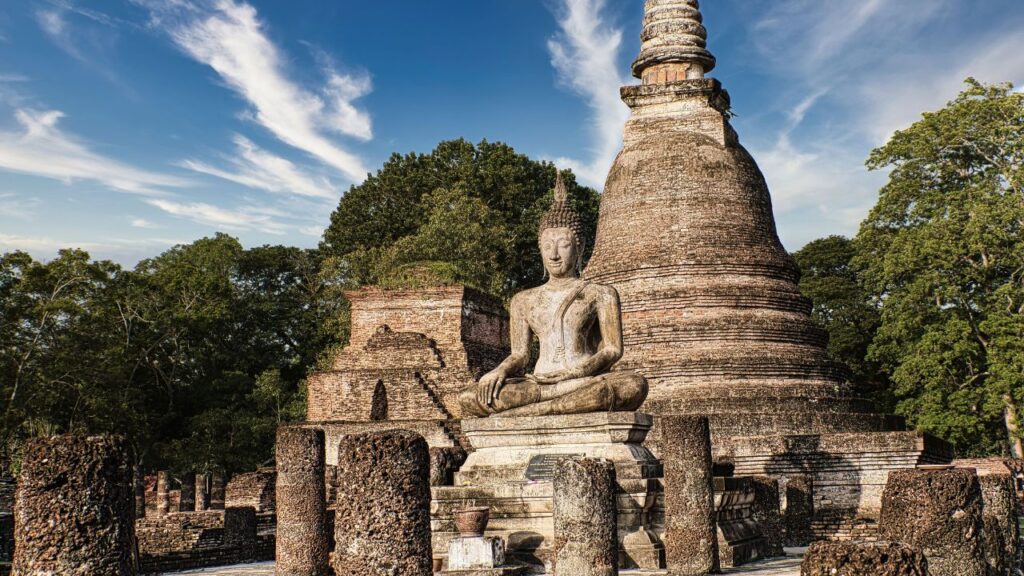
Sukhothai — UNESCO Creative City of Crafts and Folk Art. Known for traditional Sangkalok ceramics using time-honoured hand-shaping and wood-fired kiln methods traceable to the historic kingdom period.
Phetchaburi — UNESCO Creative City (Gastronomy or Crafts designation). A royal city famed for its traditional Thai sweets and skilled artisans in shadow puppet-making, weaving, and traditional confectionery.
Songkhla — Added in 2025 as UNESCO Creative City of Gastronomy. Songkhla’s food culture connects local ingredients, culinary knowledge, and community pride in a distinctly southern Thai tradition.
Nan — Added in 2025 as UNESCO Creative City of Crafts and Folk Art. Nan was submitted under the theme “Artisan-Community-Nature,” reinforcing its identity as a living old city with exceptional woodcarving, weaving, and traditional arts traditions.
The remaining two of the nine are confirmed in TAT promotional materials — the full current list includes nine cities across the network.
| Thailand UNESCO Creative Cities — Current 9 + Next Candidates | Category |
|---|---|
| Bangkok | Design |
| Chiang Mai | Crafts and Folk Art |
| Phuket | Gastronomy |
| Sukhothai | Crafts and Folk Art |
| Phetchaburi | Gastronomy |
| Songkhla (2025) | Gastronomy |
| Nan (2025) | Crafts and Folk Art |
| [2 further current cities] | Various |
| Pattaya (2027 candidate) | Film |
| Chanthaburi (2027 candidate) | Gastronomy |
| Si Sa Ket (2027 candidate) | Crafts and Folk Art |
| 2037 target total | 35 cities |
Why Pattaya for Film, Chanthaburi for Gastronomy
The next three candidate cities reveal the breadth of Thailand’s creative economy — and each has a strong legitimate case for their proposed categories.
Pattaya — Film: Pattaya has been a major filming location for international productions since the 1970s. The city’s distinctive combination of beachfront, neon nightlife, resort architecture, and the nearby Rayong and Chonburi landscapes has featured in international films, Thai television productions, and advertising campaigns for decades. A UNESCO Film City designation would position Pattaya’s production economy — including facilities, crews, and location assets — as internationally benchmarked creative infrastructure rather than simply a tourist party destination.
Chanthaburi — Gastronomy: Chanthaburi province is one of Thailand’s premier fruit-producing regions — the country’s gem capital and home to extraordinary tropical produce including rambutan, durian, mangosteen, and longkong that are among the finest in Southeast Asia. Chanthaburi’s weekly gem market and its historic French colonial-era riverside town also create a distinctive cultural culinary identity that is different from Phuket and Songkhla’s existing gastronomy designations.
Si Sa Ket — Crafts and Folk Art: Si Sa Ket is in the Deep Northeast — Isan country — with strong connections to Khmer cultural heritage through sites like Khao Phra Wihan (Preah Vihear). The province maintains distinctive Isan crafts including silk weaving, mat weaving, and traditional musical instrument production that are genuinely threatened by modernisation and deserve the institutional protection that UCCN recognition provides.
The Forum: Learning From Berlin, Jakarta, Cebu and Echizen
Dasta and partner organisations held the Thailand Creative Cities Network Forum 2026, inviting representatives of new creative city candidates to exchange ideas with delegates from creative city recipients Berlin, Jakarta, Cebu and Echizen.
The international delegation selection is revealing. Berlin (Design), Jakarta (Crafts and Folk Art), Cebu (Design), and Echizen (Crafts and Folk Art, Japan) all have mature UCCN programmes that Thailand’s aspirant cities can learn from — not just in terms of how to win the designation, but how to integrate it into tourism revenue strategy, community economic development, and international marketing.
The forum exchange model is smart policy design. UNESCO Creative Cities Network members share an obligation to actively participate in the network — submitting biennial reports, hosting network events, and collaborating on cross-city projects. Thailand is building the institutional knowledge to be a meaningful UCCN member, not just a designation holder.
What This Means for Indian Cultural Travelers
The Thailand UNESCO creative cities expansion is directly relevant for Indian travelers seeking depth beyond Bangkok’s temples and Phuket’s beaches — and for Indian travelers specifically, the cultural parallels between Thailand’s creative cities and Indian classical traditions are numerous and meaningful.
Bangkok Design Week and Chiang Mai Design Week — both held annually — are among Southeast Asia’s most significant design and creative economy events. Indian design professionals, artisans, and creative economy participants will find genuine professional relevance and inspiration at both.
Sukhothai’s Sangkalok ceramics tradition has direct historical connections to Chinese ceramic traditions that also influenced Indian coastal pottery — a cultural thread interesting to Indian ceramic artists and collectors visiting the Sukhothai Historical Park.
Chiang Mai’s craft tradition — silverwork, lacquerware, woodcarving — produces high-quality artisan pieces that represent some of the most authentic Thai handicraft available. Indian travelers with an interest in traditional crafts find Chiang Mai’s Night Bazaar and Wualai Saturday Walking Street among Thailand’s best artisan shopping destinations.
Phuket’s gastronomy has the most direct India connection — the Chinese-Malay-Thai-Peranakan food fusion in Phuket includes flavours and cooking techniques familiar to South Indian and Kerala coastal food traditions. The annual Phuket Vegetarian Festival in October is particularly resonant for Indian Hindu and Jain travelers.
Before any Thailand trip, confirm current entry requirements at thaievisa.go.th. India now has 30-day visa-free entry approved July 14 — awaiting Royal Gazette publication. Complete the mandatory TDAC digital arrival card within 72 hours before departure. Remember UPI does not work in Thailand — carry Thai Baht or a zero-forex international card. For travel insurance covering Thailand cultural tourism trips, SafetyWing Nomad Insurance provides comprehensive coverage at affordable daily rates for Indian travelers.
FAQs — Thailand UNESCO Creative Cities 2026
Q: How many UNESCO Creative Cities does Thailand currently have and what is the 2037 target?
Thailand has nine UNESCO creative cities currently and roughly 15 communities and attractions recognised as top 100 sustainable destinations. The 2037 target is at least 35 Thai cities or communities with international standards designation — either UNESCO Creative Cities Network recognition or Green Destinations Top 100 Sustainable Destinations status. Dasta plans to submit two new cities for UNESCO recognition in 2027, with Pattaya (Film), Chanthaburi (Gastronomy), and Si Sa Ket (Crafts and Folk Art) as the three identified candidates for the next submission.
Q: What revenue increase does UNESCO Creative City status bring to Thai cities?
Receiving UNESCO Creative Cities Network recognition is expected to increase tourism revenue in those areas by 10–30%, with an additional 3,000–5,000 baht in average spending per trip. The revenue increase reflects the higher-spending, experience-focused traveler profile that creative city designation attracts — cultural tourism travelers who seek genuine craft, gastronomy, design, and arts experiences typically spend more per day and per trip than standard leisure tourists.
Q: What are Thailand’s nine current UNESCO Creative Cities?
Thailand’s nine UNESCO Creative Cities span five creative fields. Bangkok is a Creative City of Design. Chiang Mai, Sukhothai, and Nan are Cities of Crafts and Folk Art. Phuket, Phetchaburi, and Songkhla are Cities of Gastronomy. The remaining two cities complete the nine. Nan and Songkhla were the two most recent additions, joining the network in 2025. The 2027 submission candidates are Pattaya (Film), Chanthaburi (Gastronomy), and Si Sa Ket (Crafts and Folk Art).
Final Word
The Thailand UNESCO creative cities 35-by-2037 strategy is the most ambitious cultural tourism positioning programme Thailand has ever launched — and it is commercially grounded, not merely aspirational. A 10–30% tourism revenue uplift per city, THB 3,000–5,000 additional spending per trip, two new submissions every two years, and a current nine-city base that already includes Bangkok, Chiang Mai, Phuket, and Sukhothai
— the building blocks are in place. Pattaya’s film candidacy, Chanthaburi’s gastronomy case, and Si Sa Ket’s Isan craft heritage all represent strong bids for 2027. For Indian cultural travelers looking for Thailand beyond the standard itinerary, the UNESCO creative cities network is the most reliable guide to destinations where depth, authenticity, and community-led tourism experience are guaranteed by international standard.
Also Read:
- Wat Phra Mahathat UNESCO — Thailand’s 9th World Heritage Site 2026
- Thailand Tourism Stimulus 2026 — Three Schemes Worth ₹582 Crore
- Thailand Travel Advisory Indians July 2026 — Full Guide
Official Sources:
- Bangkok Post — Thailand to Ramp Up Creative Cities Drive
- Dasta — Designated Areas for Sustainable Tourism Administration
 Thailand DTV Embassy Rules 2026: Residency Requirement Varies by Mission — Check Before Applying
Thai Airways Winter Schedule 2026: 66 Routes, New Danang, Europe Flights From October 25
Bangkok Airport Taxi Indians 2026: 2,000 Baht Scam Warning and How to Pay the Right Price
Air Astana Dubai 2026: Almaty and Astana Flights Resume October 1–2, 22 Weekly by Month-End

Thailand DTV Embassy Rules 2026: Residency Requirement Varies by Mission — Check Before Applying
Thai Airways Winter Schedule 2026: 66 Routes, New Danang, Europe Flights From October 25
Bangkok Airport Taxi Indians 2026: 2,000 Baht Scam Warning and How to Pay the Right Price
Air Astana Dubai 2026: Almaty and Astana Flights Resume October 1–2, 22 Weekly by Month-End

Aaseem Bhardwaj is a journalist, seasoned traveler and IT professional based in India. With firsthand travel experience across Southeast Asia, East Asia, Middle East and Europe, Aaseem founded Travel Man Today to provide reliable visa updates and travel news for Indian passport holders. He has personally traveled to Thailand, Vietnam, Malaysia, Japan, Singapore, Hong Kong, South Korea, UAE and Europe. Follow his travel vlogs on YouTube at @travelmantoday
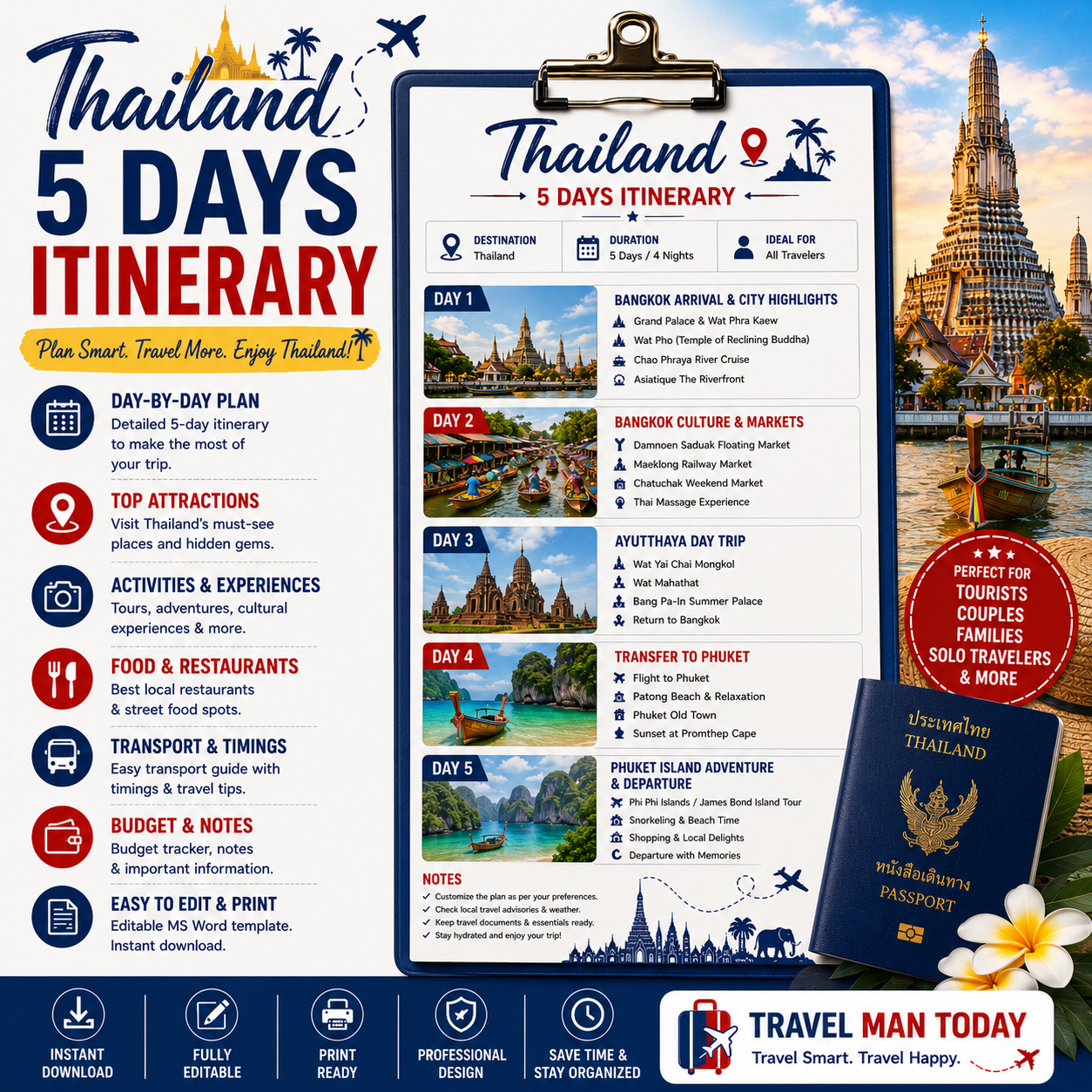



Templates for Indians