Schengen Visa 2026 Indians: Complete Guide to Documents, Fees and New Rules
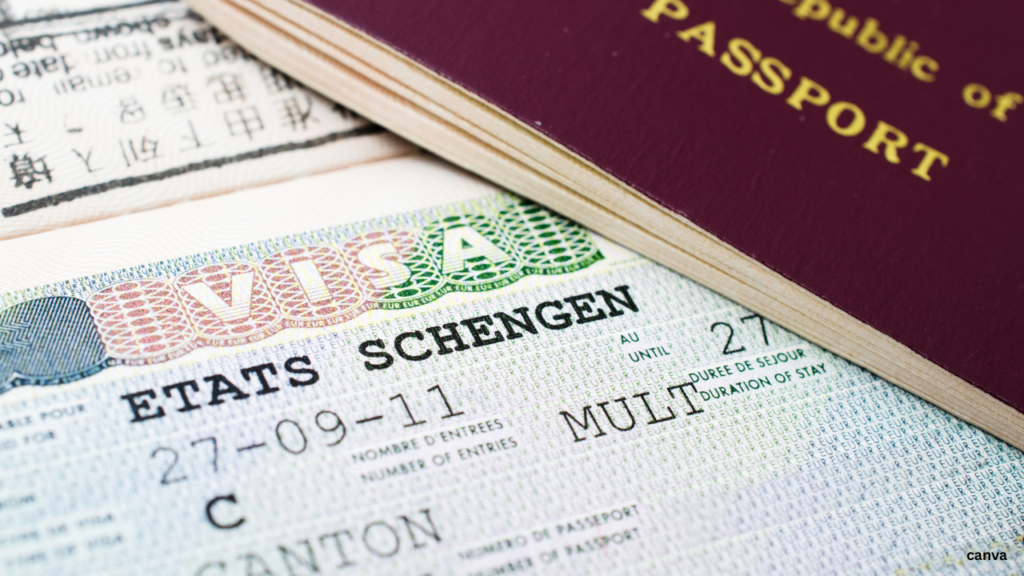
Everything Indian travelers need to know about Schengen Visa 2026, including documents, fees and new Europe travel rules.
Schengen Visa 2026 Indians is one of the most searched travel topics this year as Europe introduces new border systems, long-term visa benefits, and potential digital visa reforms. If you are planning to visit France, Germany, Italy, Switzerland, Spain, Greece, the Netherlands, or any other Schengen destination, understanding the latest Schengen visa rules is essential before booking your trip.
In 2026, three major developments are changing how Indians travel to Europe. The new Entry/Exit System (EES) is now active across the Schengen Area, the Cascade Visa Regime offers longer validity visas for frequent travelers, and India and the European Union have signed a Mobility Pact that may pave the way for a fully digital visa application process in the future.
This guide explains everything Indian passport holders need to know about the Schengen Visa 2026 Indians process, including documents, fees, application steps, country-specific requirements, and tips to improve approval chances.
What Is Schengen Visa 2026 Indians?
A Schengen visa allows Indian travelers to visit 29 European countries using a single visa. Once issued, you can move freely between participating Schengen countries without undergoing additional immigration checks at internal borders.
Popular Schengen destinations for Indians include France, Germany, Italy, Spain, Switzerland, Austria, Greece, Portugal, Belgium, and the Netherlands.
As of 2026, the Schengen Area includes 29 countries after Bulgaria, Romania, and Croatia fully joined the zone.
However, travelers should remember that the United Kingdom, Ireland, and Cyprus are not part of the Schengen Area and require separate visas.
For tourism, family visits, and business travel, most applicants require a Type C Short-Stay Visa, which allows a maximum stay of 90 days within any rolling 180-day period.
Schengen Area Overview
| Category | Details |
|---|---|
| Total Schengen Countries | 29 |
| Most Common Visa | Type C Short-Stay Visa |
| Maximum Stay | 90 Days in 180 Days |
| Valid For | Tourism, Business, Family Visits |
| Biometric Requirement | Yes |
Schengen Visa 2026 Indians: Major Changes This Year
Several important updates have been introduced under the Schengen Visa 2026 Indians framework.
Entry/Exit System (EES)
The Entry/Exit System became fully operational across Schengen countries in April 2026.
Instead of traditional passport stamps, immigration authorities now digitally record:
- Fingerprints
- Facial photographs
- Passport information
- Entry and exit records
This system automatically tracks compliance with the 90/180-day rule. Any overstay is recorded electronically and may affect future visa applications.
First-time visitors may experience slightly longer processing at immigration checkpoints while biometric registration is completed.
India-EU Mobility Pact
India and the European Union signed a Mobility Pact in early 2026.
The agreement aims to introduce:
- Digital visa applications
- Faster processing systems
- Additional mobility benefits
- Improved student and researcher access
Although the traditional application process remains in place today, future digital visa services are expected later in 2026.
Cascade Visa Regime
The Cascade Visa Regime is perhaps the most significant change for frequent travelers.
Applicants who use Schengen visas responsibly may qualify for longer validity multi-entry visas.
| Travel History | Potential Visa Validity |
|---|---|
| First Visa | Standard Short-Stay Visa |
| Two Properly Used Visas in 3 Years | Up to 2-Year Multi-Entry Visa |
| Successful Use of 2-Year Visa | Up to 5-Year Multi-Entry Visa |
The 90/180-day stay rule continues to apply, but travelers can avoid repeated visa applications.
Documents Required for Schengen Visa 2026 Indians
Preparing documents correctly remains one of the most important parts of the application process.
Indian applicants generally need:
- Passport valid for at least three months after return
- Two blank passport pages
- Completed visa application form
- Recent passport-size photographs
- Flight reservation
- Hotel bookings
- Travel insurance with minimum €30,000 coverage
- Bank statements from the last 3–6 months
- Income proof
- Employment or business documents
- Cover letter
- Detailed itinerary
- Proof of ties to India
Many travel consultants recommend maintaining approximately ₹2.5 lakh to ₹4 lakh in available funds, although actual requirements vary by destination and travel duration.
Consistency across all documents is essential. Even minor discrepancies can trigger additional scrutiny.
Schengen Visa 2026 Indians Application Process
Applying for a Schengen visa involves multiple steps.
Step 1: Select the Correct Embassy
Apply through the country where you will spend the majority of your trip.
If your stay is equal across countries, apply through the country of first entry.
Step 2: Book a Visa Appointment
Most Schengen countries use VFS Global centers across India.
Spain often uses BLS International for visa processing.
Applicants from Delhi, Mumbai, Chennai, Bengaluru, Hyderabad, Kolkata, and other cities should book appointments early during peak travel periods.
Step 3: Organize Documents
Prepare documents exactly according to embassy requirements.
Ensure that hotel bookings, insurance policies, bank statements, and application forms match your itinerary.
Step 4: Attend Biometrics Appointment
Applicants must submit fingerprints and photographs.
Visa centers collect documents but do not make approval decisions.
Step 5: Consulate Review
Embassies assess applications individually.
Processing times generally range between one and four weeks.
Step 6: Passport Collection
After approval, review visa validity dates and entry conditions carefully before travel.
Schengen Visa Fees 2026
The standard Schengen visa fee for adults is:
- €90 (approximately ₹8,900)
- Children aged 6–11: €45 (approximately ₹4,450)
- Children under 6: Free
Additional service charges apply through VFS Global or BLS International.
Estimated Costs
| Expense | Approximate Cost |
|---|---|
| Visa Fee | ₹8,900 |
| VFS/BLS Charges | ₹2,000–₹3,000 |
| Insurance | ₹800–₹2,000 |
| Photos & Documents | ₹500–₹1,000 |
| Total Estimate | ₹11,000–₹15,000 |
Visa fees remain non-refundable regardless of approval outcome.
Country-Specific Requirements
Different countries may request additional documentation.
Germany
- VIDEX form required
- Branch-attested bank statements preferred
Switzerland
- Often requests two years of Income Tax Returns
- Strong proof of funds expected
Spain
- Higher financial scrutiny
- Additional supporting documents may be requested
France and Italy
- Online forms available
- Biometrics required in person
Germany and Austria
- Non-English documents may require certified translations
Common Reasons for Schengen Visa Rejection
Many refusals occur because of avoidable mistakes.
Common reasons include:
- Insufficient funds
- Large unexplained deposits
- Weak proof of return to India
- Wrong embassy selection
- Missing documents
- Incorrect photographs
- Previous visa violations
- Inconsistent itineraries
Proper preparation significantly improves approval chances.
Tips to Improve Approval Chances
If you are applying for a Schengen Visa 2026 Indians application, consider the following:
- Apply 6–8 weeks before departure
- Maintain a stable bank balance
- Use refundable hotel bookings
- Avoid purchasing non-refundable flights before approval
- Submit a detailed cover letter
- Include previous travel history
- Keep your itinerary realistic
- Ask about long-term multi-entry visas if eligible
FAQs – Schengen Visa 2026 Indians
What is the maximum stay allowed on a Schengen visa?
Indian travelers can stay for up to 90 days within any rolling 180-day period.
What is the new Entry/Exit System?
The EES is a biometric border management system that digitally records entries, exits, fingerprints, and facial images.
Can Indians get a 5-year Schengen visa?
Yes. Under the Cascade Visa Regime, travelers who have used previous Schengen visas properly may become eligible for longer-validity multi-entry visas.
Final Word
The Schengen Visa 2026 Indians process has evolved significantly with the introduction of the Entry/Exit System, the Cascade Visa Regime, and future digital visa plans under the India-EU Mobility Pact.
For Indian travelers, the fundamentals remain unchanged: submit complete documentation, maintain strong financial records, provide a realistic itinerary, and apply well before departure. Those who prepare carefully can not only improve approval chances but may also qualify for longer-term multi-entry visas that make future Europe travel much easier.
Also Read:
- Schengen Visa Application Form Indians 2026: Complete Guide to All 37 Fields
- Schengen Visa Cover Letter for Indians
- How to Book Dummy Ticket Online Free & Paid 2026
- https://travelmantoday.com/visa-templates/
- VFS Global India Visa 2026: EU Reports Raise Processing Concerns
Official Sources:

Aaseem Bhardwaj is a journalist, seasoned traveler and IT professional based in India. With firsthand travel experience across Southeast Asia, East Asia, Middle East and Europe, Aaseem founded Travel Man Today to provide reliable visa updates and travel news for Indian passport holders. He has personally traveled to Thailand, Vietnam, Malaysia, Japan, Singapore, Hong Kong, South Korea, UAE and Europe. Follow his travel vlogs on YouTube at @travelmantoday





Templates for Indians



1 thought on “Schengen Visa 2026 Indians: Complete Guide to Documents, Fees and New Rules”