Thailand Visa Land Border 2026: Two Entries Per Calendar Year — September 15 Does NOT Reset Your Count
Thailand visa land border 2026 advisory — the Royal Thai Embassy London confirms that visa-exempt land and sea border entries are limited to two per calendar year under the new scheme effective September 15, 2026, with authorities yet to clarify whether entries made under the previous 60-day scheme earlier in 2026 count toward the new limit.
Quick answer: From September 15, Thailand’s new 30-day visa exemption limits land and sea border entries to TWO per calendar year. “Calendar year” means January 1 to December 31 — NOT a fresh two-entry allowance from September 15. If you have already entered Thailand twice through a land border in 2026, do not assume September 15 resets your count. The transition rules have not been clearly explained. The Royal Thai Embassy London confirms that travelers intending to visit more than twice per year for non-tourism purposes should apply for an appropriate visa.
Thailand visa land border 2026 has a critical detail that has gone almost completely uncovered in mainstream reporting on the September 15 rule change — the two-entry-per-calendar-year limit on visa-exempt land border entries does NOT reset on September 15. If you have already used two land border entries in 2026, the new policy does not give you a fresh allowance.
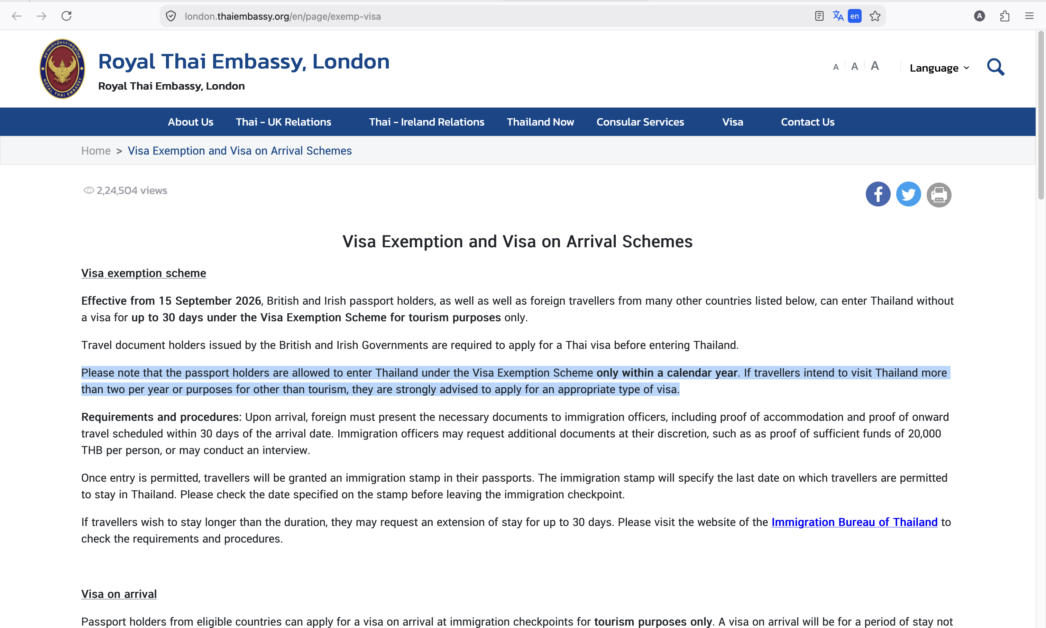
The Thailand visa land border 2026 transition point is creating genuine confusion because the rule has been widely reported as “two land border entries per year under the new 30-day scheme” without the equally important clarification: “calendar year” means January 1 through December 31 — not “two entries from September 15 onward.” The advisory from the Royal Thai Embassy in London specifically notes that passport holders are allowed to enter Thailand under the Visa Exemption Scheme only within a calendar year and that travellers intending to visit Thailand more than twice per year for purposes other than tourism are strongly advised to apply for an appropriate type of visa.
For Indian travelers who have used Thailand’s 60-day visa-free scheme earlier in 2026 and entered through land borders — the Thai-Malaysian border at Sadao/Padang Besar, the Thai-Cambodian crossings, or the Thai-Lao bridges — this update is essential reading before any September or Q4 travel. See our Thailand visa free 30 days 2026 guide for the full September 15 regulatory context.
The Calendar Year Problem: What “Two Entries” Actually Means
The Thailand visa land border 2026 two-entry limit has a specific and important definition that the published regulations use — “per calendar year.”
Under the published rules, visa-exempt entry through a land border or sea border is limited to two entries per calendar year, unless your nationality falls under one of the specified exemptions. The key word is “calendar year” — meaning January 1 to December 31, 2026. Not a rolling 12-month period from September 15. Not a fresh two-entry allowance that begins on the day the new policy takes effect.
This means:
If you entered Thailand by land border once in February 2026 and once in June 2026 under the previous 60-day visa exemption scheme — you may already have used both of your 2026 calendar-year visa-exempt land border entries before September 15 even arrives.
The published rule does not say that everyone gets a fresh two-entry allowance from September 15.
The critical gap is that Thai authorities have not clearly explained how the transition will work — specifically, whether visa-exempt land entries made earlier in 2026 under the previous 60-day scheme will count toward the new two-entry limit. Until that clarification is published, the safer approach is to consider your full 2026 land-border entry history rather than assuming you have a new two-entry allowance from September 15.
The Transition Ambiguity: What Has Not Been Clarified
The Thailand visa land border 2026 transition has a specific unanswered question that any honest coverage must acknowledge directly.
Thailand introduced the new visa exemption scheme on September 15. The old 60-day scheme was in effect from January 1 through September 14. During those 8.5 months, travelers entered Thailand through land borders under the old rules. Those entries are documented in Thailand’s Immigration Bureau database.
What has not been confirmed: whether those earlier 2026 land border entries count toward the new scheme’s two-per-calendar-year limit.
There are two possible interpretations:
Interpretation A (strict): The calendar year is 2026, running January 1 through December 31. Any visa-exempt land entry in 2026 — whether under the old 60-day scheme or the new 30-day scheme — counts toward the two-entry limit. Under this reading, someone who entered through a land border in March and July 2026 has already used their 2026 allowance.
Interpretation B (transitional): The new scheme’s two-entry limit only counts entries made under the new scheme from September 15 onward. Earlier 2026 land entries under the old scheme do not count. Under this reading, every traveler starts with a fresh two-entry allowance from September 15.
Thai immigration authorities have not publicly clarified which interpretation applies. Until they do, the Royal Thai Embassy London’s position — that travelers intending to visit more than twice per year for non-tourism purposes should apply for an appropriate visa — is the operationally safe guidance.
What Frequent Thailand Travelers Must Understand
The Thailand visa land border 2026 limit creates a specific risk profile for the category of traveler most affected — frequent visitors who use land border crossings regularly.
The “border run” is now structurally limited. The previous 60-day visa exemption was used by long-stay travelers in a “border run” pattern — crossing briefly into a neighboring country (Malaysia, Cambodia, Laos, or Myanmar) and returning to reset the visa-free clock. Under the new rules, visa-exempt land entries are limited to two per calendar year. This makes the border run strategy non-viable as a long-stay solution from September 15 — and potentially already exhausted for 2026 if you have made two land crossings earlier this year.
Air entries remain uncapped annually. The two-entry limit applies only to land and sea borders. Visa-exempt air arrivals at Suvarnabhumi, Don Mueang, Phuket, or Chiang Mai airports have no stated annual cap. Travelers who enter by air are not affected by the land border two-entry limit.
Repeated entries attract scrutiny regardless of numerical limit. Even if you are within the numerical limit, repeated visa runs can still attract scrutiny and potentially lead to refusal of entry. Thai immigration officers retain the right to refuse entry to anyone they believe is not entering for genuine tourism purposes — regardless of whether the two-entry numerical limit has been reached.
The purpose test applies. If your actual purpose of visiting Thailand is work, business, study, or another non-tourism activity, you should make sure you are using the appropriate immigration status rather than relying on repeated visa-exempt entries. The new 30-day visa exemption is explicitly for tourism only — as covered in our Thailand visa exemption tourism guide. Non-tourism purposes require the appropriate visa category.
What You Should Do Based on Your Situation
The Thailand visa land border 2026 situation calls for a specific response based on your 2026 entry history and travel plans.
If you have made zero or one land border entry in 2026: You are in the clearest position — you have either one or two remaining entries available under the most conservative interpretation of the calendar year rule. Plan any land border entries carefully and ensure your travel purpose is genuinely tourism.
If you have made two or more land border entries in 2026: Do not assume September 15 resets your allowance. Until Thai authorities clarify the transition, treat your 2026 land border allowance as potentially exhausted for this calendar year. Use air travel for any remaining 2026 Thailand visits — air arrivals are not subject to the annual cap.
If you visit Thailand frequently for non-tourism purposes: The Royal Thai Embassy London’s advisory is unambiguous — apply for an appropriate type of visa. The options depending on your purpose include the Non-Immigrant B (business), Non-Immigrant ED (education), the Destination Thailand Visa (DTV) for remote workers, or a Long-Term Resident Visa. The DTV from August 31 requires home-country application and a mandatory Police Clearance Certificate.
If you are a multi-entry visa holder: Existing multi-entry Non-Immigrant visas are not affected by the land border two-entry limit — the limit applies to visa-exempt entry only. Multi-entry visa holders can continue crossing land borders according to their visa conditions.
Complete TDAC at tdac.immigration.go.th before each Thailand departure — mandatory, free, within 72 hours before departure. UPI does not work in Thailand — carry Thai Baht. For travel insurance covering Thailand trips including entry refusal situations, SafetyWing Nomad Insurance provides comprehensive coverage at affordable daily rates for Indian travelers.
FAQs — Thailand Visa Land Border 2026
Q: Does September 15 give me a fresh two-entry land border allowance for 2026?
This has not been clearly confirmed by Thai authorities. The published rule limits visa-exempt land and sea border entries to two per calendar year — and calendar year means January 1 through December 31, not a fresh allowance from September 15. Thai authorities have not clearly explained whether visa-exempt land entries made earlier in 2026 under the previous 60-day scheme count toward the new two-entry limit. The safer approach is to consider your full 2026 land-border entry history rather than assuming a fresh two-entry allowance from September 15.
Q: What does the Royal Thai Embassy London say about frequent visitors?
The Royal Thai Embassy London advises that passport holders are allowed to enter Thailand under the Visa Exemption Scheme only within a calendar year, and that travellers intending to visit Thailand more than twice per year for purposes other than tourism are strongly advised to apply for an appropriate type of visa. This applies to business visitors, workers, students, and anyone whose purpose of visit is not genuine tourism.
Q: Can I still do border runs to reset my Thailand visa-free stay?
The border run strategy is no longer viable as a long-stay solution from September 15. Visa-exempt land and sea border entries are limited to two per calendar year. Even within the numerical limit, repeated visa runs can still attract scrutiny and potentially lead to refusal of entry. Thai immigration officers retain the right to refuse entry to anyone they believe is not entering for genuine tourism purposes. If your purpose is non-tourism — work, business, remote work, study — apply for the appropriate visa category rather than relying on repeated visa-exempt entries.
Final Word
Thailand visa land border 2026 — two entries per calendar year from September 15, calendar year means January 1 to December 31, September 15 does NOT automatically reset your 2026 count, transition rules not yet clarified, Royal Thai Embassy London advises applying for appropriate visas for non-tourism frequent visitors, air entries remain uncapped — is the most important uncovered detail of the September 15 rule change.
If you have already made two land border entries in 2026, treat your land-border allowance as potentially exhausted until Thai authorities clarify the transition. Use air arrivals for Q4 2026 Thailand visits. Apply for a multi-entry visa if Thailand is a regular destination for non-tourism purposes. Watch the implementation, not just the headline that says “two entries per year from September 15.”
Also Read:
- Thailand Visa Free 30 Days 2026 — September 15 India Confirmed
- Thailand Visa Exemption Tourism 2026 — No Work From September 15
- Thailand DTV Visa Rules 2026 — Home Country Only, PCC Mandatory
Official Sources:
 Thailand Visa Land Border 2026: Two Entries Per Calendar Year — September 15 Does NOT Reset Your Count
Belarus e-Visa Indians 2026: India Added to Eligible List, Fee and Validity Not Yet Published

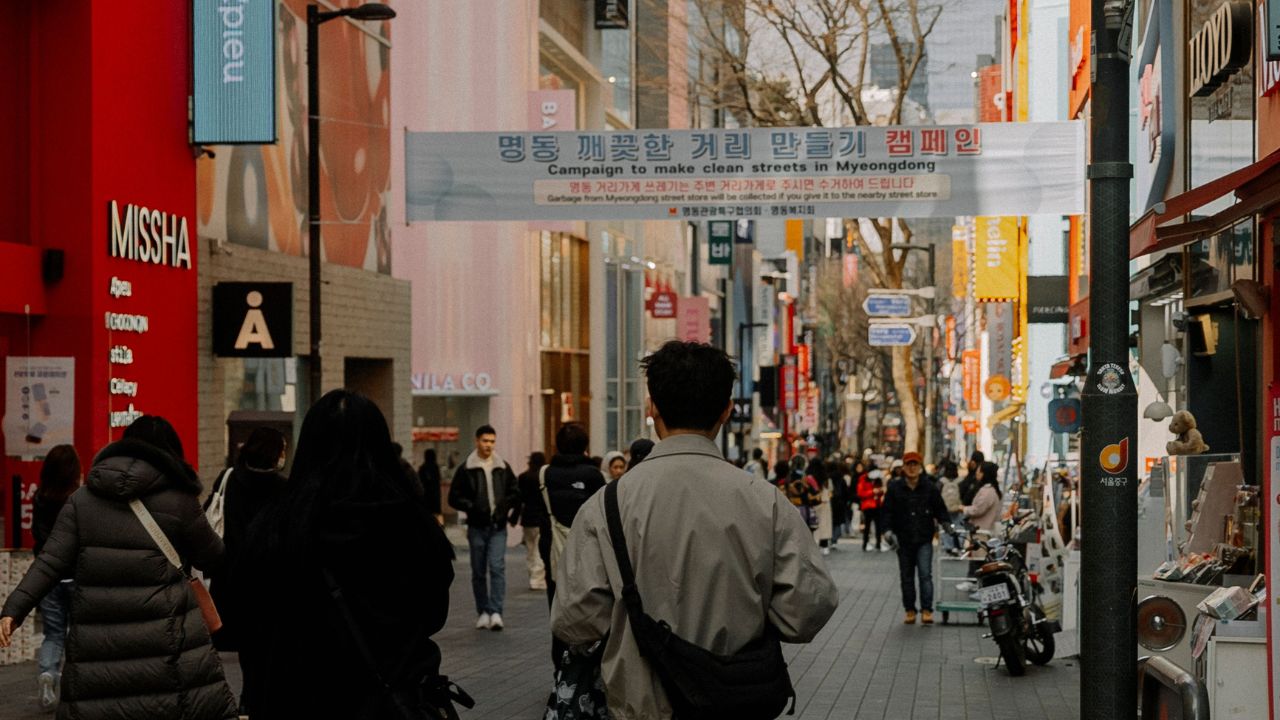
South Korea Tourist Complaints 2026: Record 1,753 in 7 Months — Taxis, Hotels, Overcharging
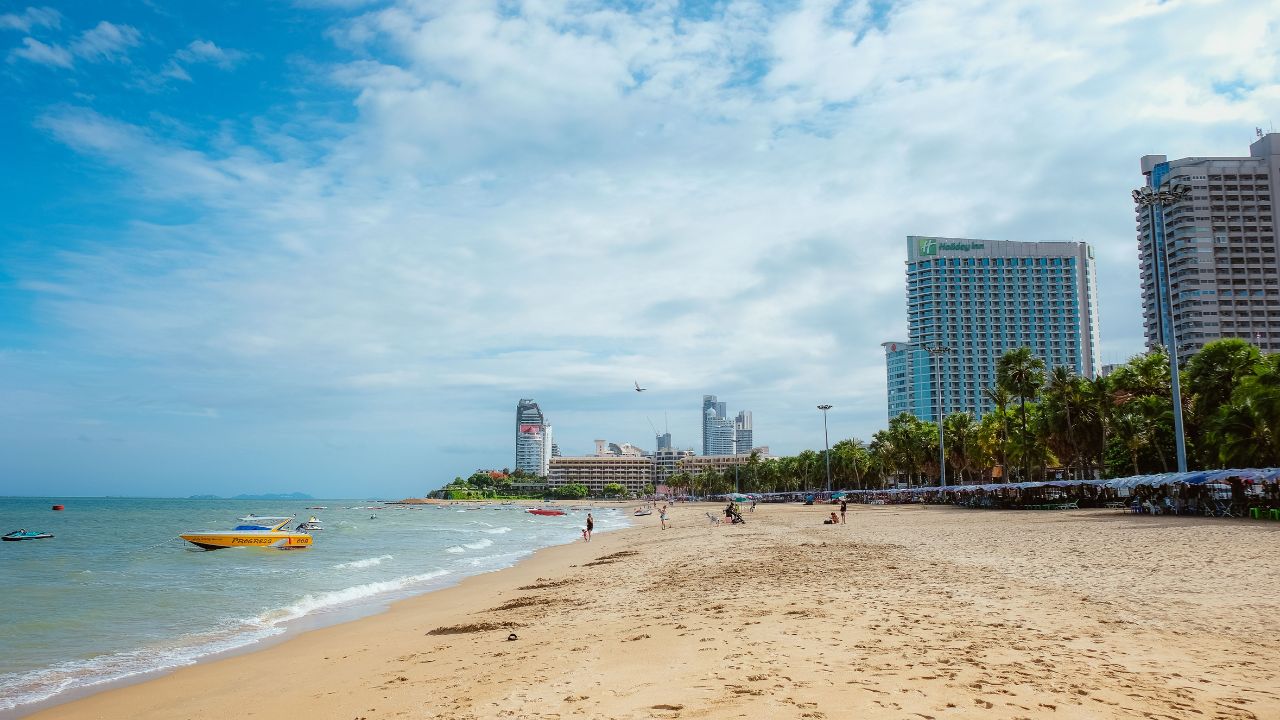
Pattaya DreamWorks Hotel 2033: Shrek, Kung Fu Panda Resort Opening Q1 2033
Thailand Visa Land Border 2026: Two Entries Per Calendar Year — September 15 Does NOT Reset Your Count
Belarus e-Visa Indians 2026: India Added to Eligible List, Fee and Validity Not Yet Published
South Korea Tourist Complaints 2026: Record 1,753 in 7 Months — Taxis, Hotels, Overcharging
Pattaya DreamWorks Hotel 2033: Shrek, Kung Fu Panda Resort Opening Q1 2033

Aaseem Bhardwaj is a journalist, seasoned traveler and IT professional based in India. With firsthand travel experience across Southeast Asia, East Asia, Middle East and Europe, Aaseem founded Travel Man Today to provide reliable visa updates and travel news for Indian passport holders. He has personally traveled to Thailand, Vietnam, Malaysia, Japan, Singapore, Hong Kong, South Korea, UAE and Europe. Follow his travel vlogs on YouTube at @travelmantoday




Templates for Indians