Croatia Alcohol Ban Tourists: Makarska First City to Act, More Cities Follow
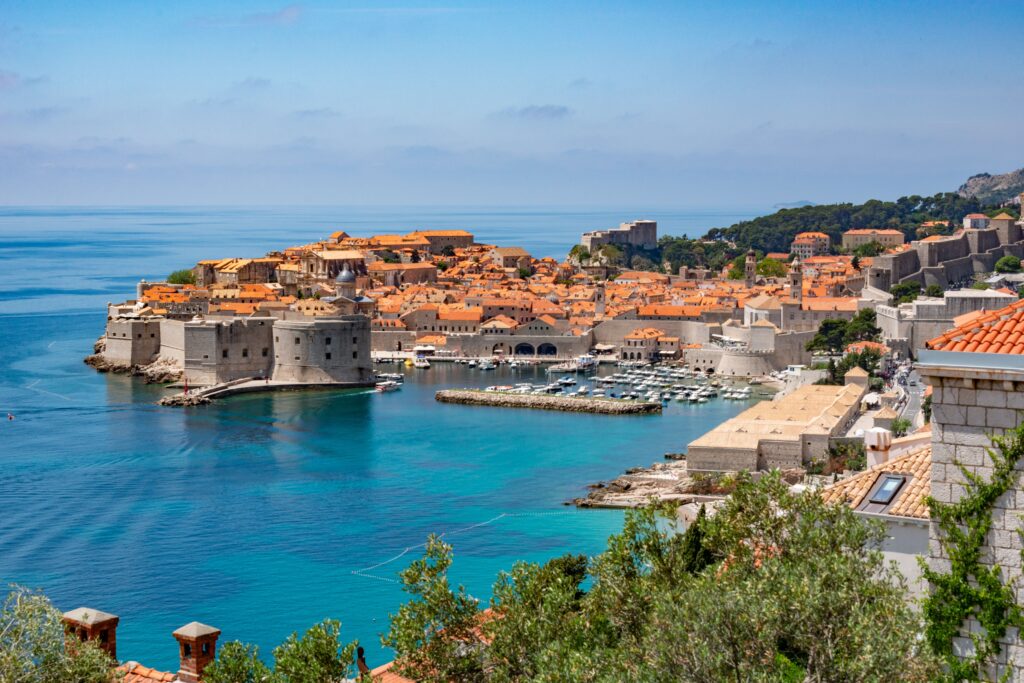
Croatia alcohol ban tourists are encountering in July 2026 — Makarska becomes the first Croatian city to restrict retail alcohol sales from 21:00 to 06:00, following Croatia's parliament unanimously approving Trade Act amendments enabling municipalities to act.
Croatia alcohol ban tourists are experiencing firsthand has become law — Makarska is the first Croatian city to introduce a late-night alcohol sales ban, a decision adopted by the City Council that has sparked a lively debate among residents. The new regulation prohibits the sale of alcoholic beverages in retail outlets — including supermarkets, convenience stores, kiosks, and bakeries — between 21:00 and 06:00.
The Makarska ban is the first concrete implementation of what Croatia’s parliament made legally possible in May 2026, when it passed amendments to the Trade Act giving local governments the authority to restrict retail alcohol sales to protect public order, cultural heritage, and resident quality of life. The legislation passed with unanimous support — all 117 lawmakers present in the 151-seat assembly backed the Trade Act amendments.
Why Croatia Finally Acted: Years of Resident Complaints
The Croatia alcohol ban tourists triggered is not a sudden policy response — it is the culmination of years of escalating complaints from residents of coastal towns who live alongside some of Europe’s most popular summer party destinations.
Local and social media have been filled with images of intoxicated visitors drinking in the streets, urinating in public and causing noise late into the night, much of it linked to cheap alcohol bought in shops and consumed outdoors.
The pattern is consistent across Croatia’s Adriatic coast. Cheap alcohol purchased from convenience stores and supermarkets is consumed in public spaces — on waterfronts, in historic squares, outside restaurants where locals are trying to eat — creating noise, litter, and physical confrontations that have made summer increasingly unpleasant for year-round residents.
The critical detail in the legislation is what it does and does not restrict. The rules do not apply to bars or restaurants. The Croatia alcohol ban tourists face is specifically a retail prohibition — bars, clubs, restaurants, and licensed nightlife venues continue to operate normally. The target is outdoor public drinking fuelled by cheap shop-bought alcohol, not the licensed hospitality economy.
Economy Minister Ante Šušnjar said when announcing the Trade Act amendments: “This is primarily for the health of our citizens, especially children and young people, to preserve public order and protect the environment and cultural heritage.”
How the Ban Works: Retail Only, Bars Exempt, 9pm to 6am
The practical operation of the Croatia alcohol ban tourists need to understand is straightforward.
From 21:00 to 06:00, retail outlets — supermarkets, convenience stores, kiosks, bakeries, off-licences — cannot sell alcohol. This nine-hour window covers the peak period when shop-bought alcohol feeds outdoor drinking in public spaces.
Licensed bars, restaurants, and nightclubs are entirely exempt. If you want a drink after 9pm in Makarska, you go to a bar and pay bar prices. The ban removes the option of buying cheap supermarket wine or beer and drinking it on the seafront at midnight — it does not remove the option of spending the evening at licensed venues.
Some residents have been outwardly praising the move as a necessary step towards improving quality of life, while others fear it could hurt tourism and local businesses.
The divide is understandable. Residents who have tolerated decades of late-night disturbance welcome the ban. Retailers who have depended on late-night alcohol sales revenue are concerned about the commercial impact. Tourism operators who cater to the budget party market fear visitor numbers will fall. And operators who cater to higher-spending family and cultural travelers believe the ban will improve the destination’s appeal for their market.
Which Croatian Cities Have Implemented the Ban
The Croatia alcohol ban tourists are encountering varies by city — the Trade Act amendment gives permission, but each municipality must adopt its own regulation.
Makarska — The first Croatian city to implement the ban. Adopted by city council in July 2026. Retail alcohol sales prohibited 21:00 to 06:00. Residents divided but regulation now in effect.
Split — Croatia’s second-largest city proposed a ban from 20:00 to 06:00 in its UNESCO-listed historic core. Split has already implemented a ban on retail alcohol sales after 8:00 PM in its UNESCO-listed historic core. Split is also home to the Ultra Music Festival and significant beach bar culture, making the implementation more commercially complex than in smaller Makarska.
Novalja on Pag Island — Known as Croatia’s party capital, home to Zrće Beach, Novalja adopted retail alcohol restrictions targeting the late-night outdoor drinking that has made summer in the town barely livable for permanent residents for years. For a decade, many families moved away during the summer months to escape the 24-hour chaos.
Dubrovnik — Moving toward advance bookings for its city walls and auditing rental permits to prevent the Old Town from becoming a hollowed-out tourist museum. Dubrovnik’s overtourism management is broader than alcohol alone.
Hvar — Has imposed noise caps and other rules to de-emphasise party tourism in historically picturesque settings, capping outdoor music at 85 decibels.
| Croatia Alcohol Ban Tourists — City-by-City Status | Ban Hours | Status |
|---|---|---|
| Makarska | 21:00–06:00 | ✅ Implemented July 2026 — first Croatian city |
| Split (historic core) | 20:00–06:00 | ✅ Implemented |
| Novalja, Pag Island | After 22:00 | ✅ Implemented |
| Dubrovnik | Broader overtourism measures | Ongoing |
| Hvar | Noise caps 85 decibels | Implemented |
| Other municipalities | TBC — Trade Act now allows all to act | Framework available |
Croatia in a European Wave of Anti-Overtourism Rules
The Croatia alcohol ban tourists are facing is part of a wider European movement to reclaim popular destinations from the worst effects of mass party tourism.
Spain’s Balearic Islands — Ibiza and Majorca — have tightened restrictions on alcohol sales and public drinking, banning public consumption, restricting shop sale hours, and outlawing party-centric pub crawls and happy hours to tame booze tourism. Prague has banned organised nighttime pub crawls to attract more culturally engaged visitors and reduce binge-drinking tours.
The pattern across Europe is consistent: destinations that built their summer reputations on cheap alcohol, party tourism, and concentrated nightlife are now managing the social cost of that strategy. Resident quality of life, cultural heritage protection, and long-term destination sustainability are collectively winning the policy argument over short-term visitor volume maximisation.
Croatia’s approach is particularly focused. The Trade Act amendment is surgical — it targets cheap off-premise alcohol, not the hospitality industry. The goal is to shift the balance from outdoor public drinking toward licensed venues, where spending is higher, behavior is more controlled, and operators have commercial incentive to maintain standards.
What This Means for Indian Travelers Planning Croatia
For Indian travelers planning Croatia trips — particularly those visiting Split, Dubrovnik, Hvar, or the Dalmatian Coast — the Croatia alcohol ban tourists face in retail settings creates a practical note to carry forward.
If you plan to purchase wine, beer, or spirits from a supermarket or convenience store for evening consumption at your accommodation, you must do so before 21:00 (or 20:00 in Split’s historic core). After that hour, retail shops cannot sell alcohol. Hotel minibars and room service are typically unaffected — the ban targets retail outlets, not accommodation in-room service.
If you plan to eat at restaurants and drink at bars, nothing changes. Licensed venues are entirely exempt. Croatian coastal restaurants are excellent and serve local wine and craft beer throughout normal evening dining hours without restriction.
The broader context for Indian travelers is positive. The Croatia alcohol ban tourists are experiencing is designed to make coastal Croatian towns more family-friendly, quieter at night, and better maintained during peak summer — outcomes that align well with what Indian families and couples visiting Dubrovnik, Split, and the Dalmatian islands typically want from the destination.
Schengen visa is required for Indian passport holders visiting Croatia. Croatia joined the Schengen Area on January 1, 2023 — a valid Schengen visa issued by any member state covers entry.
Apply through VFS Global well in advance of travel. For travel insurance covering your Croatia Europe trip including medical emergencies and trip disruptions, SafetyWing Nomad Insurance provides comprehensive coverage at affordable daily rates for Indian travelers. For confirmed flight reservations needed for Schengen visa applications, a legitimate booking is available at flyinghelpline.com/flight-reservation/ for just ₹999.
FAQs — Croatia Alcohol Ban Tourists 2026
Q: Which Croatian cities have banned late-night retail alcohol sales?
Makarska became the first Croatian city to implement the ban in July 2026, prohibiting retail alcohol sales from 21:00 to 06:00. Split has implemented a ban from 20:00 to 06:00 in its UNESCO-listed historic core. Novalja on Pag Island has adopted retail restrictions targeting the outdoor drinking that has made summers difficult for permanent residents. The bans are enabled by Croatia’s parliament amending the Trade Act in May 2026 — all 117 lawmakers present backed the legislation — giving municipalities the authority to implement local regulations.
Q: Do the Croatia alcohol ban rules apply to bars and restaurants?
No — the rules do not apply to bars or restaurants. The Croatia alcohol ban tourists are encountering targets retail outlets exclusively — supermarkets, convenience stores, kiosks, and bakeries. Licensed bars, restaurants, nightclubs, and hotel venues continue to operate and serve alcohol normally during their licensed hours. The ban’s specific target is outdoor public drinking fuelled by cheap shop-bought alcohol, not the broader licensed hospitality economy.
Q: Why did Croatia pass the Trade Act alcohol amendment?
Croatia’s parliament approved the law allowing local governments to restrict the hours during which shops can sell alcohol, a move aimed at tackling the drunk tourists whose behaviour has fuelled public disorder in popular destinations. The change follows years of complaints from residents of coastal towns where concentrated party tourism has created public disorder, noise pollution, public urination, and street confrontations. The legislation lets cities limit shop alcohol sales to protect public health, public order, cultural heritage, and the environment.
Final Word
The Croatia alcohol ban tourists are encountering in Makarska, Split, Novalja, and other Dalmatian towns is a well-designed and targeted policy — retail alcohol, specific hours, licensed hospitality fully exempt.
It represents Croatia’s attempt to manage the social cost of being one of Europe’s most popular summer party destinations while protecting the resident quality of life and cultural heritage that make these places worth visiting in the first place.
For Indian travelers, the practical impact is minimal — buy your evening wine before 9pm if you want it from a shop, or simply enjoy Croatia’s excellent restaurants and bars where the ban does not apply. The destination that emerges from this policy shift will be quieter, cleaner, and more enjoyable for the family and cultural travelers that Indian tourism to Croatia predominantly represents.
Also Read:
- Schengen Visa Cover Letter Indians — Complete Guide
- South Korea Workcation Visa — 3 Years, Lower Income Rules
- SafetyWing Nomad Insurance — Full Review for Indians
Official Sources:
- Straits Times — Croatian Town Bans Night Alcohol Sales to Curb Rowdy Tourists
- Total Croatia News — Makarska Alcohol Sales Ban
 Thailand Tourist Fee 2027: 450 Baht (~₹1,125) From Q1 2027, Air First
Thailand Visa Land Border 2026: Two Entries Per Calendar Year — September 15 Does NOT Reset Your Count
Belarus e-Visa Indians 2026: India Added to Eligible List, Fee and Validity Not Yet Published
South Korea Tourist Complaints 2026: Record 1,753 in 7 Months — Taxis, Hotels, Overcharging
Thailand Tourist Fee 2027: 450 Baht (~₹1,125) From Q1 2027, Air First
Thailand Visa Land Border 2026: Two Entries Per Calendar Year — September 15 Does NOT Reset Your Count
Belarus e-Visa Indians 2026: India Added to Eligible List, Fee and Validity Not Yet Published
South Korea Tourist Complaints 2026: Record 1,753 in 7 Months — Taxis, Hotels, Overcharging

Aaseem Bhardwaj is a journalist, seasoned traveler and IT professional based in India. With firsthand travel experience across Southeast Asia, East Asia, Middle East and Europe, Aaseem founded Travel Man Today to provide reliable visa updates and travel news for Indian passport holders. He has personally traveled to Thailand, Vietnam, Malaysia, Japan, Singapore, Hong Kong, South Korea, UAE and Europe. Follow his travel vlogs on YouTube at @travelmantoday


Templates for Indians