Emirates EK302 Hangzhou Diversion: 373 Passengers Stranded 10 Hours Without Air Conditioning
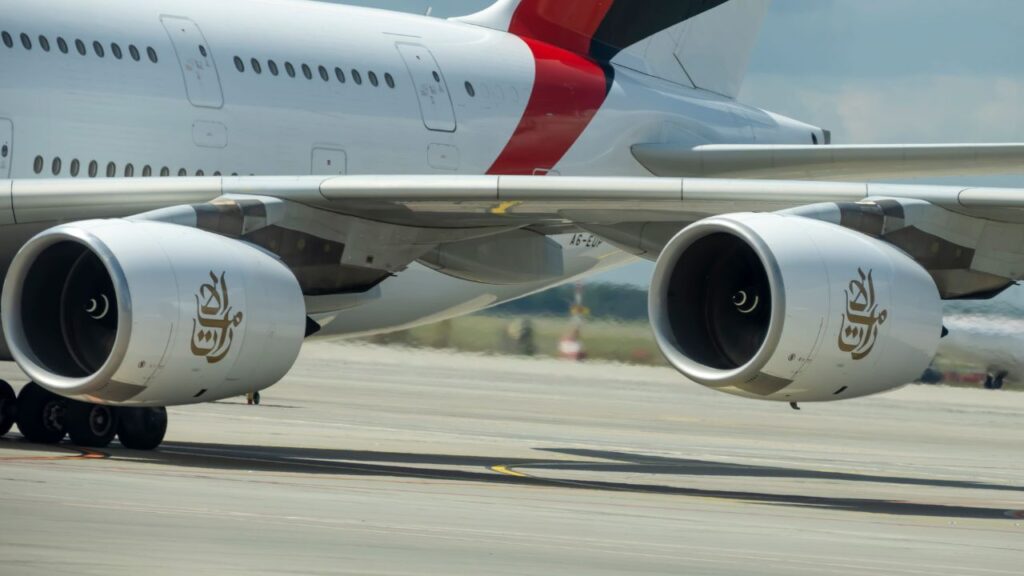
Emirates EK302 Hangzhou diversion on July 22, 2026 — 373 passengers on the Dubai–Shanghai A380 were kept on board for 10 hours without functioning air conditioning after thunderstorms diverted the flight to Hangzhou.
Emirates EK302 Hangzhou diversion on July 22, 2026 became one of the most uncomfortable passenger experiences of the year — 373 passengers on the Dubai to Shanghai service were stranded inside an Airbus A380 for approximately 10 hours at Hangzhou Xiaoshan International Airport, without functioning air conditioning, after a cascade of bad weather, crew duty limit breaches, and technical failures made a difficult situation significantly worse.
The incident has attracted widespread criticism directed at both Emirates and Hangzhou Xiaoshan Airport over passenger care, communication, and crisis management on the ground during an extended diversion event.
What Happened: The Full Sequence
Flight EK302 departed Dubai heading to Shanghai Pudong International Airport — a journey of approximately seven hours. As the aircraft approached Shanghai, thunderstorms over the city made landing unsafe, forcing the crew to divert to Hangzhou Xiaoshan International Airport as an alternate.
The diversion itself was a standard operational decision — when weather at the destination airport makes landing unsafe, crew are trained and required to proceed to an alternate. Hangzhou is approximately 175 kilometres from Shanghai and is routinely used as an alternate for Pudong.
The crew initially expected to resume the flight once weather conditions in Shanghai improved, so immigration procedures for the passengers were not activated in Hangzhou. This initial decision — to keep passengers on board rather than disembarking them through immigration — is standard practice for international flight diversions.
Emirates later confirmed this reasoning: disembarking international passengers through immigration at an alternate airport creates complex additional procedures and costs, so airlines typically keep passengers on board if the delay is expected to be short.
The weather delay proved longer than anticipated. By the time it became clear the Shanghai weather would not clear quickly enough, the flight crew had already exhausted their legal flight duty time limits. Under international aviation regulations, flight crews cannot remain on duty beyond mandatory maximum hours without rest — a safety rule that exists specifically to prevent crew fatigue from becoming a flight safety risk.
Emirates dispatched a replacement crew from Dubai to Hangzhou — a process that takes hours given the distance and logistics involved. The passengers remained on board throughout this period, waiting for the replacement crew to arrive.
During the wait, the Airbus A380’s air-conditioning system reportedly lost power, leaving passengers in uncomfortable and increasingly distressing conditions inside the aircraft. Some said emergency medical personnel were called after several people became unwell.
After the replacement crew arrived and restarted the aircraft’s systems, further technical issues were discovered on the aircraft — preventing it from taking off immediately even once the crew situation was resolved.
Passengers were finally allowed to disembark at nearly 6am before being provided with hotel accommodation and transport to continue their journey to Shanghai. The aircraft remained grounded in Hangzhou for two days before returning to Dubai.
| Emirates EK302 Hangzhou Diversion — Timeline July 22 | Details |
|---|---|
| Route | Dubai (DXB) → Shanghai Pudong (PVG) |
| Diversion airport | Hangzhou Xiaoshan International Airport (HGH) |
| Diversion reason | Thunderstorms over Shanghai — unsafe to land |
| Passengers on board | 373 |
| Aircraft type | Airbus A380 |
| Initial plan | Stay on board — expected short weather delay |
| Crew duty limit reached | Yes — replacement crew dispatched from Dubai |
| Air conditioning failure | Yes — during extended wait |
| Medical incidents | Yes — some passengers unwell, emergency personnel called |
| Additional technical issue | Yes — discovered after replacement crew arrived |
| Disembarkation | ~6am — approximately 10 hours after diversion |
| Passenger care provided | Hotel accommodation and Shanghai transport |
| Aircraft grounded | Two further days in Hangzhou before Dubai return |
Why Crew Duty Limits Matter and Why They Cannot Be Waived
The crew duty limit element of this story is the most important regulatory fact to understand — and it explains why a weather diversion that might otherwise have resolved in 3–4 hours became a 10-hour ordeal.
Under aviation regulations, flight crews cannot remain on duty beyond a set number of hours before mandatory rest periods are required. These Flight Duty Time Limitations are determined by the departure time, number of sectors, number of crew members, and rest periods taken before the flight. They exist because crew fatigue is one of the most significant factors in aviation incidents globally.
An airline cannot legally instruct crew to exceed duty limits to resolve an operational disruption — no matter how inconvenient the timing is for passengers or the airline’s schedule. Emirates had no legal option other than grounding the exhausted crew and waiting for replacements.
The problem is that sourcing a replacement crew for an Airbus A380 — which requires a minimum of three pilots and multiple senior cabin crew — from Dubai to Hangzhou takes time that passengers on board experienced in real time.
Emirates’ Explanation and the Airport Criticism
Emirates apologised for the disruption, attributing it to a combination of technical problems and the need to replace the flight crew. The airline also defended its decision to keep passengers on board after the diversion, saying it is standard practice for international flights diverted to alternate airports to avoid complex immigration procedures and additional costs.
This defence is accurate as far as it goes — keeping passengers on board during a short diversion is genuinely standard practice. The problem is that the diversion was not short. The standard practice became indefensible when the delay extended beyond six hours in confined conditions, particularly once the air conditioning failed.
Hangzhou Xiaoshan International Airport also faced criticism over its handling of the incident, with passengers and observers questioning communication between the airport and the airline during the prolonged delay. The specific criticism is that the airport did not proactively offer alternative ground solutions — food, water, a gate with ground power, or expedited immigration processing — as the situation deteriorated over hours.
The incident highlighted the operational challenges of handling diversions involving large international aircraft, particularly when severe weather, crew duty regulations and technical failures occur simultaneously.
What Passengers Are Entitled to in This Situation
Passengers on EK302 who experienced a 10-hour ordeal without air conditioning, with medical incidents occurring, and with the aircraft ultimately grounded for two additional days have several categories of potential recourse.
Duty of care obligations. Airlines have duty of care obligations to passengers during extended delays — including provision of meals, water, accommodation, and communication. When those obligations are not met during a 10-hour on-board delay, passengers may file formal complaints.
Compensation claims. Under various aviation regulations including the EU’s EC 261/2004 (which applies to flights departing EU airports or arriving on EU-registered carriers), passengers may be entitled to compensation for significant delays. The EK302 diversion was weather-originated — which can limit airline liability — but the technical failures that extended the delay beyond the weather-related component may create separate grounds for claims.
Emirates customer service. Passengers affected by EK302 should contact Emirates through emirates.com to document their experience and request compensation review. Keep all receipts from additional expenses incurred during the Hangzhou diversion period.
What Indian Travelers Need to Know
Thousands of Indian passport holders fly Emirates’ Dubai–China routes each year — connecting from Delhi, Mumbai, Bengaluru, Chennai, and Hyderabad to Dubai before continuing on EK services to Shanghai, Beijing, Guangzhou, and other Chinese cities. The Emirates EK302 Hangzhou diversion is a specific data point in the broader context of Emirates’ extensive China network.
The practical lessons for Indian travelers planning Dubai–China itineraries include building generous connection time into onward journeys from Shanghai, carrying a fully charged power bank and downloaded entertainment for unexpected delays, and ensuring travel insurance covers trip disruptions including extended weather-related diversions.
The Emirates EK302 Hangzhou diversion also demonstrates why carrying some local currency — in this case Chinese Yuan — is advisable for any overnight stopover situation that may arise unexpectedly at an alternate airport.
For travel insurance covering Emirates long-haul flights including diversion-related expenses, SafetyWing Nomad Insurance provides comprehensive coverage at affordable daily rates for Indian travelers.
FAQs — Emirates EK302 Hangzhou Diversion
Q: What caused the Emirates EK302 Hangzhou diversion on July 22?
Flight EK302 from Dubai to Shanghai was diverted to Hangzhou Xiaoshan International Airport on July 22 after thunderstorms over Shanghai Pudong made landing unsafe. The crew initially kept 373 passengers on board expecting a short weather delay and resumption of the flight.
However, the delay extended until the crew reached their legal flight duty time limits, requiring Emirates to dispatch a replacement crew from Dubai. During the extended wait, the Airbus A380’s air-conditioning system lost power, leaving passengers in uncomfortable conditions for approximately 10 hours.
Q: Is Emirates responsible for compensating EK302 passengers?
Emirates apologised for the disruption and provided hotel accommodation and transport to Shanghai once passengers were disembarked at approximately 6am. Whether additional compensation applies depends on the specific regulations covering the flight and the cause of the delay. The initial diversion was weather-related — which can limit airline liability — but the air-conditioning failure and additional technical issues that extended the delay beyond the weather-related component may create separate grounds for compensation claims. Affected passengers should contact Emirates at emirates.com and document all additional expenses.
Q: Why did Emirates keep passengers on board rather than disembarking them at Hangzhou?
Emirates confirmed that keeping passengers on board after a diversion to an alternate airport is standard practice for international flights, to avoid complex immigration procedures and additional costs. The decision is typically correct for short diversions of 2–3 hours. In the EK302 case, the delay extended to approximately 10 hours — a period during which the standard practice became genuinely inadequate given the air-conditioning failure and the medical incidents reported. Hangzhou airport also faced criticism for not offering more proactive ground support as the situation deteriorated.
Final Word
The Emirates EK302 Hangzhou diversion of July 22, 2026 is a case study in how multiple simultaneous failures — weather, crew duty limits, air-conditioning, and subsequent technical issues — can transform a routine diversion into an extended passenger ordeal. None of the individual events that prolonged the situation was avoidable in isolation. Weather cannot be controlled. Crew duty limits cannot be legally waived. Technical faults cannot always be predicted.
But the collective management of the situation — particularly the absence of adequate passenger care during 10 hours without air conditioning — is where the legitimate criticism of both Emirates and Hangzhou Xiaoshan Airport rests. For Indian travelers, the lesson is clear: carry travel insurance, maintain a charged power bank, carry local currency, and know your airline duty-of-care rights before you fly.
Also Read:
- UAE Airlines Power Bank Rules — Emirates Etihad flydubai 2026
- India Flight Cancellation Rights — Ministry Advisory July 2026
- SafetyWing Nomad Insurance — Full Review for Indians
Official Sources:
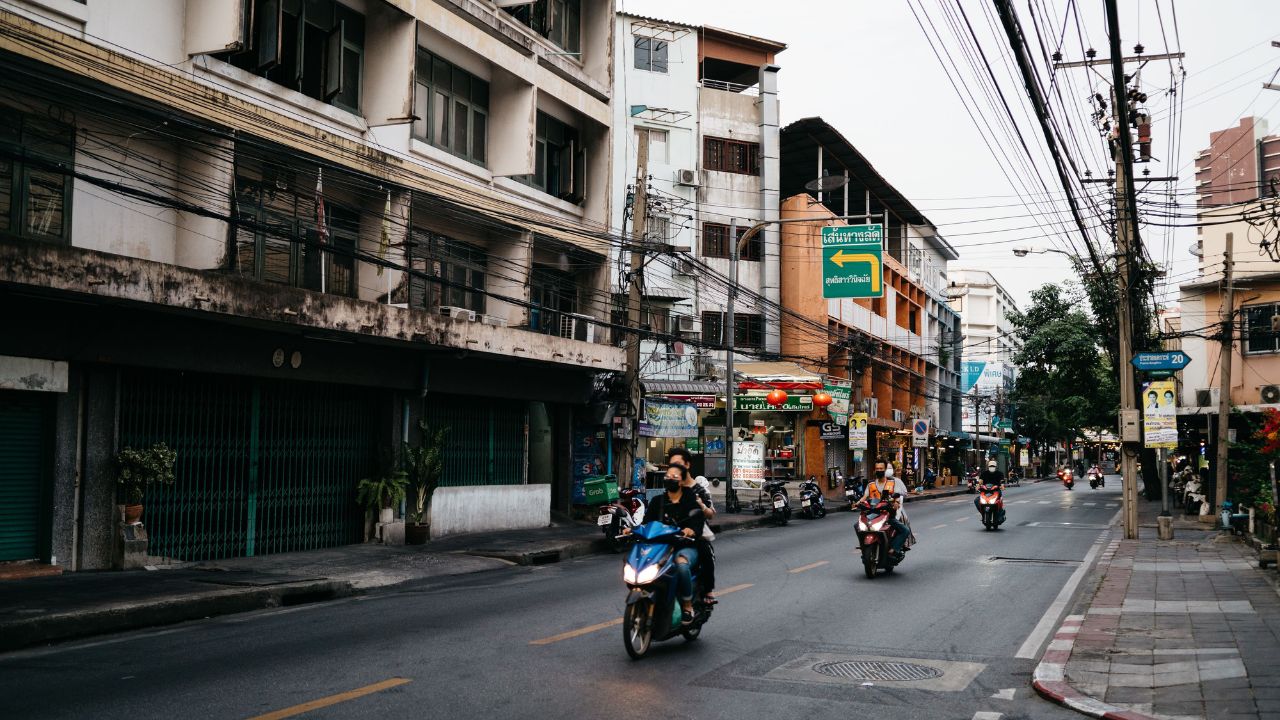
 Thailand Tourist Fee 2027: 450 Baht (~₹1,125) From Q1 2027, Air First
Thailand Visa Land Border 2026: Two Entries Per Calendar Year — September 15 Does NOT Reset Your Count
Belarus e-Visa Indians 2026: India Added to Eligible List, Fee and Validity Not Yet Published

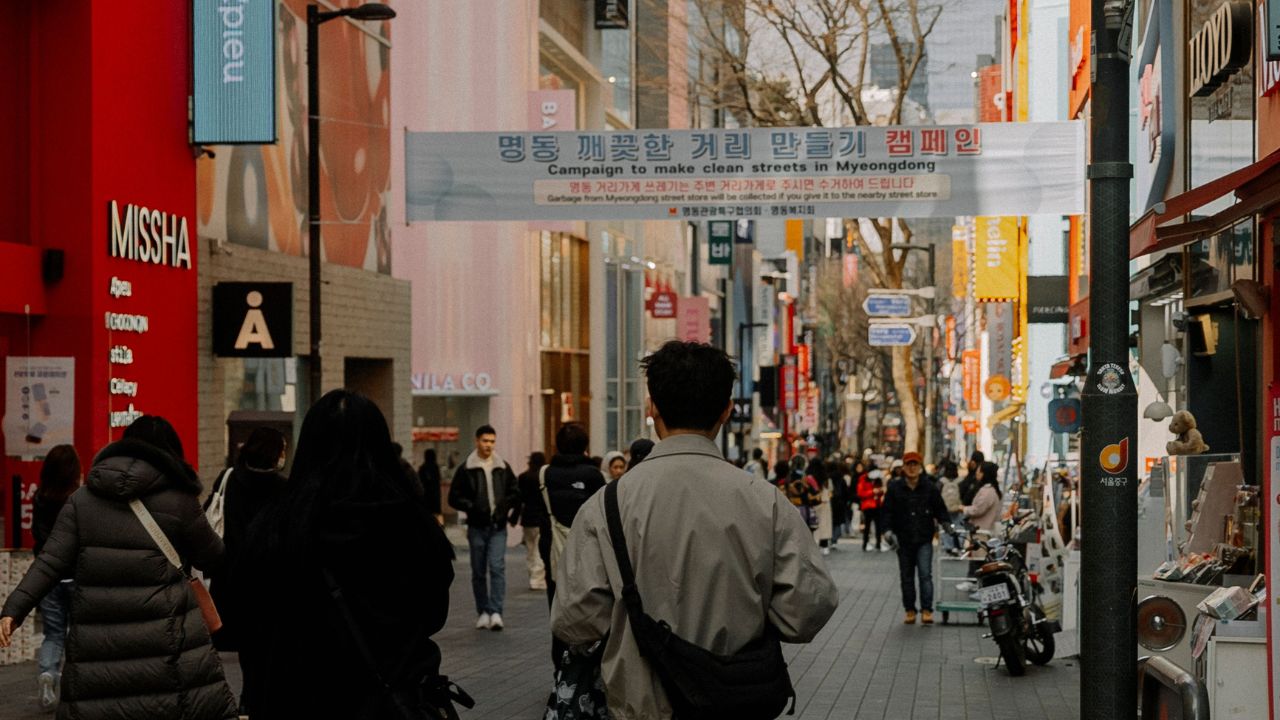
South Korea Tourist Complaints 2026: Record 1,753 in 7 Months — Taxis, Hotels, Overcharging
Thailand Tourist Fee 2027: 450 Baht (~₹1,125) From Q1 2027, Air First
Thailand Visa Land Border 2026: Two Entries Per Calendar Year — September 15 Does NOT Reset Your Count
Belarus e-Visa Indians 2026: India Added to Eligible List, Fee and Validity Not Yet Published
South Korea Tourist Complaints 2026: Record 1,753 in 7 Months — Taxis, Hotels, Overcharging

Aaseem Bhardwaj is a journalist, seasoned traveler and IT professional based in India. With firsthand travel experience across Southeast Asia, East Asia, Middle East and Europe, Aaseem founded Travel Man Today to provide reliable visa updates and travel news for Indian passport holders. He has personally traveled to Thailand, Vietnam, Malaysia, Japan, Singapore, Hong Kong, South Korea, UAE and Europe. Follow his travel vlogs on YouTube at @travelmantoday
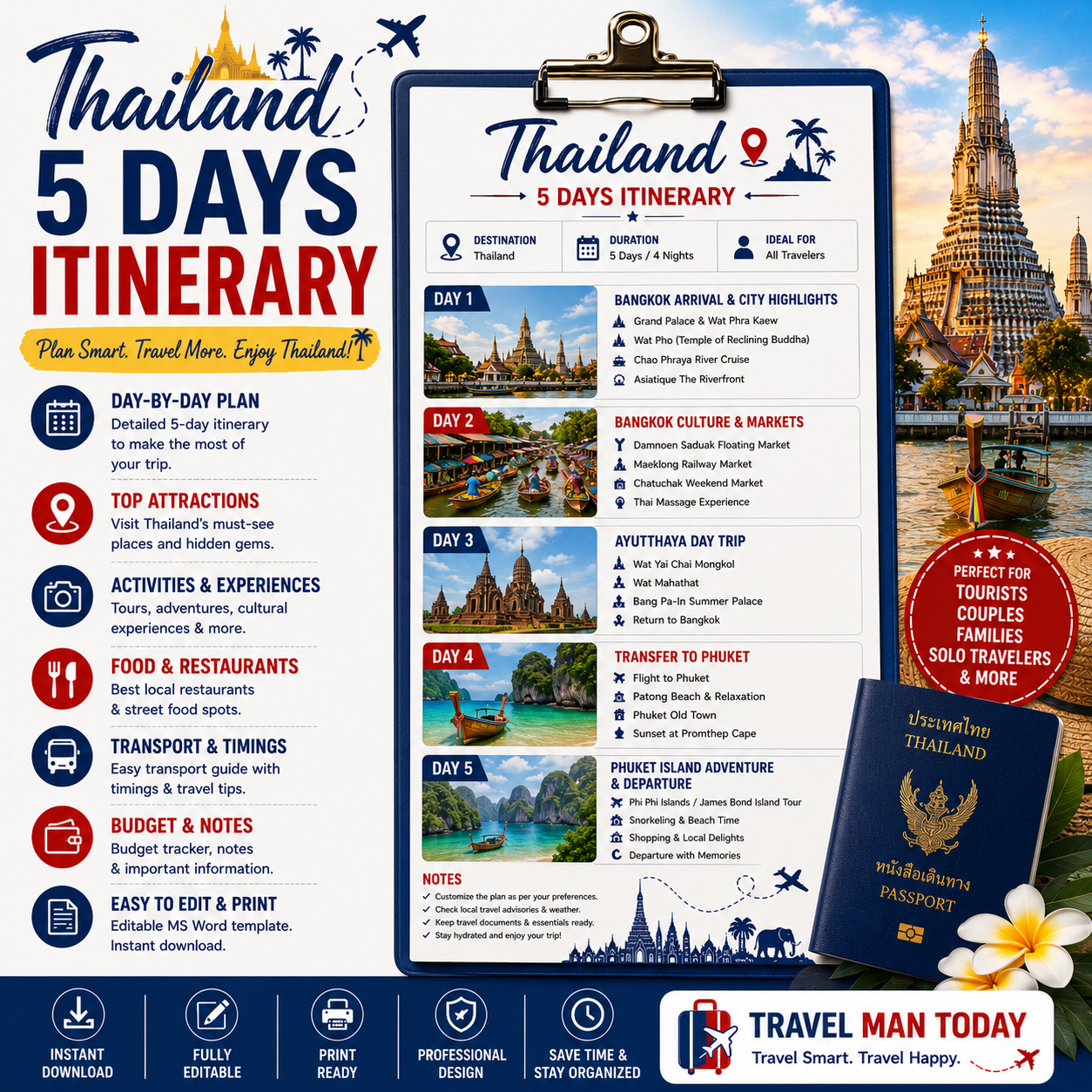
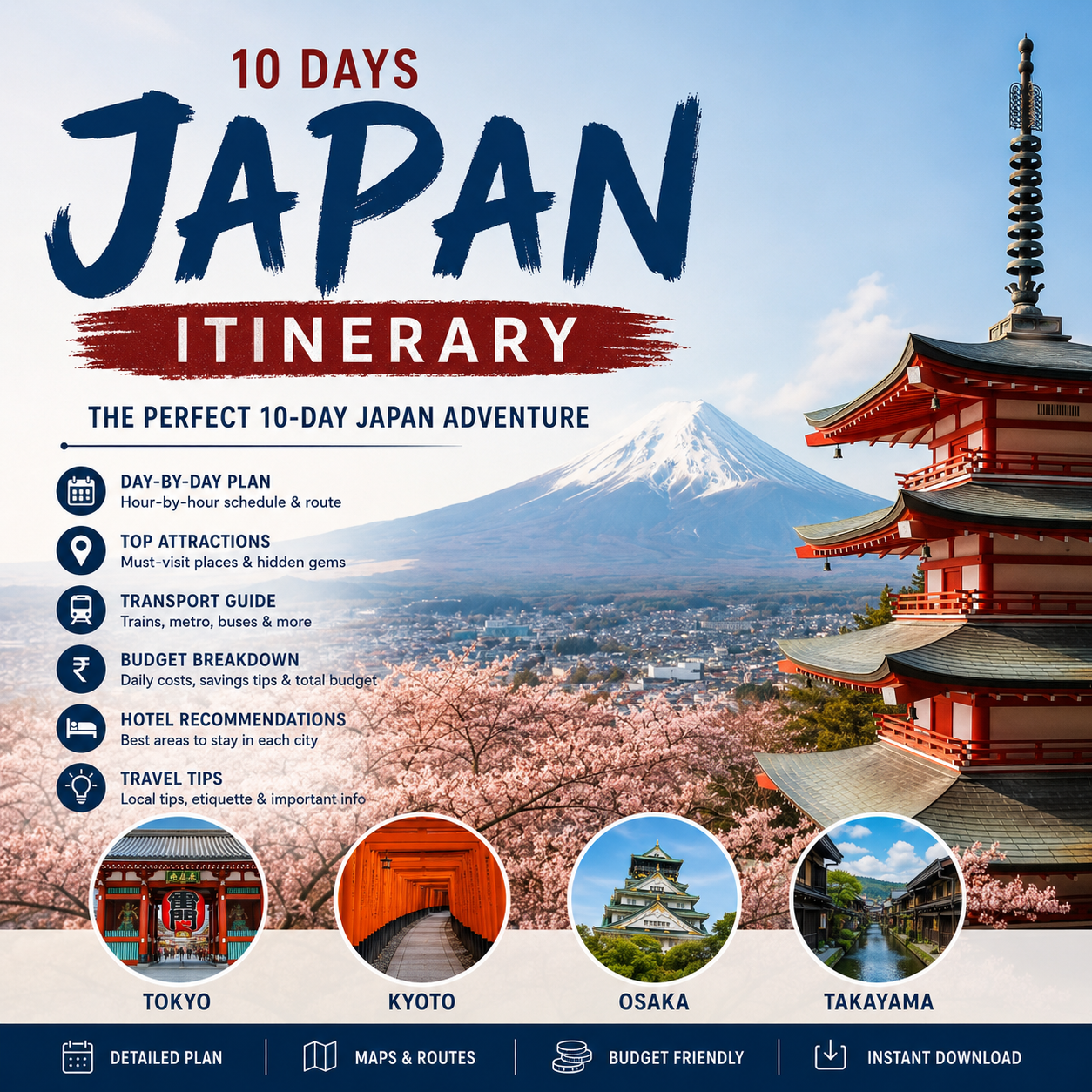


Templates for Indians