Thailand Tourist Fee Subsidy 2026: Visitor Levy Proposed, Thai Travel Plus Targets September
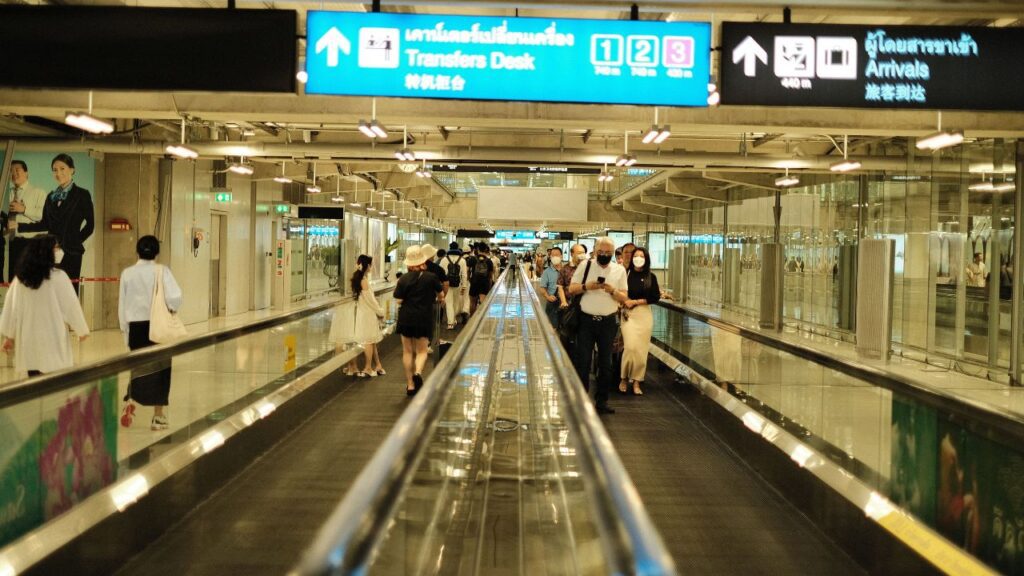
Thailand tourist fee subsidy 2026 — Tourism Minister Surasak Phancharoenworakul announces Thai Travel Thai Plus domestic co-payment programme targeting September launch alongside a foreign visitor fee proposal at the August 10 subcommittee meeting.
Thailand tourist fee subsidy 2026 — two simultaneous policy announcements from Tourism and Sports Minister Surasak Phancharoenworakul on August 10 are reshaping Thailand’s tourism policy landscape: a domestic co-payment subsidy called Thai Travel Thai Plus targeting a September launch, and a separate proposal for a foreign visitor entry fee with revenue directed toward attraction development, visitor safety, and environmental restoration.
The Thailand tourist fee subsidy 2026 announcements were made at the first meeting of the Subcommittee on the Development of Trade, Tourism and the Community Economy, chaired by Deputy Prime Minister Suphajee Suthumpun, with Culture Minister Sabeeda Thaised and Tourism and Sports Permanent Secretary Natthriya Thaweevong in attendance.
Thai Travel Thai Plus: September Launch, THB 1.75 Billion Budget
The domestic co-payment scheme Thai Travel Thai Plus is the most immediately actionable of the two Thailand tourist fee subsidy 2026 announcements.
The four-month co-payment programme would have a preliminary budget of 1.75 billion baht and offer 500,000 entitlements through Krungthai Bank’s Pao Tang application. The government would subsidise 50% of eligible spending, capped at 3,000 baht per entitlement, with each participant able to receive up to five entitlements.
The maths of the scheme is significant. A single participant who claims all five entitlements could receive up to THB 15,000 in government co-payments (~₹36,000) — provided they spend THB 30,000 across qualifying tourism services. The 50% match means the government pays half of eligible spending, up to the cap, with the participant paying the other half.
The programme was developed after the ministry considered proposals from the private sector. It is intended to support spending on a wider range of tourism services, rather than concentrating benefits mainly on food and accommodation.
The voucher attached to each entitlement is being increased from 500 to 1,000 baht. Previously intended mainly for restaurant spending, the revised conditions allow it to be used for a wider range of tourism-related goods, activities and services nationwide. Eligible spending would include meals, admission to tourist attractions, tourism products, community goods, guided-tour services and car hire.
The expanded conditions are intended to distribute visitor spending among a broader range of operators, including smaller tourism and community businesses. The minister said the government wanted smaller tourism operators to benefit broadly from the programme.
The preliminary 1.75-billion-baht budget is expected to come from borrowing. Remaining issues include the conditions under which operators across different tourism sectors would participate. The government estimated the programme could generate more than 26 billion baht in economic circulation — a nearly 15-to-1 multiplier on the government investment through the co-payment mechanism.
The first phase would run for four months. If it receives a positive response, the government would consider extending it through subsequent phases.
| Thai Travel Thai Plus — Programme Structure | Details |
|---|---|
| Programme name | Thai Travel Thai Plus (Thai Tiew Thai Plus) |
| Budget | THB 1.75 billion (preliminary) |
| Total entitlements | 500,000 |
| Per-entitlement subsidy | 50% of eligible spending, capped at THB 3,000 |
| Per-participant maximum | 5 entitlements = maximum THB 15,000 in co-payment |
| Voucher per entitlement | THB 1,000 (increased from THB 500) |
| Platform | Krungthai Bank’s Pao Tang app |
| Eligible spending | Meals, attractions, tourism products, community goods, guided tours, car hire |
| Target launch | September 2026 |
| Duration | 4 months (Phase 1) — extension possible |
| Budget source | Borrowing |
| Estimated economic circulation | More than THB 26 billion |
| Target beneficiaries | Smaller tourism and community operators |
The Foreign Visitor Fee: What Is Proposed and What Is Not
The second element of the Thailand tourist fee subsidy 2026 announcement is the foreign visitor fee — and the most important thing to understand about it is what has not been announced.
Under the separate proposal, foreign visitors entering Thailand would be charged a fee, with the revenue channelled into the Thailand Tourism Promotion Fund. Part of the money would be used to improve existing destinations and create new purpose-built attractions, particularly in secondary tourism cities. The fund would also finance insurance and safety arrangements for visitors, as well as the rehabilitation of natural environments affected by tourism.
However, the proposal remains at an early stage, with no fee level, collection method or launch date provided.
This is the critical distinction for Indian travelers and all foreign visitors to Thailand. The foreign visitor fee announced August 10 has:
No confirmed amount. The minister did not specify whether the fee would be THB 100, THB 300, or any other figure. Previous iterations of a Thailand tourist entry fee floated THB 300 for air arrivals and THB 150 for land arrivals — but those figures are not confirmed in this proposal.
No confirmed collection method. The fee could be added to airline tickets (the model used by Thailand previously for airport fees), collected at border control, embedded in accommodation costs, or administered through a new digital system. None of these has been specified.
No confirmed implementation date. There is no timeline attached to the foreign visitor fee proposal. The minister’s statement was framed as a proposal for subcommittee discussion, not a policy ready for implementation.
Three specified revenue uses:
- Developing existing and purpose-built attractions, particularly at secondary destinations marketed as “Must-Visit Cities”
- Financing visitor insurance and safety arrangements
- Restoring environments affected by tourism — national parks, beaches, and natural sites
The Tourism and Sports Ministry will work with the Creative Economy and Visitor Economy working group, chaired by Weerasak Kowsurat, under Suphajee’s economic policy framework. The working group has been instructed to produce “quick win” results within six months to one year — suggesting the foreign visitor fee, if approved, is more likely a 2027 implementation than a 2026 one.
The Context: Thailand’s Tourism Revenue and the Simultaneous Tax Push
The Thailand tourist fee subsidy 2026 pair of announcements arrives in a specific commercial context — Thailand is running 3.19% below 2025 tourist arrival levels through August 1, the Middle East conflict has suppressed European long-haul demand, and multiple taxation proposals are circulating simultaneously.
The Bangkok hotel tax (3% proposed by BMA — not yet active), the Phuket hotel tax (1% existing, 3% proposed), the AoT airport service charge increase (53% rise from June 20), and now the foreign visitor entry fee proposal are all in various stages of discussion, proposal, or implementation simultaneously. The Thai Hotels Association has specifically warned that the cumulative impact of multiple simultaneous levies on the tourism industry risks deepening the arrival deficit rather than funding its recovery.
The Thai Travel Thai Plus domestic subsidy is the counter-argument — if foreign arrival numbers are under pressure from global aviation disruptions, stimulating domestic Thai travel through co-payment subsidies supports the hospitality and tourism sector’s H2 2026 revenue. The THB 1.75 billion budget targeting September is timed precisely for the monsoon low season, when Thai domestic travel is typically weakest and the subsidy can make the most commercial difference to operators.
What This Means for Indian Travelers
The Thailand tourist fee subsidy 2026 announcement has two implications for Indian travelers — one immediate and one monitoring-required.
Thai Travel Thai Plus (immediate — for Indians in Thailand): If you are an Indian expat living and working in Thailand with legal Thai residency, a Thai bank account, and a Pao Tang app registration, you may be eligible for Thai Travel Thai Plus when it launches in September. Eligibility typically extends to legal residents rather than tourists — but the ministry’s stated goal of widening benefits to smaller operators and community businesses suggests the September conditions may be broader than previous co-payment schemes. Monitor TAT announcements and the Pao Tang app for official eligibility confirmation.
Foreign visitor fee (monitoring — not active): The foreign visitor fee announced August 10 has no amount, no collection method, and no launch date. Indian travelers booking Thailand trips for 2026 and early 2027 do not need to budget for this fee yet. When details are confirmed, we will report the full breakdown with INR equivalents and practical booking implications.
Before any Thailand trip, confirm current India-specific entry requirements at thaievisa.go.th — India’s 30-day visa-free entry approved July 14 is still awaiting Royal Gazette publication. Complete the mandatory TDAC digital arrival card within 72 hours before departure. Remember UPI does not work in Thailand — carry Thai Baht or a zero-forex international card. For travel insurance covering Thailand trips, SafetyWing Nomad Insurance provides comprehensive coverage at affordable daily rates for Indian travelers.
FAQs — Thailand Tourist Fee Subsidy 2026
Q: What is Thai Travel Thai Plus and when does it launch?
Thai Travel Thai Plus is a domestic co-payment tourism subsidy programme targeting a September 2026 launch. The programme offers 500,000 entitlements through Krungthai Bank’s Pao Tang app, with the government subsidising 50% of eligible tourism spending up to THB 3,000 per entitlement. Each participant can claim up to five entitlements — maximum THB 15,000 in government co-payment. The voucher per entitlement is THB 1,000, usable for meals, attractions, tourism products, community goods, guided tours and car hire. The total budget is THB 1.75 billion with an estimated THB 26 billion economic circulation impact.
Q: What is the proposed foreign visitor fee for Thailand and when will it be charged?
Thailand’s Tourism and Sports Minister proposed on August 10 that foreign visitors entering Thailand be charged a fee, with revenue directed to the Thailand Tourism Promotion Fund for attraction development, visitor insurance, and environmental restoration. However, no fee amount, collection method, or implementation date has been announced. The proposal is at an early policy discussion stage. Indian travelers booking Thailand trips in 2026 and early 2027 do not yet need to budget for this fee — monitor thaievisa.go.th and official TAT announcements for confirmed details.
Q: Are the Thai Travel Thai Plus vouchers available to Indian tourists in Thailand?
Thai Travel Thai Plus is primarily designed for domestic Thai participants using Krungthai Bank’s Pao Tang app. Eligibility for foreign tourists versus legal residents versus Thai citizens will be confirmed in the programme’s detailed conditions expected to be released in late August or early September. Indian expats with Thai residency, Thai bank accounts, and Pao Tang registration may qualify — monitor the official Tourism and Sports Ministry announcements and the Pao Tang app for September launch details.
Final Word
The Thailand tourist fee subsidy 2026 pair of announcements on August 10 sends a dual signal: domestic tourism demand is being stimulated through a well-designed co-payment programme targeting September, while foreign visitor revenue is being conceptualised through a fee whose details remain entirely unconfirmed.
For Indian travelers, the Thai Travel Thai Plus programme is the more immediately significant story — if September launch proceeds as targeted, it will inject THB 26 billion of economic circulation into Thailand’s monsoon low season and support the hospitality operators Indian travelers most rely on. The foreign visitor fee, by contrast, is a future policy placeholder rather than a current travel planning factor.
Also Read:
Official Sources:
- Nation Thailand — Thailand Proposes Foreign Visitor Fee and Travel Subsidy
- Tourism Authority of Thailand
 Thai Airways Flood Waiver 2026: Free Date Change Sept 26–Oct 11, Same Route and Class
AirAsia Thailand 2026: Analysts Warn AAV Faces Risk From Malaysian Parent’s Fuel Crisis
Suvarnabhumi Baggage Delay 2026: Thai Airways Backlog Sept 26–27, Contact Numbers
Bangkok Flooding 2026: All 50 Districts Disaster Zones, Airports Still Operating

Thai Airways Flood Waiver 2026: Free Date Change Sept 26–Oct 11, Same Route and Class
AirAsia Thailand 2026: Analysts Warn AAV Faces Risk From Malaysian Parent’s Fuel Crisis
Suvarnabhumi Baggage Delay 2026: Thai Airways Backlog Sept 26–27, Contact Numbers
Bangkok Flooding 2026: All 50 Districts Disaster Zones, Airports Still Operating

Aaseem Bhardwaj is a journalist, seasoned traveler and IT professional based in India. With firsthand travel experience across Southeast Asia, East Asia, Middle East and Europe, Aaseem founded Travel Man Today to provide reliable visa updates and travel news for Indian passport holders. He has personally traveled to Thailand, Vietnam, Malaysia, Japan, Singapore, Hong Kong, South Korea, UAE and Europe. Follow his travel vlogs on YouTube at @travelmantoday





Templates for Indians
1 thought on “Thailand Tourist Fee Subsidy 2026: Visitor Levy Proposed, Thai Travel Plus Targets September”