Suvarnabhumi Airport Congestion 2026: Full Action Plan for Immigration, Baggage and Transport
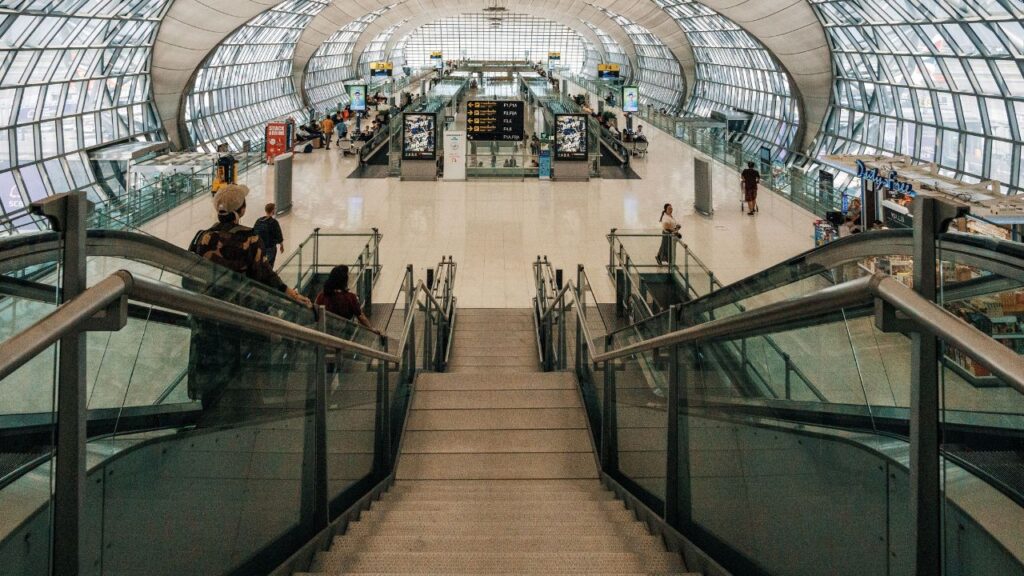
Suvarnabhumi airport congestion 2026 action plan — Deputy Prime Minister Suphajee Suthumpun orders urgent measures targeting immigration, baggage and transport bottlenecks at Thailand's main international gateway before the October–March high season, including 31-nationality Auto Gate expansion by end of August and Phase 2 biometric expansion in September.
Quick answer: Thailand’s Deputy Prime Minister has ordered urgent action across all Suvarnabhumi bottlenecks — immigration, baggage, and public transport — ahead of the October–March high season. Fixes include real-time flight data deployment, three-zone passenger redistribution, biometric expansion, 31 new Auto Gate nationalities by end of August, and a Phase 2 immigration facility expansion in September.
Suvarnabhumi airport congestion 2026 is being tackled from the top — Deputy Prime Minister Suphajee Suthumpun has ordered urgent action to ease bottlenecks facing arriving passengers at Suvarnabhumi International Airport, targeting delays at immigration, baggage collection and on public transport. The measures will also strengthen security and use real-time flight data to deploy staff and manage passenger areas more efficiently.
The Suvarnabhumi airport congestion 2026 action plan is the most comprehensive government response to the airport’s immigration crisis since the problem became a global news story in late 2025 — when photos of 90-minute queues went viral and tourists reported waiting up to three hours to clear immigration. With the October–March high season beginning in six weeks, Thailand has a narrow window to implement meaningful operational fixes before the busiest travel period of the year.
For India-specific entry details including the pending visa-free status, see our India Thailand Visa Waiver guide.
The Problem: 5,000–6,000 Passengers Per Hour, One Terminal
The Suvarnabhumi airport congestion 2026 crisis is a structural mismatch between the airport’s passenger volume and its immigration processing capacity — and it is getting worse, not better, as international arrivals recover.
Suvarnabhumi handles up to 190,000 passengers a day during high season. International arrivals average roughly 70,000 passengers per day. However, processing capacity is severely tested between 1:00 p.m. and 5:00 p.m., when 5,000 to 6,000 passengers enter the immigration hall per hour.
The structural challenge is compounded by Suvarnabhumi’s physical layout. Unlike Heathrow or Changi which have multiple immigration halls, Suvarnabhumi funnels all international arrivals through one processing area — creating severe bottlenecks when multiple wide-body aircraft land within the same 30-minute window.
The peak periods identified by the government are 8am–11am (overnight long-haul arrivals from Europe and the Middle East) and 1pm–5pm (afternoon arrivals from Southeast Asian hubs). During these windows, queues have regularly exceeded 75–90 minutes during normal peak season and up to three hours during holiday spikes.
Foreign visitors arriving at Bangkok’s Suvarnabhumi Airport have been facing waits of two to three hours at immigration during some periods, as stricter screening and staff shortages create bottlenecks. An additional factor is increased scrutiny of grey-capital groups and transnational networks, which extends individual processing time.
The Full Action Plan: Seven Simultaneous Interventions
Urgent measures include improving automated immigration gates, adjusting staffing according to flight schedules and peak hours, reorganising passenger areas and integrating real-time passenger and flight data so agencies can prepare staff and manage passenger flow more efficiently. Bangkok Post
The Suvarnabhumi airport congestion 2026 action plan covers seven specific interventions across three problem areas — immigration, baggage, and ground transport.
Immigration Interventions:
1. Three-zone redistribution. Directing passengers to all three immigration zones rather than concentrating at the nearest counters, opening the central hall to disperse crowds, and deploying additional officers during peak flight periods. This is operational and immediate — no new equipment required.
2. Real-time flight and passenger data integration. Lalida said the airport and the Immigration Bureau will make full use of all three immigration zones, redirecting passengers to less congested areas and using central concourse space to increase throughput, while matching staffing to flight schedules. Knowing 45 minutes in advance that 12 wide-body aircraft are landing simultaneously allows the bureau to pre-position officers and redirect passengers before the queue forms.
3. Auto Gates expansion to 31 nationalities. The 31-country expansion approved in principle by end of August — which we covered in detail in our Suvarnabhumi Auto Gates 2026 guide — removes 6.5 million additional annual arrivals from staffed counter queues. The expanded automated-channel capacity is expected to reduce congestion in immigration areas by more than 50 per cent. VnExpress International
4. Phase 2 biometric expansion in September. Biometric identity verification will be expanded, while capacity at automated passport-control channels will be increased. The second phase of the system is scheduled to begin in September 2026. Authorities will also consider extending eligibility to travellers from other lower-risk markets. September Phase 2 builds on the August end-of-month 31-nationality expansion with additional capacity and potentially additional eligible nationalities.
Baggage Interventions:
5. Baggage hall reorganisation. The bottleneck is not only at immigration — baggage claim delays after immigration clearance compound the total arrival time. The action plan includes reorganisation of the baggage claim area to reduce bunching and improve carousel access.
Transport Interventions:
6. Public transport improvement. The last mile from Suvarnabhumi to Bangkok — specifically the Airport Rail Link connection to Phaya Thai and the taxi/Grab access from the lower ground level — creates congestion after immigration and baggage for passengers reaching the city. The action plan includes transport coordination improvements.
7. Security integration. Strengthening security processes while maintaining throughput — addressing the tension between tighter screening required for security reasons and faster processing required for passenger experience.
| Suvarnabhumi Airport Congestion 2026 — Action Plan Summary | Intervention | Timeline |
|---|---|---|
| Three-zone redistribution + central hall opening | Immigration | Immediate — ongoing |
| Real-time flight data staff deployment | Immigration | Immediate — ongoing |
| Auto Gates 31 nationalities expansion | Immigration | End of August 2026 |
| Phase 2 biometric + Auto Gate expansion | Immigration | September 2026 |
| Baggage hall reorganisation | Baggage | Phased — September onwards |
| Ground transport coordination | Transport | Phased |
| Security process integration | Security | Ongoing |
The Departure Auto Gate: What Indian Travelers Already Have
One important clarification that is often misunderstood in the Suvarnabhumi airport congestion 2026 coverage: the Auto Gate system operates differently for departures and arrivals.
On departure, the automated gates at Suvarnabhumi are already open to all biometric passport holders — since 15 December 2023, regardless of nationality. A foreign tourist flying home can already clear the border through the gates rather than queue for an officer.
Indian passport holders departing Suvarnabhumi can already use the automated departure gates — they have been open to all biometric passports since December 2023. There are 16 automated channels on the departure side. The congestion problem and the Auto Gate expansion apply specifically to the arrival side — where eligibility is currently restricted to Thai nationals, Singapore, and Hong Kong passport holders.
This means: Indian travelers arriving at Suvarnabhumi still queue at staffed counters (unless India is in the 31-country expansion, which is not yet confirmed). Indian travelers departing Suvarnabhumi can already use the automated departure gates if their passport has a biometric chip.
What This Means for Indian Travelers in Practical Terms
The Suvarnabhumi airport congestion 2026 action plan has specific timing implications for Indian travelers planning Thailand visits.
Visit after September 2026 for the best arrival experience. The September Phase 2 biometric expansion and the additional Auto Gate nationalities consideration will produce measurably better processing by October — just as the high season begins. Indian travelers planning Thailand trips should, where possible, target October onwards for the improved arrival experience.
1pm–5pm arrivals are still the worst window. Even with all the fixes implemented, the 1pm–5pm arrival window remains the highest-pressure period. Indian flights from Delhi and Mumbai landing at Suvarnabhumi between 1pm and 5pm local time will still face the peak queue pressure through October at minimum. Book or prefer flights arriving before 1pm or after 5pm when scheduling flexibility exists.
Complete TDAC through the official free portal only. The government confirmed: the Thailand Digital Arrival Card at tdac.immigration.go.th is completely free. Unofficial sites charging fees are scams. Complete TDAC within 72 hours before departure — it eliminates one queue at the airport.
Watch for the published 31-country list. Monitor immigration.go.th for the official final nationality list once it is signed by end of August. If India is included, the Auto Gate option becomes available from the next visit.
Consider Fast Track. Private Fast Track services at Suvarnabhumi — available through airport operators and third-party services — clear immigration in 10–15 minutes versus the standard 75–90 minute peak queue. For important business trips or passengers with tight onward connections, THB 1,500–2,500 (~₹3,600–6,000) for Fast Track is commercially rational against a 90-minute queue risk.
Before any Thailand trip, confirm entry requirements at thaievisa.go.th. India’s 30-day visa-free entry awaits Royal Gazette publication. UPI does not work in Thailand — carry Thai Baht or a zero-forex card. For travel insurance covering Thailand trips including delays from airport congestion, SafetyWing Nomad Insurance provides comprehensive coverage at affordable daily rates for Indian travelers.
FAQs — Suvarnabhumi Airport Congestion 2026
Q: What is Thailand doing to fix Suvarnabhumi immigration queues?
Deputy Prime Minister Suphajee Suthumpun has ordered urgent action to ease bottlenecks facing arriving passengers at Suvarnabhumi International Airport, targeting delays at immigration, baggage collection and on public transport. Urgent measures include improving automated immigration gates, adjusting staffing according to flight schedules and peak hours, reorganising passenger areas and integrating real-time passenger and flight data. The Auto Gates are being expanded to 31 additional nationalities by end of August and a Phase 2 biometric expansion is planned for September, expected to reduce congestion in immigration areas by more than 50 per cent.
Q: Can Indian passport holders use the Suvarnabhumi Auto Gates?
On departure, the automated gates at Suvarnabhumi are already open to all biometric passport holders since 15 December 2023, regardless of nationality. Indian passport holders can use the departure Auto Gates now. On arrival, Auto Gates currently serve Thai nationals, Singapore, and Hong Kong passport holders. The 31-nationality expansion ending August has not published its list — India’s inclusion is not confirmed. Monitor immigration.go.th for the official list once final signatures are completed. ASEAN NOW
Q: What are the worst arrival times at Suvarnabhumi for Indian travelers?
Processing capacity is severely tested between 1:00 p.m. and 5:00 p.m., when 5,000 to 6,000 passengers enter the immigration hall per hour. The 8am–11am window is also congested from overnight long-haul arrivals. During high season (October–March), queues regularly exceed 75–90 minutes during normal peak periods and up to three hours during holiday spikes including New Year, Chinese New Year, and Songkran. Book departures from Delhi or Mumbai that land at Suvarnabhumi before 1pm or after 5pm when scheduling allows.
Final Word
The Suvarnabhumi airport congestion 2026 action plan — real-time data deployment, three-zone redistribution, 31 Auto Gate nationalities by end of August, Phase 2 biometric expansion in September, baggage reorganisation — is the most coordinated and senior-mandated airport improvement effort Thailand has mounted in years.
The combination of immediate operational changes and structural capacity additions gives the government the best chance of visibly improving the arrival experience before the October–March high season peak. For Indian travelers arriving at Suvarnabhumi, the practical actions are clear: avoid 1pm–5pm where possible, complete TDAC free at the official portal, watch for the 31-country list, consider departure Auto Gates on the way out, and carry travel insurance for delays.
Also Read:
- Suvarnabhumi Auto Gates 2026 — 31 Countries End of August
- Thailand Travel Update Indians — Visa-Free, Baggage, Hotel Tax
- Thailand Baggage Inspection Rules — Oct 16 Change Explained
Official Sources:
- Bangkok Post — Bottlenecks at Suvarnabhumi Targeted Before High Season
- TAT Newsroom — Thailand Accelerates Suvarnabhumi Airport Upgrades
 Thailand Itinerary Indians 5 Days: Bangkok, Ayutthaya, Chiang Mai — ₹31,250 Cost Breakdown
Trusted Thailand 2026: What the Safety Certification Means for Indian Travelers
UAE Flights Disruption 2026: SpiceJet India Routes Delayed, Air Canada Suspends to March 2027
EU Hand Luggage Rules 2026: What Actually Changed — and What Hasn’t Yet
Thailand Itinerary Indians 5 Days: Bangkok, Ayutthaya, Chiang Mai — ₹31,250 Cost Breakdown
Trusted Thailand 2026: What the Safety Certification Means for Indian Travelers
UAE Flights Disruption 2026: SpiceJet India Routes Delayed, Air Canada Suspends to March 2027
EU Hand Luggage Rules 2026: What Actually Changed — and What Hasn’t Yet

Aaseem Bhardwaj is a journalist, seasoned traveler and IT professional based in India. With firsthand travel experience across Southeast Asia, East Asia, Middle East and Europe, Aaseem founded Travel Man Today to provide reliable visa updates and travel news for Indian passport holders. He has personally traveled to Thailand, Vietnam, Malaysia, Japan, Singapore, Hong Kong, South Korea, UAE and Europe. Follow his travel vlogs on YouTube at @travelmantoday




Templates for Indians

2 thoughts on “Suvarnabhumi Airport Congestion 2026: Full Action Plan for Immigration, Baggage and Transport”