Thailand Baggage Inspection Rules: CAAT Allows Bag Opening Without Owner From October 16
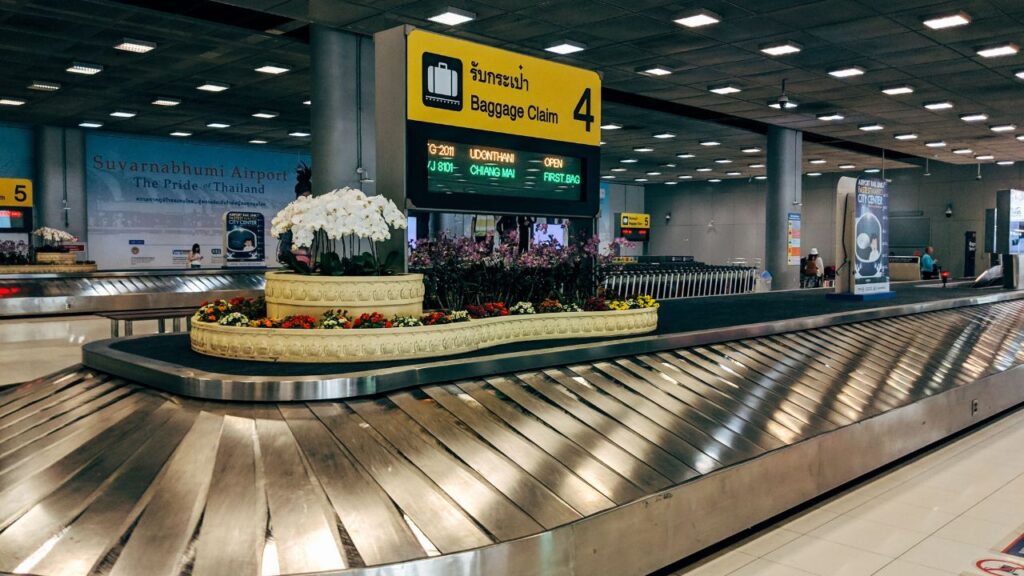
Thailand baggage inspection rules effective October 16, 2026 — CAAT authorises airport security to open checked baggage without the owner present when suspicious items are detected on X-ray, with video recording and written notification inside the bag mandatory.
Thailand baggage inspection rules are changing significantly from October 16, 2026 — authorities in Thailand will be able to open air travellers’ checked baggage for security reasons without an owner’s consent starting on October 16, the Civil Aviation Authority of Thailand (CAAT) has affirmed that checks will follow strict guidelines. Nation Thailand
The new Thailand baggage inspection rules align the country with international ICAO standards already applied in Singapore, Japan, South Korea, the United States, and much of Europe and the Middle East — Dubai International Airport in the UAE is among those with a documented policy allowing security officers to open suspicious checked baggage without the passenger being present.
For Indian travelers flying from Bangkok’s Suvarnabhumi, Don Mueang, or Phuket International Airport, understanding the new Thailand baggage inspection rules before October 16 — what triggers an inspection, what happens during one, and what you must never put in checked baggage — prevents unpleasant surprises at the carousel.
What the New Rules Actually Say: Trigger, Process, and Notification
Under the regulation, public airport operators are responsible for inspecting registered baggage. If security officers have reasonable grounds to suspect that a checked bag contains explosives, prohibited items, dangerous goods or other items not allowed on aircraft, they are authorised to open the baggage for inspection. Bangkok Post
The trigger is narrow and specific. Officials will open only checked bags bound for an aircraft’s hold that have been X-rayed and suspected to contain illegal objects or items that could jeopardise aircraft safety. Suspicious bags will be opened in specified areas.
The process has three mandatory safeguards.
Video recording. The opening will be videoed and evidence will be collected throughout the process so that the action can be checked. This creates a full audit trail of what was in the bag, what was removed, and by whom — protecting both the passenger and the security officer from claims of misconduct or theft.
Written notification inside the bag. The inspection must be recorded with a notification left inside the bag. If your bag is opened and you were not present, you will find a written notice when you collect your luggage at the destination.
Owner informed afterwards. Luggage owners will be informed of the opening afterwards. CAAT will notify you that your bag was inspected, what was found, and what action was taken.
If restricted items are found, officers may confiscate them without returning them and take further action in accordance with relevant laws, regulations or procedures.
Why Thailand Is Introducing This Now: The Aviation Security Context
The new Thailand baggage inspection rules were first announced in February 2026 — not as a sudden response to a specific incident, but as part of a sustained effort to align Thailand’s aviation security standards with ICAO requirements.
The new measure was first announced in February to give the parties concerned time to prepare, and for passengers to review the status of their luggage if necessary. Eight months of advance notice — from February announcement to October 16 implementation — is a deliberately generous preparation window that allowed airports, airlines, and ground handling companies to train staff and establish designated inspection areas before the rules took effect.
The broader context is Thailand’s ongoing improvement of its aviation safety ratings. Thailand’s aviation safety record has faced scrutiny from international regulatory bodies in recent years, and CAAT has been systematically upgrading standards across multiple areas — from drone regulations to baggage inspection — to meet ICAO requirements.
This is not an airport improvisation but Thailand aligning with international ICAO standards. The change mirrors existing practice at major aviation hubs worldwide.
| Thailand Baggage Inspection Rules — Key Facts | Details |
|---|---|
| Effective date | October 16, 2026 |
| Regulation | CAAT Notification on Checked Baggage Inspection (B.E. 2569/2026) |
| First announced | February 24, 2026 |
| Applies to | All checked baggage at Thai airports |
| Trigger | X-ray reveals suspected prohibited, dangerous or illegal items |
| Inspection location | Designated areas only |
| Process safeguards | Video recorded + written notification in bag + owner informed |
| Prohibited items found | May be confiscated — no return |
| Recommended lock | TSA-approved lock |
| Countries with same system | Singapore, Japan, South Korea, USA, Europe, UAE |
| Complaint portal | CAAT complaints portal |
The TSA Lock Recommendation: What Indian Travelers Must Buy Before October 16
The CAAT recommended that travellers use luggage with an approved TSA Lock system, which will allow security officers to open luggage without damaging it. Mizzima
This is the single most practically important action point in the new Thailand baggage inspection rules for Indian travelers. A TSA lock — a combination or keyed lock that also has a secondary keyway accessible only by Transportation Security Administration master keys held by security officers worldwide — allows officers to open your bag without cutting or breaking the lock.
If your bag has a standard padlock or a combination lock that is not TSA-approved, security officers who need to inspect it may cut or break the lock to gain access. TSA locks cost approximately ₹300–800 for decent quality options from brands including Delsey, Samsonite, American Tourister, and generic travel accessory brands available on Amazon.in or Flipkart.
Indian travelers should note that TSA locks are required for checked baggage on US-bound flights — they are familiar territory for anyone who has flown to America. But many Indian travelers who fly primarily within Asia use standard combination locks. If you travel to Thailand regularly, replace non-TSA locks before October 16.
What Never to Pack in Checked Baggage — The Full CAAT List
The new Thailand baggage inspection rules are backed by CAAT’s comprehensive prohibited items list for checked baggage. The items most commonly found in Indian traveler bags that cause inspection flags:
Power banks and spare lithium batteries. These are cabin-only under CAAT rules — they cannot go in checked baggage under any circumstances. A power bank found in your checked bag will be confiscated. Power banks and spare lithium batteries are cabin-only and banned from the hold. Up to 100Wh (about 20,000mAh) is allowed in the cabin, 100–160Wh needs airline approval, and above 160Wh is banned. Maximum two per passenger.
Liquids above 100ml in carry-on. Standard international restriction — but if improperly packed liquids are suspected on X-ray in checked bags, they may trigger a flag.
Sharp or bladed items. Scissors, pocket knives, multi-tools, and similar items must be declared or are subject to confiscation.
Ayurvedic preparations and powders. Several common Indian herbal and Ayurvedic supplements in powder form can create X-ray signatures similar to controlled substances. Keep original packaging and documentation for any supplements.
Electronics in quantity. Multiple laptops, tablets, or cameras in a single checked bag can create suspicious X-ray images. Spread electronics through bags or carry valuable electronics as hand luggage.
Travellers should also check prohibited and dangerous-item lists before departure and avoid placing valuables, fragile items, important documents or essential personal belongings in checked baggage. SAYS
What Happens If Your Bag is Damaged During Inspection
Passengers who believe their luggage was damaged during an authorised inspection can submit a complaint through their airline or CAAT’s complaints portal for review.
If you arrive at your destination to find your bag has been opened, your lock damaged, or items disturbed or missing, follow this process: document everything with photographs immediately at the baggage carousel, retain the CAAT written notification found inside your bag, and submit a complaint through the airline’s lost and damaged property desk before leaving the airport. File a separate complaint with CAAT at their complaints portal for regulatory record.
Once the inspection system takes effect, travellers with concerns can file complaints at the CAAT complaint portal.
What This Means for Indian Travelers Flying From Thailand
For Indian travelers departing from Suvarnabhumi, Don Mueang, or Phuket on flights to Delhi, Mumbai, Bengaluru, Chennai, Hyderabad, Kochi, or international connections, the new Thailand baggage inspection rules from October 16 have three practical implications.
First — buy a TSA-approved lock before your next Thailand trip if your current luggage locks are not TSA-approved. This is cheap, easy, and prevents lock damage in an inspection.
Second — never put power banks, spare lithium batteries, or valuables in your checked bags. This was already best practice. Under the new rules, it becomes essential — prohibited items found will be confiscated.
Third — allow extra time at check-in if you are traveling in October or November as the new system beds in. Initial implementation periods often involve longer baggage screening queues as security staff build familiarity with the new protocols.
Before any Thailand trip, confirm current entry requirements at thaievisa.go.th. Complete the mandatory TDAC digital arrival card within 72 hours before departure. Remember UPI does not work in Thailand — carry Thai Baht or a zero-forex international card. For travel insurance covering Thailand trips including baggage loss, SafetyWing Nomad Insurance provides comprehensive coverage at affordable daily rates for Indian travelers.
FAQs — Thailand Baggage Inspection Rules October 2026
Q: From when can Thai airport security open my checked bag without me present?
Authorities in Thailand will be able to open air travellers’ checked baggage for security reasons without an owner’s consent starting on October 16. The regulation was first announced by CAAT in February 2026. This action is authorized only when security officers have reasonable grounds to suspect a bag contains explosives, dangerous goods, or other prohibited items. The process will be video-recorded and a written notification will be placed inside the bag. You will be informed of the inspection afterwards.
Q: What type of lock should I use for checked baggage at Thai airports?
CAAT recommended that travellers use luggage with an approved TSA Lock system, which will allow security officers to open luggage without damaging it. A TSA lock has a secondary keyway accessible with TSA master keys — meaning security can open your bag without breaking the lock. If your bag has a standard padlock or non-TSA combination lock, officers may cut or break it to inspect the contents. TSA-approved locks are available in India from travel accessory retailers and online for ₹300–800.
Q: What happens to prohibited items found in my checked baggage at Thai airports?
If restricted items are found, officers may confiscate them without returning them and take further action in accordance with relevant laws, regulations or procedures. Commonly confiscated items include power banks and spare lithium batteries — which are banned from checked baggage at all Thai airports. Passengers are advised to use internationally recognised baggage locks, such as TSA-approved locks, which authorised security personnel can open using specialised equipment when an inspection is necessary. If your bag is damaged during an inspection, file a complaint with the airline and CAAT’s complaints portal.
Final Word
The Thailand baggage inspection rules effective October 16, 2026 are a straightforward alignment with international ICAO standards that the rest of aviation’s most respected hubs — Singapore, Japan, South Korea, the US, and the UAE — already apply.
The change protects both aviation security and passenger rights through mandatory video recording, written notification, and a formal complaints portal. For Indian travelers, the three actions to take before October 16 are simple and achievable — buy a TSA-approved lock, remove all power banks from checked bags, and stop putting valuables, documents, and electronics in the hold. Follow these three steps and the new rules change nothing about your airport experience.
Also Read:
- Thailand Travel Advisory Indians July 2026 — Full Guide
- UAE Airlines Power Bank Rules — Emirates Etihad flydubai 2026
- India Thailand Visa Waiver — 30 Days Free, Arrivals to Surge
Official Sources:
- Bangkok Post — Thailand to Adopt Checked Baggage Opening Without Owners Present
- Civil Aviation Authority of Thailand — CAAT
 Cambodia Tourism Indians 2026: Angkor Wat Crowds Rising as China Visa-Free Trial Ends October 15

AirAsia Fuel Crisis 2026: Costs Up 66%, Stock -70%, Fernandes Says No Bailout Needed
Uzbekistan Visa Free Indians 2026: 30 Days With US, UK or Schengen Visa — Full Eligibility Guide

Thai Airways Ranking 2026: Top 10 in Travel + Leisure, Up From No.33 in Skytrax
Cambodia Tourism Indians 2026: Angkor Wat Crowds Rising as China Visa-Free Trial Ends October 15
AirAsia Fuel Crisis 2026: Costs Up 66%, Stock -70%, Fernandes Says No Bailout Needed
Uzbekistan Visa Free Indians 2026: 30 Days With US, UK or Schengen Visa — Full Eligibility Guide
Thai Airways Ranking 2026: Top 10 in Travel + Leisure, Up From No.33 in Skytrax

Aaseem Bhardwaj is a journalist, seasoned traveler and IT professional based in India. With firsthand travel experience across Southeast Asia, East Asia, Middle East and Europe, Aaseem founded Travel Man Today to provide reliable visa updates and travel news for Indian passport holders. He has personally traveled to Thailand, Vietnam, Malaysia, Japan, Singapore, Hong Kong, South Korea, UAE and Europe. Follow his travel vlogs on YouTube at @travelmantoday





Templates for Indians