South Korea Wellness Tourism 2026: Pharmacies, Clinics and Jjimjilbang Replace Duty-Free
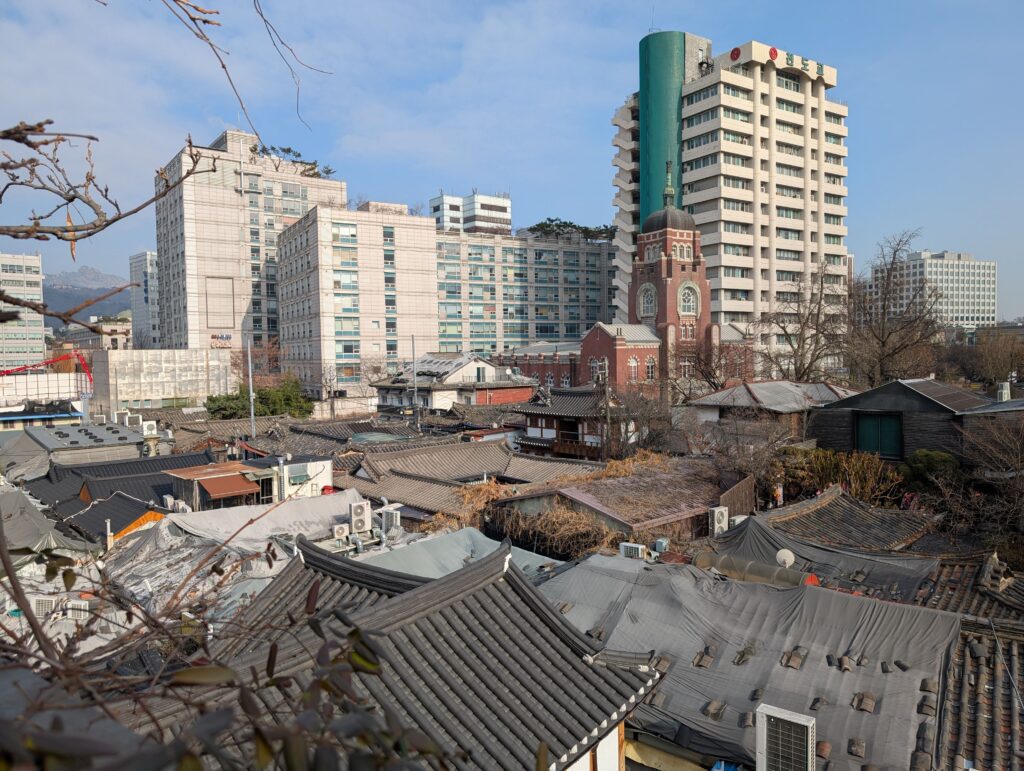
South Korea wellness tourism 2026 — foreign tourists browse pharmacy products in Myeongdong's underground shopping mall, where approximately 40 pharmacies now operate targeting international visitors seeking Korean pharmaceutical-grade skincare, dermacosmetics, and health supplements unavailable at standard K-beauty retailers.
Quick answer: South Korea wellness tourism 2026 is booming — tourists are now visiting pharmacies, dermatology clinics, and Korean bathhouses as primary destinations, not just shopping stops. Foreign pharmacy spending surged 206% in May 2026. Pharmacies have overtaken convenience stores as the top tourist shopping destination. The wellness tourism market is forecast to reach USD 49.3 billion by 2035.
South Korea wellness tourism 2026 is transforming how foreign tourists spend their time and money in Korea — visitors are no longer spending only in Seoul’s beauty chains, duty-free stores and palace districts. Increasingly, they are swiping cards at pharmacies and traveling to cities and towns beyond the capital.
The South Korea wellness tourism 2026 shift is one of the most commercially significant tourism behaviour changes in Asia this year. Shopping routes once concentrated at Myeongdong cosmetics stores and duty-free shops are now expanding to pharmacies, dermatology clinics, food delivery apps and regional tourist destinations. Analysts say travel patterns are growing more sophisticated as so-called “repeat visitors” who have been to Korea multiple times increase.
For Indian travelers planning South Korea trips — a market KTO is actively growing through its tourist taxi discount programme, the AirAsia MOVE partnership, and the workcation visa — the South Korea wellness tourism 2026 trend reveals a layer of Korea that goes far beyond K-pop venues and palace tours. See our AirAsia MOVE South Korea guide for the regional destinations where this wellness trend extends beyond Seoul.
Why Korean Pharmacies Have Become Tourist Destinations
The most concrete expression of South Korea wellness tourism 2026 is the pharmacy as tourist attraction — a development that would have seemed implausible five years ago and is now the defining retail story of Korean inbound tourism.
Foreigners’ spending at pharmacies reached 141.4 billion won last year, up 142.2% from the previous year, and large-scale pharmacies targeting tourists are on the rise in areas like Myeongdong, Seongsu, and Gangnam.
Foreign tourist pharmacy spending in Korea surged 206.1% in May as drugmakers Dongkook, Daewoong, and Hanmi develop pharmacies into premium dermacosmetic channels. As inbound foreign tourists’ shopping routes expand beyond Olive Young and duty-free shops to pharmacies, pharmaceutical companies are cultivating pharmacies as a premium dermacosmetic distribution channel. Drugmakers are ramping up a “two-track strategy,” growing mass-market brands through Olive Young, Daiso, and online malls while supplying pharmacies with exclusive products that emphasize ingredients and functionality.
As of the first half of 2026, approximately 40 pharmacies are actively operating across Myeong-dong and Eulji-ro in Seoul. These establishments span a diverse range, from smaller community pharmacies to extensive drug store-type outlets and even large-scale pharmaceutical retail centres.
The pharmacies that tourists are visiting are not traditional dispensing chemists — they are being redesigned as beauty and health retail experiences. Pharmacy stores in popular tourist areas such as Myeongdong and Hongdae are being designed more like health and beauty shops such as Olive Young, so that customers can browse products with shopping baskets in hand. Pharmacies are also enhancing their services for foreign customers by offering multilingual assistance and hiring staff fluent in foreign languages.
What tourists are buying at Korean pharmacies: Acne medication, scar ointments, functional cosmetics and nutritional supplements are now widely recommended through social media as essential purchases during trips to Korea. Specific products driving the pharmacy tourism trend include Noscana (niacinamide serum), Acnon (acne treatment), Melatoning (skin brightening), and Rejuve-S (collagen supplements) — Korean pharmaceutical-grade skincare products that are only available at pharmacies rather than general beauty retailers.
The Medical and Clinical Wellness Dimension
Beyond pharmacy shopping, South Korea wellness tourism 2026 extends into clinical services that are significantly more affordable than equivalent treatments in India, the US, or Europe.
The country’s world-class medical infrastructure — anchored by internationally accredited hospitals and clinics in Seoul — has established Korea as a premier destination for medical wellness tourism combining cosmetic procedures, functional medicine, executive health screenings, and regenerative treatments.
The K-pop viral moment that opened the SCMP article captures how mainstream medical tourism to Korea has become. When a Japanese calligraphy teacher casually mentions she flew to Seoul for a cosmetic procedure at Sinnonhyeon Station — and this generates laughter rather than surprise from a K-pop group’s audience — it confirms that Korean medical tourism has crossed from niche to normalised in Asian travel culture.
In 2024, around 1.2 million foreigners came to South Korea as medical tourists, recording its highest figure ever since. Heavily affected by the coronavirus pandemic and travel restrictions, the number of international patients in South Korea dipped, but it recovered quickly, exceeding pre-pandemic levels by 2023. 2024 was the first year it cracked the one million mark.
Dermatology and cosmetic procedures account for the largest share of medical tourist treatments. Botox, fillers, laser skin treatments, and dermatology consultations — which cost USD 800–2,000 in India’s major cities at comparable quality clinics — are available in Seoul’s Gangnam and Sinnonhyeon clinic districts for USD 200–600. The combination of lower cost, higher procedural volume (Korean dermatologists are among the world’s most experienced with Asian skin types), and the travel experience attached makes Seoul the rational choice.
Traditional Korean Wellness: Jjimjilbang and Hanbang
South Korea wellness tourism 2026 is not only about modern medical procedures and pharmaceutical shopping. Traditional Korean wellness practices — including jjimjilbang (Korean bathhouse culture), hanu (Korean herbal medicine), and temple stay programs — provide distinctive cultural differentiation that cannot be replicated in other destinations.
Jjimjilbang — Korean heated bathhouses — operate across Seoul and in every major Korean city, open 24 hours, with sauna rooms at multiple temperatures, cold plunge pools, massage services, and sleeping areas. A full evening at a jjimjilbang costs KRW 10,000–15,000 (~₹640–960) — significantly less than any equivalent spa experience in India. For Indian travelers coming from Ayurveda-centred wellness traditions, the jjimjilbang’s heat therapy, circulation focus, and communal bathing culture is culturally familiar and experientially extraordinary.
Hanbang (Traditional Korean Medicine) — acupuncture, herbal medicine, and cupping — is available at clinics throughout Seoul and secondary cities. The regulatory framework for traditional Korean medicine is integrated with Korea’s national healthcare system, giving hanbang practitioners formal clinical credibility that differs from informal traditional medicine markets in other destinations.
The Indian Traveler’s South Korea Wellness Itinerary
South Korea wellness tourism 2026 is directly accessible to Indian travelers — Korea’s e-visa process for Indian passport holders is straightforward, and the Seoul–Delhi and Seoul–Mumbai air corridors are well-served by Air India, Korean Air, and Asiana.
Day 1–2 — Myeongdong pharmacy circuit. The Myeongdong underground shopping mall and surrounding streets now have over 40 pharmacies. Allocate half a day to the pharmacy circuit — bring a shopping list of specific products (Noscana, Acnon, and PharmaResearch products are the most widely recommended by Korean dermatology social media accounts) and budget KRW 100,000–200,000 (~₹6,400–12,800) per person.
Day 3 — Gangnam dermatology consultation. Korean dermatology clinics in Gangnam, Sinnonhyeon, and Apgujeong offer walk-in consultations for skin analysis, prescription-strength products, and minor treatments. A skin consultation with a Korean dermatologist costs approximately KRW 30,000–80,000 (~₹1,920–5,120). Bring your skin history and any current prescription product names for reference.
Day 4 — Jjimjilbang evening. Book Dragon Hill Spa (Yongsan, Seoul) — the largest and most internationally famous jjimjilbang in Seoul, open 24 hours with multiple sauna rooms, outdoor pools, and restaurant. KRW 20,000 (~₹1,280) for the full facility. Plan 3–4 hours.
Day 5 — Hanbang clinic. Many clinics in Insadong and Jongno offer traditional medicine consultations integrating acupuncture and herbal diagnosis. A consultation costs KRW 50,000–100,000 (~₹3,200–6,400) with herbal prescriptions extra.
Korean Won is required — UPI and Indian QR payments do not work in South Korea. Carry a zero-forex international card or withdraw Won at Incheon Airport on arrival. For travel insurance covering South Korea wellness trips including medical procedures, SafetyWing Nomad Insurance provides comprehensive coverage at affordable daily rates for Indian travelers.
FAQs — South Korea Wellness Tourism 2026
Q: Why are tourists going to pharmacies in South Korea instead of beauty stores?
Acne medication, scar ointments, functional cosmetics and nutritional supplements are now widely recommended through social media as essential purchases during trips to Korea. The trend reflects how K-beauty itself has evolved. Pharmaceutical companies are cultivating pharmacies as a premium dermacosmetic distribution channel with exclusive products that emphasise ingredients and functionality — products unavailable at Olive Young or duty-free. Pharmacies are being redesigned as browse-friendly retail spaces with multilingual staff, making them accessible to international tourists.
Q: How much has foreign spending at Korean pharmacies grown?
Foreigners’ spending at pharmacies reached 141.4 billion won last year, up 142.2% from the previous year. Foreign tourist pharmacy spending in Korea surged 206.1% in May 2026 year-on-year. Card payments during the eight-day holiday period combining Japan’s Golden Week and the Greater China May Day holiday rose about 18% year-on-year at pharmacies specifically, confirming the surge is sustained rather than a single-month anomaly.
Q: Is South Korea good for medical tourism from India?
South Korea is one of Asia’s premier medical tourism destinations. Korea’s world-class medical infrastructure — anchored by internationally accredited hospitals and clinics in Seoul — has established Korea as a premier destination for medical wellness tourism combining cosmetic procedures, functional medicine, executive health screenings, and regenerative treatments.
Cosmetic dermatology, skin treatments, and health screenings are significantly more affordable in Seoul’s Gangnam and Sinnonhyeon clinic districts than at comparable quality clinics in India. In 2024, around 1.2 million foreigners came to South Korea as medical tourists — the highest figure ever recorded.
Final Word
South Korea wellness tourism 2026 — pharmacy shopping at 206% spending growth, 1.2 million medical tourists, jjimjilbang culture, Hanbang herbal medicine, and Gangnam dermatology at a fraction of international prices — represents one of the most complete wellness tourism ecosystems in Asia.
For Indian travelers who have historically focused Korea trips on K-pop districts, palace tours, and Myeongdong street food, the wellness layer is where repeat visitors are finding Korea’s most distinctive and practical value. The pharmacy is not a detour from the Korea trip — it is, increasingly, the point.
Also Read:
- AirAsia MOVE South Korea — KTO Promotes Busan, Gyeongju, Jeju
- South Korea Tourist Taxi 2026 — KTO 50% Off Until November
- Japan Sleep Tourism 2026 — Tea Diagnoses and Brain Scans
Official Sources:
- SCMP — Why Tourists Are Flocking to South Korea’s Pharmacies and Wellness Services
- Korea Tourism Organization
 Thailand Itinerary Indians 5 Days: Bangkok, Ayutthaya, Chiang Mai — ₹31,250 Cost Breakdown
Trusted Thailand 2026: What the Safety Certification Means for Indian Travelers
UAE Flights Disruption 2026: SpiceJet India Routes Delayed, Air Canada Suspends to March 2027
EU Hand Luggage Rules 2026: What Actually Changed — and What Hasn’t Yet
Thailand Itinerary Indians 5 Days: Bangkok, Ayutthaya, Chiang Mai — ₹31,250 Cost Breakdown
Trusted Thailand 2026: What the Safety Certification Means for Indian Travelers
UAE Flights Disruption 2026: SpiceJet India Routes Delayed, Air Canada Suspends to March 2027
EU Hand Luggage Rules 2026: What Actually Changed — and What Hasn’t Yet

Aaseem Bhardwaj is a journalist, seasoned traveler and IT professional based in India. With firsthand travel experience across Southeast Asia, East Asia, Middle East and Europe, Aaseem founded Travel Man Today to provide reliable visa updates and travel news for Indian passport holders. He has personally traveled to Thailand, Vietnam, Malaysia, Japan, Singapore, Hong Kong, South Korea, UAE and Europe. Follow his travel vlogs on YouTube at @travelmantoday


Templates for Indians
2 thoughts on “South Korea Wellness Tourism 2026: Pharmacies, Clinics and Jjimjilbang Replace Duty-Free”