Hotel Sleep First Night: Why You Sleep Badly and Seven Science-Backed Fixes
Hotel sleep first night — the First Night Effect causes one hemisphere of the brain to remain more alert than the other in an unfamiliar environment, an evolutionary adaptation that sleep researchers at the University of Freiburg and University of Pittsburgh have confirmed through EEG studies showing delayed sleep onset, more frequent wake-ups, and reduced REM sleep on the first night in a new location.
Quick answer: Sleeping badly in a hotel on your first night is universal — it’s called the “First Night Effect” (FNE), caused by your brain staying partially alert in an unfamiliar environment. The good news: it almost always resolves by night two. Seven evidence-based fixes including room temperature, blackout, white noise, and pre-sleep routine help you sleep better from night one.
Hotel sleep first night problems affect almost every traveler — the phenomenon has been confirmed by dozens of studies and is believed to have evolutionary roots, said Anna Wick, a senior sleep researcher at the University of Freiburg in Switzerland. The first night in a new place is always the same for Robinson Leoni: he takes longer to fall asleep, wakes up more often during the night and gets less sleep overall. At home he averages seven hours. The first night away — with or without earplugs and regardless of the bed’s quality — his smartwatch tells him he gets about five.
The hotel sleep first night experience is not anxiety, stress, or the bed’s fault. It is your brain executing an ancient, evolutionarily rational protective routine — and understanding the mechanism is the first step to defeating it. For Indian business travelers flying frequently to Bangkok, Dubai, Singapore, or Tokyo on tight schedules where losing a night of sleep costs real professional performance, the First Night Effect is a manageable problem, not an inevitable one. See our Japan sleep tourism 2026 guide for the Japanese hotel industry’s sophisticated response to exactly this problem.
The Science: Why Your Brain Refuses to Fully Sleep in New Places
The hotel sleep first night problem has a specific neurological name and mechanism — Unihemispheric Slow-Wave Sleep — the same phenomenon that allows ducks to sleep with one eye open.
“It’s assumed to be an adaptation response that the sleeping brain remains vigilant in this unfamiliar environment,” Wick says. “It doesn’t matter if it’s a Marriott hotel or it’s the savannah. Your brain hasn’t got the memo that this place is completely safe.”
One hemisphere of your brain literally stays more awake than the other when you’re in a new place. This asymmetric sleep pattern — where the left hemisphere remains in lighter sleep while the right hemisphere enters normal deep sleep — is documented in EEG studies of first-night sleepers in unfamiliar environments. The alert hemisphere monitors for sounds, temperature changes, and movement that might indicate a threat. This was rational on the African savannah. It is deeply inconvenient in a Marriott in Bangkok.
Ahmad Mayeli, a psychiatry professor and sleep researcher at the University of Pittsburgh, says most people experience some version of this, even if they don’t notice it. Brain imaging studies have shown that this heightened vigilance leads to delayed sleep onset, more frequent wake-ups, and reduced REM sleep. It’s why many people feel like they only “half-slept” their first night in a new place.
The good news from Wick’s research: evidence suggests the effect fades after the first night. By night two in the same location, the brain has sufficient environmental familiarity to enter normal bilateral sleep. The First Night Effect is not travel insomnia — it is an adaptation lag that resolves with one night’s calibration.
Why Business Travelers Suffer More Than Leisure Travelers
Not all travelers experience the hotel sleep first night problem equally — and the split follows a surprising pattern.
Research indicates that the travel insomnia group comprised more business travelers than tourists, suggesting that tourism activities are accompanied by a sense of stress-relief and relaxation compared to business meetings and obligations.
The business traveler arrives at the hotel with an unresolved cognitive load — the presentation tomorrow, the client negotiation, the delayed flight that compressed the pre-meeting preparation window. The leisure traveler arrives having mentally switched into holiday mode. The brain’s threat-assessment system is calibrated not just to unfamiliar environments but to unresolved cognitive demands. A business traveler in a Shangri-La with a 9am board presentation has a higher vigilance trigger than a family on a Bangkok holiday in the same hotel.
For Indian professionals traveling internationally for work — a rapidly growing category as Indian companies expand global operations — this means the hotel sleep first night problem is directly hitting the professional performance that the trip is designed to deliver.
Seven Evidence-Based Fixes for Better Hotel Sleep From Night One
The hotel sleep first night problem is manageable. These seven interventions — drawn from sleep science research and hotel wellness design practice — address the specific mechanisms of the First Night Effect.
1. Control room temperature before sleep. The body’s sleep onset mechanism is triggered by a drop in core temperature. Most hotel rooms are set at the hotel’s default — often too warm for optimal sleep. Set the room to 18–20°C (65–68°F) at least 30 minutes before sleeping. This is cooler than most guests find comfortable while awake but is the temperature range sleep science consistently identifies as optimal.
2. Complete blackout. Even small amounts of light — the standby light on the TV, the glow from the smoke detector, light under the door — disrupt melatonin production. Use the hotel’s blackout curtains fully overlapped, cover any LED lights with a cloth, and if light still enters under the door, roll a towel against the base.
3. White noise for sound masking. The alert brain hemisphere is listening. Hotels provide a challenging sound environment — HVAC noise, corridor sounds, adjacent room sounds. White noise at a consistent volume masks sudden sound spikes that trigger the alert hemisphere into wakefulness. Use a free white noise app at medium volume, or run the room’s fan continuously.
4. Establish a pre-sleep ritual — the same one you use at home. The brain’s sleep transition is partly conditioned by cue sequences. If you read for 20 minutes before sleeping at home, read for 20 minutes at the hotel. The familiar sequence signals safety and reduces the time to sleep onset. Avoid using the hotel room’s work desk in the hours before sleep — separating work space from sleep space helps the brain categorise the room as a rest environment.
5. Write the worry list. The biggest impediment to falling asleep is a busy mind. Robbins suggests writing all of these worries down on a piece of paper as a way to relieve your brain from the burden of them and focus on the task at hand — sleeping. A five-minute pre-sleep “brain dump” — writing tomorrow’s to-do list and any unresolved concerns — externalises the cognitive load that the brain otherwise rehearses during light sleep. Particularly valuable for business travelers whose hotel sleep first night problems are compounded by meeting anxiety.
6. Use magnesium glycinate or low-dose melatonin strategically. For Indian travelers crossing multiple time zones — Delhi to Singapore is 2.5 hours, Delhi to Tokyo is 3.5 hours, Delhi to Dubai is 2.5 hours — a low dose of melatonin (0.5–1mg, not the 10mg doses sold in some markets) taken 30 minutes before target sleep time helps reset the circadian clock. Magnesium glycinate supplementation supports sleep quality through muscle relaxation and GABA activation without the grogginess of pharmaceutical sleep aids.
7. Book the highest available floor on a quiet side of the building. The most practical pre-arrival intervention. Street-facing lower floors experience the highest decibel levels of urban noise — vehicles, late-night conversations, delivery trucks. Upper floors on the courtyard or pool side of the building reduce the ambient sound load that keeps the alert hemisphere active. When booking, specifically request a high floor away from the lift and away from the street in your reservation notes.
The Hotel Industry’s Response: Sleep Programmes Are Now Standard
Hotels — particularly in Asia — are responding to the hotel sleep first night problem with structured sleep programmes that Indian travelers can now deliberately select when booking.
In April 2026, a leading property introduced its Deep Sleep Ritual, transforming the traditional evening turndown service into a guided relaxation experience. Guests receive a bedside guide with science-backed sleep recommendations, access to guided meditation or Yin yoga sessions and herbal infusions prepared from botanicals grown on the property.
Ananda in the Himalayas — an Indian luxury wellness property in Uttarakhand — combines a tranquil natural setting with a comprehensive Sleep Enhancement Programme available as seven, 14, or 21-night stays. The personalised programme blends Ayurveda, yoga and modern sleep science to address insomnia, fatigue and circadian rhythm imbalance. Guests undergo detailed assessments using traditional Ayurvedic diagnostics alongside wearable sleep monitoring technology.
Japan’s Hotel 1899 Tokyo’s Totono-ne plan — tea diagnosis matching chamomile-bancha blends to sleep profiles, high-performance pillows, and pre-sleep bath salts — addresses the same First Night Effect through different cultural tools. As we covered in our Japan sleep tourism 2026 guide, the sleep efficiency improvement at Healthianwood Toyama was clinically meaningful — wakefulness after sleep onset dropped from 64.3 to 49.8 minutes.
The global hotel industry is investing in sleep because the data shows that hotel sleep first night quality is the strongest predictor of overall guest satisfaction and return booking intention.
FAQs — Hotel Sleep First Night
Q: What is the First Night Effect and how long does it last?
The First Night Effect is a sleep science phenomenon where one hemisphere of your brain stays more alert than the other when sleeping in an unfamiliar environment — an evolutionary adaptation that kept ancestors vigilant to threats.
“It’s assumed to be an adaptation response that the sleeping brain remains vigilant in this unfamiliar environment,” says Anna Wick, a senior sleep researcher at the University of Freiburg. Evidence suggests the effect fades after the first night. By the second night in the same location, the brain has sufficient environmental calibration to enter normal bilateral sleep. The hotel sleep first night problem is temporary, not structural.
Q: Why do business travelers sleep worse in hotels than leisure travelers?
Research indicates that the travel insomnia group comprised more business travelers than tourists, suggesting that tourism activities are accompanied by a sense of stress-relief and relaxation compared to business meetings and obligations. The business traveler’s unresolved cognitive load — pending presentations, client negotiations, time pressure — heightens the brain’s vigilance baseline beyond what the unfamiliar environment alone produces. The combination of First Night Effect and professional anxiety produces the worst hotel sleep outcomes for frequent business travelers.
Q: What is the single most effective hotel sleep fix?
Room temperature is the highest-impact single intervention. The body’s sleep onset is triggered by a core temperature drop — setting the room to 18–20°C at least 30 minutes before sleeping accelerates the temperature drop that signals sleep onset.
Combined with complete blackout and white noise for sound masking, temperature control addresses the three primary physical triggers of First Night Effect wakefulness. The pre-sleep ritual and worry list address the cognitive component. Used together, these five interventions significantly reduce both sleep onset time and mid-night waking frequency.
Final Word
The hotel sleep first night problem — caused by Unihemispheric Slow-Wave Sleep, your brain’s ancient threat-monitoring adaptation — is one of the most studied and least-discussed challenges in modern travel.
Indian professionals crossing time zones to Bangkok, Singapore, Dubai, and Tokyo for work are losing professional performance to a neurological mechanism that responds well to the seven interventions above: temperature, blackout, white noise, ritual, worry list, supplementation, and room placement. The First Night Effect fades by night two. The goal is to make night one close enough to night two that the performance cost disappears.
Also Read:
- Japan Sleep Tourism 2026 — Tea Diagnoses and Brain Scans in Hotels
- Kinosaki Onsen Japan 2026 — Rival Ryokan Share Data to Survive
- SafetyWing Nomad Insurance — Full Review for Indians
Official Sources:
- SCMP — Why the First Night in a Hotel Affects Your Sleep Quality
- Sleep Foundation — Sleeping Well in Hotels
 Thailand Itinerary Indians 5 Days: Bangkok, Ayutthaya, Chiang Mai — ₹31,250 Cost Breakdown

Trusted Thailand 2026: What the Safety Certification Means for Indian Travelers
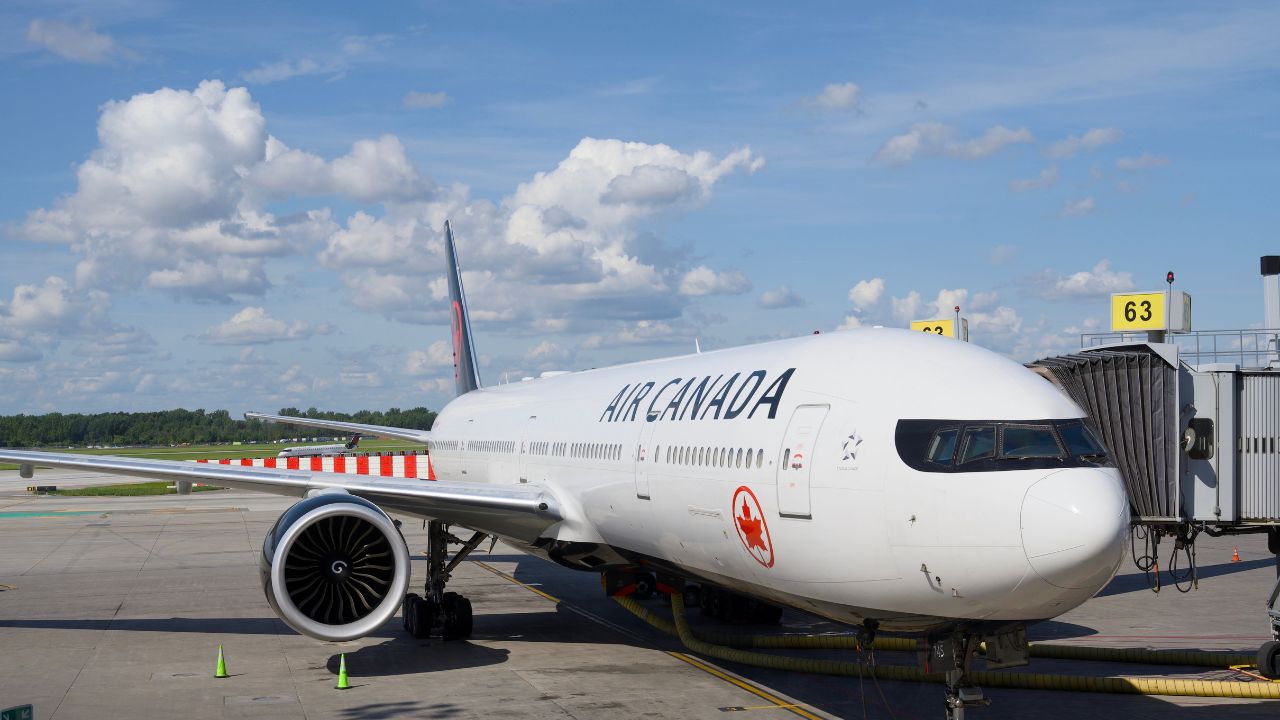
UAE Flights Disruption 2026: SpiceJet India Routes Delayed, Air Canada Suspends to March 2027
EU Hand Luggage Rules 2026: What Actually Changed — and What Hasn’t Yet
Thailand Itinerary Indians 5 Days: Bangkok, Ayutthaya, Chiang Mai — ₹31,250 Cost Breakdown
Trusted Thailand 2026: What the Safety Certification Means for Indian Travelers
UAE Flights Disruption 2026: SpiceJet India Routes Delayed, Air Canada Suspends to March 2027
EU Hand Luggage Rules 2026: What Actually Changed — and What Hasn’t Yet

Aaseem Bhardwaj is a journalist, seasoned traveler and IT professional based in India. With firsthand travel experience across Southeast Asia, East Asia, Middle East and Europe, Aaseem founded Travel Man Today to provide reliable visa updates and travel news for Indian passport holders. He has personally traveled to Thailand, Vietnam, Malaysia, Japan, Singapore, Hong Kong, South Korea, UAE and Europe. Follow his travel vlogs on YouTube at @travelmantoday





Templates for Indians