Singapore Hotels 2026: Upgrading to Beat Bangkok, Bali and KL on Experience
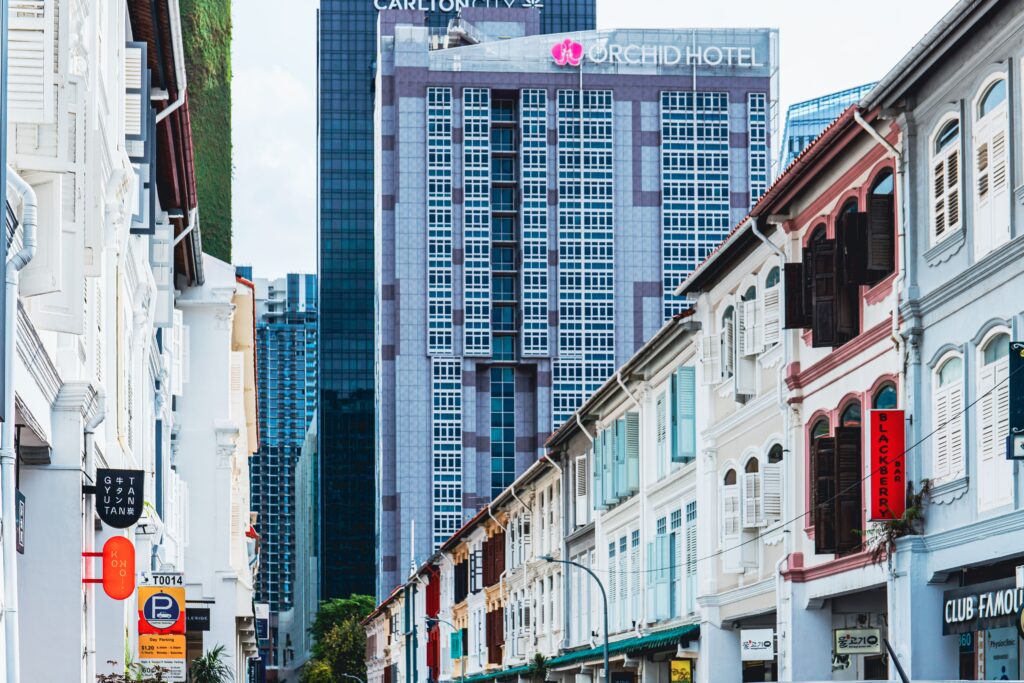
Singapore hotels 2026 upgrade cycle — properties across Marina Bay, Orchard Road and Robertson Quay are investing in room renovations, Michelin-level F&B, AI-powered personalisation, wellness programming, and sustainability credentials to defend Singapore's premium hotel positioning against growing regional competition from Bangkok, Bali and Kuala Lumpur.
Quick answer: Singapore hotels are investing heavily in renovations, F&B upgrades, wellness offerings, and AI-driven personalisation in 2026 to defend their premium positioning against regional competition from Bangkok, Bali and Kuala Lumpur. Occupancy ran 75–88% in the first five months of 2026. New openings include DoubleTree by Hilton Robertson Quay. The hospitality market is forecast to grow from USD 21.87 billion to USD 23.28 billion in 2026.
Singapore hotels 2026 are operating in a competitive environment where additional inventory means hotels will increasingly compete on guest experience, branding, service quality and operational efficiency rather than relying solely on market-wide demand growth.
The Singapore hotels 2026 transformation story is shaped by a specific competitive pressure: Southeast Asia’s tourism sector in 2026 is expanding in scale but weakening in balance — Singapore, Bangkok, Bali and Kuala Lumpur are now locked in a direct economic rivalry that is reshaping pricing models, hotel performance and visitor behaviour across the region.
For Indian travelers deciding between Singapore and Bangkok or Bali for their next trip, the Singapore hotels 2026 upgrade cycle is a direct argument for Singapore — properties are investing in the product quality, personalisation, and unique experience that justify Singapore’s premium pricing. The comparison is no longer purely on cost. See our Singapore tourist arrivals 2026 guide for the demand context driving this upgrade cycle.
The Regional Competition Forcing Singapore Hotels to Upgrade
Singapore’s hotel sector faces a specific competitive threat that has intensified in 2026 — Bangkok, Bali, and Kuala Lumpur offer comparable or superior travel experiences at significantly lower price points. Traveller behaviour in 2026 shows a clear shift toward shorter stays and more controlled spending. Extended vacations are declining in favour of multi-city regional travel. Singapore, Bangkok, Bali and Kuala Lumpur all experience this shift.
The value-extraction pressure is acute. The competition is no longer about volume alone. It is about value extraction per visitor. A Singapore hotel charging SGD 280 per night competes directly with a Bangkok luxury property at SGD 150 per night offering comparable facilities. The only sustainable competitive position is a meaningfully superior experience — not just marginally better.
Singapore is redefining its tourism appeal, moving beyond perceptions of heat and high costs to focus on culture, food, events, and immersive experiences. Strong hotel growth, rising visitor spending, and diversified offerings position the city-state as a resilient, high-value destination despite regional competition.
The Singapore Hotel Industry Transformation Map — the government’s strategic framework for the hotel sector — has specifically targeted five capability areas: service excellence, workforce development, sustainability, technology adoption, and business model innovation. Hotels participating in the ITM receive co-funding for qualifying investments in these areas, creating a government-backed upgrade incentive alongside commercial competitive pressure.
What Singapore Hotels Are Actually Changing
The Singapore hotels 2026 upgrade investments are concentrated in five specific areas that address the regional competitive gap.
Renovation and room product. Hotel operators must also contend with high labour costs, rising utility expenses, increasing technology investments and continuous refurbishment requirements to remain competitive in an evolving marketplace. Properties that have not renovated since the 2015–2019 period are investing now — the DoubleTree by Hilton Singapore Robertson Quay opening in 2026 involves a full renovation of the former Hotel Miramar building including new pickleball courts and a kids’ club alongside new rooms, lobby, and F&B outlets. THP News
Food and beverage as a differentiator. Singapore’s hotel F&B is being repositioned as a destination experience rather than a convenience service. F&B has been identified as the core competitive differentiator for Singapore hotels, with exceptional F&B driving guest loyalty and rate premiums in ways that room product alone cannot. The Marina Bay Sands expanded F&B programme, Raffles Hotel’s restored and expanded restaurants, and the growing number of Singapore hotel restaurants holding Michelin stars or Bib Gourmand recognition all reflect this shift.
Wellness and sleep experiences. The Japan sleep tourism trend we covered — where hotels are adding structured sleep improvement programmes — is arriving in Singapore. Properties are adding sleep-engineering elements: blackout blinds, white noise systems, ergonomic mattresses, and in some cases dedicated wellness concierges who manage pre-sleep rituals. Singapore’s urban traveler demographic, dominated by business visitors and short-haul regional tourists, makes sleep quality a genuinely valued differentiator.
AI-powered personalisation. Delegates at the Hotel Revenue Summit 2026 converged on AI-driven revenue management, real-time demand forecasting, and personalised guest experiences, responding to compressed booking windows, shifting digital behaviours, and intensifying competition. Singapore hotels are deploying AI for dynamic pricing optimisation, in-room preference learning, and predictive maintenance — reducing operational costs while improving the precision of guest experience delivery.
Sustainability credentials. A growing emphasis on sustainable practices and personalised guest experiences is evident across the industry, catering to the evolving demands of modern travellers. Singapore’s Green Mark certification system — administered by the Building and Construction Authority — provides a recognisable sustainability credential that increasingly influences booking decisions from European and premium Asian traveler segments.
The Market Numbers: What the Upgrade Cycle Is Responding To
The Singapore hotels 2026 upgrade investment is commercially rational given the market data.
During the first five months of 2026, average hotel occupancy ranged between 75% and 88%, reflecting a healthy demand environment despite the Middle East conflict’s impact on overall arrivals. The Singapore hospitality market size is expected to grow from USD 21.87 billion in 2025 to USD 23.28 billion in 2026 and is forecast to reach USD 32.46 billion by 2031 at a 6.87% CAGR over 2026-2031. THP News
The 75–88% occupancy range across five months — with the higher end of 88% during peak MICE and leisure periods — gives Singapore hotels sufficient revenue headroom to fund upgrade investment without cutting rates. The constraint is not demand but supply quality — properties that invest in experience upgrades capture the rate premium that the constrained supply environment supports.
Hotels and integrated resorts may gain through high occupancy, limited room supply, and demand among premium travellers. Room supply is not increasing as quickly as visitor demand, which can support higher occupancy levels and room rates.
The constrained supply pipeline is Singapore hotels’ most commercially useful structural advantage. Unlike Bangkok or Bali — where new hotel supply consistently outpaces demand growth — Singapore’s planning controls, land scarcity, and construction costs limit new hotel development. Existing properties upgrading their product face less threat from new supply diluting their positioning.
What Indian Travelers Booking Singapore Hotels Should Know
The Singapore hotels 2026 upgrade cycle has three direct implications for Indian travelers planning Singapore trips.
Book earlier to access the best rates. Compressed booking windows are a characteristic of 2026 travel behaviour — Indian travelers who book Singapore hotels 60–90 days in advance access the best rates before demand surge pricing activates. The 75–88% occupancy environment means popular properties fill quickly during Indian school holidays, Diwali, and Christmas-New Year windows.
Look for upgraded properties from 2025–2026 renovations. Properties that have recently completed renovations — including the Robertson Quay area properties, selected Orchard Road hotels post-refurbishment, and Marina Bay properties after their 2025 upgrades — offer meaningfully better room product than properties on the pre-renovation stock at similar price points. Check renovation completion dates when comparing options on Agoda or Booking.com.
F&B hotel packages have improved. Singapore hotels with renovated F&B outlets — particularly those with Michelin-recognised restaurant programmes — offer package deals combining room rates with dining credits that represent genuine value at Singapore price points. Indian families with vegetarian requirements should specifically ask about the hotel’s Indian or pan-Asian vegetarian options when booking, as hotel restaurant programme upgrades have in many cases included broader Asian cuisine coverage.
Singapore requires a visa for Indian passport holders. Apply through the Singapore High Commission in New Delhi or VFS Global. Complete the Singapore SG Arrival Card within 3 days of arrival. Remember UPI does not work in Singapore — carry Singapore Dollars or use a zero-forex card. For travel insurance covering Singapore hotel stays and trip disruptions, SafetyWing Nomad Insurance provides comprehensive coverage at affordable daily rates for Indian travelers.
FAQs — Singapore Hotels 2026
Q: Why are Singapore hotels investing so heavily in upgrades in 2026?
Additional hotel inventory means Singapore hotels will increasingly compete on guest experience, branding, service quality and operational efficiency rather than relying solely on market-wide demand growth.
Singapore, Bangkok, Bali and Kuala Lumpur are now locked in a direct economic rivalry that is reshaping pricing models, hotel performance and visitor behaviour across the region. The upgrade investment is the competitive response — justifying Singapore’s premium pricing through meaningfully superior product rather than competing on cost against lower-priced regional alternatives.
Q: What is the Singapore hotel occupancy and market size in 2026?
During the first five months of 2026, average hotel occupancy ranged between 75% and 88%, reflecting healthy demand despite the Middle East conflict’s impact on overall arrival growth. The Singapore hospitality market size is expected to grow from USD 21.87 billion in 2025 to USD 23.28 billion in 2026 and is forecast to reach USD 32.46 billion by 2031. The constrained supply pipeline — Singapore’s land scarcity limiting new hotel development — supports rate strength for existing upgraded properties.
Q: Which areas of Singapore hotels are seeing the most investment?
The five primary investment areas in Singapore hotels 2026 are room renovation and product upgrading, F&B repositioning as a destination experience, wellness and sleep experience programming, AI-powered personalisation and revenue management, and sustainability credential improvements under Singapore’s Green Mark certification system. Singapore is actively reshaping its hospitality narrative by leaning into culture, gastronomy, wellness, and lifestyle travel — with hotel investment in these specific categories reflecting the broader destination strategy.
Final Word
The Singapore hotels 2026 upgrade cycle — room renovations, Michelin-level F&B, sleep wellness, AI personalisation, and sustainability credentials — is Singapore’s hospitality sector’s answer to the regional competition question: why pay SGD 280 when Bangkok costs SGD 150? The answer being constructed through 2026 investments is a measurably superior experience.
Hotels will increasingly compete on guest experience, branding, service quality and operational efficiency — and the properties investing now in those dimensions will capture the rate premium that Singapore’s constrained supply environment allows.
For Indian travelers, the practical message is that a Singapore hotel booked in mid-2026 or later is meaningfully more likely to deliver an upgraded product than the same property two years ago. The competition from Bangkok and Bali is making Singapore’s hotels better.
Also Read:
- Singapore Tourist Arrivals 2026 — Forecast Cut to 0.5% Growth
- Singapore Grab Travel Pass — STB Precinct Vouchers August 2026
- Singapore Clarke Quay Nightlife 2026 — 4am Trading Permanent
Official Sources:
- Straits Times — How Singapore Hotels Are Upgrading to Tackle Regional Competition
- Singapore Tourism Board
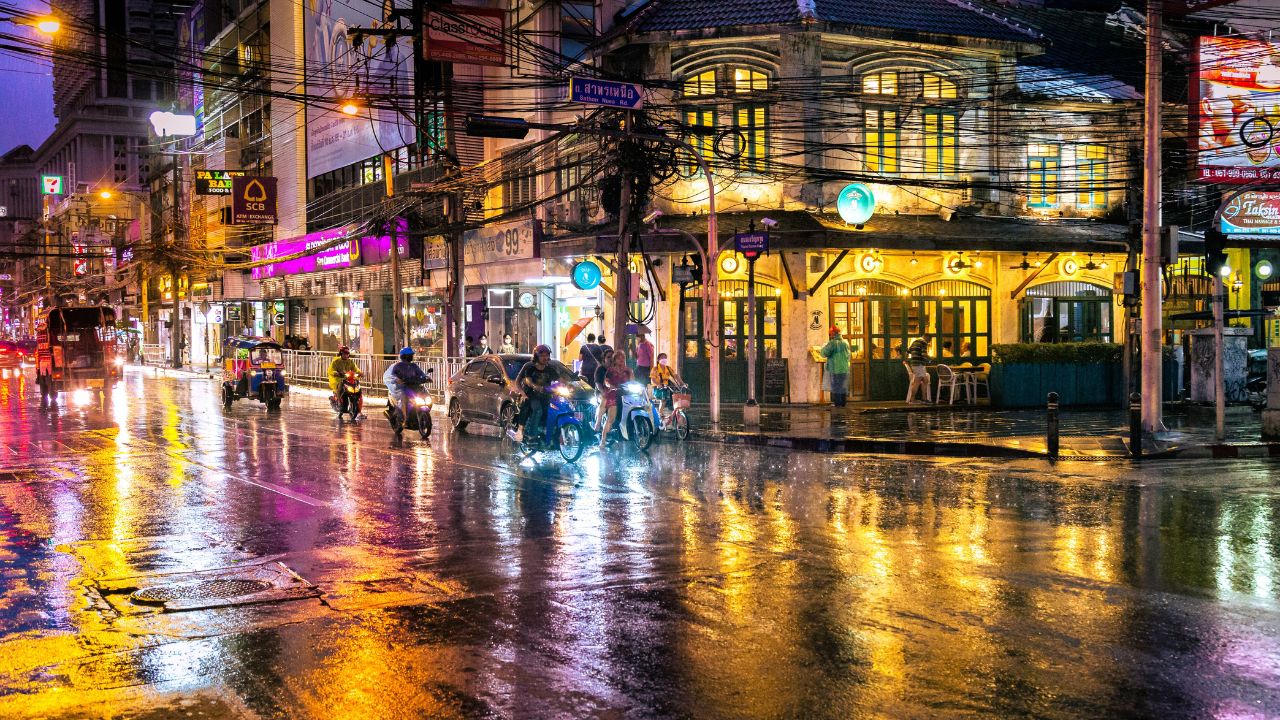
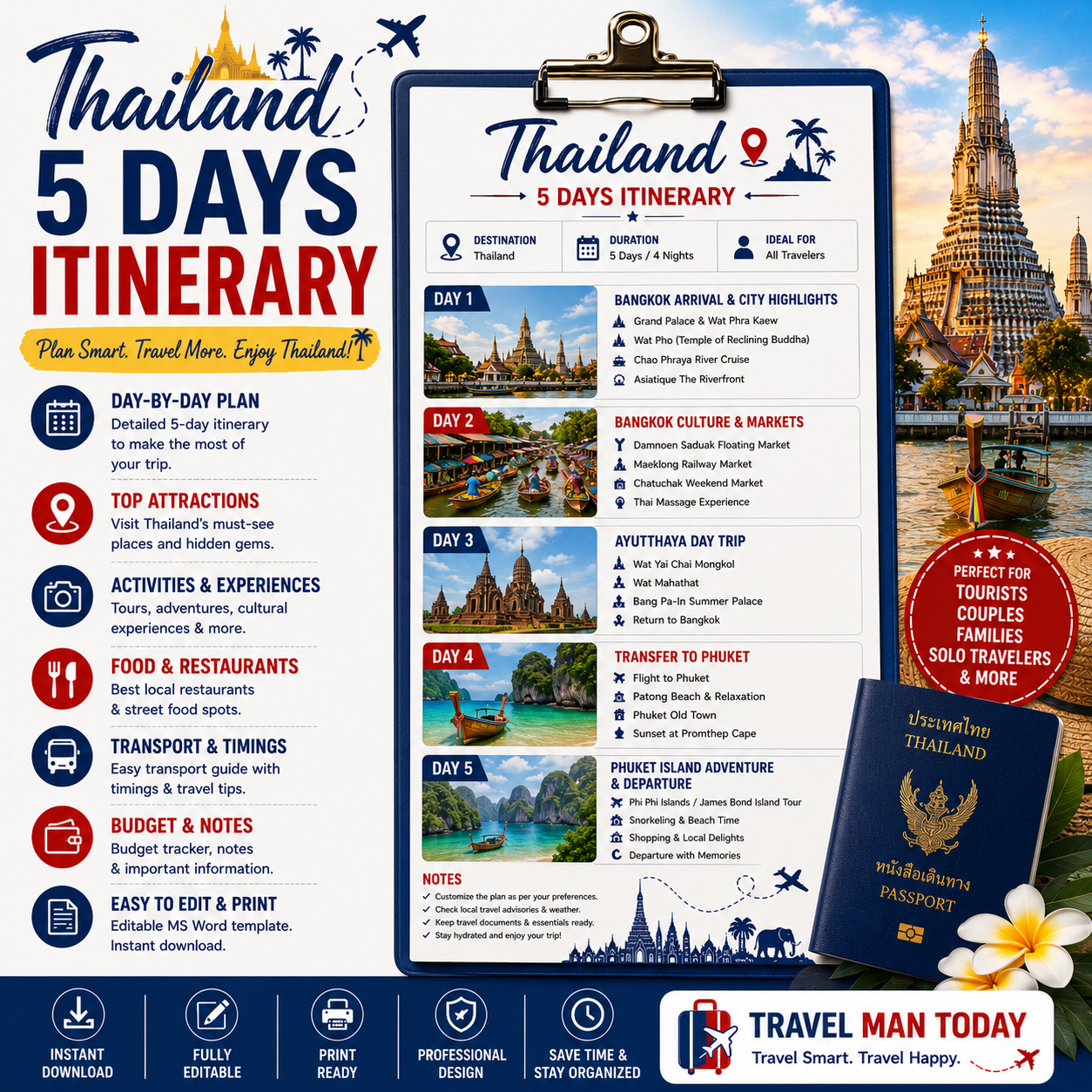
 Thailand Itinerary Indians 5 Days: Bangkok, Ayutthaya, Chiang Mai — ₹31,250 Cost Breakdown
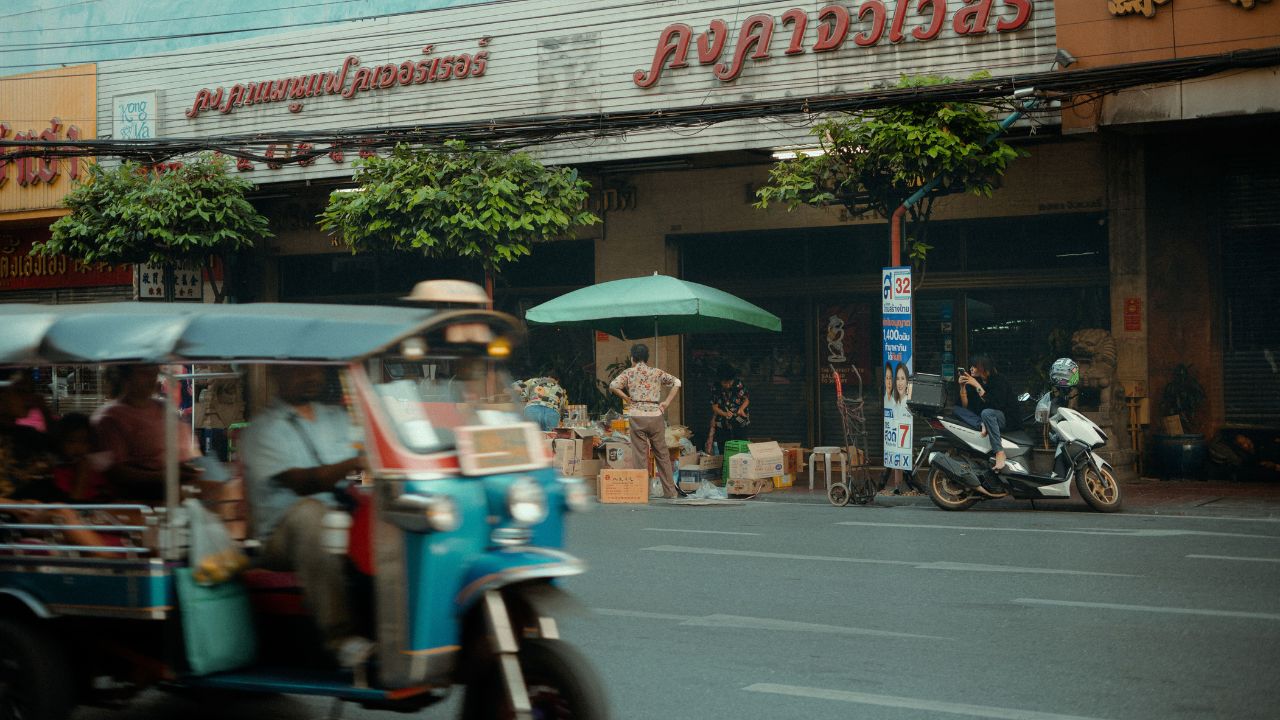
Trusted Thailand 2026: What the Safety Certification Means for Indian Travelers
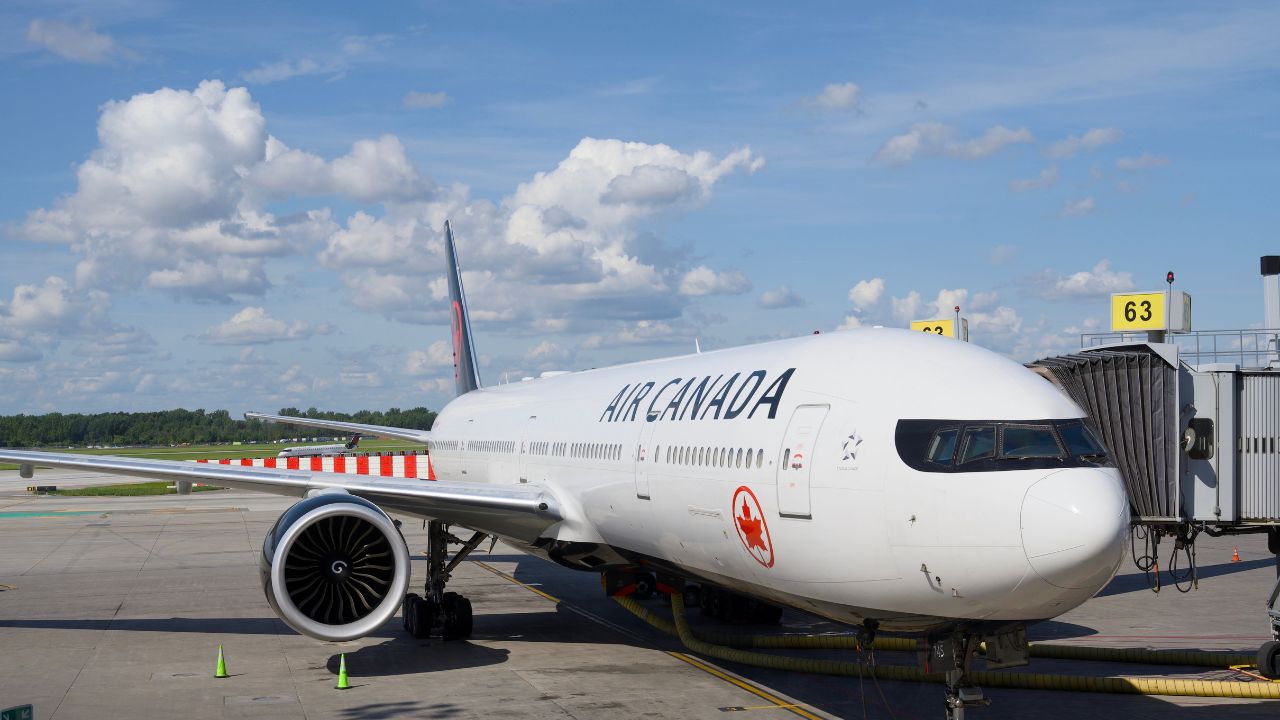
UAE Flights Disruption 2026: SpiceJet India Routes Delayed, Air Canada Suspends to March 2027
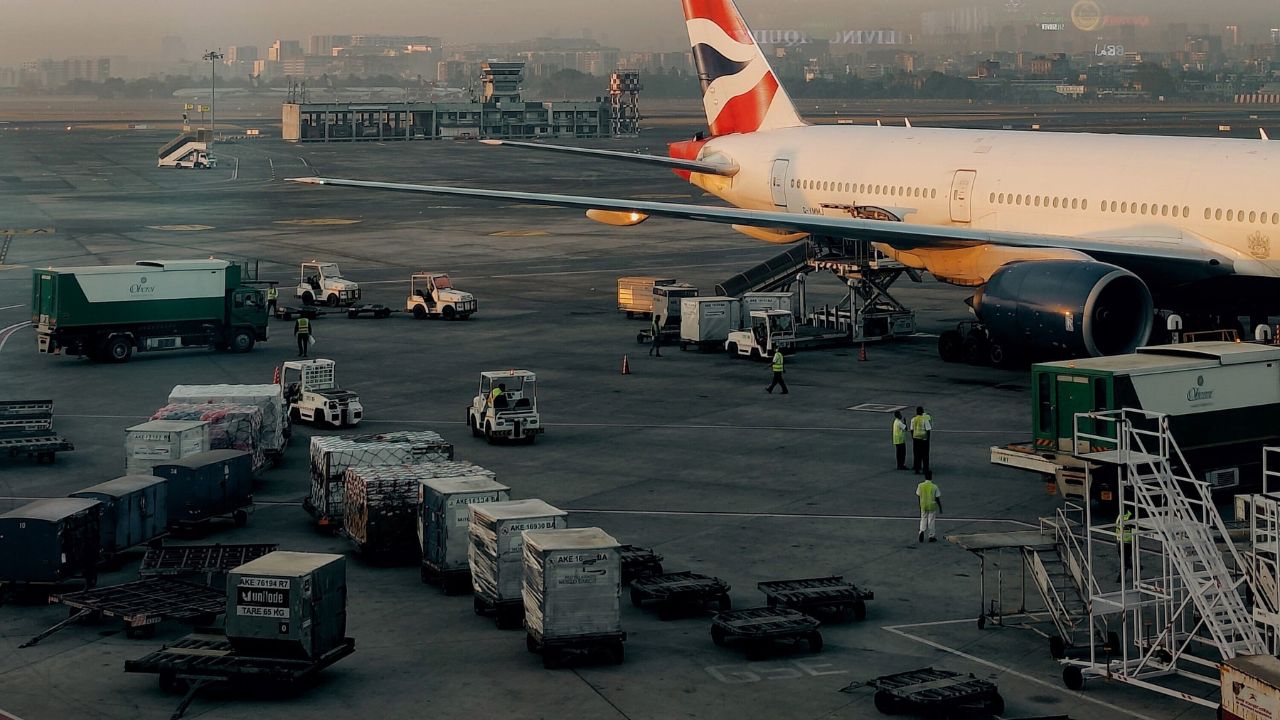
EU Hand Luggage Rules 2026: What Actually Changed — and What Hasn’t Yet
Thailand Itinerary Indians 5 Days: Bangkok, Ayutthaya, Chiang Mai — ₹31,250 Cost Breakdown
Trusted Thailand 2026: What the Safety Certification Means for Indian Travelers
UAE Flights Disruption 2026: SpiceJet India Routes Delayed, Air Canada Suspends to March 2027
EU Hand Luggage Rules 2026: What Actually Changed — and What Hasn’t Yet

Aaseem Bhardwaj is a journalist, seasoned traveler and IT professional based in India. With firsthand travel experience across Southeast Asia, East Asia, Middle East and Europe, Aaseem founded Travel Man Today to provide reliable visa updates and travel news for Indian passport holders. He has personally traveled to Thailand, Vietnam, Malaysia, Japan, Singapore, Hong Kong, South Korea, UAE and Europe. Follow his travel vlogs on YouTube at @travelmantoday




Templates for Indians