China India Business Visa 2026: Modi-Xi BRICS Signal Is Positive — But Watch Implementation
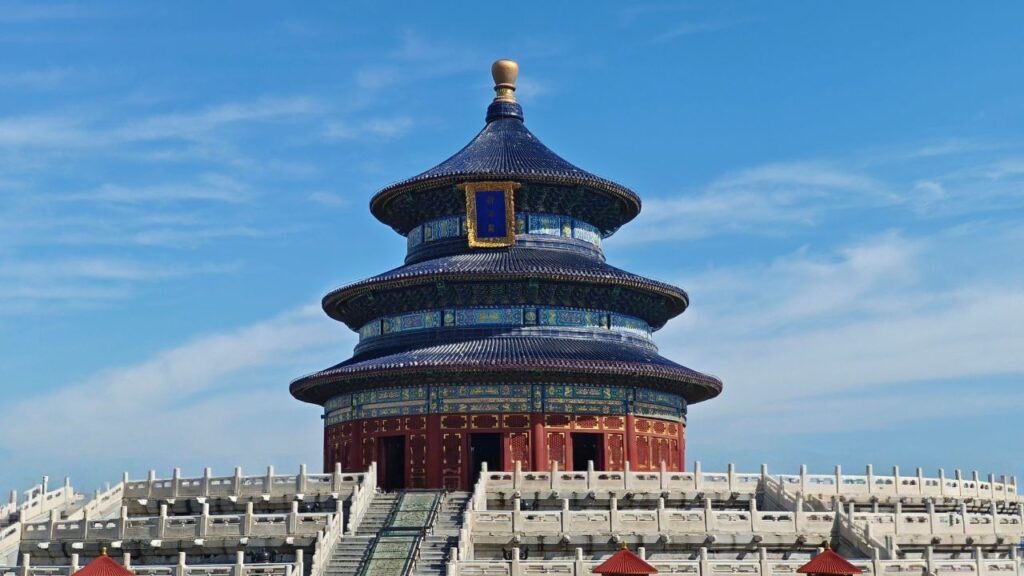
China India business visa 2026 — PM Narendra Modi and President Xi Jinping hold bilateral talks at the BRICS Summit in New Delhi on September 12, 2026, with both leaders stressing the importance of stronger business linkages and people-to-people connections — the most significant diplomatic signal yet for restoring Chinese business visa approvals for Indian applicants who have been moving meetings to Singapore, Thailand, and Hong Kong as workarounds.
Quick answer: Indian business travelers have been facing sharply reduced Chinese visa approval rates in 2026 — companies have moved meetings to Singapore, Thailand, Malaysia, and Hong Kong as a workaround. The Modi-Xi bilateral at the BRICS Summit in Delhi (September 12, 2026) highlighted business linkages and greater mobility. This is a positive diplomatic signal. It is not yet a visa breakthrough. The real test is what happens to approval rates and processing times over the coming weeks and months.
China India business visa 2026 has been one of the most commercially disruptive bilateral travel problems of the year — Indian professionals including engineers, executives, technical staff, and supply chain specialists visiting Chinese factories, suppliers, and manufacturing partners have faced sharply increased scrutiny, unpredictable processing, and low approval rates that have made routine business travel to China effectively unreliable.
The China India business visa 2026 situation has forced real commercial workarounds. Companies have reportedly been moving important meetings to places such as Singapore, Thailand, Malaysia and Hong Kong when Indian participants struggled to obtain Chinese visas.
One reported example involved a major Chinese smartphone brand moving a business meeting to Thailand after Indian participants could not get approvals. This is not a bureaucratic inconvenience — it is a genuine business problem affecting supply chains, investment decisions, and bilateral trade that both governments have a strong interest in resolving.
The BRICS Summit bilateral between PM Modi and President Xi on September 12 — covered in our China Southern Delhi Guangzhou 2026 guide in the context of aviation resumption — is now the most significant diplomatic event relevant to this problem. For Indian business travelers planning China visits, the key question is whether the diplomatic signal translates into practical visa approvals.
What Has Been Happening: The Visa Problem in Detail
The China India business visa 2026 difficulty is specific — it covers work-related visits including factory visits, supplier meetings, technical work, manufacturing discussions, and equipment-related projects. These are not tourist visits and not covered by any transit arrangement. They require a standard Chinese business visa (M Visa) or invitation-based work visa that Chinese authorities control entirely through their own consular process.
Indian businesses have been complaining about increased scrutiny and unpredictable processing. The approval rate decline appears to have intensified following the 2020 Galwan Valley border clash and the subsequent diplomatic freeze — China did not formally restrict Indian visa approvals through any public policy announcement, but the consular processing environment shifted toward significantly lower approval rates for Indian business applicants.
India has already raised the issue of Chinese business visa difficulties with Beijing. External Affairs Minister S. Jaishankar confirmed that India was aware of the problem and had taken it up with China directly. The government’s acknowledgment that this is a raised bilateral issue — not simply individual applicant problems — confirms the structural nature of the difficulty.
The commercial impact is concentrated in specific Indian industry sectors that are most dependent on China supply chains and manufacturing partnerships: electronics, semiconductors, pharmaceuticals (active pharmaceutical ingredients), textiles, automotive components, and heavy machinery. Indian manufacturers depend on Chinese supply chains, components and equipment — the inability of their technical staff and executives to visit Chinese facilities is not a minor inconvenience but a genuine constraint on business operations.
The Diplomatic Context: What Modi-Xi BRICS Actually Said
The China India business visa 2026 diplomatic picture changed meaningfully on September 12, 2026 — the day the Modi-Xi bilateral took place at the BRICS Summit in Delhi.
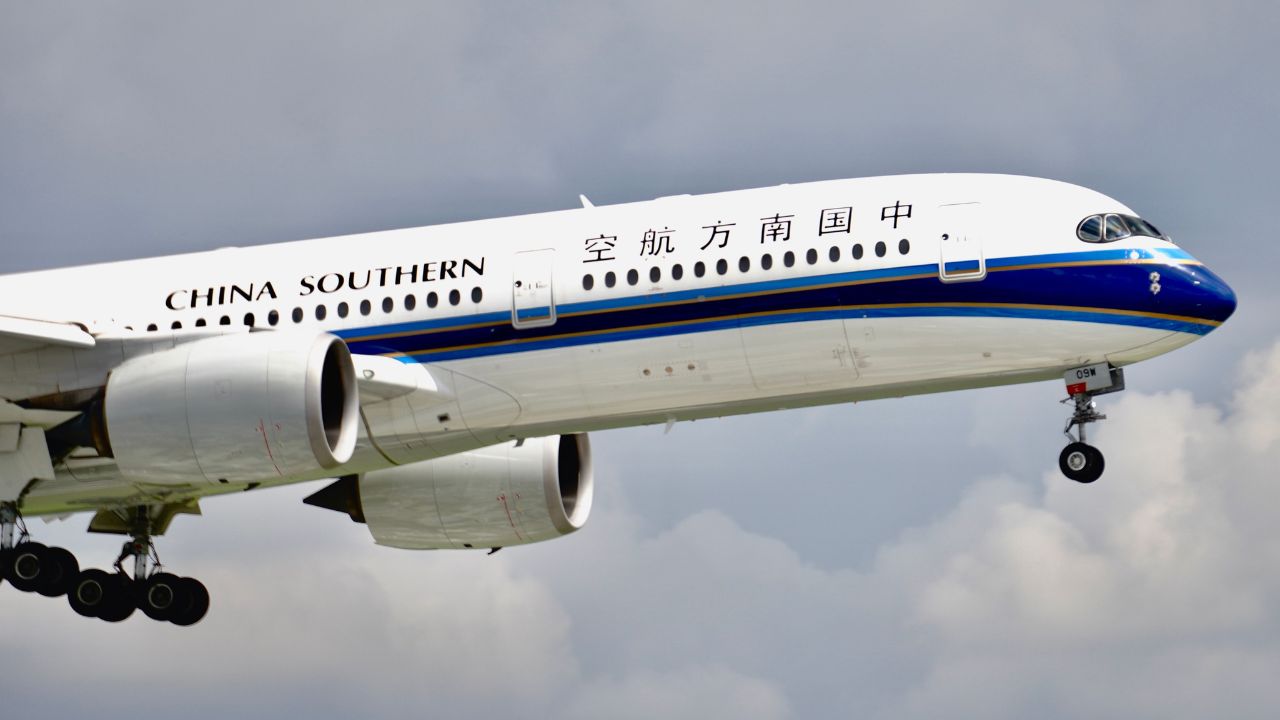
India and China have been taking steps towards restoring normal relations after years of tension following the 2020 border crisis. There have already been concrete developments — direct flights resumed in 2026 (Air India in February, IndiGo to Shanghai in March, China Eastern to Kolkata in April, and China Southern Delhi–Guangzhou from September 21), tourism facilitation measures, and pilgrimage access improvements.
The latest bilateral talks specifically highlighted business linkages, cultural exchanges and greater mobility. The Indian government has specifically highlighted the need for direct flights and visa facilitation to strengthen people-to-people ties. Both leaders stressed the importance of stronger business and people-to-people connections.
On paper, this looks like good news. And it is — a diplomatic signal at head-of-government level is the strongest possible political instruction to consular and administrative machinery to shift behavior.
There is also clear economic logic behind the change. Chinese companies want access to the Indian market. Indian manufacturers depend on Chinese supply chains. Both countries have enormous economic interests in each other — and both have an interest in increasing trade and investment. The relationship is no longer just about border tensions. A visa blockage that prevents Indian engineers from visiting Chinese factories and Chinese executives from visiting Indian partners is a commercial cost both sides are now motivated to reduce.
What This Does NOT Mean: The Implementation Gap
The China India business visa 2026 diplomatic progress requires an important qualification that Indian business travelers must hold clearly in mind.
A diplomatic meeting does not automatically mean that visa approvals will suddenly return to their old levels. The two countries may agree politically that travel and business should become easier — but the actual visa process still depends on implementation. And there is a significant gap between diplomatic intention and consular-level delivery.
The distinction matters practically:
“India and China want to facilitate business travel” — this is where we are now.
“Chinese business visas are now being routinely approved for Indian applicants” — this is where we need to be before Indian business travelers can confidently plan China visits.
We are not necessarily at the second stage yet.
The real test will play out over the coming weeks and months through observable indicators: whether processing becomes faster, whether rejection rates fall, whether repeat business travellers receive approvals more easily, and whether Indian executives and technical teams can once again travel to China without having to move meetings to Singapore, Thailand, or Hong Kong.
There is also a broader irony in the timing. Just weeks before the BRICS Summit, the story was that Indian businesses could not get Chinese visas. Now the story is that India and China want to rebuild business and people-to-people connections. If that diplomatic reset is genuine and continues, visa facilitation will have to become a very important part of it. You cannot realistically talk about deeper business ties while the people who need to conduct that business are struggling to enter each other’s countries.
What Indian Business Travelers Should Do Right Now
The China India business visa 2026 situation calls for cautious optimism rather than either alarm or assumption that the problem is solved.
Apply now, not later. If you have a genuine business reason to visit China in Q4 2026 or Q1 2027, apply for the M Visa through the Chinese Embassy in New Delhi or Consulates in Mumbai, Chennai, Kolkata, or Bengaluru immediately. Post-BRICS diplomatic momentum is the best processing environment in years — but it needs time to filter through to consular-level decisions. Applications submitted now benefit from the current improved bilateral climate rather than applications submitted before the BRICS meeting.
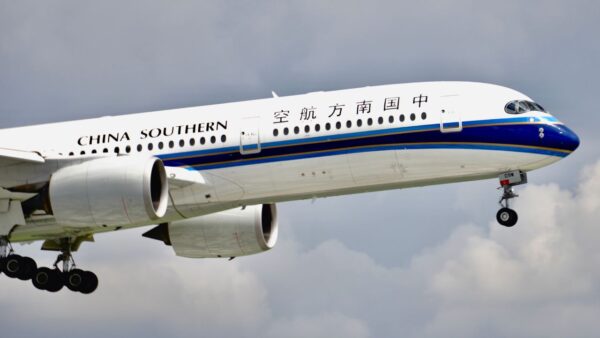
Use the new direct flights. China Southern’s Guangzhou–Delhi daily service from September 21 and Air India’s existing China routes provide the routing infrastructure. If visa approvals improve, the connectivity is ready.
Continue using Singapore and Bangkok as contingency hubs. Until the approval environment is verifiably improved — not just diplomatically indicated — having a Singapore or Bangkok venue available for China-India meetings remains commercially prudent. If the BRICS signal translates into genuine approval rate improvement over the next 30–60 days, the contingency becomes less necessary.
Document the invitation carefully. Chinese M Visa applications require an official invitation letter from the Chinese host company or institution. Ensure the invitation is on official letterhead, specifies the exact purpose of the visit, duration, accommodation arrangements, and the host’s business registration details. A strong invitation letter is the most controllable element of the application when consular discretion is the variable.
For confirmed flight reservations for your China visa application, a legitimate itinerary is available at flyinghelpline.com for ₹999. For travel insurance covering China business trips, SafetyWing Nomad Insurance provides comprehensive coverage at affordable daily rates for Indian travelers.
FAQs — China India Business Visa 2026
Q: Why have Indian business travelers been struggling to get Chinese visas in 2026?
Indian businesses have been complaining about increased scrutiny and unpredictable processing for Chinese business visas covering factory visits, supplier meetings, technical work, manufacturing discussions, and equipment-related projects. The approval rate decline intensified following the 2020 border crisis diplomatic freeze.
India raised the issue directly with Beijing — External Affairs Minister S. Jaishankar confirmed India was aware of the problem and had taken it up with China. Companies responded by moving meetings to Singapore, Thailand, Malaysia, and Hong Kong when Indian participants could not obtain Chinese visas.
Q: Does the Modi-Xi BRICS bilateral mean Chinese business visas will now be easier for Indians?
The BRICS Summit bilateral on September 12, 2026 is a positive diplomatic signal — both leaders stressed the importance of stronger business and people-to-people connections, and the talks specifically highlighted business linkages and greater mobility.
However, a diplomatic meeting does not automatically mean that visa approvals will suddenly return to their old levels. The actual visa process depends on implementation. The real test will be whether processing becomes faster, rejection rates fall, and Indian executives and technical teams can travel to China without moving meetings to third countries.
Q: Should Indian business travelers apply for Chinese visas now?
Yes — if you have a genuine business reason to visit China, apply now rather than waiting. The post-BRICS diplomatic momentum is the most favorable processing environment for Indian business visa applications in years. Apply through the Chinese Embassy in New Delhi or Consulates in Mumbai, Chennai, Kolkata, or Bengaluru with a strong invitation letter from your Chinese host company. Continue maintaining Singapore or Bangkok as contingency meeting venues until approval rates are verifiably improved rather than just diplomatically indicated.
Final Word
China India business visa 2026 — reduced approvals forcing meetings to Singapore and Thailand, Modi-Xi BRICS bilateral highlighting business linkages and greater mobility, EAM Jaishankar confirming India raised the issue with Beijing, China Southern Delhi–Guangzhou daily flights from September 21 adding connectivity — is a story that is moving in the right direction without yet having arrived.
The diplomatic signal from the BRICS Summit is the most positive development in India-China business travel in three years. Watch the implementation, not just the headlines. The real proof will be a visa approval, not a joint statement. Until approval rates demonstrably improve, consider this the beginning of a change — not confirmation that the change has arrived.
Also Read:
- China Southern Delhi Guangzhou 2026 — Daily Flights From September 21
- China Tourism Visa Free 2026 — 22.9M Arrivals, 240-Hour Transit
- India International Travel Cost 2026 — Rupee, Fares Planning Guide
Official Sources:
 China India Business Visa 2026: Modi-Xi BRICS Signal Is Positive — But Watch Implementation

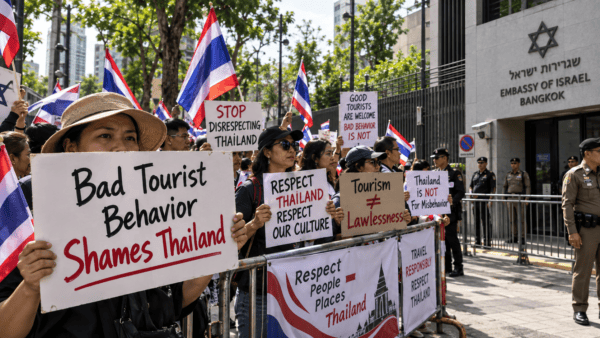
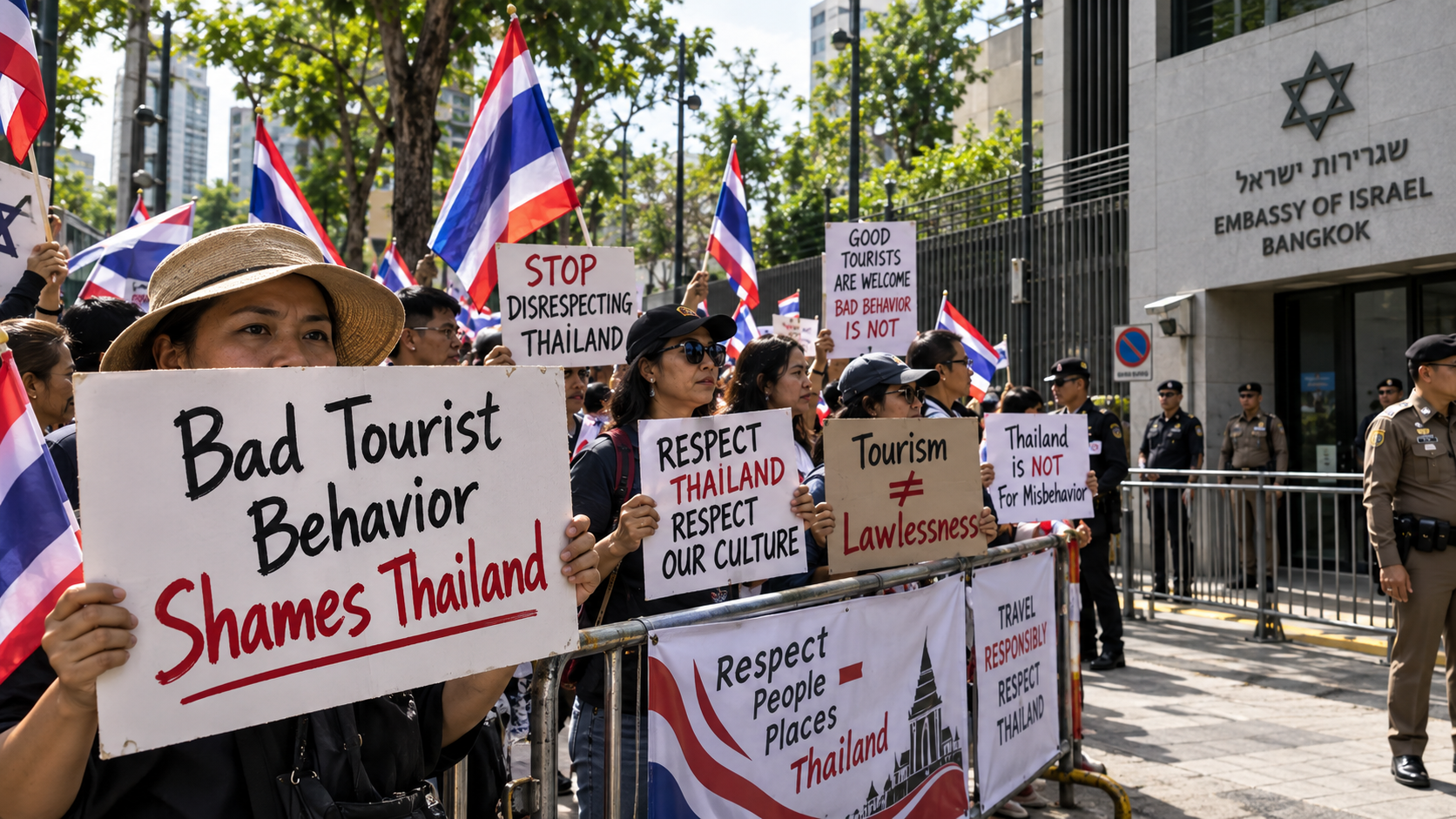
Thailand Tourist Behaviour Rules 2026: Bangkok Protest, First Deportation Order Active
China Southern Delhi Guangzhou 2026: Daily Flights Resume September 21 as Xi Meets Modi at BRICS
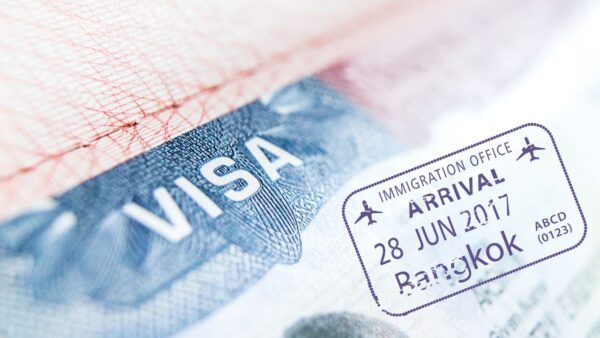
Thailand Visa Exemption Tourism 2026: No Work From September 15, Business Travelers Need Non-B Visa
China India Business Visa 2026: Modi-Xi BRICS Signal Is Positive — But Watch Implementation
Thailand Tourist Behaviour Rules 2026: Bangkok Protest, First Deportation Order Active
China Southern Delhi Guangzhou 2026: Daily Flights Resume September 21 as Xi Meets Modi at BRICS
Thailand Visa Exemption Tourism 2026: No Work From September 15, Business Travelers Need Non-B Visa

Aaseem Bhardwaj is a journalist, seasoned traveler and IT professional based in India. With firsthand travel experience across Southeast Asia, East Asia, Middle East and Europe, Aaseem founded Travel Man Today to provide reliable visa updates and travel news for Indian passport holders. He has personally traveled to Thailand, Vietnam, Malaysia, Japan, Singapore, Hong Kong, South Korea, UAE and Europe. Follow his travel vlogs on YouTube at @travelmantoday
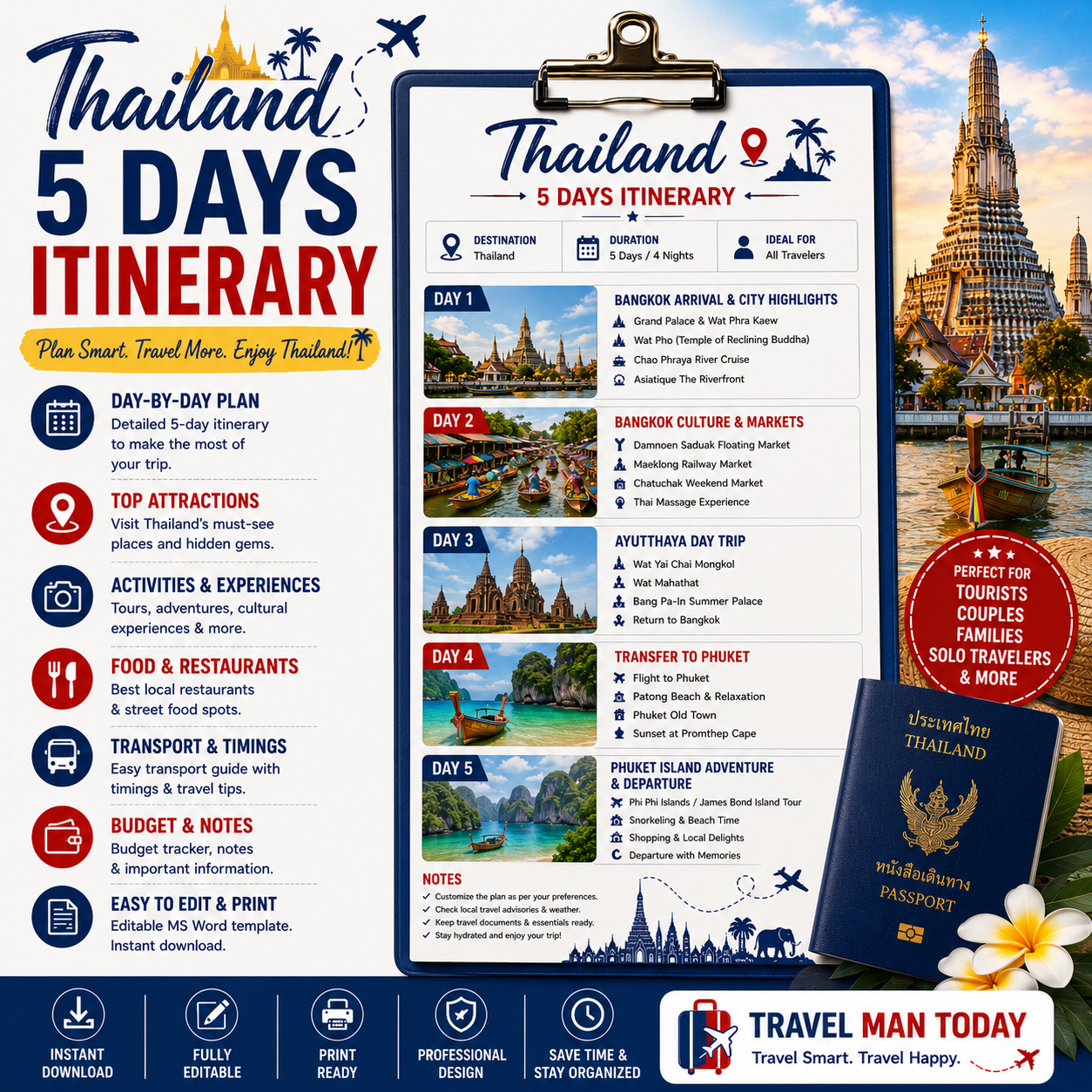




Templates for Indians