AirAsia Thailand 2026: Analysts Warn AAV Faces Risk From Malaysian Parent’s Fuel Crisis
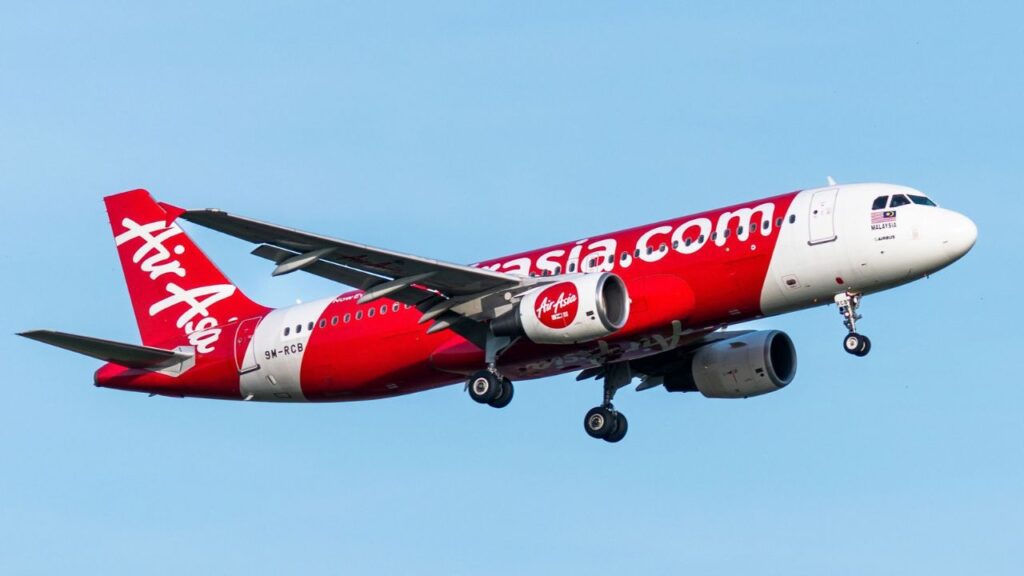
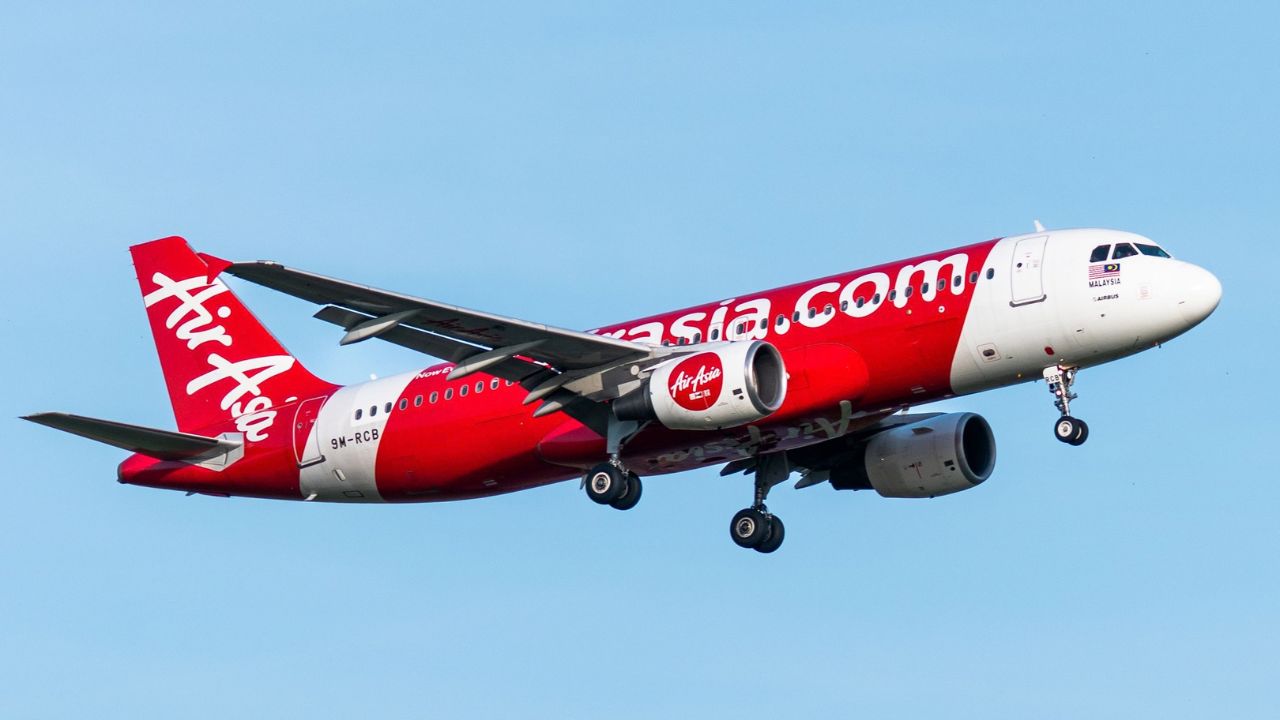
AirAsia Thailand 2026 — analysts on the Stock Exchange of Thailand express concern about Asia Aviation (AAV), the SET-listed entity operating Thai AirAsia, saying financial strains at Malaysian parent AirAsia Group — which posted a Q2 2026 net loss of RM527 million and whose fuel costs have nearly doubled since the Hormuz crisis — could affect AAV through intercompany receivables including ticket sales collected via the centralised AirAsia website.
Quick answer: Analysts are expressing concern about Asia Aviation (AAV) — the Stock Exchange of Thailand-listed entity that operates Thai AirAsia — saying financial strains at its Malaysian parent AirAsia Group could affect AAV’s operations. Key risk flagged: intercompany receivables, including ticket sales revenue collected through the AirAsia website. AirAsia Group posted a Q2 net loss of RM527 million, cut seat capacity 20–25%, suspended long-haul routes, and put its planned Bahrain hub on hold. The PN17 status that plagued AirAsia for years was only lifted in January 2026 — just weeks before the Hormuz fuel price spike.
AirAsia Thailand 2026 — specifically the SET-listed Asia Aviation (AAV) that operates Thai AirAsia — has become the subject of analyst concern after the parent AirAsia Group’s deepening financial difficulties raised questions about whether strains at the Malaysian holding company could flow through to the Thai operation. Fuel costs that have nearly doubled since March 2026 from approximately $90 to over $180 per barrel following the Straits of Hormuz crisis have produced a Q2 net loss at the group level of RM527 million, even as the underlying business generated positive EBITDA of RM442 million — the gap filled by foreign exchange losses on the ringgit, Thai baht, Indonesian rupiah, and Philippine peso against the US dollar.
The AirAsia Thailand 2026 analyst worry is specific and commercially precise — it is not a general concern about Thai AirAsia’s own operations, which continue with strong load factors. The concern is about intercompany financial linkages between the Thai operation and the Malaysian parent: ticket sales for Thai AirAsia flights that are collected through AirAsia’s centralised website and held at the parent level, and the question of whether financial pressure at the parent affects the timely flow of that revenue back to the Thai entity. This is a creditor-flow concern rather than an operational concern.
For Indian travelers who use Thai AirAsia for Bangkok connections and intra-Southeast Asia routing, the AirAsia Thailand 2026 situation calls for the same informed assessment we recommended after our earlier AirAsia fuel crisis coverage. See our AirAsia fuel crisis 2026 guide for the full parent-company financial context.
The Bangkok Post Angle: AAV and the Intercompany Risk
The AirAsia Thailand 2026 concern flagged by analysts on the Stock Exchange of Thailand is distinct from the group-level concerns we covered in our earlier article.
Asia Aviation (AAV), the SET-listed holding company that is the primary listed entity for Thai AirAsia operations in Thailand, operates independently on the Thai stock exchange and has its own listed financial performance separate from AirAsia Group in Malaysia. Thai AirAsia is one of Southeast Asia’s most established low-cost carriers — it was among the first AirAsia joint venture operations outside Malaysia and has operated for over two decades.
The analyst concern, as reported by Bangkok Post writer Nareerat Wiriyapong, centres on what analyst Parin described as “downside risks in a worst-case scenario” arising from intercompany receivables. Specifically, ticket sales revenue collected through the AirAsia website — AirAsia Group’s centralised online booking platform — and other joint collaborations could represent receivables that AAV is owed from the parent company. If AirAsia Group’s liquidity is constrained, the question is whether those intercompany payments flow to AAV on normal commercial terms or whether there is delay or disruption.
This is a common risk in airline group structures where a parent company operates centralised revenue collection on behalf of subsidiary operations. The risk is not hypothetical — it is a specific category of financial stress that has affected airline subsidiary relationships in previous industry downturns.
The Parent Company Context: What Happened at AirAsia Group
The AirAsia Thailand 2026 analyst concern is grounded in a specific sequence of events at the Malaysian parent that accelerated dramatically between January and September 2026.
AirAsia Group’s PN17 status — the Malaysian stock market regulator’s designation for financially distressed companies, applied during the COVID recovery years — was only lifted in January 2026. The timing was nearly simultaneous with the January 2026 emergence of the Straits of Hormuz crisis that has driven fuel prices from approximately $90 per barrel to over $180, with some spikes reaching $220 and above. AirAsia emerged from financial supervision just weeks before its fuel cost structure was hit by the most severe aviation fuel price shock since the 2008 oil crisis.
The Q2 2026 financial results confirmed the damage. AirAsia Group posted a net loss of RM527 million in the three months ended June 30, 2026, despite generating positive EBITDA of RM442 million. The gap — approximately RM970 million between EBITDA and net profit — was filled by foreign exchange losses from the depreciation of multiple Asian currencies against the US dollar, plus the direct fuel cost impact. The group also owes Malaysia Airports Holdings Berhad (MAHB), the country’s airport operator, at least RM500 million in unpaid airport charges — a receivable that MAHB has been closely monitoring.
The group’s response has been structured and decisive: cutting seat capacity 20–25% year-on-year in Q3, suspending underperforming long-haul routes, putting the proposed Bahrain hub on hold, and seeking $1 billion in international debt markets plus RM700 million in local credit facilities. The A220 order for up to 150 aircraft — announced earlier in 2026 as a growth signal — remains on the books but the growth trajectory it implied has been postponed by the fuel crisis.
What Thai AirAsia Is Actually Doing: Operations Update
The AirAsia Thailand 2026 operational picture is separate from the parent financial concerns — and it is important to distinguish the two for Indian travelers making booking decisions.
Thai AirAsia continues to operate its Bangkok-based network from Don Mueang Airport. The airline’s core domestic Thailand network — Bangkok to Chiang Mai, Phuket, Hat Yai, Khon Kaen, Udon Thani, and other Thai cities — is operating. International routes from Bangkok including Bangkok-Kuala Lumpur, Bangkok-Singapore, Bangkok-Bali, and Bangkok-Indian cities continue.
However, Thai AirAsia was one of the carriers that saw capacity reduction as part of the group-wide 20–25% seat cut in Q3 2026. The Bangkok-Seoul route was specifically confirmed as terminated — Thai AirAsia ended the 12-year-old Bangkok-Seoul service as part of the capacity rationalisation. This is the operational impact of the parent’s financial stress that is already visible in the Thai market.
Thai AirAsia also introduced flight-change and travel-credit options alongside Nok Air, Thai Lion Air, and Thai Vietjet for Bangkok flooding-affected passengers on September 26-28 — confirming it is still operationally active and responsive to extraordinary events.
The Broader Group Structure: Why AAV’s Risk Is Real
The AirAsia Thailand 2026 intercompany risk requires understanding how AirAsia Group’s businesses are structured across multiple countries.
AirAsia operates through joint venture entities in multiple countries — Malaysia (the parent), Thailand (AAV/Thai AirAsia), Indonesia (Indonesia AirAsia), Philippines (Philippines AirAsia), and Cambodia (Cambodia AirAsia). Each country operation is a separate entity, often with local partners and its own listed or unlisted shareholding structure. However, the group maintains centralised systems including the airasia.com booking platform, the BIG Loyalty programme, shared maintenance and procurement contracts, and group-level treasury functions.
When passengers book Thai AirAsia flights on airasia.com, the payment often flows through AirAsia Group’s centralised payment systems before being settled to the Thai entity. In normal operating conditions, this is simply an efficient treasury arrangement. Under financial stress at the parent level, the timing and reliability of those settlements becomes a risk that investors and analysts tracking the Thai-listed AAV entity would reasonably want to quantify.
The analyst’s specific reference to intercompany receivables “including ticket sales revenue collected through the AirAsia website and other joint collaborations” is therefore a technically precise concern about a real structural risk — not speculation.
What Indian Travelers Using Thai AirAsia Must Know
The AirAsia Thailand 2026 situation has specific practical implications for Indian travelers who use Thai AirAsia for Bangkok connections and intra-Southeast Asia routing from Bangkok.
Existing bookings on Thai AirAsia: Thai AirAsia is currently operating. The intercompany risk analysts are flagging is a financial structure concern, not a signal of imminent operational cessation. Flights are departing. The Bangkok flooding travel-credit offer from September 26 confirmed that commercial operations are active. However, the same guidance from our earlier AirAsia article applies: buy travel insurance with airline insolvency coverage for all bookings, and use a credit card rather than debit card for charge-back protection.
Bangkok-Seoul is no longer available on Thai AirAsia. This route was terminated as part of the capacity cuts. Indian travelers who used Thai AirAsia for a Bangkok-Seoul segment need to rebook on Korean Air, Asiana Airlines, Jeju Air, or T’way Air for the Bangkok-Seoul routing.
Intra-Thailand domestic connections: Thai AirAsia’s domestic Thailand network is core to the operation and the most commercially resilient segment. Indian travelers arriving in Bangkok and connecting domestically on Thai AirAsia to Chiang Mai or Phuket are on the most stable part of the Thai AirAsia network.
Monitor the $1 billion refinancing: The resolution timeline for AirAsia Group’s $1 billion international debt refinancing — expected by end 2026 or early 2027 — is the key indicator for the parent’s financial stabilisation. A successful refinancing reduces the intercompany risk significantly. Watch for announcements in October–November 2026.
For travel insurance covering Thai AirAsia flights including airline insolvency and trip disruption coverage, SafetyWing Nomad Insurance provides comprehensive coverage at affordable daily rates for Indian travelers.
FAQs — AirAsia Thailand 2026
Q: What is the specific analyst concern about Thai AirAsia (AAV) in September 2026?
Analysts on the Stock Exchange of Thailand are expressing concern that financial strains at AirAsia Group, the Malaysian parent of Thai AirAsia, could affect Asia Aviation (AAV) — the SET-listed entity operating Thai AirAsia. The specific risk identified is intercompany receivables, including ticket sales revenue collected through the centralised AirAsia website and other joint collaborations between the Thai and Malaysian entities. When passengers book Thai AirAsia flights on airasia.com, payment flows through AirAsia Group’s centralised systems — under financial pressure at the parent, the timing of those settlements to the Thai entity becomes a risk.
Q: What were AirAsia Group’s Q2 2026 financial results?
AirAsia Group posted a net loss of RM527 million in the three months ended June 30, 2026 (Q2), despite generating positive EBITDA of RM442 million. The difference was driven by foreign exchange losses from the depreciation of the ringgit, Thai baht, Indonesian rupiah, and Philippine peso against the US dollar, plus the direct impact of fuel costs that have nearly doubled from approximately $90 per barrel in January to over $180 since the Straits of Hormuz crisis. The group also owes Malaysia Airports Holdings Berhad at least RM500 million in airport charges.
Q: Is Thai AirAsia still operating in September 2026?
Yes. Thai AirAsia is currently operating its domestic Thailand network and core international routes from Bangkok’s Don Mueang Airport. The airline cut seat capacity 20–25% in Q3 2026 as part of the group-wide response to fuel costs, and terminated the Bangkok-Seoul route after 12 years. However, core domestic Thai routes and Bangkok-regional international routes continue. Thai AirAsia was also among the carriers offering flight-change options for passengers affected by Bangkok’s September 26-28 flooding — confirming active commercial operations.
Final Word
AirAsia Thailand 2026 — AAV (Asia Aviation, SET-listed Thai AirAsia operator) under analyst scrutiny for intercompany receivables risk from Malaysian parent AirAsia Group, parent Q2 net loss RM527M despite positive EBITDA RM442M, fuel doubled from $90 to $180+ since Hormuz crisis, PN17 only lifted January 2026, MAHB owed RM500M, seat capacity cut 20–25%, Bangkok-Seoul terminated, Bahrain hub on hold, $1B refinancing underway, Thai AirAsia still operating core network
— is a story that Indian travelers need to hold with both the operational reality (Thai AirAsia is flying) and the financial structure risk (the parent’s liquidity situation creates intercompany uncertainty) in clear view simultaneously. The flights are running. The risk is real. The resolution is the $1 billion refinancing. Watch that outcome before making large AirAsia bookings for early 2027.
Also Read:
- AirAsia Fuel Crisis 2026 — Costs +66%, Stock -70%, No Bailout
- Bangkok Flooding 2026 — Airports Open, All 50 Districts Hit
- Southeast Asia Budget Airlines 2026 — AirAsia Cuts 25% Q3
Official Sources:
- Bangkok Post — AirAsia Worries Markets Despite Reassurances
- AeroTime — Malaysia in Contingency Talks Over AirAsia Finance Concern
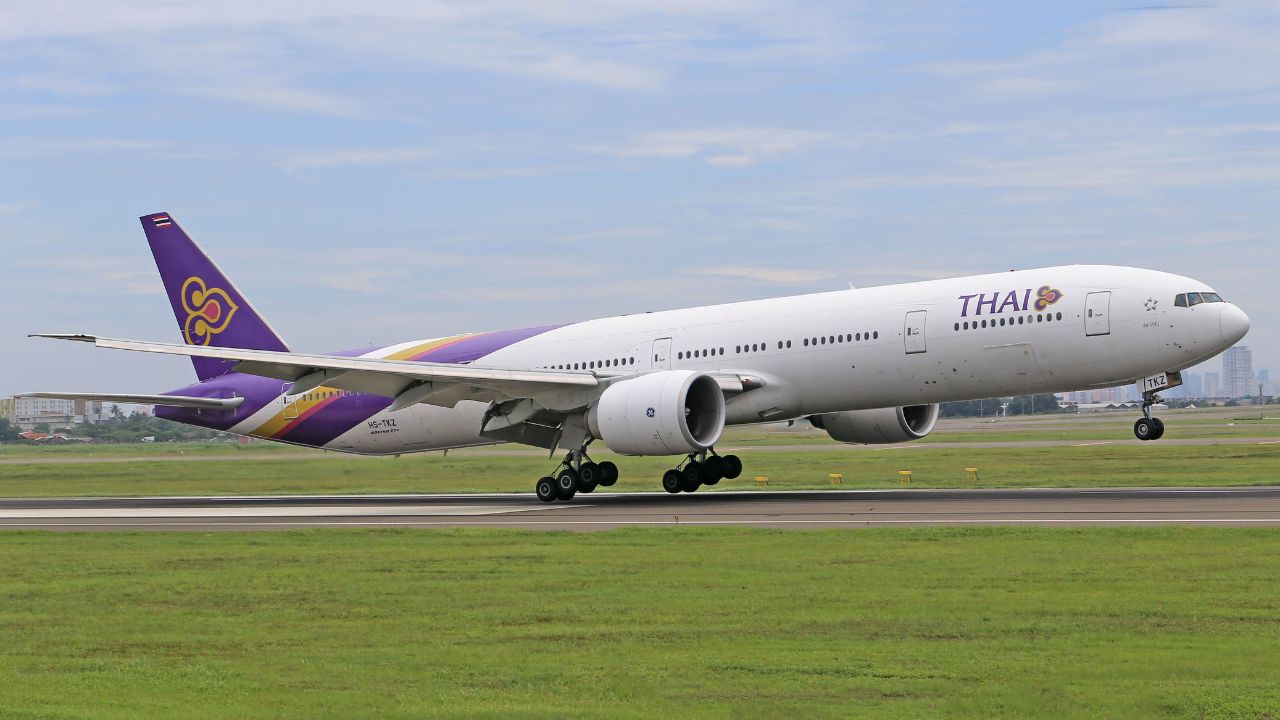
 Thai Airways Flood Waiver 2026: Free Date Change Sept 26–Oct 11, Same Route and Class
AirAsia Thailand 2026: Analysts Warn AAV Faces Risk From Malaysian Parent’s Fuel Crisis
Suvarnabhumi Baggage Delay 2026: Thai Airways Backlog Sept 26–27, Contact Numbers
Bangkok Flooding 2026: All 50 Districts Disaster Zones, Airports Still Operating

Thai Airways Flood Waiver 2026: Free Date Change Sept 26–Oct 11, Same Route and Class
AirAsia Thailand 2026: Analysts Warn AAV Faces Risk From Malaysian Parent’s Fuel Crisis
Suvarnabhumi Baggage Delay 2026: Thai Airways Backlog Sept 26–27, Contact Numbers
Bangkok Flooding 2026: All 50 Districts Disaster Zones, Airports Still Operating

Aaseem Bhardwaj is a journalist, seasoned traveler and IT professional based in India. With firsthand travel experience across Southeast Asia, East Asia, Middle East and Europe, Aaseem founded Travel Man Today to provide reliable visa updates and travel news for Indian passport holders. He has personally traveled to Thailand, Vietnam, Malaysia, Japan, Singapore, Hong Kong, South Korea, UAE and Europe. Follow his travel vlogs on YouTube at @travelmantoday





Templates for Indians