Singapore Haze 2026 Indians: PSI 192, Outdoor Tourism Down 30% — What to Know
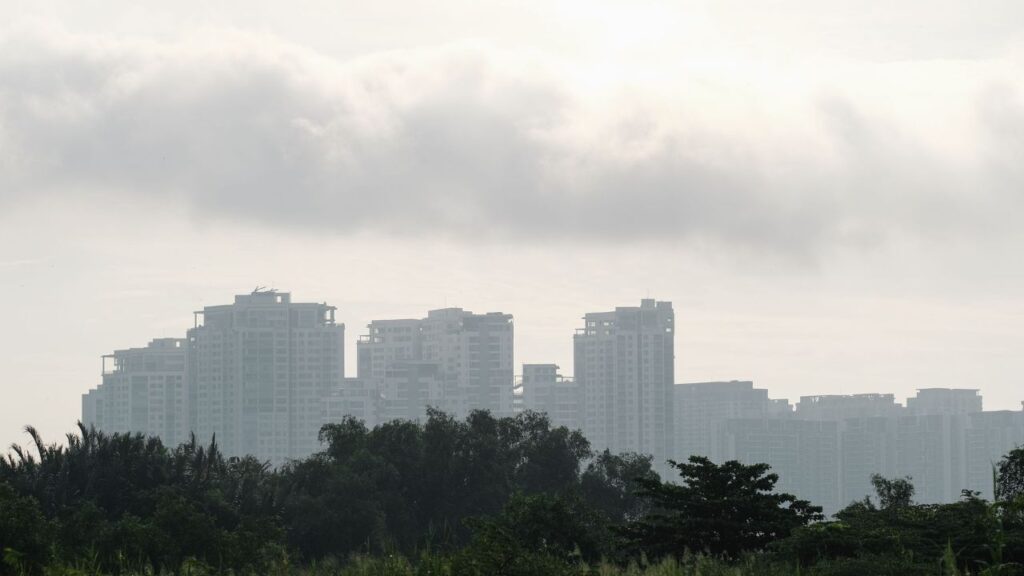
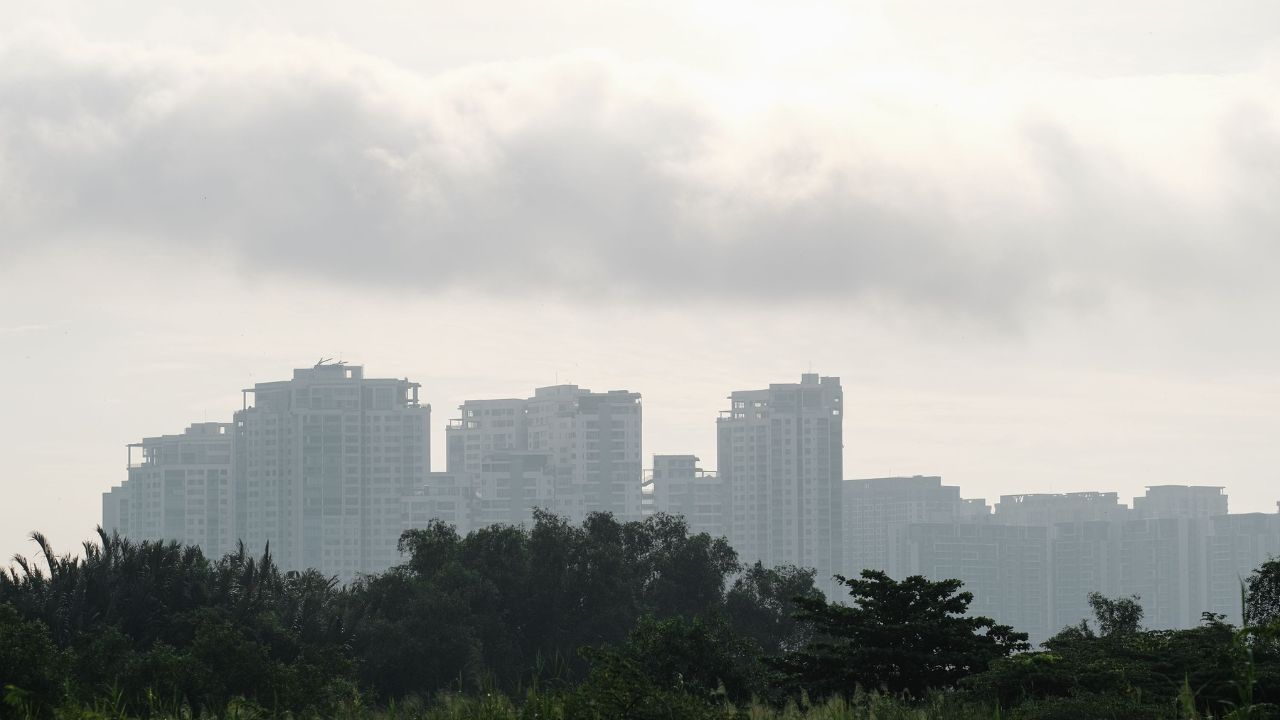
Singapore haze 2026 Indians — the Marina Bay skyline shrouded in haze as Singapore's National Environment Agency (NEA) records a 24-hour Pollutant Standards Index (PSI) of 192 in the central region on October 9, 2026 — the highest reading of the year and the first time PSI has reached unhealthy levels across all five Singapore regions since October 2023 — as persistent hotspots from Sumatra and Kalimantan in Indonesia, driven by El Niño and Indian Ocean Dipole conditions, send smoke haze toward Singapore via southeasterly winds, with outdoor tourism businesses reporting up to 30% drops in bookings.
Quick answer: Singapore is experiencing its worst haze since October 2023, driven by Indonesia’s most intense Sumatra and Kalimantan forest fires in over a decade. As of October 9-13, 2026, the 24-hour Pollutant Standards Index (PSI) hit 192 in central Singapore — in the unhealthy range (PSI 101-200) across all five regions. Outdoor tourism businesses report up to 30% drop in bookings. The Singapore F1 Grand Prix (October 9-11) proceeded with N95 masks available and contingency plans in place. NEA advice: reduce prolonged or strenuous outdoor activity; vulnerable groups (pregnant women, children, chronic lung/heart conditions) should minimise or avoid outdoor exposure. Monitor PSI at haze.gov.sg before outdoor plans. Singapore’s airports and indoor attractions remain fully operational.
Singapore haze 2026 Indians — the transboundary haze that has blanketed Singapore since early October is the country’s most significant air quality episode in three years, and it arrives at one of the worst possible times: during the Singapore Formula 1 Grand Prix weekend (October 9-11) and the peak Indian travel season to Southeast Asia. For Indian tourists visiting Singapore for the F1, for leisure travel, or simply transiting through Changi Airport to onward destinations, understanding the PSI scale, which activities are affected, and what the NEA’s health guidance actually means in practice is the difference between a good trip and a physically uncomfortable one.
The Singapore haze 2026 Indians context is also a travel planning signal for those with upcoming Singapore bookings in October and November. El Niño and the Indian Ocean Dipole — the two climate systems driving the intensified Indonesian fire season — typically peak between August and October. The regional watchdog SIIA had issued a rare Red haze alert earlier in 2026 flagging August and September as the riskiest months, with conditions now tracking into October. The Singapore government’s Haze Task Force is active, NEA is issuing daily advisories, and the situation is being monitored in real time. See our Singapore Indian tourists 2026 guide for the broader Singapore travel context.
What Is the Haze and Where Is It Coming From
The Singapore haze 2026 Indians situation originates entirely in Indonesia — not in Singapore itself.
Persistent hotspots producing dense smoke are burning across southern Sumatra and Kalimantan (Indonesian Borneo). The fires are described by Reuters as Indonesia’s most intense in over a decade — a consequence of El Niño-driven dry conditions and the Indian Ocean Dipole making the region unusually warm and arid. These fires produce smoke that is carried northwest by prevailing southeasterly winds directly over the Strait of Malacca and into Singapore.
Singapore itself does not produce the haze. The government monitors it, manages public health response, and engages diplomatically with Indonesia — but cannot control it. The NEA began issuing daily haze advisories from September 4, 2026. The PSI crossed into the unhealthy range across all five Singapore regions for the first time on October 7-8 — the first unhealthy readings since October 2023. By October 9, central Singapore recorded a 24-hour PSI of 186 at 2 PM — the highest 2026 reading — rising further to 192 in the central region by 6 PM, with 187 in the west, 167 in the south, 166 in the east, and 135 in the north.
PSI scale — what the numbers mean for Indian travelers:
| Singapore Haze 2026 Indians — PSI Health Guide | PSI Range | Category | NEA Advice |
|---|---|---|---|
| 0–50 | Good | No restriction on outdoor activity | |
| 51–100 | Moderate | No restriction for healthy adults | |
| 101–200 | Unhealthy | Reduce prolonged/strenuous outdoor activity | |
| 201–300 | Very Unhealthy | Minimise outdoor activity | |
| 301+ | Hazardous | Avoid all outdoor activity; wear N95 |
As of October 9, Singapore is firmly in the Unhealthy band across all regions. The NEA specifically advises that vulnerable groups — pregnant women, children, and people with chronic lung or heart conditions — should minimise or avoid outdoor activity at this level.
For healthy Indian adult travelers, the NEA guidance is to reduce prolonged or strenuous outdoor activity. A 2-hour walking tour of Gardens by the Bay in the morning haze is different from a 6-hour outdoor day at Sentosa — the latter is the kind of prolonged outdoor exposure the NEA advisory targets.
The Impact: 30% Drop in Outdoor Tourism Bookings
The Singapore haze 2026 Indians commercial impact is real and measurable. Channel NewsAsia’s reporting confirms outdoor tourism businesses are seeing up to 30% drops in bookings as visitors and locals adjust their plans.
The specific outdoor attractions and activities most affected by the current haze episode include:
Gardens by the Bay outdoor areas: The Supertree walkway, outdoor gardens, and Cloud Forest exterior become less appealing in haze conditions. The iconic Marina Bay skyline — a core visual experience for Indian tourists — is obscured by the haze. The indoor Flower Dome and Cloud Forest conservatories are fully air-conditioned and unaffected by outdoor air quality.
Singapore Flyer: The world’s largest observation wheel operates in open air — the haze-obscured views reduce the experience significantly. During PSI 371 episodes in past years, the Flyer suspended operations entirely. At current PSI 192, operations are continuing but the panoramic views are substantially impaired.
Marina Bay outdoor circuit (F1 GP, October 9-11): The Singapore GP went ahead. The FIA confirmed there were no plans to restrict the race but warned entertainment activities could face “some restrictions” if PSI worsened. The STB activated its Haze Task Force and made N95 masks available on-site. F1 team health was being monitored by the FIA.
DUCKtours and outdoor boat tours: The amphibious DUCKtours — a popular Indian tourist activity combining road and river — operate in open air. At PSI levels above 100, operators typically advise passengers to limit exposure time.
Sentosa outdoor activities: Universal Studios Singapore outdoor zones, Adventure Cove Waterpark, and outdoor beach areas at Sentosa Cove are affected. USS adjusted outdoor show formats during the haze period.
Outdoor dining: Restaurant managers reported customers specifically requesting indoor seating. Outdoor dining venues along Robertson Quay, Boat Quay, and Dempsey Hill are seeing reduced patronage.
What is NOT affected: Indoor shopping malls (Orchard Road, VivoCity, Marina Bay Sands mall), Changi Airport, MRT and public transport, Singapore Zoo (enclosed areas), the Jewel Changi forest waterfall (indoor), indoor F&B, hotels, museum and gallery visits, and indoor attractions all operate normally.
The Singapore F1 Grand Prix: What Happened
The Singapore haze 2026 Indians most high-profile casualty of the timing was the Singapore Airlines Singapore Grand Prix on October 9-11, which drew large numbers of Indian F1 fans and motorsport travelers.
The race proceeded as scheduled. The FIA confirmed that haze and poor air quality were not expected to threaten track activity or the staging of the F1 night race. The Marina Bay Street Circuit’s night race format — with cooler temperatures and the circuit’s own lighting — somewhat mitigated the outdoor exposure concerns.
The Singapore Tourism Board confirmed contingency plans for different PSI and PM2.5 levels, including keeping spectators informed of haze developments and making medical assistance and N95 masks available on-site. The STB was working with the Haze Task Force throughout the event.
For Indian F1 fans who attended: the experience was authentic, if slightly smoky. The haze reduced visibility across the bay and gave the race a distinctive atmospheric quality — not unlike evening fog. The race itself was not compromised by the air quality.
What Indian Travelers Must Do in Singapore During Haze
The Singapore haze 2026 Indians practical guide has six actions:
1 — Monitor PSI daily at haze.gov.sg before making plans. The NEA’s official haze portal at haze.gov.sg shows real-time PSI readings for all five Singapore regions and 24-hour projections. Check every morning before planning outdoor activities. The NEA Haze hotline is also available.
2 — Carry an N95 mask, not a surgical mask. Surgical masks (the thin blue ones) do not filter PM2.5 fine particles — the particles from haze that penetrate deepest into the lungs. N95 masks with a proper face seal provide meaningful PM2.5 protection. N95 masks are available at all Guardian and Watsons pharmacy stores across Singapore. Indian travelers with respiratory conditions, asthma, or heart conditions should carry N95 masks and use them for any outdoor exposure above PSI 100.
3 — Restructure your itinerary around indoor attractions. Singapore’s indoor attractions are world-class and fully air-conditioned — the ArtScience Museum, the National Museum of Singapore, Marina Bay Sands mall and observation deck (indoor), Jewel Changi Airport’s indoor HSBC Rain Vortex waterfall, the ION Sky observation deck, and Raffles Hotel interior. These are all excellent alternatives to outdoor touring during haze periods.
4 — Keep outdoor activities to morning windows. Haze typically concentrates more heavily in the afternoon when temperatures peak and atmospheric mixing is lowest. If you must do outdoor sightseeing, the 7-9 AM window is the lowest haze concentration period of the day.
5 — Hydrate and rest more than usual. PM2.5 exposure causes fatigue and headaches even in healthy adults at sub-hazardous levels. Indian travelers not accustomed to Southeast Asian heat-humidity-haze combinations should rest more, drink more water, and not push through discomfort.
6 — Changi Airport is not affected. Singapore Changi Airport is fully air-conditioned and operates normally regardless of outdoor PSI. Indian travelers transiting through Changi are not exposed to outdoor air. During past severe haze events, Changi increased time between take-offs and landings to account for reduced visibility — check your flight status for any delays, but no major disruptions are expected at current PSI levels.
For travel insurance covering Singapore trips including haze-related trip modifications, medical expenses from respiratory conditions, and indoor activity substitutions, SafetyWing Nomad Insurance provides comprehensive coverage at affordable daily rates for Indian travelers.
FAQs — Singapore Haze 2026 Indians
Q: How bad is the Singapore haze in October 2026 and should Indians visit?
The Singapore haze in October 2026 is the worst since October 2023, with PSI readings reaching 192 in the central region on October 9 — in the unhealthy range (PSI 101-200) across all five Singapore regions. The cause is Indonesia’s most intense Sumatra and Kalimantan forest fires in over a decade, carried by southeasterly winds. Outdoor tourism businesses report up to 30% booking drops. For healthy Indian adults, the NEA advises reducing prolonged or strenuous outdoor activity — short outdoor stops are fine, extended outdoor touring is not ideal. Vulnerable groups (pregnant women, children, chronic respiratory or heart conditions) should minimise outdoor exposure. Indoor Singapore — malls, museums, Changi Airport, hotel pools — is completely unaffected. Singapore remains a worthwhile visit; restructure outdoor plans around indoor alternatives and morning windows.
Q: Is Changi Airport affected by the Singapore haze?
Changi Airport is fully air-conditioned and continues normal operations during the haze period. Indoor terminals, transit areas, and the Jewel Changi complex are not affected by outdoor air quality. During past severe haze episodes, Changi increased spacing between take-offs and landings to account for reduced visibility — this can cause minor delays to flight schedules. At current PSI 192 levels, no significant operational disruptions are expected. Indian travelers transiting through Changi to other Southeast Asian, Australian, or European destinations can continue normal transit plans. Check your specific flight status for any delay notifications.
Q: What is the PSI scale and when should Indian travelers in Singapore wear an N95 mask?
The Pollutant Standards Index (PSI) is Singapore’s National Environment Agency’s air quality measurement. PSI 0-50 is Good (no restrictions). PSI 51-100 is Moderate (no restrictions for healthy adults). PSI 101-200 is Unhealthy — healthy adults should reduce prolonged or strenuous outdoor activity; vulnerable groups should minimise outdoor exposure. PSI 201-300 is Very Unhealthy — everyone should minimise outdoor activity. PSI above 300 is Hazardous — avoid all outdoor activity, wear N95. Indian travelers should wear N95 masks (not surgical masks — they don’t filter PM2.5) when PSI is above 150 and outdoor time exceeds 30 minutes, and for any outdoor exposure if they have respiratory conditions, heart conditions, or are accompanying children or pregnant travelers. Buy N95 masks at Guardian or Watsons pharmacies across Singapore.
Final Word
Singapore haze 2026 Indians — PSI 192 central region October 9 (highest 2026, first unhealthy PSI since October 2023), all five regions unhealthy range, source Sumatra and Kalimantan Indonesia forest fires most intense in over a decade, El Niño and Indian Ocean Dipole driving conditions, outdoor tourism businesses down up to 30% bookings, F1 Grand Prix October 9-11 proceeded with N95 masks on-site, NEA advises reducing prolonged outdoor activity (vulnerable groups minimise/avoid), haze.gov.sg for real-time PSI, N95 from Guardian/Watsons pharmacies, indoor Singapore completely unaffected (Changi, malls, museums, hotels), morning outdoor windows best, Singapore Flyer and outdoor attractions diminished experience but operating, Gardens by the Bay indoor conservatories unaffected
— requires Indian travelers to restructure outdoor itineraries around indoor alternatives and morning slots, carry N95 masks for outdoor exposure, and monitor PSI daily at haze.gov.sg before making any outdoor plans. Singapore is still worth visiting. The haze does not last forever. But for this week, take it indoors.
Also Read:
- Singapore Indian Tourists 2026 — 11.43 Million, India Ranks No.5
- Singapore Changi Airport Ranking 2026 — World’s Best 14th Time
- Vietnam E-Visa Indians 2026 — Complete Application Guide
Official Sources:
- Channel NewsAsia — Singapore Haze: Outdoor Tourism Businesses See Up to 30% Dip in Bookings
- Singapore NEA — Haze Information
 AirAsia Financial Crisis 2026 Indians: USD 1 Billion Funding Hunt, Malaysia Plans Route Backup
Thailand Tourist Fee 2026: 3 Airport Charges Indian Travelers Must Budget For
Singapore Haze 2026 Indians: PSI 192, Outdoor Tourism Down 30% — What to Know
Bangkok Rain Warning October 2026: Heavy Rain Returns Tuesday, Flood Risk Elevated
AirAsia Financial Crisis 2026 Indians: USD 1 Billion Funding Hunt, Malaysia Plans Route Backup
Thailand Tourist Fee 2026: 3 Airport Charges Indian Travelers Must Budget For
Singapore Haze 2026 Indians: PSI 192, Outdoor Tourism Down 30% — What to Know
Bangkok Rain Warning October 2026: Heavy Rain Returns Tuesday, Flood Risk Elevated

Aaseem Bhardwaj is a journalist, seasoned traveler and IT professional based in India. With firsthand travel experience across Southeast Asia, East Asia, Middle East and Europe, Aaseem founded Travel Man Today to provide reliable visa updates and travel news for Indian passport holders. He has personally traveled to Thailand, Vietnam, Malaysia, Japan, Singapore, Hong Kong, South Korea, UAE and Europe. Follow his travel vlogs on YouTube at @travelmantoday



Templates for Indians