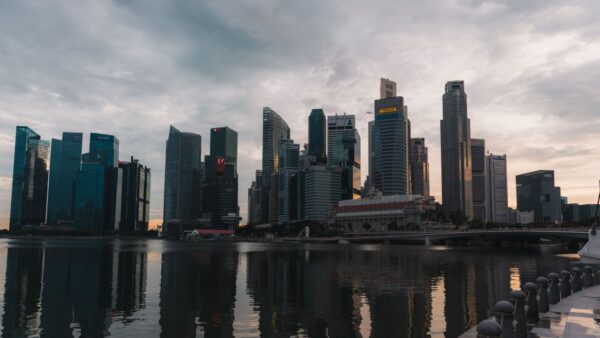
Thailand Tourism Strategy 2027: 5 Asian Markets Targeted, What It Means for Indians

Thailand’s Tourism Authority unveiled its 2027 tourism strategy on 23 October 2026, naming Singapore, Vietnam, Malaysia, Indonesia, and Taiwan as five priority Asian markets under the “Year of Transformation” plan targeting 6.2% revenue growth from the region.
Thailand tourism strategy 2027 targets Singapore, Vietnam, Malaysia, Indonesia, and Taiwan as its five priority Asian markets — aiming for 6.2% revenue growth from the region, with India not in the primary five but still among Thailand’s fastest-growing inbound sources.
Thailand’s tourism strategy 2027 takes a sharply focused approach to Asia: five markets, tailored campaigns, and a clear quality-over-quantity shift. The Commerce Ministry announced the strategy on 23 October 2026, bringing together the commerce, culture, tourism, and sports ministries under the leadership of Deputy PM and Commerce Minister Suphajee Suthumpun.
The Tourism Authority of Thailand (TAT) is targeting 4.3% growth in ASEAN visitor arrivals and 6.2% growth in tourism revenue from these regional markets in fiscal 2027 under the “Year of Transformation” plan. For Indian travellers, the fact that India is not named in the top five is less a concern than a context — Thailand already has strong India inbound momentum, and the five-market push is about converting high-spending neighbours into repeat visitors, not about pulling up the drawbridge on others.
Thailand Tourism Strategy 2027: The 5 Priority Asian Markets
The Thailand tourism strategy 2027 identifies five Asian markets, each with a distinct campaign angle targeting what those travellers already want from Thailand.
| Market | Campaign Focus |
|---|---|
| Singapore | High-spending travellers — luxury stays, quality experiences, seamless travel |
| Vietnam | Family travel and shopping |
| Malaysia | Food tourism, shopping, travel to secondary cities |
| Indonesia | Wellness and Muslim-friendly tourism |
| Taiwan | Culinary tourism, Thai food, “Go Thai Be Free” LGBTQ+ campaign |
The strategy also targets 6.2% revenue growth from these combined markets and a 4.3% increase in arrivals — with an emphasis on spending per visitor rather than raw headcount. Thailand’s broader 2027 plan is branded “The Year of Transformation,” signalling a deliberate shift from volume tourism toward high-value, meaningful travel experiences.
What This Thailand Tourism Strategy Means for Indian Travellers
India is not in Thailand’s five priority Asian markets for 2027. This deserves context, not alarm. India is already one of Thailand’s top 10 inbound markets, with strong growth in Indian arrivals since the 2022 travel resumption. The five-market focus reflects where TAT sees the highest revenue-per-visitor growth opportunity — Singapore travellers, for instance, already spend significantly more per trip than most other Asian visitor groups.
For Indian travellers, the Thailand tourism strategy 2027 still holds several relevant developments:
1 — Thailand is aggressively promoting secondary destinations. The 2027 plan pushes 19 emerging destinations and introduces signature branding for Chiang Rai, Ubon Ratchathani, Songkhla, Trat, and Samut Songkhram. Indian travellers who have already done Bangkok-Phuket-Chiang Mai have new, less-crowded alternatives being actively developed.
2 — Wellness tourism is a major push. The TAT’s “Healing is the New Luxury” wellness campaign aligns well with the Indian market, which has a strong interest in spa, yoga, and holistic travel experiences. While Indonesia is the primary Muslim wellness focus, the wellness positioning applies to all visitors.
3 — Thailand is building an event hub identity. The IMF-World Bank Annual Meetings in Bangkok (12–18 October 2026) are being leveraged to build Thailand’s profile as a “World Event Hub Destination.” International conferences, cultural festivals, and events are being used to attract high-value visitors — a growing segment among Indian business travellers.
4 — Community-based tourism expands to 55+ destinations. For Indian travellers seeking authentic Thai experiences beyond beach resorts and night markets, the 2027 plan’s 55+ community-based tourism destinations offer temple villages, artisan communities, and food trails that are distinctly off the Indian tourist radar right now.
Thailand Wellness and Cultural Tourism 2027: What’s New
The Thailand tourism strategy 2027 leans heavily on soft power and cultural authenticity — a shift from the budget-party-beach image Thailand has historically projected.
Wellness campaign — “Healing is the New Luxury”:
Thailand is positioning its spa, traditional Thai massage, herbal medicine, and retreat infrastructure as premium wellness offerings. Destinations like Koh Samui, Hua Hin, and Chiang Mai are anchor points. For Indian travellers from metros like Delhi, Mumbai, and Bengaluru where stress and pollution are daily realities, Thailand’s proximity (3–4 hour flights) and cost-effective luxury wellness packages make this a strong value proposition.
Cultural soft power programme:
TAT is promoting Nora dance drama, nang yai shadow puppetry, hun lakhon lek puppet theatre, khon masked dance, and a Thai silk fashion show featuring designers from over 100 countries. These are genuine high-culture experiences that go well beyond the standard Bangkok city tour and represent Thailand’s bid to attract the kind of traveller who visits Japan for cultural depth but finds Japan increasingly expensive.
Secondary city focus:
TAT is specifically building tourism packages to Pattaya, Hua Hin, and Nakhon Ratchasima to spread visitor flow beyond Bangkok and Phuket. Indian travellers who have been to Thailand multiple times will find 2027 a good year to explore these less-visited cities.
Practical Tips: Planning Thailand in 2027 Around the New Strategy
1 — Book secondary destinations early. As TAT’s push for Chiang Rai, Songkhla, and Trat gains traction, accommodation and tour availability in these smaller cities will tighten. 2027 is the year to get ahead of the curve.
2 — Look for wellness packages from Indian tour operators. As TAT pushes “Healing is the New Luxury,” Indian travel agencies will start building spa-and-wellness Thailand packages. These are better value when booked as packages than assembled independently.
3 — Carry Thai Baht — UPI does not work in Thailand. Thailand has its own QR payment system (PromptPay), which does not accept Indian UPI. Carry Baht exchanged in India (better rates) or use international Visa/Mastercard at Thai ATMs.
4 — Thailand visa-free for Indians remains 60 days. Despite the earlier news about a 30-day cap being debated, the current Thailand visa-free period for Indian passport holders is 60 days — check the latest status at the time of booking.
5 — Flights from Delhi, Mumbai, Chennai, Bengaluru, and Hyderabad to Bangkok are frequent and competitive. Air India, IndiGo, Thai Airways, Bangkok Airways, AirAsia, and Vistara all connect India and Thailand. Compare fares 60–90 days out for best prices.
FAQs — Thailand Tourism Strategy 2027
Q1: Why is India not in Thailand’s 5 priority Asian markets for 2027?
Thailand’s five priority Asian markets for 2027 — Singapore, Vietnam, Malaysia, Indonesia, and Taiwan — were selected based on revenue growth opportunity, proximity, and spending patterns. India remains one of Thailand’s top inbound markets and is included in Thailand’s broader tourism plans.
The five-market focus under the Thailand tourism strategy 2027 reflects where TAT sees the highest potential for revenue-per-visitor growth, particularly from Singapore’s high-spending travellers. Indian arrivals to Thailand are already strong and growing without needing a dedicated TAT priority campaign in 2027.
Q2: What does “Year of Transformation” mean for Thailand tourism in 2027?
The “Year of Transformation” is the TAT’s 2027 brand positioning, signalling a deliberate shift from mass tourism to high-value, meaningful travel.
The Thailand tourism strategy 2027 moves away from competing on price and volume toward premium experiences, wellness, cultural depth, community-based tourism, and secondary destination development. In practice, this means TAT will promote luxury wellness retreats, cultural heritage experiences, and less-visited cities alongside the standard Bangkok-Phuket circuit. For Indian travellers, it means more diverse Thailand itineraries becoming available through Indian tour operators as the year progresses.
Q3: What are Thailand’s new tourism targets for 2027 in the Asian market?
Under the Thailand tourism strategy 2027, TAT is targeting 4.3% growth in visitor arrivals from ASEAN and key Asian markets and 6.2% growth in tourism revenue from these markets in fiscal 2027.
The strategy focuses on five priority markets — Singapore, Vietnam, Malaysia, Indonesia, and Taiwan — with tailored campaigns for each. Singapore visitors are targeted for luxury and quality spending, Vietnam and Malaysia for family and food travel, Indonesia for Muslim-friendly wellness, and Taiwan for culinary tourism and LGBTQ+ travel. A separate TAT target of 33 million total foreign tourist arrivals to Thailand in 2026 sets the baseline the 2027 plan builds from.
Also Read
ASEAN India Shoppers in Thailand 2026: TAT’s Big Discount Campaign Explained for Indians
Thailand Long Stay Visa Indians 2026: DTV, LTR, Privilege and Retirement — Which One is Right for You?
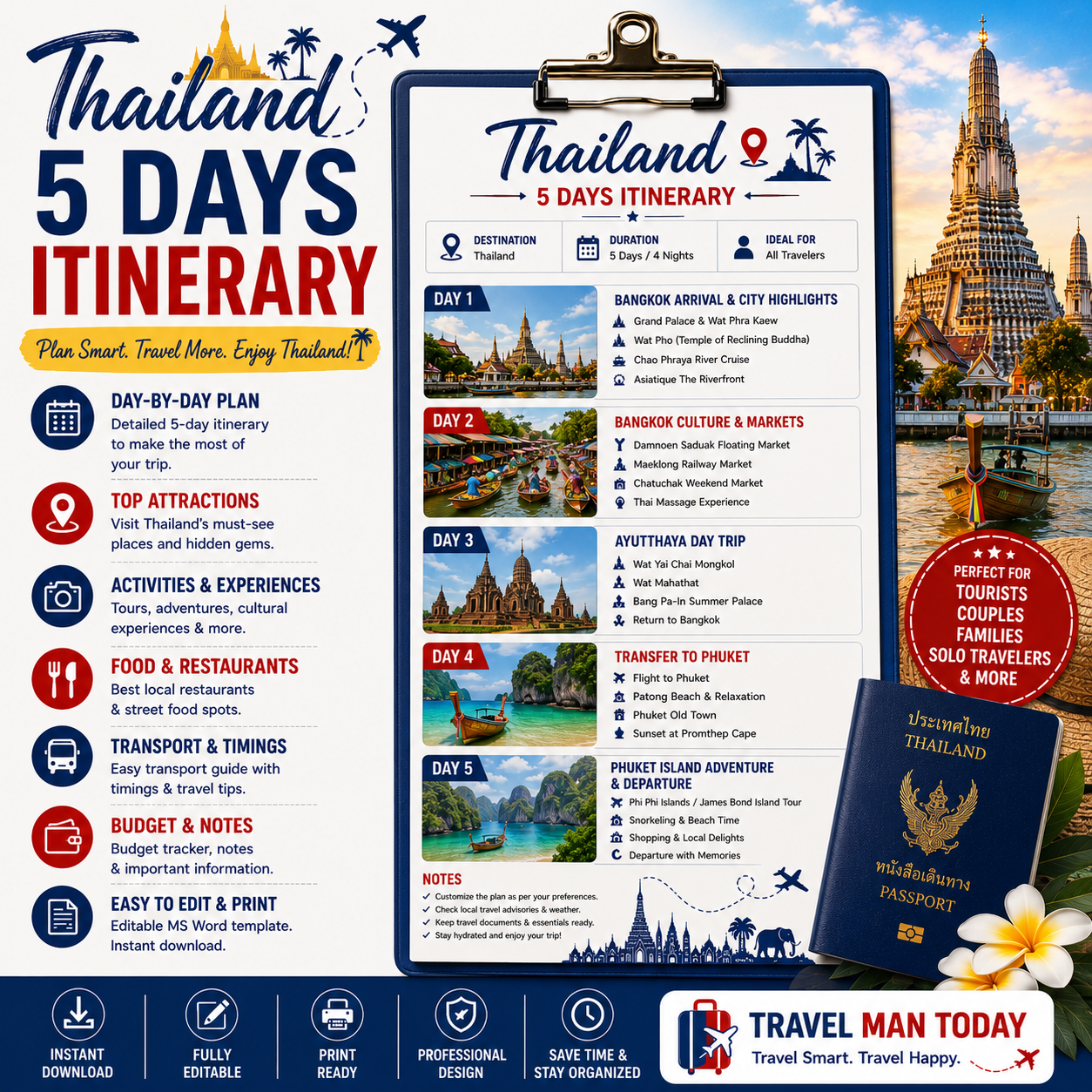
Thailand Itinerary Indians 5 Days: Bangkok, Ayutthaya, Chiang Mai — ₹31,250 Cost Breakdown
Official Source
Nation Thailand — Thailand Targets 5 Asian Markets, 6.2% Revenue Growth in 2027
Final Word
Thailand’s tourism strategy 2027 is a quality pivot that benefits every visitor, Indian included, even if India is not in the headline five markets. Fewer crowds at secondary destinations, better wellness infrastructure, a richer cultural programme, and a TAT that is actively trying to spread tourism income beyond Bangkok and Phuket — these are all wins for Indian travellers who are ready to explore Thailand beyond the usual circuit. The country is reinventing its tourism identity, and 2027 is a good year to see it happening firsthand.
 Thailand Tourism Strategy 2027: 5 Asian Markets Targeted, What It Means for Indians
Singapore Haze 2026: PSI 192 Peak, Health Warnings, and What Indian Tourists Must Know
Laos Cambodia Tourism 2026: “One Journey Three Destinations” Plan With Vietnam

Australia Visa Cancellation Rules 2026: Tougher Character Checks From 31 October
Thailand Tourism Strategy 2027: 5 Asian Markets Targeted, What It Means for Indians
Singapore Haze 2026: PSI 192 Peak, Health Warnings, and What Indian Tourists Must Know
Laos Cambodia Tourism 2026: “One Journey Three Destinations” Plan With Vietnam
Australia Visa Cancellation Rules 2026: Tougher Character Checks From 31 October

Aaseem Bhardwaj is a journalist, seasoned traveler and IT professional based in India. With firsthand travel experience across Southeast Asia, East Asia, Middle East and Europe, Aaseem founded Travel Man Today to provide reliable visa updates and travel news for Indian passport holders. He has personally traveled to Thailand, Vietnam, Malaysia, Japan, Singapore, Hong Kong, South Korea, UAE and Europe. Follow his travel vlogs on YouTube at @travelmantoday



Templates for Indians