Kinosaki Onsen Japan 2026: Rival Ryokan Share Data to Survive as Inbound Tourism Slumps
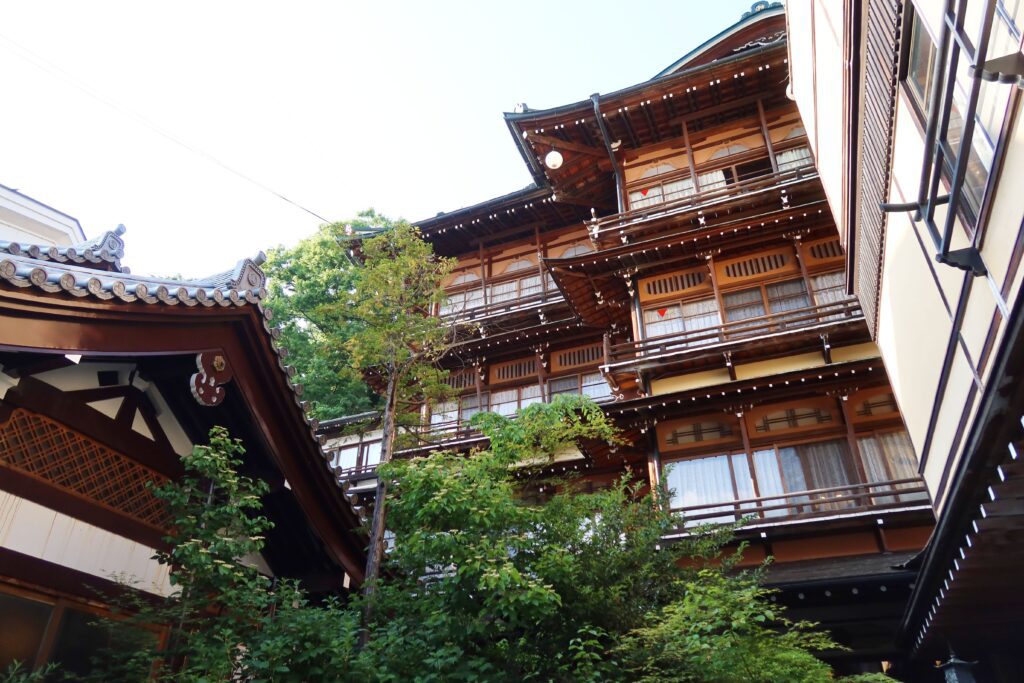
Kinosaki Onsen Japan 2026 — 30 rival ryokan inns at the 1,300-year-old hot spring resort in Toyooka, Hyogo Prefecture share booking data through a unified DX system, producing a tripling of operating profit at Seri ryokan and an experimental summer cold bath initiative from August 1.
Kinosaki Onsen Japan 2026 is running one of the most unusual experiments in modern hospitality — rival ryokan inns at the 1,300-year-old hot spring resort in Toyooka, Hyogo Prefecture are sharing their booking data, customer demographics, and market trend information with each other and with the local city government in a collective bid for survival that would have been unthinkable in traditional Japanese business culture.
Toyooka Tourism Innovation (TTI), a destination management organisation, acted as an intermediary in extensive talks with ryokan operators to create the system architecture. A setup for withdrawing individual ryokan’s source data has been worked out — operators supply their own data into the unified system, which then produces aggregated outputs that reveal trends rather than individual competitive positions.
The arrangement at Kinosaki Onsen Japan 2026 — where once heavily guarded commercial secrets are now shared as public goods for community benefit — is being managed through a “Toyooka Tourism DX Promotion Council” that includes both the municipal government and the local ryokan association. DX is short for digital transformation, and the council’s June 17 meeting at a tourism centre near JR Kinosaki Onsen Station was the latest in an ongoing series of data-sharing sessions that have transformed how this ancient resort manages itself.
How the Data Sharing Works: Averages, Not Secrets
The Kinosaki Onsen Japan 2026 data sharing system is designed around a specific privacy protection mechanism that makes participation commercially safe for individual ryokan operators.
Sales figures and bookings for individual ryokan are not displayed on the system. Instead, it shows only mean values that have been averaged over at least five ryokan inns. This means no individual operator can see exactly what a competitor is doing — but all operators can see the aggregate trend across the group.
Data shared at the June 17 meeting included accommodation bookings for the summer holidays and the Silver Week holiday season of September, the places of residence of those who made reservations, and year-on-year changes in the numbers.
The council was set up in 2022 and started data sharing in earnest — with discussions beginning around 2019, prompted by the Nisei Kai, a group of young second-generation ryokan managers who recognised that experience and intuition alone were insufficient in an increasingly data-driven hospitality market.
The Summer Inbound Problem: Why Data Sharing Matters Now
The immediate commercial challenge that the Kinosaki Onsen Japan 2026 data system revealed at the June 17 meeting was a deepening summer inbound tourism slump.
“We have always had few visitors from overseas in July and August, but the situation has worsened because of the spreading rumour that you feel too hot at an onsen resort in summer,” said Kyosuke Serizawa, a 27-year-old member of the Nisei Kai and senior managing director with ryokan Seri.
The summer onsen heat perception problem is a genuine behavioural barrier. Onsen — traditional Japanese hot spring baths — are deeply associated with cool-weather relaxation in Japanese domestic tourism culture, and that association has travelled into international perception. The assumption that soaking in a hot spring in 35°C August humidity is uncomfortable has suppressed inbound interest in ryokan destinations during what should be a peak travel season.
Serizawa presented a planned experimental measure for attracting more summertime visitors by making the resort area slightly less hot. The measure includes lowering onsen water temperatures by about 2 degrees and offering cold baths in small tubs at certain bathhouses over a one-week period from August 1. The plan, conceived by young ryokan managers around April, faced no major objection and was approved for implementation.
“The availability of data has made it easier for problems to be shared and for novel measures to gain understanding,” Serizawa said. Without the shared data system — which showed a clear quantitative picture of the summer inbound slump — a proposal this commercially unusual would have been much harder to build consensus around.
COVID and the Data Revolution: Why Ryokan Changed
The Kinosaki Onsen Japan 2026 data cooperation would likely not exist without the COVID-19 pandemic — which acted as the crisis catalyst that broke down traditional business secrecy in this community.
When the pandemic hit in 2020, all ryokan at Kinosaki Onsen closed for about a month in spring 2020. When they reopened, ryokan managers racked their brains over how to price their accommodations in an environment of collapsed demand, suppressed inbound tourism, and unpredictable recovery patterns.
“In view of the unpredictable situation, there were limits to what we could do with experience and intuition alone,” said Hiroyuki Takamiya, head of the DX promotion council. “More people came to realise the need for data-based decision-making.”
The pandemic removed the competitive confidence that had made data secrecy feel worthwhile. When all operators are struggling simultaneously, the individual advantage of keeping booking data private shrinks relative to the collective advantage of understanding market trends together. Post-pandemic cooperation emerged from shared vulnerability.
The Results: One Ryokan’s Numbers Tell the Story
The commercial results from the Kinosaki Onsen Japan 2026 data sharing system are, by any measure, remarkable.
Seri ryokan — one of the early participants in the sharing system — has seen sales for the term that ended in June rise about 10 percent from pre-pandemic levels. More strikingly, operating profit has approximately tripled since joining the data sharing system.
Using predictions of periods of low bookings through the system, Seri increased its number of annual days off from about 15 to about 90. That has helped achieve the double goals of reducing the workload on employees and improving profits.
The tripling of operating profit while tripling days off is the most compelling single data point in the Kinosaki Onsen story. It demonstrates that data-driven capacity management — knowing in advance when bookings will be low, and choosing to close rather than operate at a loss — is more commercially effective than the traditional approach of staying open year-round and hoping for walk-in demand.
This is the model’s core commercial insight: by sharing data that shows when demand will be low across the community, individual ryokan can make rational decisions about when to close, staff down, and rest — rather than burning operational costs on low-occupancy periods. The benefit is industry-wide but the commercial gain is individual.
| Kinosaki Onsen Japan 2026 — DX Data Sharing Model | Details |
|---|---|
| Resort age | 1,300 years — Toyooka, Hyogo Prefecture |
| Data sharing launched | 2022 (discussions from 2019) |
| Participating operators | Approximately 30 ryokan inns |
| Council name | Toyooka Tourism DX Promotion Council |
| DMO intermediary | Toyooka Tourism Innovation (TTI) |
| Data privacy protection | Averages of minimum 5 ryokan — no individual data visible |
| Data shared | Bookings, guest demographics, origin, year-on-year trends |
| Seri ryokan sales result | +10% above pre-pandemic |
| Seri operating profit | ~3x increase |
| Annual days off at Seri | Increased from 15 to 90 |
| Summer initiative | Onsen temperature -2°C, cold baths August 1 trial |
| Future plan | AI analysis of accumulated data for individual strategy optimisation |
The Future: AI and Expansion Beyond Kinosaki
The Kinosaki Onsen Japan 2026 data sharing model is explicitly designed to grow — both geographically and technologically.
Toyooka city government and TTI officials said they hope to spread the sharing practice outside Kinosaki Onsen to other tourist resorts in the Toyooka area and beyond.
They are also weighing the option of using an artificial intelligence system to analyse the accumulated data and propose optimal sales strategies for individual ryokan. As the dataset grows — more operators, more seasons, more demographic detail — the predictive value of AI analysis increases. A system that currently shows aggregate booking trends could evolve into one that suggests specific pricing actions, promotional timing, and capacity decisions for individual operators based on the pattern library the dataset contains.
Kinosaki Onsen’s data-sharing attempt could draw attention as a model of community management to help tourist resorts cope with depopulation and labour shortages — two structural challenges facing virtually every rural Japanese tourism destination. A ryokan that can extend its days off from 15 to 90 while growing profits is also a ryokan that can attract and retain employees in a market where hospitality labour is increasingly scarce.

What Indian Travelers Need to Know About Kinosaki Onsen
The Kinosaki Onsen Japan 2026 DX story is a fascinating management case — but Kinosaki Onsen is also one of the most rewarding Japan ryokan destinations that Indian travelers rarely include in standard Japan itineraries.
Kinosaki Onsen is accessible from Kyoto by the Kinosaki Limited Express — approximately 2 hours 20 minutes — making it a feasible day trip or one-night extension from the Kyoto-Osaka-Nara cultural circuit that most Indian visitors follow.
The resort is built around seven public bathhouses — the Sotoyu — which are the core of the Kinosaki experience. Guests staying at any Kinosaki ryokan receive a yukata (light cotton kimono) and wooden geta sandals to wear as they walk between bathhouses through the willow-lined canal streets. The experience of walking through a traditional Japanese street in yukata at dusk, moving between hot springs, is unlike anything available in major Japanese cities.
For Indian travelers, the food at a Kinosaki ryokan kaiseki dinner is extraordinary — Hyogo Prefecture produces Tajima beef (the parent breed of Kobe beef), Matsuba crab in winter, and exceptional seasonal seafood. Vegetarian ryokan meals can generally be arranged with advance notice — inform the ryokan directly when booking.
Japan requires a visa for Indian passport holders. Apply through the Embassy of Japan in New Delhi or Consulates in Mumbai, Chennai, Kolkata, or Bengaluru. For confirmed flight reservations needed for your Japan visa application, a legitimate booking is available at flyinghelpline.com/flight-reservation/ for just ₹999. For travel insurance covering Japan ryokan trips including weather and health coverage, SafetyWing Nomad Insurance provides comprehensive coverage at affordable daily rates for Indian travelers.
FAQs — Kinosaki Onsen Japan 2026
Q: What is the Kinosaki Onsen data sharing initiative and how does it work?
Rival ryokan inns at Kinosaki Onsen in Toyooka, Hyogo Prefecture are sharing their booking data, customer demographics, and market trend information through a unified system administered by the Toyooka Tourism DX Promotion Council, which includes the city government and the local ryokan association. Sales figures and bookings for individual ryokan are not displayed on the system — it shows only mean values averaged over at least five ryokan inns, protecting individual operators’ competitive positions. The council was set up in 2022 and approximately 30 ryokan inns currently participate.
Q: What commercial results has the Kinosaki Onsen data sharing produced?
Seri ryokan — one of the early participants — has seen sales for the term ending June rise about 10 percent from pre-pandemic levels, while operating profit has approximately tripled. Using predictions of low booking periods through the shared system, Seri increased its annual days off from about 15 to about 90, achieving both employee workload reduction and profit improvement simultaneously. The model demonstrates that data-driven capacity management — closing during predicted low-demand periods rather than operating at a loss — can significantly improve individual ryokan profitability.
Q: How can Indian travelers visit Kinosaki Onsen from Kyoto?
Kinosaki Onsen is accessible from Kyoto by the Kinosaki Limited Express train — approximately 2 hours 20 minutes — making it a feasible overnight ryokan extension from the Kyoto-Osaka-Nara circuit that most Indian visitors follow. Guests staying at Kinosaki ryokan receive yukata and geta sandals to walk between the seven public bathhouses through the willow-lined canal streets. Kaiseki dinner at a Kinosaki ryokan typically features Tajima beef, seasonal seafood, and Hyogo Prefecture specialties — vegetarian kaiseki can be arranged with advance notice when booking.
Final Word
The Kinosaki Onsen Japan 2026 DX data sharing story is simultaneously a hospitality management innovation case, a Japan rural survival model, and a reminder that a 1,300-year-old hot spring resort can still pioneer something genuinely new. By treating competitor booking data as a community public good rather than a guarded secret, 30 ryokan inns have given themselves a collective intelligence about their market that none of them could access individually.
The summer onsen heat initiative — lower the water by 2 degrees, add cold baths, challenge the perception that makes inbound travelers avoid Japan ryokan in August — is precisely the kind of evidence-based innovation that only emerges when data is shared rather than siloed.
For Indian travelers with a Japan trip planned, Kinosaki Onsen is worth the 2.5-hour train ride from Kyoto. It is the Japan that Instagram cannot capture — the click of geta on old stone, the steam rising from a canal-side bathhouse at dusk, and a kaiseki meal that took months of local sourcing to assemble.
Also Read:
- Japan Haneda Airport Rules — 30-Min Bag Deadline September 1
- ANA Japan Flights India 2026 — Hello Blue Sale Delhi from ₹40K
- Japan Visa Cover Letter Indians — Complete Guide 2026
Official Sources:
- Asahi Shimbun English — Kinosaki Onsen Ryokan Data Sharing Initiative
- Toyooka Tourism Innovation (TTI)
 Thailand Baggage Screening 2026: Checked Bags Can Be Opened Without You From October 16
Thailand THIM App 2026: One Platform for TDAC, Visa Extension, 90-Day Report and Discounts

US Visa Wait Times Indians 2026: B1/B2 Up to 12 Months — All 5 Consulates Compared

Austria Working Holiday Visa Indians: 18-30, 12 Months, No Job Offer, €195 — Complete Guide

Thailand Baggage Screening 2026: Checked Bags Can Be Opened Without You From October 16
Thailand THIM App 2026: One Platform for TDAC, Visa Extension, 90-Day Report and Discounts
US Visa Wait Times Indians 2026: B1/B2 Up to 12 Months — All 5 Consulates Compared
Austria Working Holiday Visa Indians: 18-30, 12 Months, No Job Offer, €195 — Complete Guide

Aaseem Bhardwaj is a journalist, seasoned traveler and IT professional based in India. With firsthand travel experience across Southeast Asia, East Asia, Middle East and Europe, Aaseem founded Travel Man Today to provide reliable visa updates and travel news for Indian passport holders. He has personally traveled to Thailand, Vietnam, Malaysia, Japan, Singapore, Hong Kong, South Korea, UAE and Europe. Follow his travel vlogs on YouTube at @travelmantoday



Templates for Indians


1 thought on “Kinosaki Onsen Japan 2026: Rival Ryokan Share Data to Survive as Inbound Tourism Slumps”