Narita Airport Flood 2026: 7,000 Stranded, 8 Dead After Record 360mm Chiba Rainfall
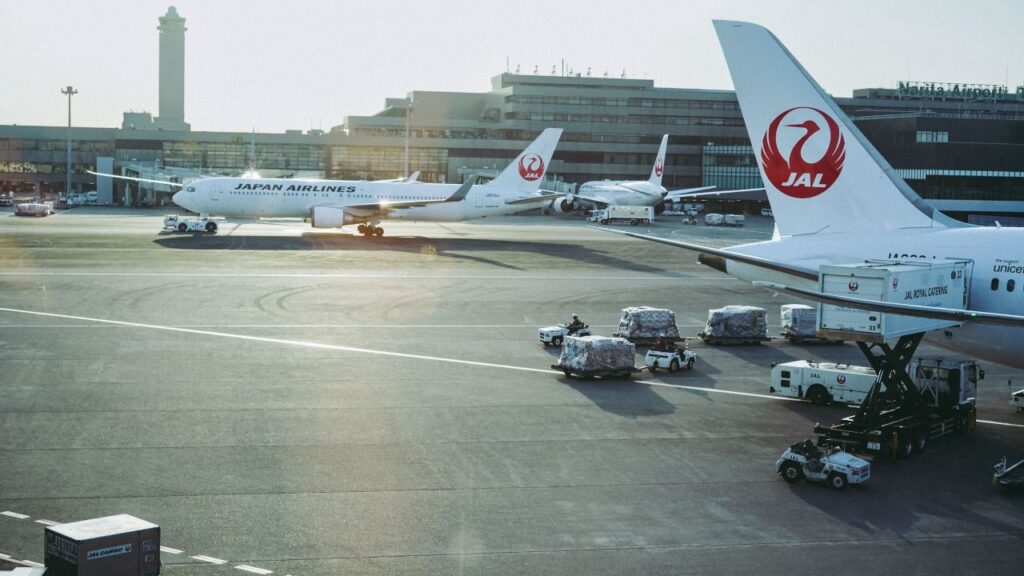
Narita airport flood 2026 — approximately 7,000 travelers stranded at Narita International Airport on August 14 after record 360mm rainfall in 24 hours flooded Chiba Prefecture roads, railways, and power infrastructure, killing eight people and knocking out power to 20,000 homes.
Narita airport flood 2026 struck on August 14 — record rainfall in Japan stranded thousands of travellers at Tokyo’s Narita airport, bringing floods to the surrounding area that disrupted transport, knocked out power to 20,000 homes and killed eight. During one of Japan’s busiest holiday weeks, more than 360 millimetres of rain fell in 24 hours in parts of the Chiba area adjoining Tokyo, inundating roads and railways, with soldiers sent to help with rescue efforts.
The Narita airport flood 2026 event — approximately 7,000 travelers stranded overnight, hundreds sleeping on terminal floors, blankets and water distributed by airport staff, and all rail connections suspended between Narita and Tokyo — is one of the most significant weather-related airport disruptions Japan has experienced in recent memory, occurring during the peak of Japan’s summer Obon holiday week when Narita handles some of its highest annual passenger volumes.
What Happened: 360mm in 24 Hours, Eight Dead, 20,000 Homes Without Power
The Narita airport flood 2026 was caused by an extreme rainfall event — not a typhoon, but a stationary rain band that dumped an exceptional volume of water over Chiba Prefecture in a compressed time window.
More than 360 mm of rain fell in 24 hours in parts of the Chiba area adjoining Tokyo, inundating roads and railways, with soldiers sent to help with rescue efforts. The eight dead included one person trapped in a submerged vehicle. One additional person remained missing.
“This case was an extremely unusual situation,” Chiba Governor Toshihito Kumagai told reporters. “I have responded to many disasters in the past, but I have never experienced a case like this.”
360mm in 24 hours is an extraordinary rainfall figure for Chiba Prefecture. For context — Chiba’s average August monthly rainfall is approximately 130mm. Thursday’s event delivered nearly three times the monthly average in a single day, at intensities the drainage infrastructure and transport networks were not designed to handle.
More than 20,000 homes were without power in the early hours of Friday, after rain flooded a power substation. Gas supply to nearly 13,000 homes was also temporarily cut. Soldiers were dispatched to the area for rescue operations.
The Airport Experience: 7,000 Stranded, Sleeping on Terminal Floors
The Narita airport flood 2026 stranding was not caused by flight cancellations — the airport itself continued operating, with most flights expected to run normally. The stranding was caused by the complete loss of surface transport between Narita Airport and central Tokyo.
At Narita, airport staff distributed sleeping bags, water and snacks to hundreds of passengers, many of whom had bedded down on Thursday after transport disruptions stranded about 7,000 people, causing widespread chaos.
Overnight, hundreds of passengers queued to collect blankets, water bottles and snacks from airport staff before bedding down across the terminal building, footage on public broadcaster NHK showed.
“I queued for a taxi, but the wait was four hours,” said Minoru Yamasaki, a 48-year-old Chiba resident returning from holiday, who had booked a hotel only to be told it could not put him up. With nowhere else to go, he returned to the airport.
The four-hour taxi wait is the operational detail that explains why 7,000 people remained in the airport rather than finding alternative accommodation. Every exit route — trains, express buses, taxis, and private vehicles — was either flooded, suspended, or overwhelmed simultaneously. The Narita Express (N’EX) and the Keisei Skyliner — the two primary rail connections between Narita and Tokyo — were both suspended. Highway coaches were unable to operate on flooded approach roads. Private taxis had four-hour queues with no certainty of road access.
The experience described — bedding down on terminal floors, queuing for blankets, abandoned hotel bookings, and the resigned acceptance of “we are never going to forget this trip” — is what 7,000 international travellers experienced at one of Asia’s busiest international airports.
| Narita Airport Flood 2026 — Key Facts August 14 | Details |
|---|---|
| Rainfall in 24 hours (Chiba) | 360mm+ — record for the area |
| Deaths confirmed | 8 |
| Missing | 1 |
| Passengers stranded at Narita | Approximately 7,000 |
| Homes without power | 20,000+ |
| Gas supply disrupted | ~13,000 homes |
| Rail services | N’EX and Keisei suspended — partial resumption Friday morning |
| Taxi wait time | Up to 4 hours |
| Airport operations | Flights continuing — surface transport disrupted |
| Relief measures | Airport staff distributed sleeping bags, water, snacks |
| Military response | Soldiers dispatched to Chiba for rescue operations |
| Governor’s assessment | “Extremely unusual situation — never experienced before” |
Recovery: Rail Resuming, Flights Operating Normally
Several rail services also remained suspended on Friday morning, though some trains connecting Narita to Tokyo had resumed operations, easing congestion at the international transport hub.
The partial rail resumption on Friday morning — with some N’EX and Keisei services restarting as the rain eased — began releasing the backlog of stranded passengers. An airport spokesperson said most flights were expected to operate normally on Friday.
The distinction is important: the Narita airport flood 2026 disrupted surface access to the airport, not the airport’s aviation operations. Aircraft continued operating, flights departed and arrived, and international connections were maintained through the night. The 7,000 stranded passengers were primarily those who had arrived at the airport and could not leave, or those who were trying to access the airport from Tokyo and were blocked by the flood conditions.
What Indian Travelers at Narita Need to Know
The Narita airport flood 2026 event is directly relevant for Indian travelers currently in Japan during the Obon holiday week (August 13–16) and for those with Narita connections planned in the coming days.
For travelers currently at Narita. Check rail service status in real time through the Narita Airport official website at narita-airport.jp/en/ or the JR East status page. The Narita Express (N’EX) and Keisei Skyliner are the two primary Tokyo connections. If both remain suspended, the alternative is to wait at the terminal for recovery services — airport staff are providing assistance and the terminal has been confirmed safe to remain in.
For travelers flying into Narita in the next 48 hours. Allow additional time for surface transport from the airport to your Tokyo accommodation. Even after rail services resume, there may be delays from accumulated demand. Confirm your hotel can still honour your booking — as one stranded traveller discovered, some hotels may have closed or been unable to accommodate new arrivals during the flooding.
Book Suica or IC card for rail access. Indian travelers who use the Suica IC card loaded at the airport can tap onto the first available N’EX or Keisei service immediately when services resume. Do not rely on JR office ticket purchases during peak recovery — card tap access moves faster.
Insurance claims. If your flights were delayed, accommodation was lost, or you incurred additional expenses due to the Narita airport flood 2026, document all costs and contact your travel insurer. Weather-related stranding and accommodation loss are typically covered under trip disruption provisions. For travel insurance covering Japan trips including weather-related disruptions, SafetyWing Nomad Insurance provides comprehensive coverage at affordable daily rates for Indian travelers.
Emergency contact in Japan. Japan’s emergency number is 110 (police) or 119 (fire and ambulance). For airport emergency assistance, Narita airport’s main line is +81-476-34-8000.
What This Tells Indian Travelers About Visiting Japan in Rainy Season
The Narita airport flood 2026 is the second major weather event affecting Japanese aviation in August 2026 — following the Typhoon Dolphin-related cancellation of 1,600 flights and the Singapore Airlines Shanghai disruption on August 9. Monsoon and typhoon season in Japan runs from June through September, with August historically the most intense month.
For Indian travelers planning Japan trips, the Narita airport flood 2026 is a reminder that August is Japan’s most weather-vulnerable month. The Obon holiday week (mid-August) is also Japan’s busiest domestic travel period, meaning airports, trains, and accommodation are at peak capacity exactly when weather disruption risk is highest.
Practical mitigation: build buffer days into Japan itineraries, book refundable accommodation where possible, use Suica IC cards for rail flexibility, and carry travel insurance that covers weather-related trip disruptions.
For confirmed flight reservations needed for Japan visa applications, a legitimate booking is available at flyinghelpline.com/flight-reservation/ for just ₹999.
FAQs — Narita Airport Flood 2026
Q: What caused 7,000 travelers to be stranded at Narita airport on August 14?
Record rainfall in Japan stranded thousands of travellers at Tokyo’s Narita airport, bringing floods to the surrounding area that disrupted transport, knocked out power to 20,000 homes and killed eight. More than 360 millimetres of rain fell in 24 hours in parts of the Chiba area adjoining Tokyo, inundating roads and railways. Rail services including the Narita Express and Keisei Skyliner were suspended. Taxi waits were up to four hours. Hotel bookings were unachievable. Approximately 7,000 travelers were stranded overnight in the terminal.
Q: Were flights cancelled at Narita during the August 14 flooding?
No — an airport spokesperson said most flights were expected to operate normally on Friday. The Narita airport flood 2026 disrupted surface access to and from the airport — trains, express buses, taxis, and road connections — but aviation operations at Narita Airport itself continued. The stranding was a ground transport problem rather than an aviation operations problem. Some trains connecting Narita to Tokyo resumed operations on Friday morning, easing the congestion at the terminal.
Q: How should Indian travelers with Narita connections respond to the flooding?
Check real-time rail service status at narita-airport.jp/en/ before traveling to or from Narita. If rail is suspended, remain at the terminal or your accommodation until services resume. Carry a loaded Suica IC card for quick tap access when services restore. Document any additional expenses — stranding, lost accommodation, rebooked transport — for travel insurance claims under trip disruption provisions. Contact your airline directly if your onward connection was affected.
Final Word
The Narita airport flood 2026 on August 14 — 360mm of record rainfall in 24 hours, 8 dead, 7,000 stranded, 20,000 homes without power, soldiers deployed to Chiba — is a rare but not unprecedented Japan weather emergency. The airport system maintained aviation operations throughout.
The failure was in the surface transport network that connects Narita to the world’s largest metropolitan area, which was overwhelmed by a rainfall event the Chiba Governor himself described as unlike anything in his disaster response career. Rail services were resuming Friday morning. For Indian travelers in Japan or arriving at Narita, the path forward is patience, Suica card, and adequate travel insurance for the disruption costs that rain at this scale inevitably produces.
Also Read:
- Japan Haneda Airport Rules — 30-Min Bag Deadline September 1
- ANA Japan Flights India 2026 — Hello Blue Sale Delhi from ₹40K
- Singapore Airlines Typhoon Dolphin — Shanghai Flights Disrupted
Official Sources:
- Bangkok Post — Thousands Stranded at Japan’s Narita Airport After Record Rain
- Narita Airport Official Website
 China Accommodation Registration 2026: Indians Can Now Register Online, No Police Visit Needed
Thailand Baggage Screening 2026: Checked Bags Can Be Opened Without You From October 16
Thailand THIM App 2026: One Platform for TDAC, Visa Extension, 90-Day Report and Discounts

US Visa Wait Times Indians 2026: B1/B2 Up to 12 Months — All 5 Consulates Compared
China Accommodation Registration 2026: Indians Can Now Register Online, No Police Visit Needed
Thailand Baggage Screening 2026: Checked Bags Can Be Opened Without You From October 16
Thailand THIM App 2026: One Platform for TDAC, Visa Extension, 90-Day Report and Discounts
US Visa Wait Times Indians 2026: B1/B2 Up to 12 Months — All 5 Consulates Compared

Aaseem Bhardwaj is a journalist, seasoned traveler and IT professional based in India. With firsthand travel experience across Southeast Asia, East Asia, Middle East and Europe, Aaseem founded Travel Man Today to provide reliable visa updates and travel news for Indian passport holders. He has personally traveled to Thailand, Vietnam, Malaysia, Japan, Singapore, Hong Kong, South Korea, UAE and Europe. Follow his travel vlogs on YouTube at @travelmantoday



Templates for Indians