Thailand Ministry Split 2026: Tourism Moves to Culture Ministry — What It Means for Travelers
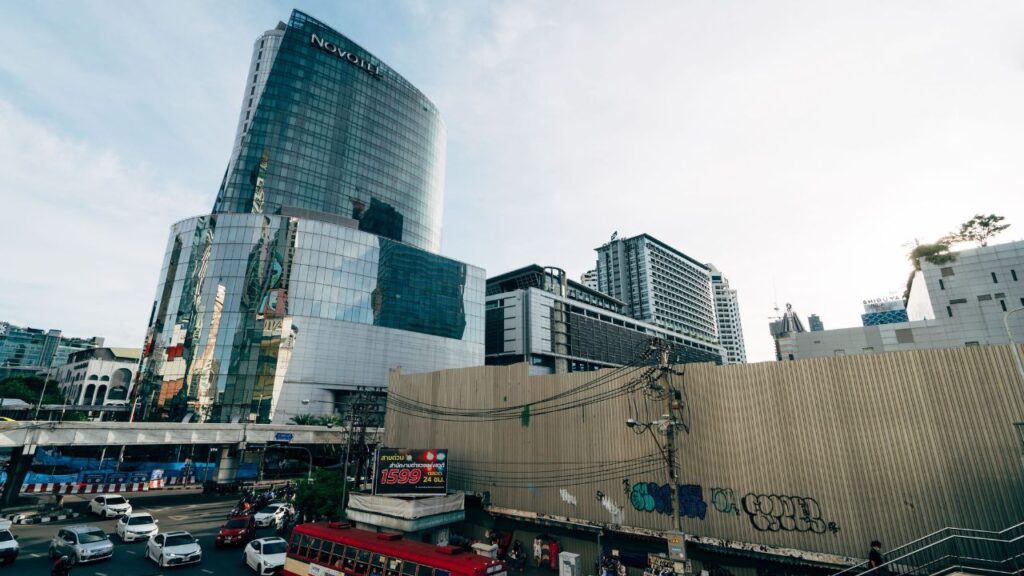
Thailand's Ministry of Tourism and Sports is being split in 2026 — tourism moves to a new Ministry of Culture and Tourism while sports gets its own dedicated ministry for the first time.
Thailand’s ministry split 2026 is officially moving ahead, and anyone planning a trip to Bangkok, Phuket, Chiang Mai, or Koh Samui should understand what this governance overhaul means for their travel plans. The Thai government has formally submitted draft legislation to restructure the Ministry of Tourism and Sports — separating tourism from sports administration and merging tourism with the Culture Ministry to form a brand new Ministry of Culture and Tourism. With the bill already at the Cabinet Secretariat stage and parliamentary consideration expected before the end of 2026, this is the most significant shake-up of Thailand’s tourism governance in over two decades, arriving alongside new visa policies, an upcoming tourist arrival fee, and fresh travel incentives that will shape how international visitors experience the country.
Thailand Ministry Split 2026: What Is Changing and Why
The Thailand ministry split 2026 has been confirmed by Deputy Prime Minister Pakorn Nilprapunt, who oversees the Office of the Public Sector Development Commission (OPDC). The draft legislation has been completed and submitted to the Cabinet Secretariat for circulation among government agencies, which will have no more than one month to gather comments on the proposed administrative arrangements. After that, the bill goes to Cabinet — expected in July or August 2026 — and then to the House of Representatives for parliamentary consideration. If the legislative timeline holds, the new ministerial structure could formally come into force before the end of this year.
Tourism and Sports Minister Surasak Phancharoenworakul has expressed strong confidence in the plan, saying that merging tourism with culture will make policy coordination easier and allow Thailand’s rich heritage, arts, and creative economy to directly strengthen its tourism offering. The argument is straightforward: Thailand’s temples, festivals, traditional crafts, and cultural identity are among its biggest draws for international visitors, and having a single ministry oversee both culture and tourism removes the bureaucratic gap that currently exists between promotion and preservation. The restructuring is also designed to improve administrative efficiency and give clearer policy direction to the agencies that manage millions of tourist interactions every year.
| Current Ministry | New Structure Under Proposed 2026 Split |
|---|---|
| Ministry of Tourism and Sports | Ministry of Culture and Tourism (new) |
| Ministry of Tourism and Sports | Ministry of Sports (new, standalone) |
| Tourism Authority of Thailand (TAT) | Under Ministry of Culture and Tourism |
| Department of Tourism | Under Ministry of Culture and Tourism |
| Tourist Police Bureau | Under Ministry of Culture and Tourism |
| Designated Areas for Sustainable Tourism (Dasta) | Under Ministry of Culture and Tourism |
| Department of Physical Education | Under Ministry of Sports |
| Sports Authority of Thailand (SAT) | Under Ministry of Sports |
| Thailand National Sports University | Under Ministry of Sports |
Which Agencies Move Where — and What Happens to Overlapping Functions
One of the more complex elements of the Thailand ministry split 2026 is the question of agencies and departments whose work spans both tourism and sports. Minister Surasak confirmed that special attention is being given to the ministry’s permanent secretary office, where personnel and responsibilities overlap between the two sectors. Officials are currently working through the details of workforce allocation to ensure that staff are assigned according to their expertise and operational role rather than simply divided down the middle. The goal is to avoid duplication, prevent gaps in service, and make sure both new ministries hit the ground running from day one with the right people in the right positions.
Tourism-related agencies moving to the new Ministry of Culture and Tourism will include the Department of Tourism, the Tourism Authority of Thailand (TAT), the Designated Areas for Sustainable Tourism Administration (Dasta), and the Tourist Police Bureau — the four bodies that most directly affect international visitors on a day-to-day basis. The sports side will bring together the Department of Physical Education, the Sports Authority of Thailand (SAT), and Thailand National Sports University under a dedicated Ministry of Sports with a focused mandate. For travelers, the practical takeaway is that TAT and the Tourist Police Bureau — the two agencies most relevant to foreign visitors — will continue operating normally throughout the transition and will sit under the new culture and tourism umbrella once the restructuring is complete.
Thailand’s Visa Rules in 2026 — The Current Picture for Travelers
Alongside the Thailand ministry split 2026 restructuring, Thailand’s visa framework is also undergoing significant change, and travelers need to have accurate information before booking flights. Currently, the 60-day visa exemption remains in force for citizens of 93 countries and territories, including Indian passport holders. The Thai Cabinet approved revisions to this scheme on May 19, 2026 — which would cut the exemption period and reassign countries to different entry tiers — but those changes take legal effect only 15 days after publication in the Royal Gazette, which had not been confirmed at the time of writing. Until that publication happens, travelers from all 93 countries, including India, continue to enter Thailand on the existing 60-day visa-free basis.
Once the new rules do take effect, Indian passport holders will move into a Visa on Arrival category — one of only four countries globally on this revised list, alongside Azerbaijan, Belarus, and Serbia — allowing a 15-day stay at a fee of THB 2,000, approximately ₹5,000, payable at the airport. Separately, the government is actively considering introducing a 15-day visa-free entry specifically for India as an upgrade, which would remove the fee and airport queue entirely, but this proposal has not yet received Cabinet approval. Travelers from the majority of the original 93 countries will move to a 30-day visa exemption once the Royal Gazette publishes the new rules. The smart move for anyone planning a Thailand trip right now is to check the official Thai e-Visa portal at thaievisa.go.th for the latest confirmed entry requirements before booking.
| Traveler Category | Current Rule (Until Royal Gazette) | Post-Publication Rule |
|---|---|---|
| Indian passport holders | 60-day visa exemption (free) | 15-day Visa on Arrival — THB 2,000 (~₹5,000) |
| Most 93-country nationals (EU, US, UK etc.) | 60-day visa exemption (free) | 30-day visa exemption (free) |
| India — proposed upgrade | Under consideration | 15-day visa-free (P.15) — not yet approved |
| TDAC Digital Arrival Card | Mandatory for all travelers | Mandatory for all travelers |
Tourist Arrival Fee and New Travel Incentives Coming in 2027
One of the most tangible outcomes of the broader Thailand ministry split 2026 policy package for international visitors is the introduction of a Tourist Arrival Fee, expected to begin collection in early 2027. The proposed charge for foreign tourists arriving by air is THB 300–500 per person per trip — approximately ₹750–₹1,250 at current exchange rates — and the ministry’s preferred collection method is through airline tickets, embedded much like airport development charges already familiar to Indian travelers. If agreement with airlines cannot be reached, the fee will instead be collected through Thailand’s mandatory Digital Arrival Card (TDAC) system at the point of entry. Thai nationals are fully exempt, and the revenue will flow into the Thailand Tourism Promotion Fund for site maintenance, waste management at busy tourist destinations, and tourist insurance coverage for foreign visitors.
On the incentives side, the ministry has proposed a “Buy International, Free Thailand Domestic Flights” scheme that would give foreign tourists complimentary domestic air tickets when they purchase international flights into Thailand. For travelers flying into Suvarnabhumi or Don Mueang, this could mean a free onward connection to Chiang Mai, Krabi, Koh Samui, or Phuket — turning a Bangkok-only trip into a multi-destination Thailand holiday at no extra airfare cost. The government is also reviving a domestic tourism co-payment scheme, seeking at least THB 3 billion (approximately ₹7,500 crore) from the 2027 central budget, which will subsidise hotel stays for domestic Thai travelers and indirectly push accommodation standards and value higher across the destinations that international visitors also frequent.
Practical Tips for Travelers Heading to Thailand in 2026
With the Thailand ministry split 2026 still working through parliament and the new visa rules pending Royal Gazette publication, the single most important thing any traveler can do right now is check the current entry requirements before confirming bookings rather than assuming any previous rules still apply. For Indian passport holders, the 60-day exemption is technically still active at the time of writing, but the policy change could take effect with as little as 15 days’ notice after Royal Gazette publication — meaning a trip booked today could be subject to Visa on Arrival rules by the time of departure. The safest approach is to apply for a Thailand e-Visa in advance through thaievisa.go.th, which removes any uncertainty and works regardless of which entry rules are in force on arrival day.
When budgeting for Thailand trips, factor in the Tourist Arrival Fee of approximately ₹750–₹1,250 per person from early 2027 onwards. Also remember that UPI does not work in Thailand — carry USD or Thai Baht exchanged before departure from Delhi, Mumbai, Chennai, or Bangalore, and use a zero-forex international card for daily transactions. If your visa application requires a confirmed flight booking before approval, a dummy ticket reservation accepted by Thai consulates and immigration is available at flyinghelpline.com/flight-reservation/ for just ₹999. For longer stays or multi-country Southeast Asia trips, SafetyWing Nomad Insurance provides solid coverage at budget-friendly rates trusted by Indian travelers.
FAQs — Thailand Ministry Split 2026
Q: Will the Thailand ministry split 2026 affect tourist services like the Tourist Police or TAT helplines?
A: No disruption is expected during the transition period. The Tourist Police Bureau and the Tourism Authority of Thailand (TAT) will both move under the new Ministry of Culture and Tourism and continue operating normally throughout the restructuring process. Tourists visiting Thailand in 2026 will not notice any change in on-the-ground services — the same helplines, tourist assistance counters, and TAT offices across Bangkok, Phuket, Chiang Mai, and other destinations will remain fully functional. The restructuring is an administrative reorganisation at the government level, not a change to front-line tourism services.
Q: Is the 60-day visa exemption still valid for Indian travelers right now?
A: Yes — at the time of writing, the 60-day visa exemption is still in effect for Indian passport holders and all 93 countries under the current scheme. The Thai Cabinet approved changes on May 19, 2026, but those new rules only take legal effect 15 days after publication in the Royal Gazette, which had not been published at the time of writing. However, the change could happen with short notice, so travelers should not build long-term plans around the 60-day window and should check thaievisa.go.th for the latest confirmed status before booking any Thailand trip.
Q: When will the new Ministry of Culture and Tourism officially begin functioning?
A: The draft legislation was submitted to the Cabinet Secretariat in late June 2026. The inter-agency consultation process is expected to wrap up within one month, after which Cabinet approval is targeted for July or August 2026. Parliamentary consideration follows. If the process stays on schedule, the new Ministry of Culture and Tourism could formally begin operating before the end of 2026. The restructuring is expected to be completed in line with the timeline set by the Office of the Public Sector Development Commission, with workforce and agency allocation details being finalised through July.
Final Word
The Thailand ministry split 2026 is a landmark moment for one of Asia’s most visited destinations, and its effects on international travelers go well beyond a simple name change on a government building. From the upcoming Tourist Arrival Fee to the exciting free domestic flights proposal, and from the shifting visa landscape to the cultural ambitions behind the new Ministry of Culture and Tourism, these changes signal a Thailand that is actively repositioning itself around quality, sustainability, and cultural depth. Check your visa requirements before every booking, complete your mandatory TDAC digital arrival card before departure, budget for the 2027 arrival fee, and keep an eye out for the free domestic flights scheme — it could transform how affordably you explore Thailand beyond Bangkok. The country remains one of the best-value international destinations for travelers, and these reforms are designed to make it even more rewarding for those who visit with genuine curiosity.
Also Read:
- Thailand Travel 2026 New Rules — Complete Guide
- Thailand Visa Runs 2025 New Rules
- SafetyWing Nomad Insurance — Full Review
Official Sources:
- Bangkok Post — Tourism Ministry Split Moves Ahead
- The Nation Thailand — Tourism Ministry Restructuring
 Thai Airways Flood Waiver 2026: Free Date Change Sept 26–Oct 11, Same Route and Class
AirAsia Thailand 2026: Analysts Warn AAV Faces Risk From Malaysian Parent’s Fuel Crisis

Suvarnabhumi Baggage Delay 2026: Thai Airways Backlog Sept 26–27, Contact Numbers
Bangkok Flooding 2026: All 50 Districts Disaster Zones, Airports Still Operating

Thai Airways Flood Waiver 2026: Free Date Change Sept 26–Oct 11, Same Route and Class
AirAsia Thailand 2026: Analysts Warn AAV Faces Risk From Malaysian Parent’s Fuel Crisis
Suvarnabhumi Baggage Delay 2026: Thai Airways Backlog Sept 26–27, Contact Numbers
Bangkok Flooding 2026: All 50 Districts Disaster Zones, Airports Still Operating

Aaseem Bhardwaj is a journalist, seasoned traveler and IT professional based in India. With firsthand travel experience across Southeast Asia, East Asia, Middle East and Europe, Aaseem founded Travel Man Today to provide reliable visa updates and travel news for Indian passport holders. He has personally traveled to Thailand, Vietnam, Malaysia, Japan, Singapore, Hong Kong, South Korea, UAE and Europe. Follow his travel vlogs on YouTube at @travelmantoday




Templates for Indians