Thailand Pattaya Nightlife 2026: Sex Trade Open Secret Strains Premium Tourism Push
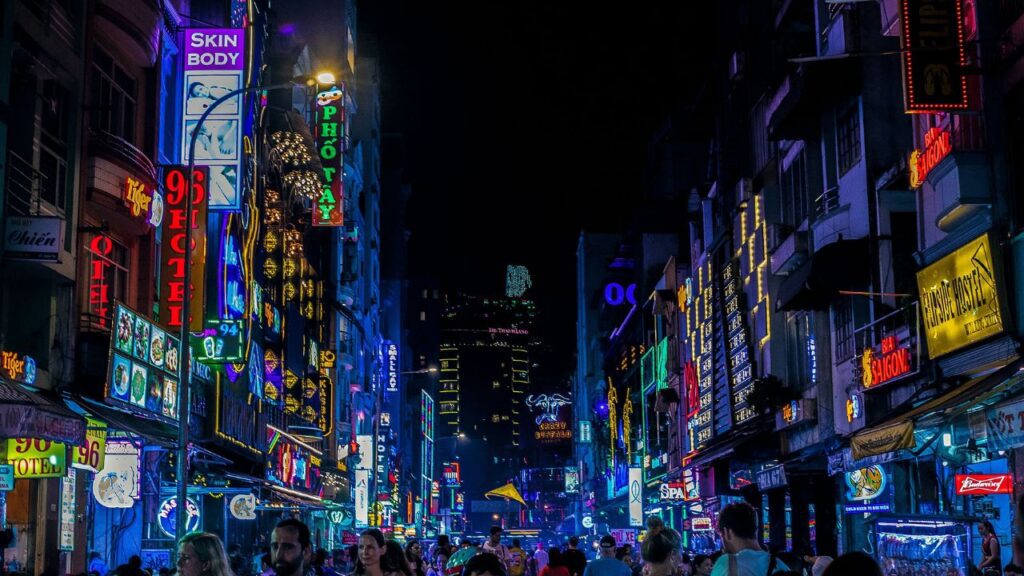
Thailand Pattaya nightlife 2026 — the Bangkok Post's August 10 analysis examines the open secret of Thailand's sex trade and how it strains the Tourism Authority's Value over Volume premium destination strategy.
Thailand Pattaya nightlife 2026 is at the centre of a policy tension that Tourism Minister Surasak and the Thai Hotels Association have publicly acknowledged but successive governments have declined to resolve — the country is simultaneously marketing itself as a premium destination for high-spending cultural tourism and maintaining a visible sex trade that contradicts that positioning at every level of its international brand.
From Soi Cowboy in the bustling Sukhumvit corridor of Bangkok to Pattaya’s Walking Street, the sex trade remains an open secret that authorities are often reluctant to acknowledge, despite its visible presence. While Thailand promotes itself as a premium destination to lure high-spending travellers, it still struggles to reposition its image while keeping one foot in the sex tourism industry.
The immediate catalyst for the Bangkok Post’s August 2026 examination of this long-standing contradiction was a criminal case — an Australian man who murdered a 17-year-old Thai teenager — that brought Thailand’s night-time economy into international headlines at exactly the moment when TAT is investing heavily in a Value over Volume tourism strategy and UNESCO creative cities positioning.
The Legal Framework: Illegal in Law, Visible in Practice
The foundational fact of Thailand’s sex tourism situation is a legal one.
Prostitution and sex work are illegal in Thailand under the Prevention and Suppression of Prostitution Act of 1996.
The 1996 law makes prostitution illegal — but enforcement is inconsistent, geographically concentrated in crackdown periods, and historically undone by the corruption that fills the gap between law and practice.
Thanet Supornsahasrungsi, president of the Association of the Chonburi Tourism Federation, said although tourism operators promote activities that position Pattaya as a family-oriented destination, it is undeniable that sex work exists there. With several entertainment venues and massage parlours known to covertly offer sexual services, a grey area creates opportunities for corruption, allowing officials to demand bribes or extort money from sex workers.
Thanet is the same Chonburi Tourism Federation president who, in this same week, told the Bangkok Post that India is Pattaya’s most resilient tourist market and that the Pattaya airport rail link must be built regardless of speed. His acknowledgement of the sex trade’s existence alongside the family tourism positioning is a rare instance of frank official language about a topic that tourism authorities typically deflect.
The corruption dimension that Thanet identifies is structural — when a legal prohibition cannot be enforced without criminalising large numbers of economically marginalised people, the enforcement gap becomes a revenue opportunity for corrupt officials. In 2023, 19,648 people were arrested for breaking the prostitution law, down from 38,139 arrests in 2022, according to the Royal Thai Police — a significant decline that could reflect reduced enforcement as much as reduced activity.
The Human Rights Dimension
The Bangkok Post article goes beyond the tourism industry positioning question to address the human rights framework that governs how sex workers are treated under the current legal structure.
Ms Surang said as sex work remains illegal, workers are effectively excluded from the formal employment system and the wider economy. “Sex workers lack the legal power to negotiate for their livelihoods. The law treats them merely as objects rather than human beings entitled to rights.”
This is the civil society argument that distinguishes between criminalising the sex worker versus criminalising third parties who profit from and facilitate the trade. The current Thai framework criminalises both — with enforcement falling most heavily on workers rather than operators or clients.
The exclusion from formal employment has practical downstream consequences — no access to social security, no labour law protections, no formal recourse against abuse or non-payment, and no ability to report crimes committed against sex workers to police without risking self-incrimination.
The 17-year-old murder victim in the case that triggered the Bangkok Post analysis was in Pattaya’s night-time economy precisely because of the economic and legal vulnerabilities the framework creates — a fact that advocacy groups have used to argue that the current legal structure, rather than protecting young and vulnerable people, increases their exposure to violence and exploitation.
The Tourism Brand Tension: Premium vs. Party
The Thailand Pattaya nightlife 2026 tension has a direct commercial dimension for TAT and the wider Thai tourism industry. The same Pattaya that the Association of the Chonburi Tourism Federation markets as a family-friendly beach destination with Indian visitors, infrastructure development, and the horticultural expo is also the Pattaya that generates international news coverage about crime, exploitation, and the sex trade.
TAT’s Value over Volume strategy — promoting Thailand as a premium cultural, culinary, and wellness destination for high-spending travelers — runs directly into the reality that Pattaya’s most globally recognisable brand associations remain its nightlife economy. When a Thai tourism destination generates international media coverage involving a murdered 17-year-old, the brand damage is immediate and disproportionate to what any amount of premium marketing can offset in the same news cycle.
The tourism industry’s internal debate — acknowledged by Thanet and others — is whether Thailand should attempt a genuine repositioning of Pattaya away from its historical nightlife economy through enforcement and alternative development, or whether the attempt to maintain both positionings simultaneously is itself the source of the problem.
The precedent from other destinations suggests genuine repositioning is possible but requires political will that Thailand’s approach to Pattaya has not yet demonstrated. Amsterdam has restricted the Red Light District through urban planning and licensing reform. Barcelona has enforced nightlife curfews and eliminated entire entertainment zones. Neither transformation was fast, cheap, or politically painless — but both produced measurably different destination brands over a decade of sustained policy.
What This Means for Indian Travelers
The Thailand Pattaya nightlife 2026 policy debate has several specific implications for Indian travelers planning Pattaya visits.
Safety context. The night-time economy operates in legal grey areas where enforcement is inconsistent and corruption endemic. Indian travelers — particularly solo male travelers or groups visiting specifically for nightlife — should understand that venues operating in grey areas have no legal obligations to their customers and may have informal relationships with corrupt officials that make any dispute resolution complex.
Family destination context. Pattaya has genuine family-friendly attractions — the Underwater World Pattaya, the Cartoon Network Amazone Waterpark, the Sanctuary of Truth, the Pattaya Elephant Village, and Jomtien Beach — that are entirely separate from the Walking Street night economy. Indian families visiting for these attractions have a very different Pattaya experience from visitors who come specifically for the nightlife.
The India market strength. Thanet’s statement that India is Pattaya’s most resilient market — confirmed by TAT data throughout 2026 — reflects Indian travelers’ tourism patterns in Pattaya, which are predominantly beach, food, shopping, and family attraction-focused rather than nightlife-focused. This is the market Pattaya genuinely wants to grow.
Legal risks. Engaging with any element of Thailand’s sex trade carries legal risks under the 1996 Prostitution Act — for foreign nationals these risks include arrest, imprisonment, and deportation under the new Thailand Deportation Rules 2026 that cover criminal offences carrying three or more years imprisonment.
Before any Pattaya trip, confirm current Thailand entry requirements at thaievisa.go.th. Complete the mandatory TDAC digital arrival card within 72 hours before departure. Remember UPI does not work in Thailand — carry Thai Baht or a zero-forex international card. For travel insurance covering Thailand trips, SafetyWing Nomad Insurance provides comprehensive coverage at affordable daily rates for Indian travelers.
FAQs — Thailand Pattaya Nightlife 2026
Q: Is prostitution legal in Thailand?
Prostitution and sex work are illegal in Thailand under the Prevention and Suppression of Prostitution Act of 1996. Despite its illegal status, the sex trade remains highly visible in specific districts of Bangkok and Pattaya. In 2023, 19,648 people were arrested for breaking the prostitution law, down from 38,139 arrests in 2022. Foreign nationals participating in or facilitating illegal prostitution in Thailand face arrest, prosecution, and under the new 2026 deportation framework, deportation for criminal offences.
Q: Is Pattaya safe for Indian families to visit?
Pattaya has extensive family-oriented attractions — Cartoon Network Amazone Waterpark, Underwater World, the Sanctuary of Truth, Jomtien Beach, the Pattaya Elephant Village, and others — that operate entirely separately from the night-time economy. Tourism operators promote activities that position Pattaya as a family-oriented destination. India is confirmed as Pattaya’s most resilient tourist market in 2026, with the majority of Indian visitors engaging with the city’s family and beach tourism offerings rather than its nightlife economy.
Q: How does Thailand’s sex tourism image affect its premium tourism push?
While Thailand promotes itself as a premium destination to lure high-spending travellers, it still struggles to reposition its image while keeping one foot in the sex tourism industry. TAT’s Value over Volume strategy and UNESCO creative cities expansion are designed to shift Thailand’s global tourism positioning toward cultural, culinary, and wellness tourism. The simultaneous existence of a highly visible and internationally known sex trade — particularly when it generates criminal case headlines — creates brand damage that premium marketing cannot offset in the same news cycle.
Final Word
The Thailand Pattaya nightlife 2026 open secret that the Bangkok Post examined on August 10 is not a new story — it is one of the most durable tensions in modern Thai tourism policy, between a country that wants to be taken seriously as a premium destination and a specific geography that has been defined for decades by an industry that is simultaneously illegal and highly visible. The murder case that triggered the current coverage adds urgency but not novelty.
The policy choices — genuine repositioning through enforcement and alternative development, or continued management of the contradiction — remain as unresolved as they have been for years. For Indian travelers, the practical guidance is unchanged: Pattaya has excellent family and beach tourism that is the Indian market’s primary engagement with the city, and the legal framework makes any engagement with the night-time economy a genuine legal and personal risk.
Also Read:
- Thailand Deportation Rules 2026 — Cabinet Backs Six Offence Categories
- Pattaya Airport Rail Link — Operators Back Any Speed 2026
- Thailand Travel Advisory Indians July 2026 — Full Guide
Official Source:
 Thai Airways Flood Waiver 2026: Free Date Change Sept 26–Oct 11, Same Route and Class
AirAsia Thailand 2026: Analysts Warn AAV Faces Risk From Malaysian Parent’s Fuel Crisis

Suvarnabhumi Baggage Delay 2026: Thai Airways Backlog Sept 26–27, Contact Numbers
Bangkok Flooding 2026: All 50 Districts Disaster Zones, Airports Still Operating

Thai Airways Flood Waiver 2026: Free Date Change Sept 26–Oct 11, Same Route and Class
AirAsia Thailand 2026: Analysts Warn AAV Faces Risk From Malaysian Parent’s Fuel Crisis
Suvarnabhumi Baggage Delay 2026: Thai Airways Backlog Sept 26–27, Contact Numbers
Bangkok Flooding 2026: All 50 Districts Disaster Zones, Airports Still Operating

Aaseem Bhardwaj is a journalist, seasoned traveler and IT professional based in India. With firsthand travel experience across Southeast Asia, East Asia, Middle East and Europe, Aaseem founded Travel Man Today to provide reliable visa updates and travel news for Indian passport holders. He has personally traveled to Thailand, Vietnam, Malaysia, Japan, Singapore, Hong Kong, South Korea, UAE and Europe. Follow his travel vlogs on YouTube at @travelmantoday




Templates for Indians


1 thought on “Thailand Pattaya Nightlife 2026: Sex Trade Open Secret Strains Premium Tourism Push”