Thailand Airlines Fuel Costs: Thai AirAsia Q2 Loss THB 2B, Bangkok Airways Up 16%
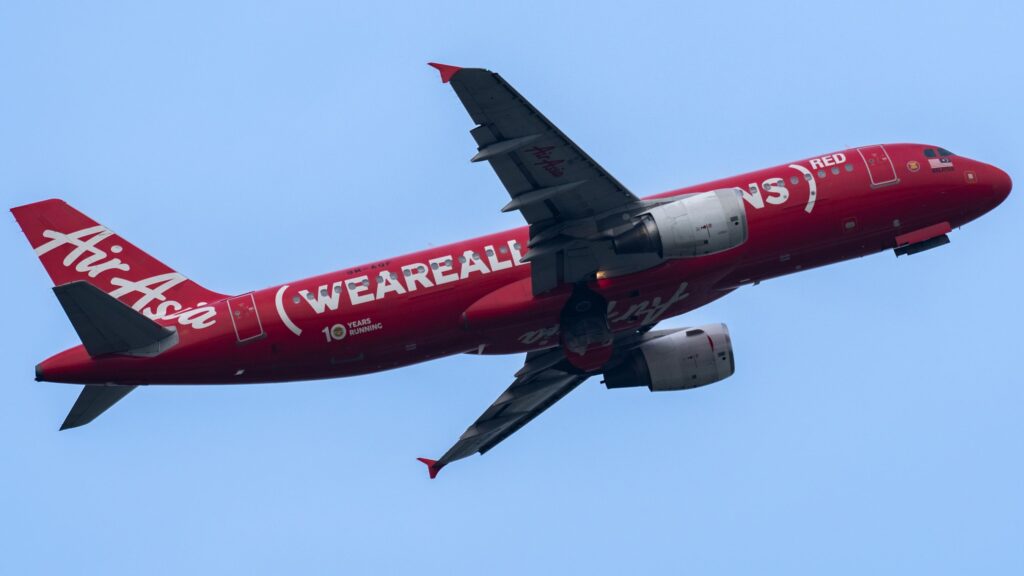
Thailand airlines fuel costs crisis Q2 2026 — surging jet fuel prices of 43–49% produced a THB 2.09 billion core operating loss for Thai AirAsia and a 39.3% operating profit decline for Bangkok Airways, despite both carriers recording revenue growth.
Thailand airlines fuel costs surging 43–49% in the second quarter produced a sharply divergent set of results across the Thai aviation sector — contributing to an operating loss of 2 billion baht for Thai AirAsia and a 39.3% decline in operating profit for Bangkok Airways, despite both carriers recording revenue growth over the same period.
The Thailand airlines fuel costs story for Q2 2026 is the clearest illustration yet of how differently the Middle East conflict is hitting carriers depending on their cost structure, hedging positions, and business model. Thai AirAsia — a low-cost carrier with thin margins and high fuel exposure — absorbed a core operating loss of THB 2.09 billion. Bangkok Airways
— a boutique regional carrier with better hedging and a premium-leaning product — grew H1 profit by 16.3% to THB 2.43 billion despite the same fuel environment. Thai Airways — the full-service flag carrier — saw net profit collapse 87% to THB 1.54 billion from THB 12.13 billion. Three Thai carriers, three different outcomes, the same external shock.
Thai AirAsia Q2 2026: THB 2B Operating Loss on 43–49% Fuel Cost Surge
SET-listed Asia Aviation (AAV), the operator of low-cost carrier AirAsia, reported a year-on-year increase of 2% in revenue from sales and services to 10 billion baht, amid a reduction in seat capacity to 5.14 million seats. The uptick was largely driven by ticket revenue, which rose 6% to 8.57 billion baht as average airfares surged to 2,127 baht.
The revenue picture is commercially interesting — Thai AirAsia actually grew ticket revenue 6% and average fares by a meaningful amount, confirming that the airline’s pricing power has held up despite the fuel cost environment.
However, a spike in jet fuel prices to US$183 per barrel from B1 during the second quarter significantly increased its total operating expenses to 11.9 billion baht. The 4-baht increase in fuel costs to 5 billion baht resulted in a core operating loss of 2.09 billion baht for Thai AirAsia, while its net loss tallied 2.3 billion baht, as fuel costs accounted for the largest share of total expenses.
The US$183 per barrel jet fuel figure is the operational reality that drove the loss. Thai AirAsia had hedged 15% of Q2 fuel requirements at US$150 per barrel — a meaningful but insufficient hedge against fuel prices that climbed from approximately US$80 per barrel pre-conflict to a peak of US$240 in early April before settling at the US$183 level used for Q2 settlement.
Jet fuel prices went from around US$80 per barrel to a peak of around $240 in early April, with conflict in the Middle East introducing significant cost pressures and volatility. At US$183, Thai AirAsia was paying more than double its pre-conflict fuel cost for the majority of its unhedged fuel requirements — and at 60% of operating costs rather than the pre-conflict 30-35%. Bangkok Post
Capacity response. Thai AirAsia reduced seat capacity by 1 to 5.14 million seats in response to the combined effects of higher fares dampening demand and the need to protect margins by reducing supply on loss-making routes. Thai AirAsia increased its average airfare for new bookings from April to 2,700 baht, as the first-quarter average of 1,836 baht did not cover surging jet fuel costs. The airline reduced seat capacity by 12% to match expected demand in the second quarter. Thai Examiner
The Bangkok-Kathmandu route was reduced from June 1 to August 31, 2026. Multiple other Thai AirAsia routes were cancelled or temporarily suspended as the airline restructured its network to concentrate capacity on routes where load factors and yield justify continued flying at current fuel costs.
| Thailand Airlines Fuel Costs Q2 2026 — Carrier Comparison | Thai AirAsia | Bangkok Airways | Thai Airways |
|---|---|---|---|
| Fuel cost increase Q2 | +43–49% | Similar but better hedged | +104.6% YoY |
| Q2 operating result | THB -2.09 billion (loss) | -39.3% operating profit | THB +3.69 billion |
| Q2 net result | THB -2.3 billion (loss) | Positive | THB +1.54 billion |
| H1 net result | — | THB +2.43 billion (+16.3%) | Positive |
| Fuel cost as % of total | ~60% (from 30–35% pre-conflict) | Elevated but hedged | Largest single cost |
| Capacity response | -12% seats, routes suspended | Bangkok-Phuket, Krabi cut | -4.4% ASK |
| Hedging position | 15% at US$150/bbl | 25–26% at US$80/bbl | Partial hedging |
| Jet fuel price used | US$183/bbl | US$170–180/bbl | US$183+ |
Bangkok Airways H1 2026: Profit Up 16.3% Despite Fuel Surge
Bangkok Airways recorded total revenue of 13.93 billion baht for the first six months of 2026, up 3%, while expenses increased 2.3% to 10.62 billion baht. The airline’s first-half net profit rose 16.3% from the same period last year to 2.43 billion baht. Nation Thailand
Bangkok Airways is the Thailand airlines fuel costs success story of Q2 2026 — a carrier that managed to grow profits despite the same external fuel shock that crushed Thai AirAsia and devastated Thai Airways. How?
Three structural advantages separate Bangkok Airways’ outcome from Thai AirAsia’s.
Better hedging position. Bangkok Airways had hedged fuel at around US$80 per barrel, roughly the same level as before the Gulf conflict — covering 25–26% of the volume required for flight operations from the second to the fourth quarter. A 25-26% hedge at US$80 per barrel, versus Thai AirAsia’s 15% hedge at US$150, means Bangkok Airways locked in a lower fuel price on a larger proportion of its fuel before prices surged.
Premium product insulation. Bangkok Airways operates as a boutique regional carrier — it controls three private airports (Samui, Sukhothai, and Trat), and its primary market is premium-leaning leisure and business travelers who are less price-sensitive to fare increases. When Bangkok Airways raised fares by 15–20% from April 1, its core customer segment absorbed the increase without proportionally switching carriers.
Capacity discipline. Bangkok Airways cancelled or reduced capacity on routes with low demand and profitability in the first half. Bangkok-Phnom Penh was reduced from three to one daily flight using smaller ATR72-600 jets, while Bangkok-Phuket was cut from six to five and Bangkok-Krabi from three to two daily flights. By pulling capacity from underperforming routes quickly, Bangkok Airways avoided the loss-amplifying effect of flying empty or near-empty seats at US$183 per barrel fuel costs.
Puttipong Prasarttong-Osoth, president of Bangkok Airways, said the results reflected the company’s ability to generate revenue and manage costs efficiently despite economic volatility and the continuing conflict in the Middle East.
The Q3 Outlook: Continued Pressure
Thai airlines will remain under pressure in the second and third quarters from the oil price spike as the uptick in airfares and fuel surcharges are insufficient to cover the surge in costs.
The Q3 2026 outlook for Thailand airlines fuel costs pressure remains negative. Jet fuel prices surged from US$99.04 per barrel in late February 2026 to US$209 per barrel in early April — and while prices have moderated from that April peak, the EASA Gulf airspace warning extended to August 31 signals no near-term resolution to the geopolitical drivers of the fuel cost environment.
Nationwide passenger and flight volumes contracted by 7% year-on-year in early May, deteriorating from a 1% contraction in April, dragged down by domestic routes, which shrank by more than 11%.
The domestic route contraction — more than 11% in early May — is the most commercially alarming data point for Thai aviation. If domestic travel demand is contracting faster than international, it signals that higher fares are pricing out the Thai domestic traveler rather than just international tourists. The Thai Travel Thai Plus co-payment scheme targeting September is the government’s demand-side response to this contraction.
The impact has been worsened by a more than 110% rise in Jet A-1 fuel prices, which has pushed fuel costs from 30% to 50% of airlines’ total costs.
What Indian Travelers in Thailand Must Know
The Thailand airlines fuel costs crisis has three direct implications for Indian travelers flying in, out of, and within Thailand.
Fares are higher and likely to stay elevated. Average Thai AirAsia fares rose from THB 1,836 in Q1 to THB 2,127 in Q2 — a 15.8% increase in average fare in a single quarter. Passengers can expect to pay more for peak-time departures on popular Asia routes from Bangkok and other Thai gateways, while off-peak and shoulder-period bargains become harder to find. Indian travelers booking Thailand flights — particularly from Bangkok to secondary cities like Chiang Mai, Phuket, or Chiang Rai — should compare fares across carriers and book earlier rather than waiting for last-minute deals.
Some routes have been suspended or cut. Thai AirAsia has suspended or reduced multiple routes including Bangkok-Kathmandu, which directly affects Indian travelers using this corridor. Check specific routes directly with Thai AirAsia, Bangkok Airways, and other carriers before booking multi-destination Thailand itineraries.
Bangkok Airways routes from Samui are more stable. Bangkok Airways’ premium product and controlled airport advantage at Koh Samui means its Samui routes — Bangkok-Samui, Singapore-Samui — have been maintained with frequency cuts rather than full suspensions. Indian travelers planning Koh Samui trips can still fly Bangkok Airways to Samui rather than routing via Surat Thani-ferry.
Before any Thailand trip, confirm current entry requirements at thaievisa.go.th. India’s 30-day visa-free entry is approved but awaiting Royal Gazette publication. Complete the mandatory TDAC within 72 hours before departure. Remember UPI does not work in Thailand — carry Thai Baht or a zero-forex card. For travel insurance covering Thailand flight disruptions and cancellations from the ongoing fuel crisis, SafetyWing Nomad Insurance provides comprehensive coverage at affordable daily rates for Indian travelers.
FAQs — Thailand Airlines Fuel Costs 2026
Q: What financial results did Thai AirAsia report for Q2 2026?
Despite growing revenue in the second quarter, surging fuel costs of 43–49% contributed to an operating loss of 2 billion baht for Thai AirAsia. SET-listed Asia Aviation reported a year-on-year increase of 2% in revenue from sales and services to 10 billion baht, amid a reduction in seat capacity to 5.14 million seats. A spike in jet fuel prices to US$183 per barrel significantly increased total operating expenses to 11.9 billion baht, resulting in a core operating loss of 2.09 billion baht and a net loss of 2.3 billion baht.
Q: How did Bangkok Airways perform in H1 2026 despite high fuel costs?
Bangkok Airways recorded total revenue of 13.93 billion baht for the first six months of 2026, up 3%, while its first-half net profit rose 16.3% to 2.43 billion baht. Bangkok Airways outperformed its LCC peers because of a better hedging position — covering 25–26% of fuel at US$80 per barrel versus pre-conflict levels — a premium product that absorbed fare increases without proportional demand loss, and quick capacity discipline cutting underperforming routes including Bangkok-Phnom Penh, Bangkok-Phuket, and Bangkok-Krabi.
Q: What is the jet fuel price that is causing Thailand airlines’ losses?
Global jet fuel prices rose from US$99.04 per barrel in late February 2026 to US$209 per barrel in early April. Thai AirAsia experienced a spike in jet fuel prices to US$183 per barrel during Q2 2026. This compares to pre-conflict levels of approximately US$80 per barrel — more than double, and in some cases triple the pre-Middle East-conflict cost base. The rise has pushed fuel costs from 30% to 50% of airlines’ total costs.
Final Word
The Thailand airlines fuel costs Q2 2026 results — Thai AirAsia’s THB 2 billion operating loss, Bangkok Airways’ 16.3% H1 profit growth, Thai Airways’ 87% net profit collapse — confirm that the Middle East conflict’s jet fuel price surge is the defining variable in Thai aviation’s 2026 financial performance, and that the variable is not equally distributed. Carriers with better hedging, premium products, and faster capacity discipline are surviving or growing.
Low-cost carriers without hedging coverage and with price-sensitive domestic demand bases are losing money. If EASA’s August 31 Gulf warning is extended and fuel prices remain at US$150–180 per barrel through Q3, Thai AirAsia’s recovery will be measured in quarters, not weeks. For Indian travelers, the practical message is clear: fares are higher, some routes have been cut, and flexibility in booking is now a financial advantage rather than a convenience preference.
Also Read:
- Thai Airways Q2 2026 — Net Profit Plunges 87% on Fuel Surge
- Thailand Travel Update Indians — Visa-Free, Baggage, Hotel Tax
- Thailand Tourist Arrivals 2026 — 18.51 Million by August 1
Official Sources:
- Bangkok Post — Surging Fuel Costs Dent Airlines’ Performance
- Nation Thailand — THAI Q2 Profit Falls as Fuel Costs Surge; Bangkok Airways H1 Profit Rises
 China Accommodation Registration 2026: Indians Can Now Register Online, No Police Visit Needed

Thailand Baggage Screening 2026: Checked Bags Can Be Opened Without You From October 16
Thailand THIM App 2026: One Platform for TDAC, Visa Extension, 90-Day Report and Discounts

US Visa Wait Times Indians 2026: B1/B2 Up to 12 Months — All 5 Consulates Compared
China Accommodation Registration 2026: Indians Can Now Register Online, No Police Visit Needed
Thailand Baggage Screening 2026: Checked Bags Can Be Opened Without You From October 16
Thailand THIM App 2026: One Platform for TDAC, Visa Extension, 90-Day Report and Discounts
US Visa Wait Times Indians 2026: B1/B2 Up to 12 Months — All 5 Consulates Compared

Aaseem Bhardwaj is a journalist, seasoned traveler and IT professional based in India. With firsthand travel experience across Southeast Asia, East Asia, Middle East and Europe, Aaseem founded Travel Man Today to provide reliable visa updates and travel news for Indian passport holders. He has personally traveled to Thailand, Vietnam, Malaysia, Japan, Singapore, Hong Kong, South Korea, UAE and Europe. Follow his travel vlogs on YouTube at @travelmantoday






Templates for Indians


1 thought on “Thailand Airlines Fuel Costs: Thai AirAsia Q2 Loss THB 2B, Bangkok Airways Up 16%”