Pattaya Tourism Reforms 2026: Operators Demand Action on Illegal Hotels and Tours
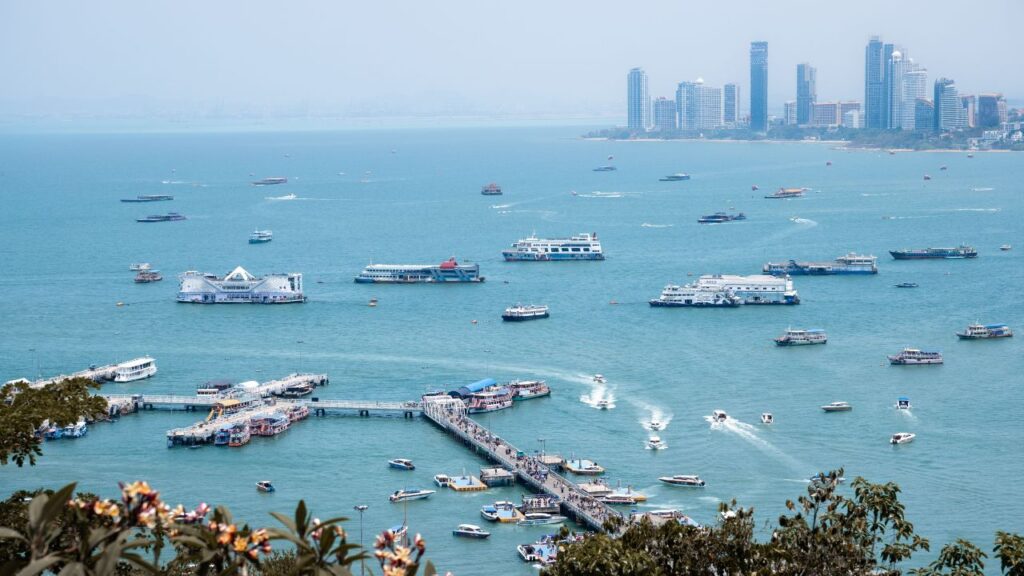
Pattaya tourism reforms 2026 — ACTF President Thanet presents three regulatory demands to Tourism Minister Surasak during the July 18 Chon Buri visit.
Pattaya tourism reforms 2026 were front and centre when Tourism and Sports Minister Surasak Phancharoenworakul visited Chon Buri on July 18, meeting with the Association of the Chonburi Tourism Federation (ACTF) and local operators to hear their demands for regulatory action on three persistent problems — unlicensed hotels, illegal tour operators, and unregulated entertainment venues.
Chon Buri tourism operators are urging the Ministry of Tourism and Sports to address persistent issues affecting the low season and safety, including unlicensed hotels, illegal tour operators and unregulated entertainment venues. The message from the ACTF was direct: Thailand cannot build a quality tourism reputation while a majority of accommodation providers operate without a licence. The Pattaya News
The 70% Unlicensed Hotel Problem
The most striking statistic to emerge from the Pattaya tourism reforms 2026 meeting was delivered by ACTF President Thanet Supornsahasrungsi — and it applies not just to Pattaya but to two of Thailand’s other biggest tourism markets.
More than 70% of accommodation providers in Chon Buri and other major destinations such as Phuket and Chiang Mai are unlicensed, he said. That figure — if accurate — means the vast majority of places visitors book through Airbnb, Booking.com, and other platforms in these destinations are operating without the regulatory permissions required under Thai hotel law.
The consequences are multiple. Unlicensed accommodation does not meet fire safety, hygiene, or structural standards verified by inspectors. Guests have no formal recourse through official channels if something goes wrong. Licensed operators — who pay taxes, comply with regulations, and invest in safety — compete at a structural disadvantage against operators who absorb none of those costs.
The Bangkok fire at Na Ladprao on July 13 — which killed 27 people at an entertainment venue operating without an entertainment licence — has sharpened the focus on this regulatory gap significantly. If enforcement had been effective before the fire, the venue would not have been operating.
Illegal Tour Operators: Foreign Nominees and Roadside Touts
The second demand in the Pattaya tourism reforms 2026 submission targets illegal tour operators — a problem that is both economically damaging to licensed Thai businesses and potentially unsafe for tourists.
Pattaya faces the problem of rental car services for foreign tourists operated by illegal tour companies, which offer services along the roadside. These unlicensed operators are mostly run through foreign nominees, and even offer cheaper packages than licensed tour companies.
The nominee structure is the key issue. Thai law prohibits foreigners from operating tour and travel businesses directly in Thailand. The nominee model — where a Thai national holds the licence on paper while a foreign national controls the business operationally — is the mechanism used to circumvent this restriction. These operations undercut licensed Thai tour operators on price because they avoid the compliance costs that legitimate businesses carry.
While registrars from the Tourism Department may have information on these operators, they do not have full enforcement powers. As a result, coordination with the Tourist Police is needed to carry out stricter on-site enforcement and file legal action against them. The Pattaya News
The ACTF is asking for exactly that — a formal enforcement coordination framework between the Tourism Department and Tourist Police that enables action against these operators rather than observation of them.
Entertainment Venue Zoning: Safety After the Bangkok Fire
The third pillar of the Pattaya tourism reforms 2026 demands concerns entertainment venue zoning — a regulatory area that suddenly moved from background concern to urgent priority following the Na Ladprao fire on July 13.
Many entertainment venues are now located outside Pattaya’s designated zoning areas to cater to changing tourist patterns and neighbourhood development. Operating outside approved zones means operating without proper licences, without safety inspections, and without the fire safety standards that licensed venues must maintain.
The Bangkok fire was the starkest possible illustration of what unlicensed entertainment venue operation leads to. Minister Surasak’s visit to Pattaya came just five days after the fire — and the ACTF’s push for Pattaya tourism reforms 2026 on entertainment venue regulation was directly connected to the national conversation triggered by the Chatuchak tragedy.
Operators are asking for both stricter enforcement of existing zoning rules and a review of whether the designated zones themselves need to be updated to reflect how Pattaya’s geography and tourism patterns have evolved.
What Minister Surasak Said in Pattaya
The Pattaya tourism reforms 2026 meeting was part of Tourism Minister Surasak’s broader July regional tour — which also included the Suvarnabhumi Airport multi-agency review on July 16 and separate engagements with TAT.
At the Pattaya meeting, Surasak acknowledged the challenges and committed to exploring solutions through the Tourism and Sports Ministry’s existing regulatory frameworks and inter-agency coordination channels. The ministry is looking to enhanced safety, technological upgrades, regulatory enforcement, and infrastructure development to restore confidence and drive sustainable growth in one of Thailand’s premier tourist regions.
The ACTF has also separately asked the government to include Pattaya specifically in the Thai Teaw Thai Plus domestic travel subsidy scheme — currently pending Cabinet approval — to support low-season hotel occupancy, which has been running at 30 to 40 percent during the current period.
| Pattaya Tourism Reforms 2026 — Three Demands | Status |
|---|---|
| Crackdown on unlicensed hotels (70%+ in Chon Buri) | Raised with Ministry — enforcement review pending |
| Enforcement against foreign-nominee illegal tour operators | Tourist Police coordination requested |
| Entertainment venue zoning compliance | Under review — urgency increased post-Na Ladprao fire |
| Thai Teaw Thai Plus inclusion | Pending Cabinet approval |
| Low season hotel occupancy | Currently 30–40% in Pattaya |
What This Means for Indian Travelers Visiting Pattaya
For Indian travelers who regularly visit Pattaya from Delhi, Mumbai, and Bengaluru — the Pattaya tourism reforms 2026 story carries direct practical relevance.
The 70% unlicensed hotel figure is the most important point for Indian travelers booking Pattaya accommodation. When booking through Booking.com, Agoda, or Airbnb, properties listed as guesthouses, serviced apartments, or boutique hotels are among the most likely to be operating unlicensed. Unlicensed properties have not been inspected for fire safety standards, structural integrity, or hygiene compliance.
The practical advice is straightforward: book established hotel brands or licensed properties where possible, particularly if you are traveling with family. Check whether your property appears on Thailand’s official hotel licensing list when in doubt. If in doubt, choose a larger hotel that is clearly an established registered entity.
Pattaya and Chon Buri tourism operators are competing for markets with high potential such as Chinese and Indian tourists by offering discounts. This increased competition is positive for Indian travelers on pricing — but the discounts offered by unlicensed operators come at a regulatory and safety cost that most travelers are unaware of when comparing prices.
Before visiting Pattaya, confirm current Thailand entry requirements at thaievisa.go.th. Under the new 30-day visa-free framework approved July 14 — awaiting Royal Gazette publication — Indian passport holders will gain free entry.
Remember UPI does not work in Thailand — carry Thai Baht or use a zero-forex international card. For travel insurance covering Pattaya trips including personal accident and trip disruption coverage, SafetyWing Nomad Insurance provides reliable coverage at affordable daily rates for Indian travelers.
FAQs — Pattaya Tourism Reforms 2026
Q: What are the main Pattaya tourism reforms 2026 that operators are demanding?
The Association of the Chonburi Tourism Federation presented three specific demands to Tourism Minister Surasak during his July 18 Pattaya visit. First, enforcement action against unlicensed hotels — with more than 70% of accommodation providers in Chon Buri, Phuket, and Chiang Mai operating without licences.
Second, coordinated Tourist Police and Tourism Department enforcement against illegal tour operators using foreign nominees to run roadside businesses. Third, stricter enforcement of entertainment venue zoning rules — a demand made more urgent by the Na Ladprao pub fire in Bangkok on July 13 that killed 27 people.
Q: Why are more than 70% of Pattaya hotels unlicensed?
Thailand’s hotel licensing system requires properties to meet fire safety, hygiene, structural, and operational standards verified through government inspections. The ACTF president told the Tourism Minister that more than 70% of accommodation providers in Chon Buri, Phuket, and Chiang Mai are operating without these licences.
The primary driver is economic — unlicensed operators avoid compliance costs and can undercut licensed hotels on price. Enforcement historically has been inconsistent, allowing the unlicensed sector to grow significantly relative to the licensed one.
Q: Is Pattaya safe for Indian tourists to visit in 2026?
Yes — Pattaya remains a popular and generally safe destination for Indian tourists, receiving strong numbers throughout 2026. The regulatory concerns raised by the ACTF are systemic issues for the industry rather than immediate safety threats for visitors.
The practical precaution for Indian travelers is to book established licensed hotel properties rather than unknown guesthouses or serviced apartments when possible, particularly when traveling with families. The Pattaya tourism reforms 2026 process, if successful, will progressively improve the overall safety and quality of the destination’s accommodation and entertainment ecosystem.
Final Word
The Pattaya tourism reforms 2026 meeting with Tourism Minister Surasak captures a tension that Thailand’s tourism authorities have been navigating for years — how to grow visitor numbers while tightening the regulatory quality of the industry that serves them.
The 70% unlicensed hotel figure is a sobering benchmark, and the Na Ladprao fire has given it new urgency. For Indian travelers visiting Pattaya, the practical takeaway is clear: book licensed hotel properties, be aware that discounted guesthouses and unlicensed rentals carry regulatory unknowns, and welcome the reform agenda as a long-term positive for a destination that India’s travelers visit in growing numbers every year.
Also Read:
- Bangkok Fire Na Ladprao — 27 Killed at Chatuchak Eatery
- Thailand Travel Advisory 2026 — Key Documents Indians Must Carry
- SafetyWing Nomad Insurance — Full Review for Indians
Official Sources:
- Bangkok Post — Chon Buri Tourism Sector Presses for Regulatory Reforms
- Tourism Authority of Thailand
 Thailand Airport Baggage Rule 2026: Checked Bags Can Now Be Opened Without You
Japan Travel Rules 2026: Tax-Free Changes and Kyoto Luggage Ban Explained
Thailand DTV Visa India Self-Application: Travel Agent Gets Approved in 26 Days Without an Agent
US Ebola Entry Ban 2026: 3 African Countries Restricted Until November

Thailand Airport Baggage Rule 2026: Checked Bags Can Now Be Opened Without You
Japan Travel Rules 2026: Tax-Free Changes and Kyoto Luggage Ban Explained
Thailand DTV Visa India Self-Application: Travel Agent Gets Approved in 26 Days Without an Agent
US Ebola Entry Ban 2026: 3 African Countries Restricted Until November

Aaseem Bhardwaj is a journalist, seasoned traveler and IT professional based in India. With firsthand travel experience across Southeast Asia, East Asia, Middle East and Europe, Aaseem founded Travel Man Today to provide reliable visa updates and travel news for Indian passport holders. He has personally traveled to Thailand, Vietnam, Malaysia, Japan, Singapore, Hong Kong, South Korea, UAE and Europe. Follow his travel vlogs on YouTube at @travelmantoday




Templates for Indians
3 thoughts on “Pattaya Tourism Reforms 2026: Operators Demand Action on Illegal Hotels and Tours”